

Bloating is that uncomfortable, full sensation that makes your abdomen feel swollen and tight. Almost everyone experiences bloating at some point, with up to 30% of people reporting regular bloating episodes. While usually not dangerous, bloating can significantly impact quality of life, affecting everything from your clothing choices to your social activities. This comprehensive guide explores the common causes of bloating and provides evidence-based strategies to help you find relief.
Understanding Bloating: What Happens in Your Body
Bloating occurs when your gastrointestinal (GI) tract fills with air or gas, creating that distended feeling in your abdomen. Sometimes bloating causes visible abdominal distension, while other times it’s just an uncomfortable internal sensation.
Dr. Emeran Mayer, gastroenterologist and author of “The Mind-Gut Connection,” explains: “Bloating is a complex symptom that involves both physical and sensory components. Some people experience hypersensitivity to normal amounts of gas, while others produce excessive gas or have impaired gas transit.”
During bloating, several physiological mechanisms may be at play:
- Excess gas production in the intestines
- Abnormal gut muscle contractions affecting gas movement
- Fluid retention in the abdomen
- Altered gut microbiome composition
- Visceral hypersensitivity (increased sensitivity to normal digestive processes)

Common Causes of Bloating
1. Dietary Factors
What you eat significantly impacts bloating:
- FODMAPs (Fermentable Oligosaccharides, Disaccharides, Monosaccharides, and Polyols): These short-chain carbohydrates resist digestion and ferment in the gut. High-FODMAP foods include:
- Fruits: apples, pears, cherries, peaches
- Vegetables: onions, garlic, cauliflower, mushrooms
- Legumes: beans, lentils, chickpeas
- Wheat and rye products
- Dairy containing lactose
- Carbonated Beverages: Sodas, sparkling water, and beer introduce carbon dioxide directly into your digestive system.
- High-Sodium Foods: Processed foods, restaurant meals, and preserved products can promote water retention and bloating.
- Sugar Alcohols: Common in sugar-free products, ingredients like sorbitol, mannitol, and xylitol resist digestion and ferment in the colon.
- Fast Eating: Consuming food quickly leads to swallowed air (aerophagia) and less thorough chewing.
2. Digestive Conditions
Several medical conditions can trigger chronic bloating:
- Irritable Bowel Syndrome (IBS): Bloating affects up to 96% of IBS patients, according to research published in the Journal of Neurogastroenterology and Motility.
- Small Intestinal Bacterial Overgrowth (SIBO): Excessive bacteria in the small intestine ferment carbohydrates, producing gas and bloating.
- Celiac Disease: An autoimmune reaction to gluten causes inflammation that can lead to bloating and numerous other symptoms.
- Functional Dyspepsia: This condition affects stomach emptying and digestion, commonly causing upper abdominal bloating.
- Gastroparesis: Delayed stomach emptying leads to food sitting in the stomach longer, causing bloating and fullness.
3. Hormonal Influences
Hormonal fluctuations significantly impact bloating, especially in women:
- Menstrual Cycle: Up to 85% of women experience premenstrual bloating due to hormonal changes affecting fluid retention and intestinal sensitivity.
- Perimenopause/Menopause: Hormonal shifts during these transitions can increase bloating episodes.
- Thyroid Disorders: Both hypothyroidism and hyperthyroidism can impact digestive motility and fluid balance.
4. Lifestyle Factors
Daily habits can contribute to bloating:
- Stress: The gut-brain connection means psychological stress directly affects digestive function and bloating sensitivity.
- Sedentary Behavior: Regular physical activity helps maintain healthy gut motility and gas clearance.
- Irregular Eating Patterns: Skipping meals followed by large portions can overwhelm digestive capacity.
- Poor Sleep: Inadequate or low-quality sleep disrupts digestive rhythm and gut health.
Effective Strategies to Reduce Bloating
Dietary Modifications
1. Try a Low-FODMAP Diet
The low-FODMAP diet has demonstrated 75% effectiveness in reducing IBS symptoms, including bloating:
- Phase 1: Eliminate high-FODMAP foods for 2-6 weeks
- Phase 2: Systematically reintroduce FODMAP groups to identify personal triggers
- Phase 3: Develop a personalized long-term eating plan
Research published in Gastroenterology shows this approach significantly reduces bloating severity in sensitive individuals.
2. Mindful Eating Practices
How you eat matters as much as what you eat:
- Chew thoroughly (aim for 20-30 chews per bite)
- Eat in a relaxed environment without distractions
- Take 20-30 minutes for meals
- Avoid talking while eating
- Sit upright during and after meals
3. Strategic Food Choices
Some dietary adjustments can provide immediate relief:
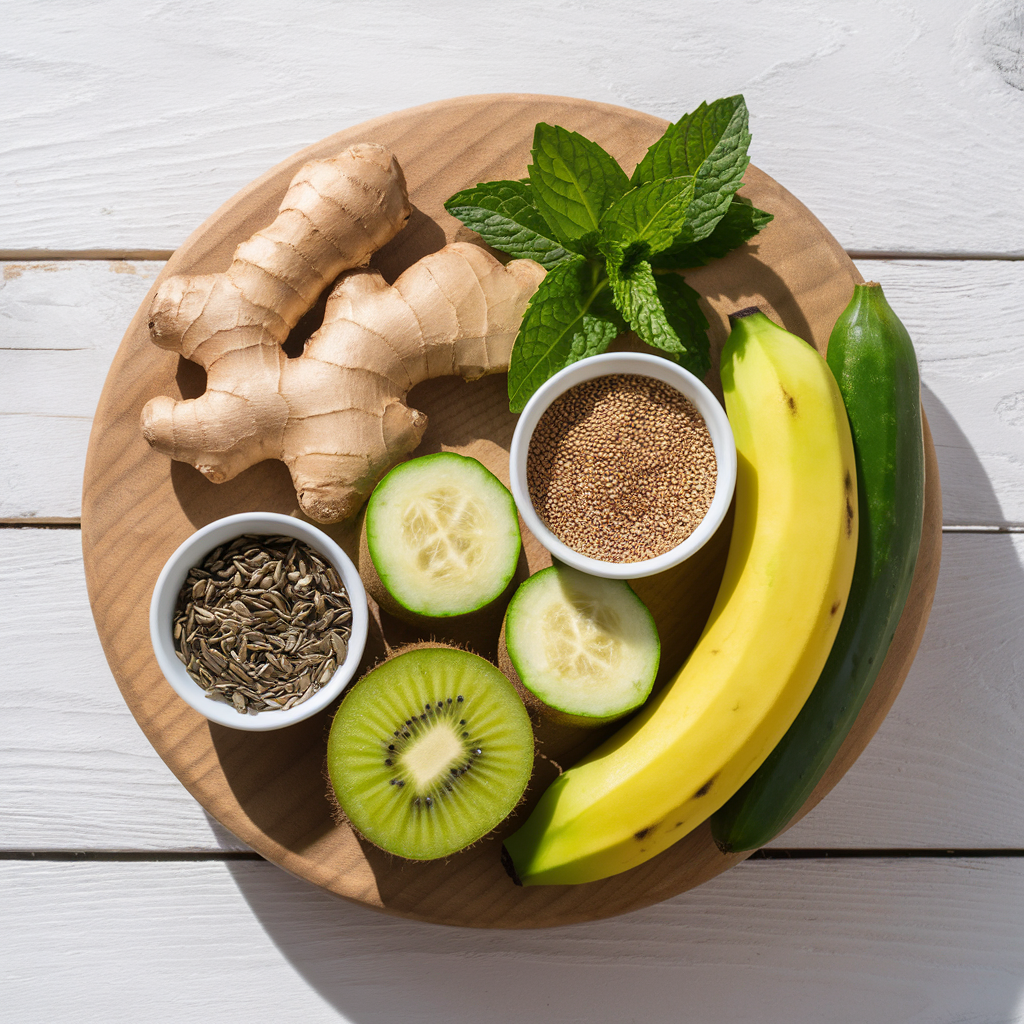
- Anti-bloating foods: Ginger, peppermint, fennel, cucumber, banana, kiwi
- Cooking techniques: Soaking beans before cooking, steaming vegetables instead of raw consumption
- Portion control: Smaller, more frequent meals instead of large portions
- Hydration: Adequate water intake (2-3 liters daily) supports digestion and prevents constipation
Supplements and Natural Remedies
1. Digestive Enzymes
These supplements assist with breaking down specific nutrients:
- Lactase: Helps digest lactose in dairy products
- Alpha-galactosidase: Aids in breaking down complex carbohydrates in beans and vegetables
- Broad-spectrum digestive enzymes: Support overall digestion
2. Probiotics
Research in the American Journal of Gastroenterology shows specific probiotic strains can help reduce bloating:
- Bifidobacterium lactis: Improves transit time and reduces gas
- Lactobacillus plantarum: Helps manage IBS-related bloating
- Saccharomyces boulardii: Beneficial for various digestive issues
3. Herbal Remedies
Several herbs have carminative (anti-gas) properties:
- Peppermint oil: Relaxes intestinal muscles and improves bile flow
- Ginger: Accelerates gastric emptying and reduces inflammation
- Chamomile: Soothes digestive discomfort and reduces spasms
- Fennel seeds: Traditionally used to reduce gas and bloating
Lifestyle Interventions
1. Physical Activity
Exercise promotes healthy digestion and gas clearance:
- Walk for 10-15 minutes after meals
- Practice yoga poses that target digestion (like Wind-Relieving Pose, Cat-Cow, and Seated Twist)
- Maintain regular moderate exercise (150 minutes weekly)
2. Stress Management
The gut-brain connection makes stress reduction essential for bloating management:
- Deep breathing exercises activate the parasympathetic nervous system
- Meditation practice (even 10 minutes daily) reduces visceral sensitivity
- Progressive muscle relaxation helps reduce abdominal tension
- Cognitive-behavioral therapy shows effectiveness for gut-directed anxiety
3. Sleep Optimization
Poor sleep quality correlates with increased digestive symptoms:
- Maintain consistent sleep-wake times
- Aim for 7-9 hours of quality sleep
- Avoid large meals within 3 hours of bedtime
- Create a relaxing pre-sleep routine
When to See a Doctor About Bloating
While occasional bloating is normal, certain situations warrant medical attention:
Warning Signs
Consult a healthcare provider if bloating:
- Persists for more than two weeks
- Is accompanied by weight loss, blood in stool, or severe pain
- Causes significant interference with daily activities
- Develops suddenly and severely
- Occurs with fever, vomiting, or chest pain
Diagnostic Approaches
Medical professionals may use several methods to investigate chronic bloating:
- Food and symptom journaling: Identifies patterns and triggers
- Breath tests: Detect carbohydrate malabsorption or bacterial overgrowth
- Blood tests: Screen for celiac disease, inflammation, or thyroid issues
- Endoscopy/colonoscopy: Visualize the digestive tract
- Abdominal imaging: Rule out structural problems
Long-Term Management of Bloating
Managing bloating effectively often requires a personalized, multifaceted approach:
1. Develop a Personal “Trigger Map”
Keep a detailed journal to identify your unique bloating triggers:
- Record foods, portions, timing, and symptom intensity
- Note stress levels, sleep quality, and menstrual cycle
- Track medications and supplements
- Observe patterns over at least two weeks
2. Build a Toolkit of Solutions
Create a personalized anti-bloating strategy with multiple approaches:
- Dietary modifications tailored to your triggers
- Quick-relief techniques for acute episodes
- Preventive practices for high-risk situations
- Stress management techniques that work for you
3. Practice Patience and Consistency
Digestive health improvements take time:
- Allow 2-3 weeks to observe effects of dietary changes
- Be consistent with lifestyle modifications
- Adjust strategies based on results
- Celebrate small improvements
Conclusion: Taking Control of Bloating
Bloating, while common and frustrating, is rarely dangerous and often manageable. By understanding your personal triggers and implementing targeted strategies, you can significantly reduce bloating episodes and severity.
Remember that digestive health is highly individualized—what works for someone else may not work for you. The key is systematic experimentation combined with patience and consistency. If bloating persists despite your best efforts, don’t hesitate to seek medical guidance, as persistent bloating sometimes signals underlying conditions requiring specific treatment.
With the right approach, most people can find significant relief from bloating and enjoy greater digestive comfort and confidence in daily life.