

Are you feeling tired, experiencing headaches, or noticing dry skin? These could be signs that your body is craving more water. While we often prioritize nutrition and exercise in our wellness routines, hydration remains a fundamental pillar of good health that’s frequently overlooked.
Water makes up approximately 60% of the adult human body, acting as the foundation for nearly every bodily function. From regulating body temperature to aiding digestion and supporting cognitive performance, proper hydration is essential for optimal health and wellbeing.
In this comprehensive guide, we’ll explore the telltale signs of inadequate water intake, explain why staying hydrated matters, and share practical tips to maintain proper fluid balance throughout your day.
Why Hydration Matters
Before diving into dehydration symptoms, it’s important to understand why adequate water intake is crucial:
- Cellular function: Water is essential for cell survival and proper function
- Nutrient transport: Helps deliver vitamins, minerals, and other nutrients throughout your body
- Toxin removal: Assists kidneys in filtering waste products
- Joint lubrication: Keeps joints cushioned and moving smoothly
- Temperature regulation: Enables perspiration to cool the body
- Cognitive performance: Supports brain function and mental clarity
The recommended daily water intake varies by individual factors including age, sex, activity level, and climate. While the popular “8×8 rule” (eight 8-ounce glasses daily) provides a general guideline, your personal hydration needs may differ.
Common Signs of Dehydration

1. Persistent Thirst and Dry Mouth
Thirst is your body’s built-in hydration alarm system. When your fluid levels drop below optimal levels, specialized neurons in your hypothalamus trigger thirst sensations. While occasional thirst is normal, persistent thirst accompanied by a dry or sticky mouth indicates your body has already entered a state of mild dehydration.
2. Dark Urine Color
One of the most reliable indicators of hydration status is urine color. Well-hydrated individuals typically produce pale yellow or straw-colored urine. When dehydrated, your kidneys conserve water, resulting in more concentrated urine that appears amber or honey-colored. Very dark yellow or brownish urine warrants immediate attention and increased fluid intake.
3. Reduced Urination Frequency
Healthy adults typically urinate 4-7 times daily. If you’re visiting the bathroom less frequently or notice reduced urine volume, this could indicate insufficient fluid intake. Your kidneys are likely working to retain more water, resulting in less frequent urination.
4. Fatigue and Low Energy
Feeling unusually tired or lethargic despite adequate sleep? Dehydration might be the culprit. When your body lacks proper fluid balance, blood volume decreases, forcing your heart to work harder to pump oxygen and nutrients to cells. This increased cardiovascular effort can manifest as fatigue and reduced energy levels.
5. Headaches and Dizziness

Dehydration-induced headaches typically present as dull, throbbing pain, often felt across the forehead or at the back of the head. This occurs as blood vessels in your brain temporarily constrict due to fluid loss. Dizziness or lightheadedness, especially when standing up quickly, may also signal inadequate hydration as reduced blood volume affects blood pressure regulation.
6. Dry Skin and Reduced Elasticity
While many factors influence skin appearance, chronic dehydration can manifest as dry, flaky skin with diminished elasticity. A simple test: gently pinch the skin on the back of your hand, then release. If it takes longer than normal to return to its original position (a condition called “tenting”), you may be experiencing reduced skin turgor from dehydration.
7. Muscle Cramps and Joint Pain
Proper hydration helps maintain electrolyte balance crucial for muscle function. Dehydration can disrupt this balance, increasing the likelihood of painful muscle cramps, particularly during or after physical activity. Additionally, water acts as a natural lubricant for joints, and insufficient intake may contribute to joint discomfort or stiffness.
8. Increased Hunger and Sugar Cravings
The hypothalamus regulates both thirst and hunger, and sometimes these signals get crossed. What feels like hunger pangs might actually be your body requesting water. Particular cravings for sweets or salty foods often accompany dehydration as your body seeks to balance electrolytes and energy levels.
9. Cognitive Impairment
Even mild dehydration can impact brain performance. Research indicates that fluid losses of just 1-2% of body weight can impair concentration, short-term memory, alertness, and reasoning ability. You might notice increased difficulty focusing, slower reaction times, or general mental fogginess.
10. Bad Breath and Dry Lips
Saliva has natural antibacterial properties that help neutralize odor-causing bacteria. When dehydrated, your body produces less saliva, potentially resulting in unpleasant breath odor. Similarly, chronically dry or chapped lips often indicate that your body requires more fluids.
Risk Factors for Dehydration
Certain factors increase dehydration risk, requiring extra vigilance:
- Hot or humid environments: Increased sweating accelerates fluid loss
- Intense physical activity: Athletes can lose 6-10% of body weight through sweat
- High altitude: The body loses more water through respiration at higher elevations
- Illness with fever, vomiting, or diarrhea: Rapid fluid losses require increased intake
- Certain medications: Diuretics, some blood pressure medications, and antihistamines can increase urination
- Alcohol consumption: Reduces antidiuretic hormone production, increasing urination
- Advanced age: Thirst sensation often diminishes with age, while kidney function changes
- Pregnancy or breastfeeding: Increased fluid needs to support fetal development or milk production
How to Improve Your Hydration Habits
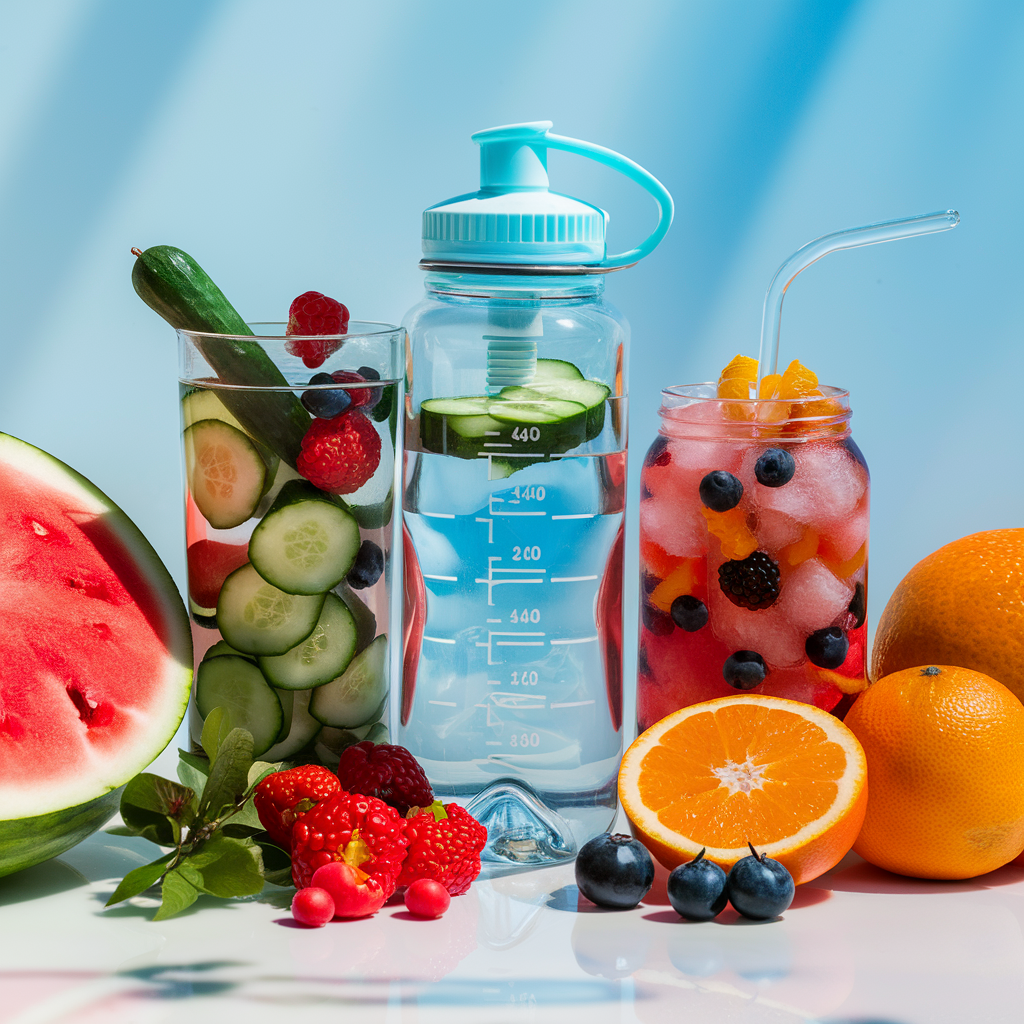
If you’ve identified with several dehydration symptoms, it’s time to enhance your hydration routine. Here are practical strategies to ensure adequate fluid intake:
Track Your Water Consumption
- Use a marked water bottle to monitor daily intake
- Try hydration tracking apps that send reminders throughout the day
- Note the timing of fluid consumption to distribute intake evenly
Enhance Water Palatability
- Infuse water with fresh fruits, vegetables, or herbs (cucumber, berries, mint)
- Try sparkling water as an alternative to still water
- Experiment with different water temperatures (some prefer room temperature, others cold)
Establish Hydration Routines
- Begin each day with 16-20 ounces of water
- Drink a glass before and during each meal
- Carry a reusable water bottle wherever you go
- Set hydration alarms on your phone or smartwatch
Increase Water-Rich Foods
Beyond beverages, many foods contribute significantly to hydration:
- Cucumbers (96% water)
- Celery (95% water)
- Watermelon (92% water)
- Strawberries (91% water)
- Cantaloupe (90% water)
- Peaches (89% water)
- Oranges (87% water)
- Plain yogurt (85% water)
Consider Your Exercise Needs
For workouts under an hour at moderate intensity, water typically suffices. For longer or high-intensity sessions, especially in hot conditions, electrolyte-containing sports drinks may be beneficial to replace minerals lost through sweat.
Recognize Special Circumstances
Increase fluid intake during:
- Hot weather
- Travel, especially air travel
- Illness with fever, vomiting, or diarrhea
- Pregnancy or breastfeeding
- Higher altitude visits
When to Seek Medical Attention
While mild dehydration can be addressed through increased fluid intake, severe dehydration requires immediate medical intervention. Seek emergency care if you experience:
- Extreme thirst
- Confusion or disorientation
- No urination for 8+ hours
- Dizziness that prevents standing
- Rapid heartbeat or breathing
- Sunken eyes or extremely dry skin/mouth
- Fainting
- Seizures
Final Thoughts
Proper hydration remains one of the simplest yet most effective ways to support overall health. By recognizing the subtle signs of insufficient water intake and implementing consistent hydration habits, you can enhance energy levels, cognitive function, physical performance, and general wellbeing.
Rather than viewing hydration as an occasional concern, consider it a fundamental component of your daily health routine. Your body continuously uses and loses water through breathing, digestion, and perspiration—making regular replenishment essential for optimal function.
Listen to your body’s signals, monitor your hydration status through urine color and energy levels, and make water consumption a priority in your wellness journey.