

Discovering green stool in the toilet bowl can be quite alarming, but before you panic, it’s important to understand that green poop is often completely harmless and temporary. The color of your stool is primarily determined by what you eat, how quickly food moves through your digestive system, and the amount of bile present during digestion. While green stool can sometimes indicate underlying health issues, most cases are simply the result of dietary choices or temporary digestive changes. This comprehensive guide will explore all the possible causes of green stool, help you determine when it’s normal versus concerning, and provide clear guidance on when to seek medical attention.
What Causes Green Poop? Understanding the Basics
Green stool occurs when your digestive system processes food differently than usual or when certain substances pass through your intestines. The most common reasons include consuming green-colored foods, rapid intestinal transit that doesn’t allow bile to fully break down, or taking specific medications and supplements.
Understanding the difference between normal and concerning green stool is crucial. Normal green stool typically occurs after eating green foods, is temporary, and isn’t accompanied by other symptoms. Concerning green stool, however, persists for several days, occurs alongside fever, severe pain, or blood, and may indicate an underlying digestive issue or infection.
Dietary Causes of Green Stool
Green Foods and Vegetables
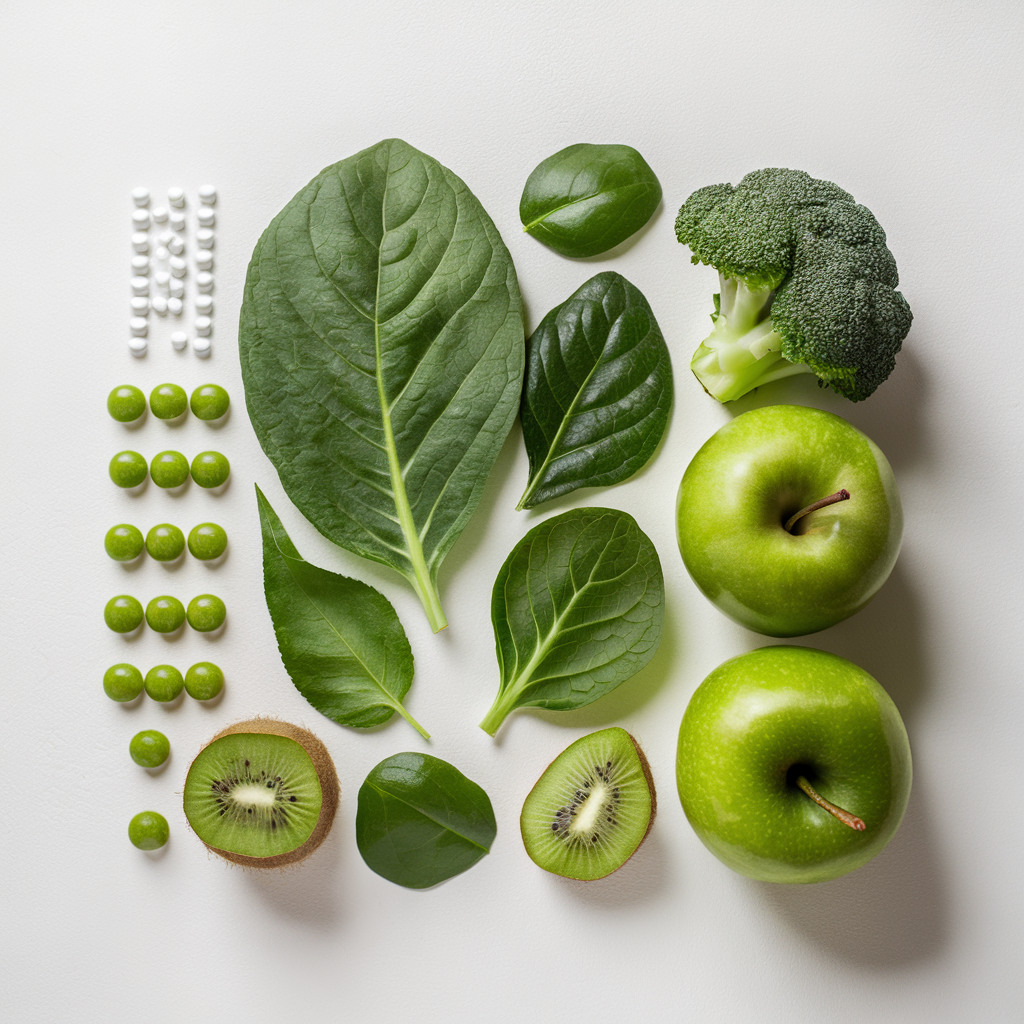
The most straightforward explanation for green stool is consuming green-colored foods. Leafy greens like spinach, kale, arugula, and lettuce contain high levels of chlorophyll, which can tint your stool green. Similarly, green vegetables such as broccoli, asparagus, green beans, peas, and Brussels sprouts can cause temporary green coloration.
Green fruits like green apples, kiwi, grapes, and avocados can also contribute to green stool. The intensity of the green color often correlates with the amount consumed and how quickly the food moves through your digestive system.
Food Coloring and Artificial Dyes
Artificial food coloring is another common culprit behind green stool. Green food dye found in candies, frosting, beverages, and processed foods can pass through your system largely unchanged, resulting in green-colored waste. Interestingly, blue food coloring can also create green stool when it mixes with the natural yellow-green bile in your intestines.
Common products that may cause green stool include sports drinks, certain sodas, flavored ice pops, artificially colored cereals, and birthday cake with green frosting.
Iron Supplements and Fortified Foods
Iron supplements are notorious for changing stool color, often making it dark green or black. This occurs because your body doesn’t absorb all the iron you consume, and the excess gets eliminated through your stool. Iron-fortified cereals, breads, and other fortified foods can have similar effects, though usually to a lesser degree than supplements.
Medical and Medication-Related Causes
Medications That Cause Green Stool
Several medications can alter stool color, with antibiotics being among the most common. Antibiotics disrupt the natural balance of bacteria in your gut, which can affect digestion and bile processing, potentially resulting in green stool. This effect is usually temporary and resolves once you complete your antibiotic course.
Iron supplements deserve special mention as they’re particularly likely to cause green or black stool. Other medications that may cause color changes include certain pain relievers, birth control pills, and some prescription medications containing bismuth.
Digestive Issues
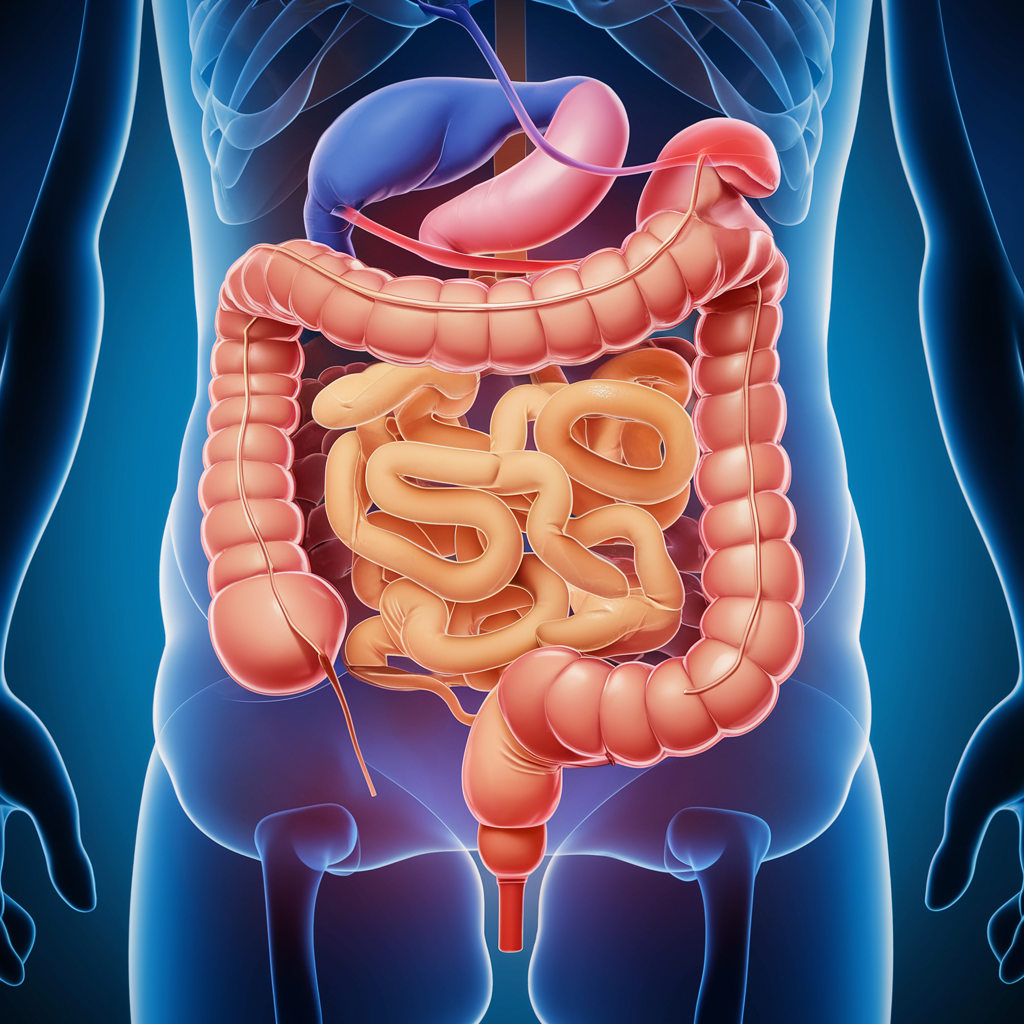
When food moves through your intestines too quickly, there isn’t enough time for bile to break down completely. Bile naturally has a greenish color, and when it doesn’t have sufficient time to change to its typical brown color, your stool remains green. This rapid transit can occur due to stress, dietary changes, or digestive upset.
Diarrhea often results in green stool for this exact reason. The quick movement through the intestinal tract doesn’t allow for normal bile processing, leading to the characteristic green coloration.
Infections and Illnesses
Bacterial infections such as Salmonella, E. coli, and Clostridium difficile can cause green stool, often accompanied by other symptoms like fever, cramping, and diarrhea. These infections typically require medical treatment and should be evaluated by a healthcare provider.
Parasitic infections, particularly Giardia, can also result in green, frothy stool with a distinctive foul odor. Viral gastroenteritis (stomach flu) may cause temporary green stool due to rapid intestinal transit and inflammation.
Other Possible Causes
Stress and Anxiety
The gut-brain connection is powerful, and stress or anxiety can significantly impact your digestive system. High stress levels can accelerate intestinal transit time, reduce stomach acid production, and alter the gut microbiome, all of which can contribute to green stool.
Chronic stress may also affect bile production and processing, leading to changes in stool color and consistency.
Gallbladder and Liver Issues
The gallbladder stores bile produced by the liver, and problems with either organ can affect bile flow and processing. Conditions like gallstones, cholecystitis, or liver disease can sometimes cause green stool, though this is usually accompanied by other symptoms like abdominal pain, nausea, or jaundice.
Inflammatory Bowel Conditions
Chronic inflammatory conditions like Crohn’s disease and ulcerative colitis can cause green stool during flare-ups. These conditions involve inflammation of the intestinal lining, which can affect digestion and bile processing.
Irritable Bowel Syndrome (IBS) may also occasionally cause green stool, particularly during episodes of diarrhea or when dietary triggers are consumed.
When Green Poop Is Normal vs. When to Worry
Normal Scenarios
Green stool is typically normal and harmless when it occurs after eating green foods, taking iron supplements, or consuming foods with artificial coloring. If the green stool appears once or twice and you can identify a dietary cause, there’s usually no reason for concern.
Temporary green stool following antibiotic use is also generally normal, as your gut bacteria rebalance themselves over time.
Warning Signs That Require Medical Attention
Seek medical attention if green stool persists for more than a few days without an obvious dietary cause. Additionally, green stool accompanied by fever, severe abdominal pain, blood in the stool, persistent diarrhea, or signs of dehydration warrants immediate medical evaluation.
In infants and young children, green stool should be evaluated more quickly, especially if accompanied by other symptoms or changes in eating patterns.
When to See a Doctor
Immediate Medical Attention Needed
Seek emergency medical care if you experience green stool along with severe abdominal pain, high fever (over 101.3°F), signs of severe dehydration, blood in the stool, or persistent vomiting. These symptoms may indicate a serious infection or other medical emergency.
Schedule a Regular Appointment
Make an appointment with your healthcare provider if green stool persists for more than three days, if you notice gradual changes in your bowel habits, or if you have mild but persistent accompanying symptoms like cramping or bloating.
During your appointment, be prepared to discuss your recent diet, medications, supplements, and any other symptoms you’ve experienced. Your doctor may order stool tests, blood work, or other diagnostic procedures to determine the underlying cause.

How to Prevent Green Stool
Dietary Modifications
To prevent diet-related green stool, consider moderating your intake of green foods and artificial food coloring. While these foods are generally healthy, consuming large quantities in a short period can lead to temporary green stool.
Maintaining a balanced diet with adequate fiber and staying hydrated can help ensure normal digestive function and regular bowel movements.
Medication Management
If you’re taking iron supplements and experiencing green stool, speak with your healthcare provider about adjusting the dosage or trying a different formulation. Taking iron supplements with food or vitamin C can improve absorption and potentially reduce stool color changes.
Digestive Health Tips
Supporting overall digestive health can help prevent various bowel movement changes, including green stool. Consider incorporating probiotics into your diet through yogurt, kefir, or supplements to maintain healthy gut bacteria.
Managing stress through exercise, meditation, or other relaxation techniques can also support normal digestive function and reduce stress-related bowel changes.
Frequently Asked Questions
Is green poop ever normal? Yes, green poop is often completely normal, especially after eating green foods or taking certain supplements. It becomes concerning only when persistent or accompanied by other symptoms.
How long should I wait before seeing a doctor? If you can identify a dietary cause and have no other symptoms, you can wait 2-3 days. However, seek medical attention sooner if you experience pain, fever, or other concerning symptoms.
Can certain drinks cause green stool? Yes, drinks with green food coloring, such as sports drinks, certain sodas, or artificially colored beverages, can cause temporary green stool.
Is green poop dangerous for children? Green poop in children isn’t inherently dangerous but should be evaluated more quickly than in adults, especially if accompanied by other symptoms or changes in behavior.
What tests might a doctor order? Your doctor may order stool cultures, blood tests, or imaging studies depending on your symptoms and medical history.
Conclusion
Green stool, while initially alarming, is often a harmless result of dietary choices or temporary digestive changes. Most cases resolve on their own within a few days and don’t require medical intervention. However, it’s important to pay attention to accompanying symptoms and the duration of the color change.
Remember that persistent green stool, especially when accompanied by fever, pain, or other concerning symptoms, should be evaluated by a healthcare provider. When in doubt, it’s always better to consult with a medical professional who can provide personalized advice based on your specific situation.
By understanding the various causes of green stool and monitoring your symptoms carefully, you can make informed decisions about when to seek medical attention and when to simply wait for the color to return to normal.