

Have you ever wondered exactly how long it takes for that glass of water you just drank to make its way through your system? This common curiosity about our body’s water processing is more than just idle wondering—understanding this timeline can provide valuable insights into your hydration status and overall health. For most healthy adults, the journey from drinking water to feeling the urge to urinate typically takes between 15 to 45 minutes, though several fascinating factors influence this timeline. Let’s explore the science behind your body’s remarkable water processing system and discover what affects this natural biological process.
The Basic Timeline: What to Expect
When you drink water, your body begins an intricate process that transforms liquid into urine with remarkable efficiency. For the average healthy adult, the initial urge to urinate typically occurs within 15 to 45 minutes after consuming water, with peak urination patterns often happening 30 to 60 minutes later.

This timeline represents the normal range, and individual variations are completely natural and expected. Some people may feel the urge sooner, while others might take longer—both scenarios can be perfectly healthy depending on various personal factors.
The Body’s Water Processing Journey
Understanding what happens inside your body helps explain these timeframes. Once you swallow water, it doesn’t immediately become urine. The process involves several sophisticated steps:
- Stomach absorption: Water begins absorbing through your stomach lining within minutes
- Intestinal processing: The majority of water absorption occurs in your small intestine
- Bloodstream transport: Absorbed water enters your bloodstream and circulates throughout your body
- Kidney filtration: Your kidneys filter excess water and waste products to create urine
- Bladder storage: Urine collects in your bladder until it signals the need for elimination
Key Factors That Influence Urination Timing
Several interconnected factors determine how quickly you’ll need to urinate after drinking water. Understanding these variables helps explain why your personal timeline might differ from others or even vary from day to day.
Bladder-Related Factors
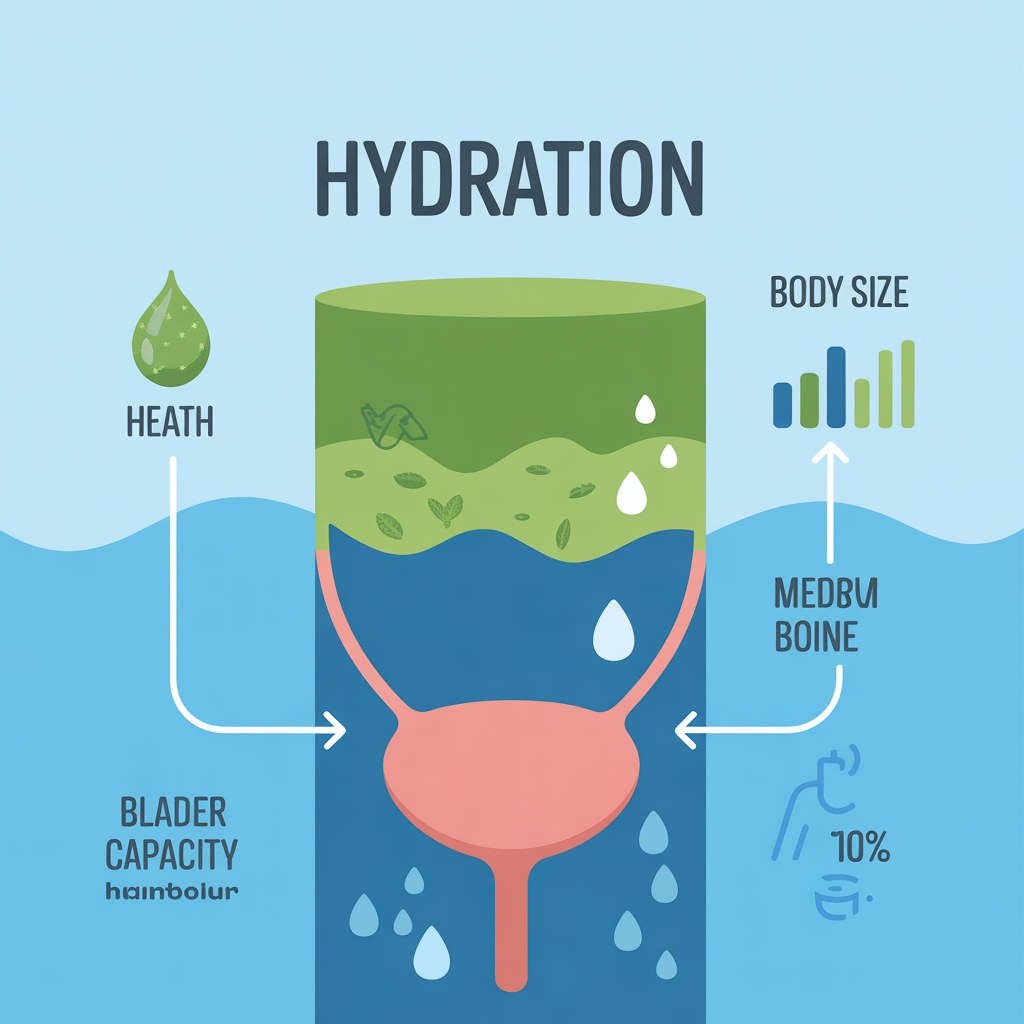
Your bladder plays a central role in determining urination timing. The average adult bladder can hold between 300 to 500 milliliters of urine, though this capacity varies significantly between individuals.
Current bladder fullness before drinking water significantly impacts timing. If your bladder is already partially full when you drink water, you’ll likely feel the urge to urinate much sooner than if starting with an empty bladder.
Bladder sensitivity also varies among people. Some individuals have more sensitive bladders that signal the need to urinate when only partially full, while others can comfortably wait until their bladder reaches near-maximum capacity.
Age-related changes affect bladder function over time. As we age, bladder capacity may decrease, and the muscles controlling urination can become less efficient, potentially altering typical timelines.
Hydration Status
Your current hydration level dramatically influences how your body processes newly consumed water. When you’re dehydrated, your body prioritizes retaining water to restore proper fluid balance, potentially slowing the urination timeline.
Conversely, when you’re well-hydrated, your body can more readily process and eliminate excess water, often resulting in a quicker urination timeline. Your kidneys and hormonal systems work together to maintain optimal fluid balance, adjusting processing speed accordingly.
Amount and Type of Fluid Consumed
The volume of water you drink directly correlates with timing. Larger quantities of water will naturally lead to quicker bladder filling and earlier urination urges. However, drinking very large amounts rapidly can sometimes delay absorption as your digestive system processes the volume.
Water temperature can also play a role. Some research suggests that cold water might be absorbed slightly faster than room-temperature water, though the difference is generally minimal for most people.
Different beverages affect timing differently. Plain water provides the most straightforward processing timeline, while beverages containing caffeine or alcohol act as diuretics, potentially accelerating the urination timeline by increasing urine production.
Individual Body Differences
Personal physiological characteristics create significant variations in water processing speed. Body size and weight influence how water distributes throughout your system, with larger individuals typically having more body water and potentially different processing timelines.
Kidney function efficiency varies between individuals and can significantly impact urination timing. Some people naturally have more efficient kidney filtration systems, leading to quicker urine production.
Metabolism rate affects how quickly your body processes fluids. People with faster metabolisms may experience quicker water processing and earlier urination urges.
Hormonal influences, particularly antidiuretic hormone (ADH), regulate water retention and can vary based on factors like stress levels, sleep patterns, and overall health status.
External and Lifestyle Factors
Physical activity levels significantly impact urination timing. During exercise, your body redirects water for cooling through perspiration, potentially delaying urination. However, increased circulation during activity can also speed up kidney filtration.
Environmental temperature affects your body’s water needs. In hot conditions, more water may be retained for cooling purposes, while in cooler environments, you might urinate sooner after drinking.
Stress and anxiety can influence urination patterns through various mechanisms, including hormonal changes and altered bladder sensitivity. Some people report needing to urinate more frequently when anxious, while others may experience the opposite effect.
Special Circumstances and Variations
Age-Related Differences
Children typically have smaller bladder capacities and faster metabolisms, often resulting in shorter timeframes between drinking and urinating. Their kidneys are also highly efficient, contributing to quicker processing times.
Elderly individuals may experience longer processing times due to age-related changes in kidney function, reduced bladder capacity, or medications that affect urination patterns.
Pregnancy creates unique circumstances where hormonal changes and physical pressure on the bladder can significantly alter typical urination timelines, often resulting in more frequent urination needs.
Medical Conditions Impact
Certain medical conditions can dramatically affect urination timing. Diabetes, particularly when blood sugar levels are elevated, can lead to increased urine production and more frequent urination needs.
Kidney disease or dysfunction can slow the filtration process, potentially extending the time between drinking water and urination. However, this varies significantly depending on the specific condition and its severity.
Overactive bladder syndrome causes increased bladder sensitivity, often resulting in more frequent and urgent urination needs, sometimes occurring very quickly after fluid intake.
Urinary tract infections can alter normal urination patterns, often creating more frequent urges to urinate with smaller volumes.

Medication Effects
Various medications can influence urination timing. Diuretic medications specifically designed to increase urine production will naturally accelerate the timeline from drinking to urinating.
Some blood pressure medications can affect kidney function and fluid processing, potentially altering typical urination patterns.
Certain antidepressants and antihistamines may have side effects that impact bladder function or water retention, influencing urination timing.
When to Be Concerned
Normal vs. Abnormal Patterns
Understanding what constitutes normal variation helps identify when something might require attention. The 15-45 minute range represents typical timing, but variations outside this range aren’t automatically concerning if they’re consistent with your personal pattern.
Normal variations can be influenced by all the factors we’ve discussed—hydration status, activity level, environmental conditions, and individual physiology. What matters most is consistency with your own typical patterns.
Red Flags to Watch For
Certain symptoms warrant medical attention. If you consistently cannot urinate within 2-3 hours after drinking normal amounts of water, this could indicate a medical issue requiring evaluation.
Inability to urinate despite adequate fluid intake, especially when accompanied by abdominal pain or discomfort, requires immediate medical attention.
Pain, burning, or unusual discomfort during urination, regardless of timing, should be evaluated by a healthcare professional.
Dramatic, sudden changes in your usual urination patterns—whether timing, frequency, or volume—may indicate underlying health issues worth investigating.
When to Consult Healthcare Providers
Persistent unusual patterns that deviate significantly from your normal experience warrant professional evaluation. This is especially true if changes occur alongside other symptoms like excessive thirst, unexplained fatigue, or changes in urine color or smell.
If urination patterns begin impacting your daily life—causing anxiety, affecting sleep, or requiring frequent bathroom visits that disrupt normal activities—consulting a healthcare provider can help identify solutions.
Tips for Healthy Hydration and Urination
Optimal Hydration Practices
Maintaining healthy hydration involves more than just drinking water when thirsty. The general recommendation for daily fluid intake is approximately 15.5 cups (3.7 liters) for men and 11.5 cups (2.7 liters) for women, including all beverages and food sources.
Spacing fluid consumption throughout the day rather than drinking large amounts at once promotes better hydration and more comfortable urination patterns. This approach helps prevent overwhelming your system while maintaining steady hydration levels.
Learning to listen to your body’s signals—thirst, urine color, and urination frequency—provides valuable feedback about your hydration status and helps optimize your fluid intake timing.
Supporting Healthy Urination
Avoiding holding urine for extended periods helps maintain healthy bladder function and reduces the risk of urinary tract infections. When you feel the urge to urinate, responding promptly supports optimal bladder health.
Proper bathroom posture and taking adequate time for complete bladder emptying contribute to healthy urination patterns and reduce the risk of complications.
Maintaining good overall bladder health through proper hygiene, adequate hydration, and promptly addressing any unusual symptoms supports optimal urination timing and function.
Frequently Asked Questions
Why do I sometimes pee immediately after drinking water?
Immediate urination after drinking often occurs when your bladder was already nearly full before consuming additional fluid. The added volume quickly reaches your bladder’s capacity threshold, triggering the urination urge. This is completely normal and doesn’t indicate any health problems.
Is it normal to not pee for hours after drinking water?
Extended periods without urination after drinking water can be normal in certain circumstances, such as when you’re dehydrated and your body retains water for rehydration, or during periods of high physical activity when water is lost through perspiration. However, consistently being unable to urinate within 2-3 hours after normal water intake warrants medical evaluation.
Does urine color indicate proper hydration timing?
Urine color provides valuable information about hydration status. Pale yellow typically indicates proper hydration, while darker yellow suggests dehydration. However, urine color reflects overall hydration status rather than the timing of recent water intake, as it represents the concentration of waste products filtered by your kidneys.
How does exercise affect the urination timeline?
Exercise influences urination timing in multiple ways. During physical activity, your body prioritizes water for cooling through perspiration, potentially delaying urination. Additionally, increased blood circulation can enhance kidney function and filtration speed. The net effect varies depending on exercise intensity, duration, and environmental conditions.
Are there differences between men and women?
While the basic physiology of water processing is similar between men and women, some differences exist. Women typically have smaller bladder capacities and shorter urethras, which might influence urination frequency and urgency. Hormonal differences, particularly during menstrual cycles or pregnancy, can also affect urination patterns. However, the fundamental 15-45 minute timeline applies to both men and women under normal circumstances.
Conclusion
The journey from drinking water to urination typically takes 15 to 45 minutes for healthy adults, though this timeline can vary significantly based on numerous individual and environmental factors. Your bladder capacity, current hydration status, the amount of water consumed, individual body differences, and lifestyle factors all play crucial roles in determining your personal urination timeline.
Remember that individual variations are completely normal and expected. What matters most is understanding your own patterns and recognizing when significant changes occur that might warrant attention. Staying properly hydrated, listening to your body’s signals, and maintaining healthy urination habits support optimal bladder function and overall health.
While the information provided here offers general guidance about normal urination patterns, it’s important to consult with a qualified healthcare professional if you experience persistent changes in urination timing, frequency, or any accompanying symptoms. Your healthcare provider can offer personalized advice based on your individual health status and medical history.
Understanding your body’s water processing system helps you make informed decisions about hydration and recognize when everything is functioning normally. Trust your body’s natural processes while staying attentive to any significant changes that might indicate the need for professional medical guidance.