

Stool color can tell us a lot about our digestive health. While brown is the typical and healthy color for bowel movements, variations like yellow poop may indicate anything from minor dietary changes to underlying health conditions. Understanding what causes yellow stool and recognizing when it might signal a problem can help you maintain optimal digestive health. This comprehensive guide explores the various reasons behind yellow bowel movements, when you should consult a healthcare professional, and how to address potential concerns.
Understanding Normal Stool Color
Before discussing yellow stool, it’s important to understand what determines normal stool color. Healthy bowel movements typically range from medium to dark brown. This brown coloration comes primarily from bilirubin, a pigment produced when your body breaks down red blood cells. As bilirubin travels through your digestive system, it undergoes chemical changes that ultimately result in the familiar brown color of stool.
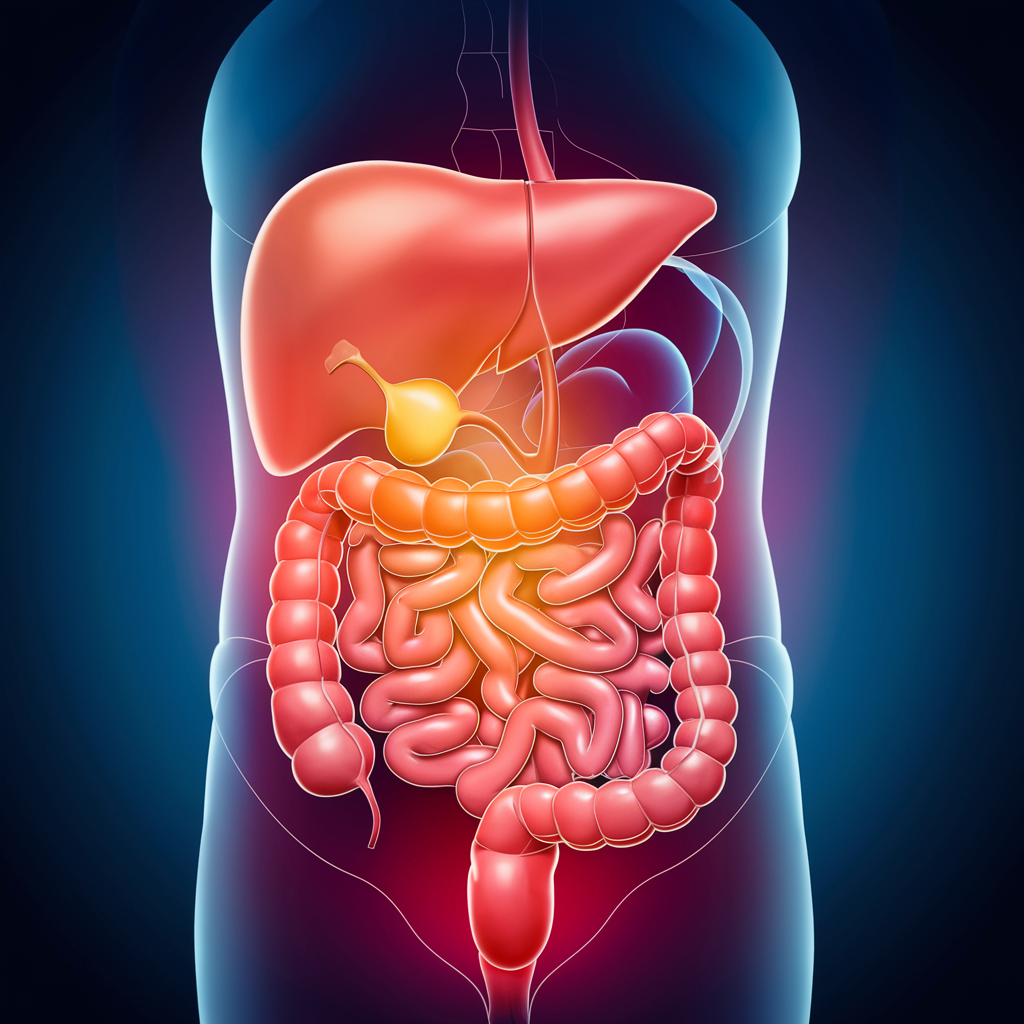
Bile, a digestive fluid produced by the liver and stored in the gallbladder, plays a crucial role in this process. Bile contains bilirubin and helps break down fats during digestion. When bile is released normally into the digestive tract, it contributes to the standard brown color of stool.
Normal, healthy stool can actually vary in shade, ranging from light to dark brown. Occasionally, temporary color changes may occur based on diet and are not necessarily cause for concern. However, persistent changes may warrant attention.
Healthcare professionals often use the Bristol Stool Chart to assess stool consistency and appearance. This medical tool categorizes stool into seven types based on shape and consistency, from separate hard lumps to entirely liquid. Ideally, healthy stool falls in the middle of this scale—smooth, sausage-shaped, and easy to pass.
Common Causes of Yellow Stool
Yellow stool can result from various factors, ranging from diet to medical conditions. Understanding these causes can help determine whether your yellow poop is a temporary, harmless occurrence or something requiring medical attention.
Dietary Factors
What you eat significantly influences stool color. Several dietary elements can lead to yellow bowel movements:
- High-fat diets: Consuming excessive amounts of fatty foods can overwhelm your digestive system’s ability to process fats properly, resulting in yellow, greasy stool.
- Yellow-colored foods: Foods with natural or artificial yellow coloring can change stool color. Examples include carrots, sweet potatoes, pumpkin, and foods containing yellow food dye.
- Turmeric and supplements: Turmeric, often used in curry dishes and some supplements, contains curcumin that can give stool a yellowish tint.
- Gluten: In some individuals, particularly those with celiac disease, gluten consumption can lead to fat malabsorption and yellow stool.
Digestive Disorders
Several digestive conditions can interfere with normal digestion and result in yellow stool:
- Celiac disease: This autoimmune disorder damages the small intestine when gluten is consumed, often causing malabsorption of fats and yellow, foul-smelling stool.
- Giardiasis: A parasitic infection caused by Giardia lamblia that can lead to yellow, greasy, foul-smelling diarrhea.
- Irritable Bowel Syndrome (IBS): Although IBS doesn’t typically cause yellow stool on its own, it can accelerate transit time through the intestines, potentially resulting in yellowish stools during flare-ups.
- Gilbert’s syndrome: A common, harmless liver condition that affects how the liver processes bilirubin, occasionally causing yellow stool.
Malabsorption Issues
Problems with nutrient absorption can lead to yellow stool:
- Pancreatic insufficiency: Insufficient pancreatic enzyme production can lead to poor fat digestion and yellow, greasy, foul-smelling stool.
- Gallbladder dysfunction: Problems with the gallbladder can reduce bile production or release, affecting fat digestion and stool color.
- Liver disorders: Conditions affecting the liver can disrupt bile production, potentially resulting in yellow stool.
- Bile acid malabsorption: When the small intestine cannot properly reabsorb bile acids, it can lead to yellowish, watery diarrhea.
Infections
Various infections can cause yellow stool:
- Intestinal infections: Bacterial, viral, or parasitic infections can interfere with normal digestion and cause yellow diarrhea.
- Small intestinal bacterial overgrowth (SIBO): An abnormal increase in bacteria in the small intestine can affect digestion and stool color.
- Viral gastroenteritis: Commonly known as stomach flu, this can accelerate intestinal transit time, potentially resulting in yellowish stool.

Yellow Stool in Different Populations
Yellow stool may have different implications depending on age and life circumstances:
Yellow Stool in Infants and Children
In babies and young children, yellow stool is often normal:
- Breastfed babies: Typically have yellow, seedy stools that may vary in shade from mustard to bright yellow.
- Formula-fed babies: Generally have more formed, darker stools, but formula changes can cause temporary yellow stools.
- Introduction of solid foods: As babies start eating solids, stool color can change based on diet.
However, parents should be concerned if yellow stool is accompanied by signs of dehydration, significant changes in feeding patterns, or irritability.
Yellow Stool During Pregnancy
Pregnancy can affect digestion in several ways:
- Hormonal changes may slow digestion, potentially affecting stool color.
- Prenatal vitamins can sometimes cause yellow stool.
- Pregnancy-related digestive issues like gallbladder problems might result in yellow bowel movements.
Yellow Stool in the Elderly
Older adults may experience yellow stool due to:
- Age-related changes in digestive enzyme production
- Medication interactions
- Higher prevalence of gallbladder and pancreatic issues
Yellow Stool After Surgery or Medication Changes
Surgical procedures, especially those involving the digestive tract, liver, or gallbladder, can temporarily or permanently affect digestion and stool color. Similarly, many medications can influence digestive processes and potentially cause yellow stool, including antibiotics, antacids, and some anti-inflammatory drugs.
When to Be Concerned About Yellow Stool
While yellow stool is often harmless and temporary, certain circumstances warrant medical attention:
Duration of Symptoms
- Temporary yellow stool: Lasting a day or two, often related to dietary changes, is typically not concerning.
- Persistent yellow stool: Lasting more than a week may indicate an underlying condition requiring investigation.
- Recurring patterns: Yellow stool that comes and goes may suggest a chronic condition like celiac disease or IBS.
Accompanying Symptoms That Indicate a Problem
Seek medical attention if yellow stool occurs alongside:
- Abdominal pain: Especially if severe or persistent
- Unexplained weight loss: May indicate malabsorption or more serious conditions
- Fatigue or weakness: Could suggest nutritional deficiencies from malabsorption
- Fever: May indicate infection
- Jaundice: Yellowing of skin or eyes suggests liver or bile duct problems
Red Flag Symptoms Requiring Immediate Attention
Seek immediate medical care if you experience:
- Blood in stool (red, black, or tarry)
- Severe, debilitating abdominal pain
- Signs of dehydration due to persistent diarrhea
- Vomiting combined with inability to keep fluids down
- Symptoms of shock (dizziness, confusion, rapid heart rate)
Changes in Stool Consistency
Pay attention to stool consistency changes that accompany yellow coloration:
- Greasy, floating stool: May indicate fat malabsorption
- Watery diarrhea: Could suggest infection or inflammation
- Clay-colored or very pale stool: May indicate bile duct obstruction, requiring prompt medical attention
Diagnostic Process for Yellow Stool
If you’re experiencing persistent yellow stool or accompanying concerning symptoms, here’s what to expect during the diagnostic process:
What to Expect at the Doctor’s Office
Your healthcare provider will likely:
- Take a detailed medical history, including recent diet changes and medication use
- Perform a physical examination, possibly including an abdominal exam
- Ask about the duration, frequency, and consistency of your bowel movements
- Inquire about other symptoms you may be experiencing
Common Tests and Procedures
Depending on your symptoms and medical history, your doctor may recommend:
- Stool sample analysis: To check for infections, parasites, fat content, or blood
- Blood tests: To assess liver function, pancreatic enzymes, celiac disease markers, and signs of inflammation
- Imaging studies: Such as ultrasound, CT scan, or MRI to examine the liver, gallbladder, pancreas, and intestines
- Endoscopic procedures: Such as colonoscopy, upper endoscopy, or ERCP (endoscopic retrograde cholangiopancreatography) to visualize the digestive tract and collect tissue samples if needed

Questions Your Doctor Might Ask
Be prepared to answer questions like:
- When did you first notice the yellow stool?
- Have you made any recent changes to your diet?
- Are you taking any new medications or supplements?
- Have you traveled recently, especially internationally?
- Do you have a family history of digestive disorders?
- How would you describe your stool consistency and frequency?
How to Track and Document Your Symptoms
To assist your healthcare provider:
- Keep a food diary noting what you eat and any symptoms that follow
- Document stool changes, including color, consistency, and frequency
- Note any additional symptoms that occur alongside bowel changes
- Consider taking photos of unusual stool (while unpleasant, this can be helpful for diagnosis)
Treatment Options
Treatment for yellow stool depends on the underlying cause:
Addressing Dietary Causes
- Elimination diets: Temporarily removing suspected trigger foods to identify sensitivities
- Reducing fat intake: If fat malabsorption is suspected
- Avoiding trigger foods: Such as gluten for those with celiac disease or specific foods identified through elimination diets
- Increasing fiber intake: To promote healthy digestion, but introduce gradually to avoid gas and bloating
Medication Options
Depending on the diagnosis, your doctor might prescribe:
- Pancreatic enzymes: For pancreatic insufficiency to aid fat digestion
- Bile acid supplements: For conditions involving bile acid deficiency
- Antibiotics: For bacterial infections or bacterial overgrowth
- Anti-parasitic medications: For conditions like giardiasis
- Anti-diarrheal medications: For symptom management in some cases
Managing Underlying Conditions
For chronic conditions:
- Celiac disease: Strict, lifelong gluten-free diet
- IBS: Combination of dietary management, stress reduction, and possibly medication
- Gallbladder disorders: Potential surgical intervention depending on severity
- Inflammatory bowel disease: Anti-inflammatory medications, immunosuppressants, or biologics as prescribed
Lifestyle Modifications to Improve Digestion
- Eating smaller, more frequent meals to ease digestion
- Staying adequately hydrated throughout the day
- Regular physical activity to promote healthy bowel function
- Stress management techniques, as stress can affect digestion
- Avoiding alcohol and tobacco, which can irritate the digestive system
Prevention and Long-term Management
Maintaining digestive health can help prevent yellow stool and associated problems:
Dietary Guidelines for Healthy Digestion
- Eat a balanced diet rich in fruits, vegetables, and whole grains
- Limit processed foods, excessive fats, and artificial additives
- Stay hydrated by drinking plenty of water throughout the day
- Introduce new foods gradually to identify potential sensitivities
- Consider probiotic foods or supplements to support gut health
Lifestyle Factors That Support Digestive Health
- Regular exercise promotes healthy bowel function
- Adequate sleep supports overall health, including digestion
- Stress management techniques like meditation or yoga can improve digestive function
- Establishing regular bathroom habits can help maintain digestive regularity
Monitoring Changes in Stool Color
- Be aware of your normal stool appearance
- Note temporary changes and possible correlations with diet or medication
- Track persistent changes and report them to your healthcare provider
Preventive Care and Regular Check-ups
- Attend regular physical examinations
- Follow recommended screening guidelines for digestive conditions
- Stay up-to-date on vaccinations that prevent certain digestive infections
- Maintain open communication with your healthcare provider about digestive concerns
Frequently Asked Questions About Yellow Stool
Is yellow poop always a sign of illness?
No, yellow stool can often result from dietary factors like consuming yellow-colored foods or high-fat meals. Temporary yellow stool is usually not cause for concern unless accompanied by other symptoms like abdominal pain, fever, or persistent diarrhea.
How quickly should stool color return to normal?
If caused by dietary factors, stool color typically returns to normal within 1-2 days after the diet changes. If yellow stool persists for more than a week, consider consulting a healthcare provider, especially if accompanied by other symptoms.
Can stress cause yellow stool?
Stress alone typically doesn’t cause yellow stool directly. However, stress can affect digestive function, potentially accelerating transit time through the intestines, which might result in yellowish stool in some cases. Stress can also exacerbate underlying conditions like IBS that might contribute to stool color changes.
Yellow stool vs. pale or clay-colored stool: What’s the difference?
Yellow stool typically has a definite yellow color and may result from various causes, including dietary factors and mild digestive issues. Pale or clay-colored stools (appearing white, gray, or very light) usually indicate a lack of bile in the stool, often due to a bile duct obstruction, and generally require prompt medical attention.
Can medications cause yellow stool?
Yes, certain medications can affect stool color, including some antibiotics, antacids containing aluminum hydroxide, and some anti-inflammatory drugs. Additionally, supplements containing vitamin A, carotenoids, or turmeric can impart a yellowish hue to stool.
Conclusion
Yellow stool can result from various factors, ranging from benign dietary changes to underlying health conditions that require medical attention. Understanding the potential causes and recognizing when to seek medical help is crucial for maintaining digestive health.
While temporary yellow stool is often harmless, persistent changes or those accompanied by concerning symptoms like abdominal pain, weight loss, or fever warrant medical evaluation. Your healthcare provider can help determine the underlying cause and recommend appropriate treatment.
Remember that maintaining a healthy diet, staying hydrated, managing stress, and engaging in regular physical activity all contribute to optimal digestive function. Pay attention to your body’s signals, including changes in stool appearance, as they can provide valuable insights into your overall health.
If you’re uncertain about changes in your stool color or have persistent digestive symptoms, don’t hesitate to consult with a healthcare professional for proper evaluation and guidance.
Resources and Further Reading
- American Gastroenterological Association: https://gastro.org
- National Institute of Diabetes and Digestive and Kidney Diseases: https://www.niddk.nih.gov
- Celiac Disease Foundation: https://celiac.org
- International Foundation for Gastrointestinal Disorders: https://aboutibs.org
- Crohn’s & Colitis Foundation: https://www.crohnscolitisfoundation.org