

Diarrhea affects nearly everyone at some point, with adults experiencing an average of 4 episodes annually according to health statistics. When loose, watery stools strike, many people prefer natural remedies over pharmaceutical options due to concerns about side effects or simply wanting to work with their body’s natural healing processes. This comprehensive guide explores evidence-based natural remedies that can provide fast relief from diarrhea, often showing results within hours to a day. While these home solutions are generally safe and effective for mild to moderate cases, it’s crucial to recognize when professional medical attention is necessary, particularly if symptoms persist beyond 72 hours or are accompanied by severe dehydration, blood in stool, or high fever.
Understanding Diarrhea: Quick Overview
Diarrhea is defined as having three or more loose or watery bowel movements within a 24-hour period. Common symptoms include abdominal cramping, bloating, urgency, and sometimes nausea or low-grade fever. The condition typically results from various triggers including foodborne pathogens, stress, dietary indiscretions, viral or bacterial infections, or sudden dietary changes.
Natural remedies work by supporting your body’s healing mechanisms rather than merely suppressing symptoms. They help restore electrolyte balance, firm up loose stools, soothe intestinal inflammation, and replenish beneficial gut bacteria. Most natural treatments begin showing effects within 2-6 hours, with significant improvement typically occurring within 24-48 hours for uncomplicated cases.
Immediate Natural Remedies That Work Within Hours
The BRAT Diet Method
The BRAT diet (Bananas, Rice, Applesauce, Toast) remains one of the most effective immediate interventions for diarrhea. These foods work because they’re bland, easy to digest, and contain natural binding properties that help firm loose stools.
- Bananas: Rich in potassium and pectin, which absorb excess water in the intestines. Eat 1-2 ripe bananas every 3-4 hours.
- White rice: Provides binding starch and is gentle on the digestive system. Cook 1/2 cup rice in 1 cup water until very soft.
- Applesauce: Contains pectin that naturally firms stool. Choose unsweetened varieties and consume 1/2 cup every 2-3 hours.
- White toast: Simple carbohydrates that are easy to digest. Avoid butter or spreads initially.

Hydration Solutions
Proper hydration is critical during diarrheal episodes to prevent dehydration and replace lost electrolytes. Natural hydration solutions can be more effective than plain water:
Coconut water serves as nature’s sports drink, containing optimal levels of potassium, sodium, and natural sugars. Drink 8-12 ounces every 2 hours during acute symptoms.
Homemade oral rehydration solution (ORS) can be prepared by mixing 1/4 teaspoon salt, 2 tablespoons sugar, and 2 cups clean water. This WHO-recommended formula helps maintain proper electrolyte balance.
Bone broth provides electrolytes, minerals, and easy-to-absorb nutrients while being gentle on the digestive system. Simmer bones for 12-24 hours to extract maximum nutrients.
Natural Binding Foods
Rice water is particularly effective for quick relief. Boil 1/2 cup white rice in 2 cups water for 15 minutes, strain the liquid, and drink the starchy water every 2-3 hours. The remaining rice can be eaten as part of the BRAT diet.
Plain crackers made from simple ingredients help absorb excess fluid in the digestive tract. Choose saltines or similar plain varieties, eating 4-6 crackers every hour initially.
Plain oatmeal provides soluble fiber that helps normalize bowel movements. Cook with water only and eat small portions (1/4 cup) every 3-4 hours.
Powerful Natural Supplements and Herbs
Probiotics for Gut Balance
Beneficial bacteria play a crucial role in digestive health and can help restore normal bowel function more quickly. The most effective strains for diarrhea include Lactobacillus rhamnosus, Lactobacillus casei, and Bifidobacterium longum.
Natural probiotic sources include plain yogurt with live cultures, kefir, and fermented foods like sauerkraut (though these should be introduced gradually). For acute diarrhea, consume 6-8 ounces of plain yogurt 2-3 times daily, ensuring it contains active cultures.
Effective Herbal Remedies
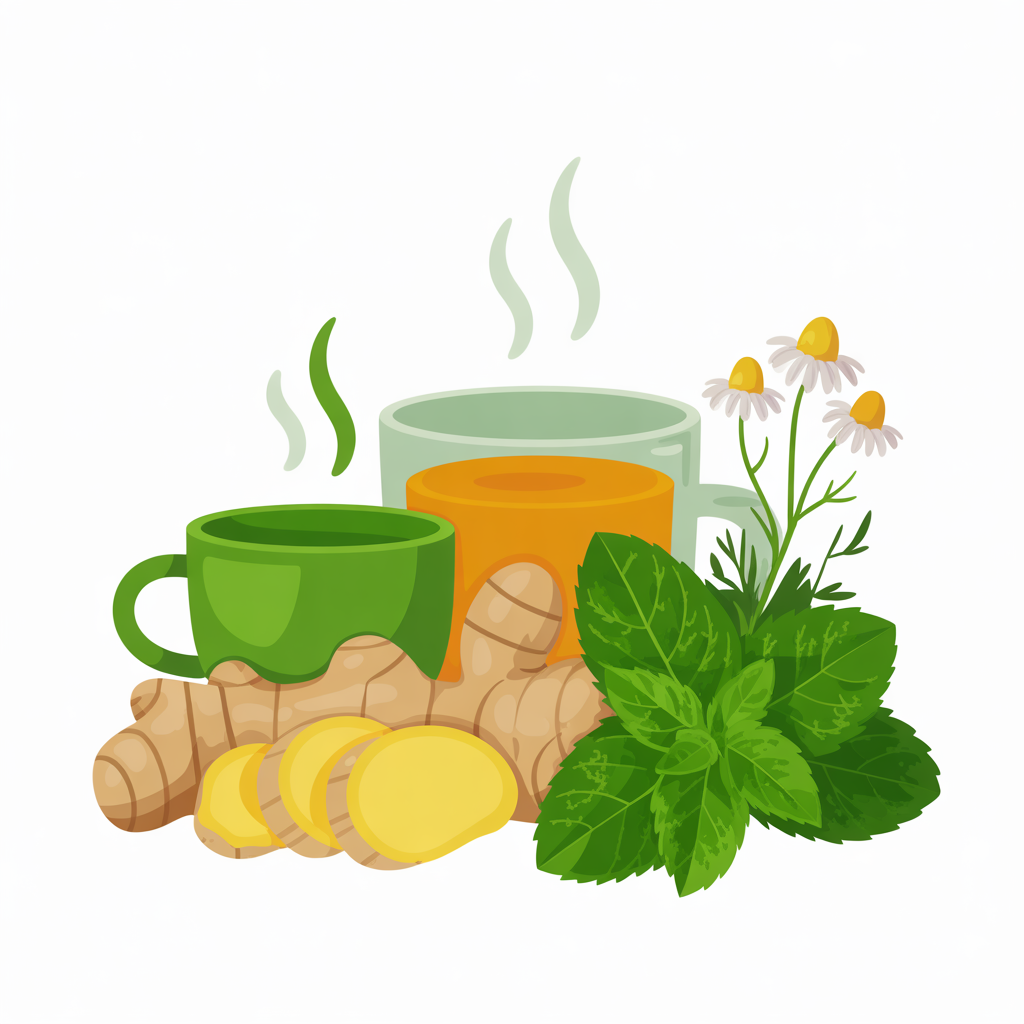
Ginger contains compounds that reduce intestinal inflammation and help normalize gut motility. Prepare fresh ginger tea by steeping 1 teaspoon grated ginger in hot water for 10 minutes. Drink 2-3 cups daily.
Peppermint tea has antispasmodic properties that can reduce cramping and soothe the digestive tract. Use 1 teaspoon dried peppermint leaves per cup of hot water, steeping for 5-7 minutes.
Chamomile tea helps reduce intestinal inflammation and promotes relaxation, which aids healing. Drink 2-3 cups daily between meals.
Blackberry leaf tea contains natural astringent compounds called tannins that help reduce intestinal inflammation. Steep 1-2 teaspoons dried leaves in hot water for 10-15 minutes.
Natural Binding Agents
Psyllium husk is a soluble fiber that absorbs excess water and helps form more solid stools. Start with 1/2 teaspoon mixed in 8 ounces water, taken 1-2 times daily. Always drink plenty of water when using psyllium.
Apple pectin is available as a supplement and works similarly to the pectin found in applesauce. Follow package directions, typically 1-2 capsules every 4-6 hours.
Activated charcoal can help absorb toxins that may be causing diarrhea, particularly in cases of food poisoning. Use only food-grade activated charcoal and follow package instructions carefully, as it can interfere with other supplements or medications.
Kitchen Remedies That Work Fast
Apple-Based Solutions
Grated raw apple (without skin) provides concentrated pectin that helps bind loose stools. Grate one medium apple and let it sit for 15 minutes to brown slightly, then eat 2-3 tablespoons every hour.
Apple cider vinegar may help restore healthy gut bacteria balance. Mix 1 tablespoon in 8 ounces water and drink 2-3 times daily. Choose organic, unfiltered varieties with “the mother.”
Starchy Solutions
Potato water provides binding starch and potassium. Boil 2-3 peeled potatoes in water for 20 minutes, strain the liquid, and drink 4-6 ounces every 2-3 hours while warm.
Plain pasta made from white flour provides simple carbohydrates that are easy to digest. Cook until very soft and eat small portions without sauce.
Tea Remedies
Black tea contains tannins that have anti-inflammatory properties and can help reduce diarrhea. Brew strong black tea, let it cool slightly, and drink 1 cup every 2-3 hours. Avoid adding milk or sugar.
Green tea provides antioxidants and has mild binding properties. Brew lightly and drink 2-3 cups daily between meals.
Foods to Eat vs. Avoid During Recovery
Foods That Help Stop Diarrhea
Focus on foods that are easy to digest and naturally binding:
- High-pectin fruits: Bananas, peeled apples, and applesauce
- Simple carbohydrates: White bread, crackers, white rice, and plain pasta
- Lean proteins: Introduce gradually after 24 hours – plain chicken breast, fish, or eggs
- Probiotic foods: Plain yogurt with live cultures, introduced after initial symptoms improve
Foods That Make Diarrhea Worse
Temporarily avoid these foods that can worsen symptoms:
- High-fiber foods: Raw vegetables, whole grains, and beans can increase bowel movements
- Dairy products: Lactose can be difficult to digest during diarrheal episodes
- Fatty and fried foods: These stimulate contractions and can worsen diarrhea
- Artificial sweeteners: Sorbitol and other sugar alcohols have laxative effects
- Caffeine and alcohol: Both can stimulate bowel movements and worsen dehydration
Gradual Reintroduction Strategy
Day 1: Stick to BRAT diet foods, clear fluids, and herbal teas
Days 2-3: Gradually add plain proteins, cooked vegetables (peeled), and additional simple carbohydrates
Days 4-5: Slowly reintroduce normal foods, starting with easily digestible options
Lifestyle Methods for Fast Relief
Rest and Recovery
Adequate rest is crucial for recovery as it allows your body to focus energy on healing. Aim for 8-10 hours of sleep and avoid strenuous activities during the acute phase.
Stress reduction is equally important since stress can worsen digestive symptoms. Practice deep breathing exercises, gentle meditation, or other relaxation techniques to support healing.
Bathroom Strategies
Proper positioning can help reduce strain and discomfort. Consider using a footstool to achieve a squatting position, which can facilitate easier bowel movements and reduce cramping.
Maintain excellent hygiene to prevent further irritation or secondary infections. Use gentle, unscented wipes or damp toilet paper, and apply a thin layer of petroleum jelly or zinc oxide cream to prevent skin irritation.
When Natural Remedies Work Best
Natural treatments are most effective for mild to moderate diarrhea that has a clear trigger (such as dietary indiscretion or stress) and began recently. They work particularly well when symptoms are not accompanied by high fever, severe pain, or signs of dehydration.
For optimal results, combine multiple approaches: start with hydration and the BRAT diet, add appropriate herbal teas, and incorporate probiotics after the first 24 hours. This multi-pronged approach typically provides faster relief than using single remedies alone.
Red Flags: When to Seek Medical Help
Serious Warning Signs
Seek immediate medical attention if you experience:
- Signs of severe dehydration: Dizziness, dry mouth, little or no urination, sunken eyes
- Blood in stool: Any visible blood or black, tarry stools
- High fever: Temperature above 102°F (38.9°C)
- Severe abdominal pain: Intense cramping that prevents normal activities
- Persistent vomiting: Unable to keep fluids down for more than 12 hours
Duration Guidelines
Most natural remedies should show improvement within 24-48 hours. If diarrhea persists beyond 72 hours despite consistent natural treatment, professional medical evaluation is recommended to rule out more serious conditions.
Children under 2 years old, adults over 65, and individuals with compromised immune systems should seek medical attention sooner, typically within 24 hours of symptom onset.
Prevention Strategies
Dietary Prevention
Prevent future episodes by practicing good food safety: wash hands frequently, cook meats thoroughly, avoid questionable water sources when traveling, and refrigerate perishables promptly.
Gradually introduce dietary changes and identify personal trigger foods. Keep a food diary to track potential connections between specific foods and digestive upset.
Long-term Gut Health
Maintain regular probiotic intake through fermented foods or supplements to support healthy gut bacteria balance. Manage stress through regular exercise, adequate sleep, and stress-reduction techniques, as chronic stress can significantly impact digestive health.
Expected Timeline for Natural Remedies
Hours 1-6: Begin hydration and BRAT diet implementation. Some people notice reduced urgency and slightly firmer stools.
Day 1: Most people experience decreased frequency of bowel movements and less liquid consistency with proper natural treatment.
Days 2-3: Full recovery is typical for most cases of acute diarrhea when treated consistently with appropriate natural remedies.
Success rates for natural remedies in mild to moderate diarrhea cases exceed 85% when applied correctly and consistently, making them a reliable first-line approach for most healthy adults.
Frequently Asked Questions
How fast do natural remedies work? Most people notice improvement within 6-24 hours, with significant relief typically occurring within 48 hours of consistent treatment.
Can I combine multiple remedies? Yes, combining approaches like the BRAT diet, herbal teas, and probiotics often provides faster and more complete relief than single treatments.
Are natural remedies safe for children? Many are safe for children over 2 years old, but always consult a pediatrician before treating young children, as they dehydrate more quickly than adults.
Which remedy works fastest? The BRAT diet combined with proper hydration typically provides the quickest initial relief, often within 2-6 hours.
What if symptoms don’t improve in 24 hours? Continue treatment for another 24-48 hours, but seek medical attention if there’s no improvement by 72 hours or if warning signs develop.
Remember, while natural remedies are effective for most cases of acute diarrhea, they should complement, not replace, professional medical advice when dealing with severe or persistent symptoms. Always consult with healthcare providers for personalized treatment recommendations, especially if you have underlying health conditions or take other medications that might interact with natural remedies.