

Have you ever felt butterflies in your stomach before a big presentation? Or experienced stomach cramps during a stressful day? You’re not alone. The connection between stress and stomach pain is more significant than many realize. Research shows that up to 70% of people experience gastrointestinal symptoms during periods of high stress. This article explores the intricate relationship between our mental state and digestive health, offering insights into how stress triggers stomach pain and what you can do about it.
The Science Behind Stress and Stomach Pain
The gut-brain axis is a bidirectional communication network connecting your central nervous system with your enteric nervous system (the nervous system of your gut). This intricate connection explains why mental stress can manifest as physical symptoms in your digestive tract.
When you experience stress, your body initiates the “fight-or-flight” response, releasing stress hormones like cortisol and adrenaline. These hormones trigger several physiological changes:
- Blood flow redirection – Blood diverts away from your digestive system to your muscles and brain
- Muscle tension – Including contraction of the muscles in your digestive tract
- Inflammation increase – Chronic stress can lead to systemic inflammation
- Gut microbiome disruption – Altering the balance of beneficial bacteria in your intestines
The enteric nervous system contains over 100 million nerve cells lining your gastrointestinal tract. Often called the “second brain,” it responds to emotional signals from your primary brain, explaining why stress and anxiety can trigger immediate digestive responses like stomach pain, nausea, or changes in bowel habits.
Common Stress-Induced Stomach Conditions
Chronic or acute stress can contribute to various digestive conditions:
Irritable Bowel Syndrome (IBS)
IBS affects 10-15% of the global population and is strongly linked to stress. Symptoms include:
- Abdominal pain and cramping
- Bloating and gas
- Diarrhea, constipation, or alternating between both
- Hypersensitivity to normal gut sensations
Research shows that stress management techniques can reduce IBS symptoms by up to 50% in some patients.
Functional Dyspepsia
This condition causes pain or discomfort in the upper abdomen without an obvious physical cause. Symptoms include:
- Feeling uncomfortably full after eating
- Persistent upper abdominal pain
- Burning sensation in the stomach
- Nausea
Peptic Ulcers
While primarily caused by H. pylori bacteria or NSAID use, stress can worsen ulcer symptoms and potentially delay healing by:
- Increasing stomach acid production
- Reducing blood flow to the stomach lining
- Impairing the body’s natural healing processes
Gastroesophageal Reflux Disease (GERD)
Stress doesn’t directly cause GERD but can exacerbate symptoms by:
- Increasing acid production
- Slowing digestion, which keeps food in the stomach longer
- Heightening sensitivity to normal acid levels
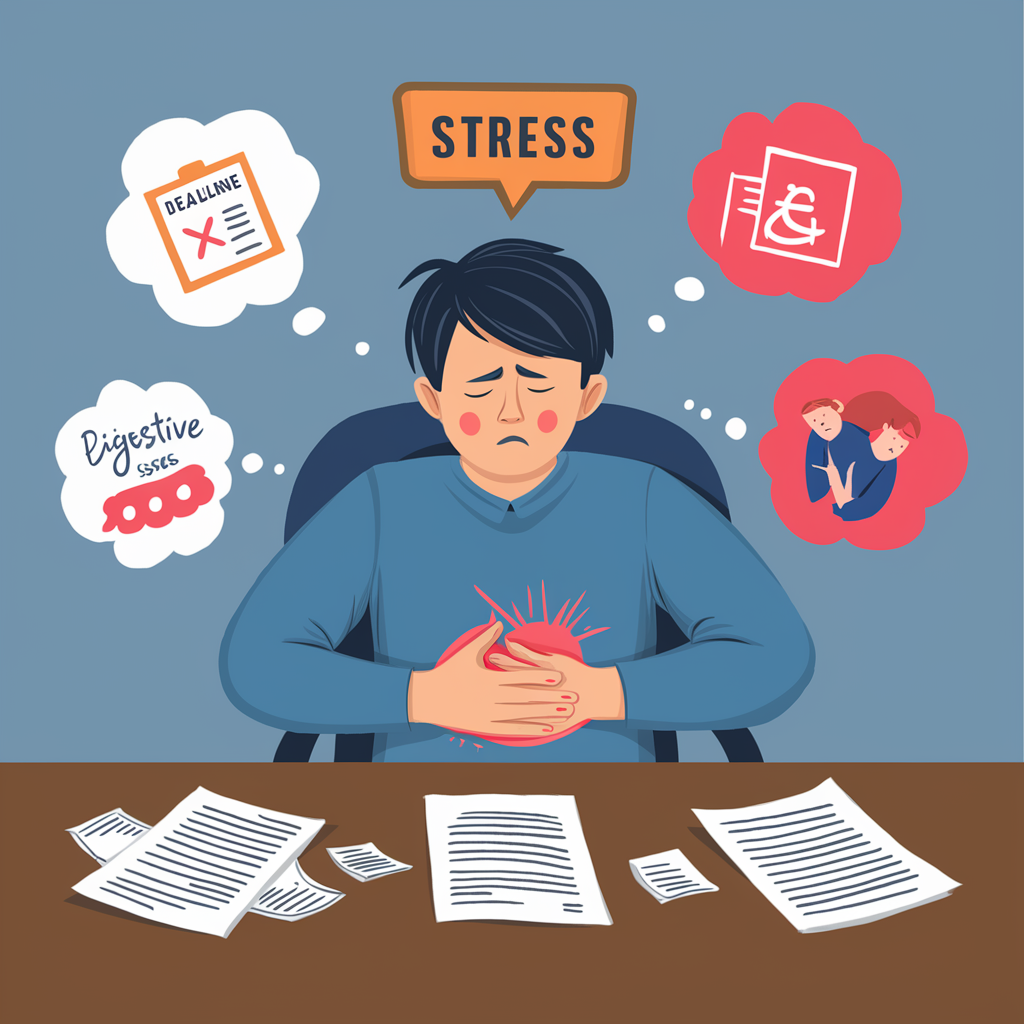
How to Identify Stress-Related Stomach Pain
Distinguishing between stress-induced stomach pain and other causes is important. Consider these indicators that your stomach pain might be stress-related:
- Timing correlation – Pain occurs during or after stressful situations
- Symptom patterns – Symptoms worsen during high-stress periods and improve during calmer times
- No concerning warning signs – Absence of “red flags” like unexplained weight loss, blood in stool, or severe pain that wakes you at night
- Normal medical tests – Standard diagnostic tests don’t reveal structural abnormalities
Keep a symptom journal tracking:
- When stomach pain occurs
- Stress levels (rate 1-10)
- Food intake
- Sleep quality
- Other physical symptoms
This information can help identify patterns and provide valuable information to healthcare providers.
Managing Stress-Related Stomach Pain
Addressing both stress and digestive symptoms simultaneously often yields the best results:
Stress Reduction Techniques
Mindfulness and Meditation
Regular mindfulness practice for just 10-15 minutes daily can reduce stress hormones by up to 30%. Try apps like Headspace, Calm, or Insight Timer to get started.
Progressive Muscle Relaxation
This technique involves tensing and then releasing muscle groups sequentially, reducing physical tension that contributes to stomach discomfort.
Deep Breathing Exercises
Diaphragmatic breathing activates the parasympathetic nervous system, counteracting the stress response. Practice the 4-7-8 technique:
- Inhale for 4 seconds
- Hold for 7 seconds
- Exhale for 8 seconds
- Repeat 3-5 times
Regular Physical Activity
Exercise releases endorphins, natural stress fighters. Even a 20-minute daily walk can significantly reduce stress levels and improve digestive function.
Dietary Approaches
Anti-Inflammatory Foods
Incorporate foods that combat inflammation:
- Fatty fish rich in omega-3s (salmon, mackerel)
- Colorful fruits and vegetables
- Turmeric, ginger, and other anti-inflammatory spices
- Probiotic-rich foods like yogurt, kefir, and fermented vegetables
Potential Trigger Avoidance
Common foods that may worsen stress-related stomach pain include:
- Caffeine and alcohol
- Spicy or fatty foods
- Processed foods high in artificial additives
- Carbonated beverages
Regular Eating Schedule
Eating at consistent times helps regulate digestive processes and prevents additional stress on your system.
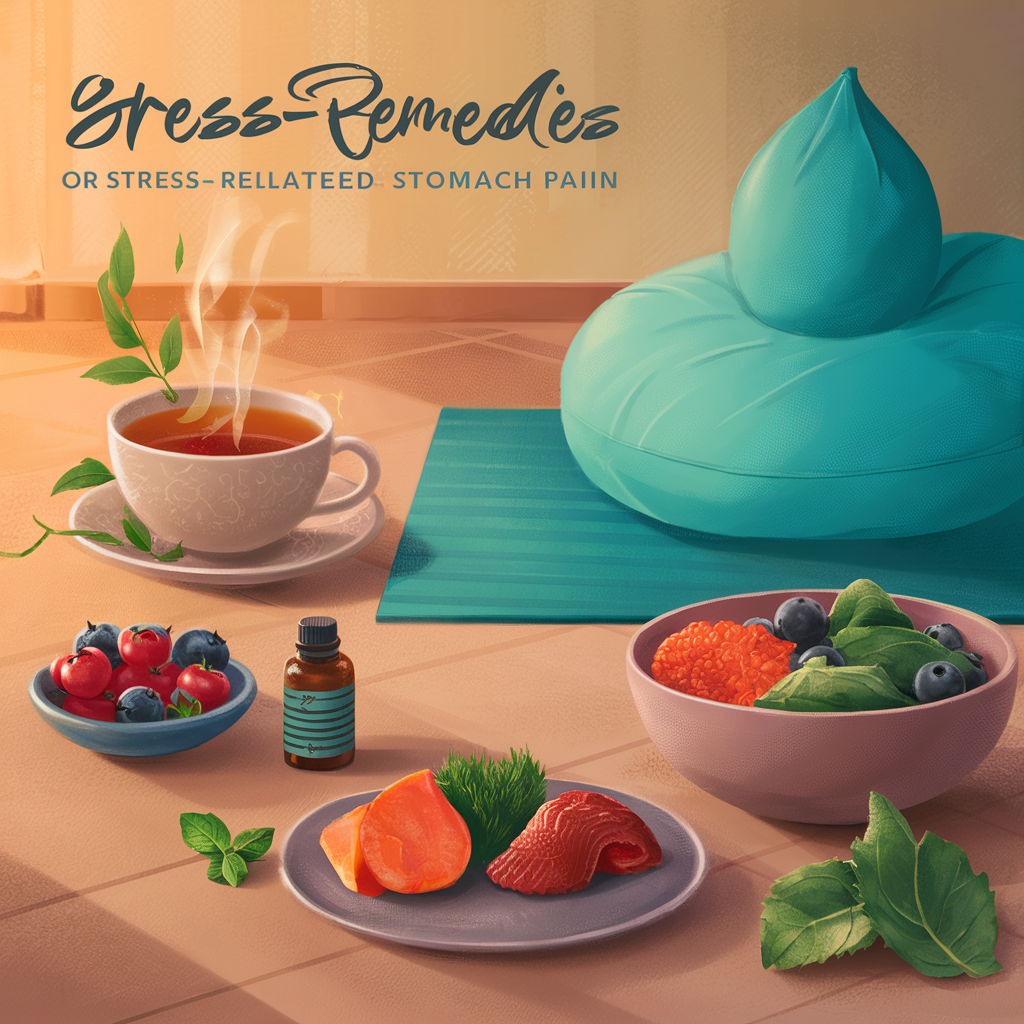
When to Seek Medical Help
While many cases of stress-related stomach pain can be managed with lifestyle changes, certain symptoms warrant medical attention:
- Severe, persistent pain that doesn’t improve
- Unintentional weight loss
- Difficulty swallowing
- Blood in vomit or stool
- Pain that wakes you from sleep
- Persistent nausea or vomiting
- Symptoms that persist even after stress reduction
A healthcare provider can rule out other medical conditions and may recommend:
- Diagnostic tests (endoscopy, colonoscopy, or imaging studies)
- Medications to address specific symptoms
- Referral to a gastroenterologist or mental health professional
Integrative Approaches to Treatment
Many people find relief through a combination of conventional and complementary approaches:
Cognitive Behavioral Therapy (CBT)
CBT helps identify and change thought patterns that contribute to stress. Studies show it can reduce IBS symptoms by 50-70% in responsive patients.
Gut-Directed Hypnotherapy
This specialized form of hypnotherapy focuses on gut function and has shown remarkable success for conditions like IBS, with improvement rates of up to 80% in some studies.
Acupuncture
Some research indicates acupuncture may help reduce stress and alleviate digestive symptoms by:
- Modulating stress hormone levels
- Reducing inflammation
- Improving gut motility
Herbal Remedies
Several herbs may help manage both stress and digestive discomfort:
- Peppermint oil (for IBS symptoms)
- Chamomile (for anxiety and digestive calming)
- Lemon balm (for stress reduction and digestive support)
- Slippery elm (for soothing irritated digestive tracts)
Always consult healthcare providers before starting herbal supplements, especially if taking other medications.
Long-Term Strategies for Gut-Brain Health
For lasting relief, consider these long-term approaches:
- Gut microbiome support – A balanced microbiome strengthens the gut-brain connection
- Stress management as preventive care – Regular stress-reduction practices before symptoms appear
- Sleep prioritization – Quality sleep improves both stress resilience and digestive function
- Social connections – Strong relationships buffer against stress effects
- Professional mental health support – Therapy helps develop sustainable stress management skills
Conclusion
The connection between stress and stomach pain illustrates the powerful mind-body relationship we all experience. By understanding this link, you can take proactive steps to care for both your mental well-being and digestive health. Remember that healing takes time and often requires a multifaceted approach.
If you’re struggling with stress-related stomach pain, begin with small, manageable changes to your stress management routine and diet. Track your progress, be patient with your body, and don’t hesitate to seek professional support when needed. With consistent attention to both stress reduction and digestive health, many people find significant relief from this challenging cycle of symptoms.