

Your gut health affects everything from your mood to your immune system. Improving your digestive wellness doesn’t require complicated diets or expensive supplements. With a few simple eating habits incorporated into your daily routine, you can significantly enhance your gut microbiome and overall health. Let’s explore practical, science-backed eating strategies that promote a thriving gut ecosystem.
Why Gut Health Matters
The gut microbiome—home to trillions of bacteria, fungi, and other microorganisms—plays a crucial role in our overall wellbeing. A balanced gut contributes to:
- Stronger immune function
- Better nutrient absorption
- Improved mental health
- Reduced inflammation
- Healthier weight management
- Enhanced energy levels
Research increasingly shows that gut health is connected to nearly every system in your body. When your digestive system functions optimally, you’re more likely to experience better overall health and vitality.
Fiber-Rich Foods: The Foundation of Gut Health
One of the simplest yet most effective habits for gut health is increasing your fiber intake. Dietary fiber serves as fuel for beneficial gut bacteria.
Types of Fiber That Benefit Your Gut
Soluble Fiber: Dissolves in water to form a gel-like substance that slows digestion and helps you feel full longer. Find it in:
- Oats and barley
- Legumes (beans, lentils)
- Fruits like apples, citrus, and berries
- Flaxseeds and chia seeds
Insoluble Fiber: Adds bulk to stool and helps food pass more quickly through the digestive system. Sources include:
- Whole grains
- Nuts and seeds
- Vegetables like carrots, celery, and tomatoes
- Fruit and vegetable skins
Prebiotic Fiber: Specifically feeds beneficial gut bacteria and is found in:
- Garlic and onions
- Bananas (especially less ripe ones)
- Jerusalem artichokes
- Asparagus
- Dandelion greens
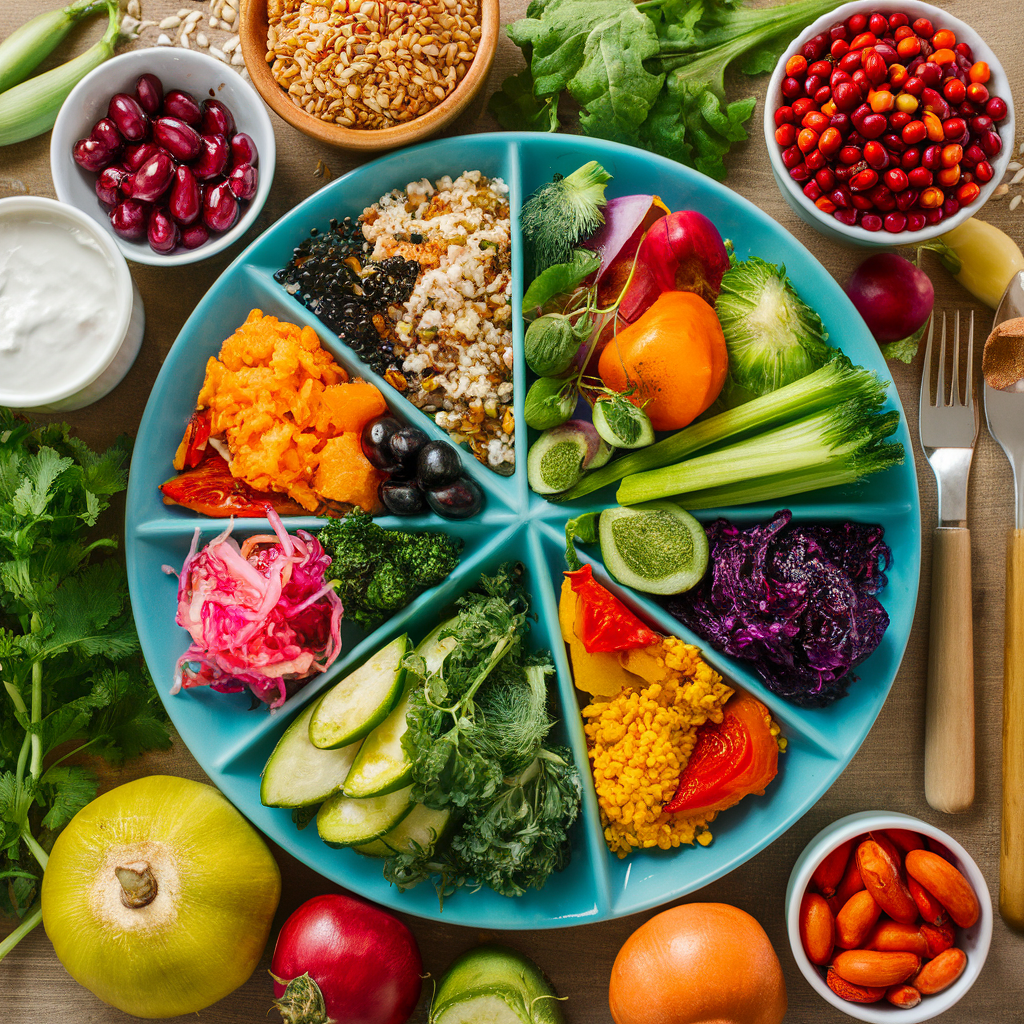
Gradual Fiber Incorporation
Add fiber gradually to your diet to avoid digestive discomfort. Aim for 25-30 grams daily for adults, and increase your water intake alongside fiber to help it work effectively.
Fermented Foods: Natural Probiotics
Fermented foods introduce beneficial bacteria directly to your gut ecosystem, helping to increase diversity and beneficial microbial populations.
Incorporating Fermented Foods
Try adding these probiotic-rich foods to your daily meals:
- Yogurt with live cultures: Choose plain varieties with no added sugar
- Kefir: A tangy, drinkable yogurt with even more probiotic strains than regular yogurt
- Sauerkraut: Fermented cabbage rich in beneficial bacteria (opt for unpasteurized versions)
- Kimchi: Korean fermented vegetables with spices
- Kombucha: Fermented tea with a slightly tangy, effervescent quality
- Miso: Japanese fermented soybean paste
- Tempeh: Fermented soybean cake with a firm texture
Start with small portions (1-2 tablespoons for fermented vegetables, or a half cup of yogurt) and gradually increase as your digestive system adjusts.
Hydration Habits for Gut Health
Proper hydration supports the mucosal lining of the intestines and helps fiber work effectively in your digestive system.
Smart Hydration Strategies
- Start each day with a glass of water
- Carry a reusable water bottle
- Set hydration reminders on your phone
- Infuse water with fruits or herbs for flavor without sugar
- Consume hydrating foods like cucumber, watermelon, and celery
For most adults, around 8-10 cups (64-80 ounces) of fluid daily supports optimal gut function.

Mindful Eating Practices
How you eat can be just as important as what you eat when it comes to gut health.
Developing Mindful Eating Habits
- Slow down: Chew thoroughly (aim for 20-30 chews per bite)
- Minimize distractions: Turn off screens during meals
- Tune into hunger cues: Eat when hungry, stop when satisfied
- Appreciate your food: Notice colors, smells, textures, and flavors
- Create a calm eating environment: Reduce stress at mealtimes
These practices improve digestion by activating the parasympathetic (“rest and digest”) nervous system and ensuring food is properly broken down before reaching your intestines.
Regular Eating Schedule
Your gut microbiome responds well to consistency. Eating meals at regular times helps establish healthy digestive rhythms.
Establishing Eating Patterns
- Aim for meals at similar times each day
- Consider a 12-hour overnight fast (e.g., finish dinner by 7PM, eat breakfast after 7AM)
- Space meals 3-5 hours apart
- Avoid late-night eating when digestion naturally slows
This consistency helps regulate digestive enzymes and supports your gut’s natural cleaning cycles.
Diverse Diet for Diverse Microbiome
Research shows that people with the most diverse gut microbiomes eat the widest variety of foods, especially plant foods.
Increasing Dietary Diversity
- Try one new vegetable or fruit each week
- Rotate your protein sources
- Experiment with different whole grains beyond wheat
- Cook with varied herbs and spices
- Challenge yourself to eat 30+ different plant foods weekly
The greater the diversity in your diet, the more robust and resilient your gut microbiome becomes.
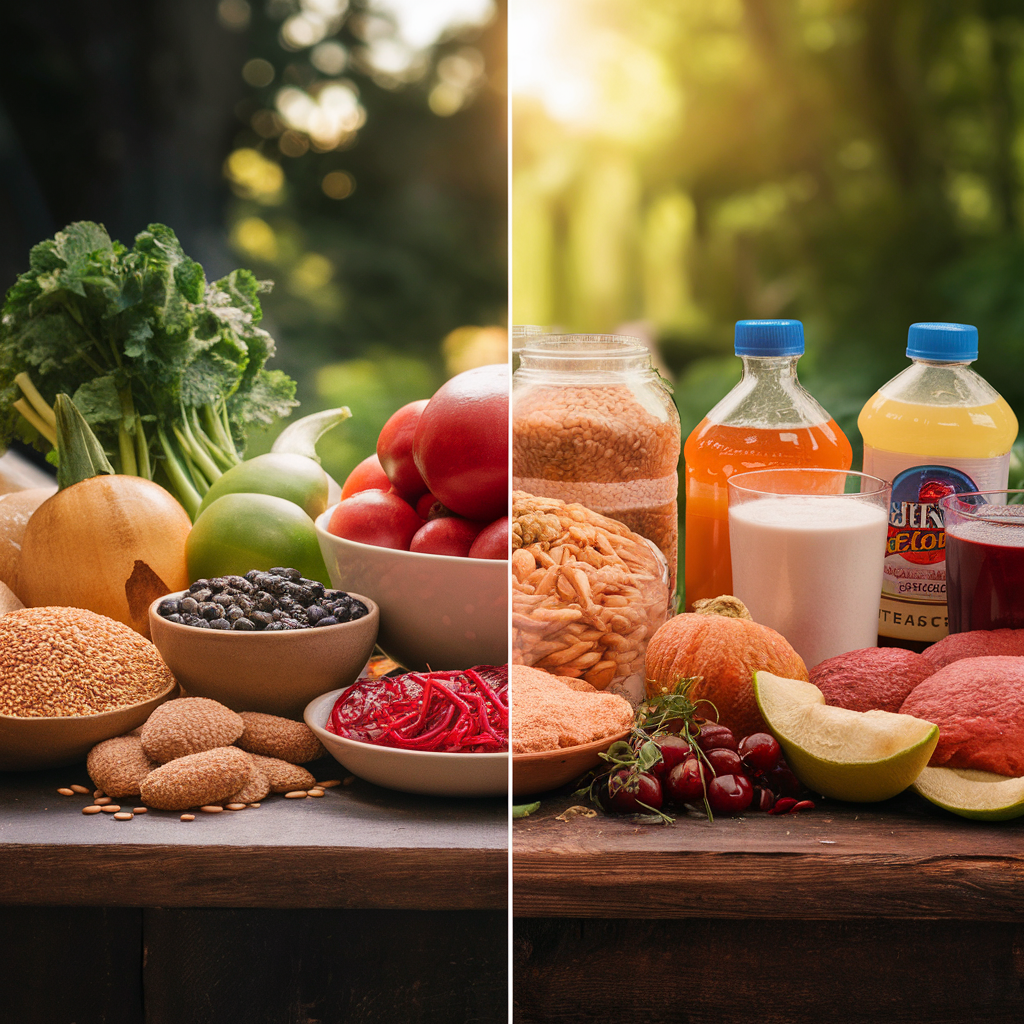
Foods to Limit for Better Gut Health
Some foods can disrupt gut bacteria balance or irritate the digestive tract.
Reducing Gut Disruptors
- Ultra-processed foods: Contain emulsifiers and additives that may harm beneficial bacteria
- Artificial sweeteners: Some studies suggest they alter gut bacteria composition
- Excessive alcohol: Disrupts gut barrier function
- Added sugars: Feed harmful bacteria and yeast
- Factory-farmed meats: Often contain antibiotics that affect gut flora
Instead of strict elimination, focus on moderation and quality alternatives.
Simple Meal Planning for Gut Health
Applying gut-friendly principles to everyday meals doesn’t have to be complicated.
Building a Gut-Healthy Plate
Follow this simple formula:
- 1/2 plate: Non-starchy vegetables (leafy greens, cruciferous vegetables, colorful options)
- 1/4 plate: Protein (including plant-based options)
- 1/4 plate: Complex carbohydrates (whole grains, starchy vegetables)
- Add: Small amounts of healthy fats (olive oil, avocado, nuts)
- Include: Fermented food as a side or condiment
- Accompany with: Water, herbal tea, or other unsweetened beverages
Sample Gut-Friendly Daily Menu
Breakfast:
- Overnight oats with berries, ground flaxseed, and a dollop of yogurt
Lunch:
- Grain bowl with quinoa, roasted vegetables, chickpeas, and avocado
- Side of kimchi or sauerkraut
Dinner:
- Baked fish or lentils with herbs
- Sweet potato
- Sautéed leafy greens with garlic
Snacks:
- Apple with almond butter
- Small serving of kefir with berries
- Vegetable sticks with hummus
Implementing Changes Gradually
Trying to overhaul your entire diet at once can feel overwhelming and unsustainable. Instead:
- Choose one habit to focus on each week
- Monitor how your body responds
- Add new habits as previous ones become routine
- Be patient—gut microbial changes take time
Remember that even small, consistent changes can lead to significant improvements in gut health over time.
When to Seek Professional Guidance
While these habits benefit most people, individual digestive needs vary. Consider consulting a healthcare provider or registered dietitian if you:
- Experience persistent digestive symptoms
- Have diagnosed digestive conditions
- Take medications that affect nutrient absorption
- Have undergone gastrointestinal surgery
- Experience significant food sensitivities
A personalized approach can help address your specific gut health needs.
Conclusion
Supporting your gut health doesn’t require extreme measures or complicated regimens. By gradually incorporating fiber-rich foods, fermented items, proper hydration, mindful eating, regular meal timing, and dietary diversity into your routine, you can cultivate a thriving gut microbiome that supports your overall health.
Start with small changes that feel manageable, and remember that consistency matters more than perfection. Your gut microbiome responds to the patterns you establish over time, so focus on sustainable habits that you can maintain for the long term.