

Your morning meal sets the tone for your entire day, particularly when it comes to digestive health. A gut-friendly breakfast can promote beneficial bacteria growth, reduce inflammation, and support optimal digestion throughout the day. Whether you’re managing specific digestive conditions or simply want to optimize your gut microbiome, these breakfast options combine scientific principles of digestive health with delicious flavors to kickstart your morning routine.
Understanding Gut Health and Breakfast
The connection between breakfast and gut health is profound. Your gut microbiome—the trillions of bacteria living in your digestive tract—plays a crucial role in everything from immune function to mood regulation. A balanced breakfast that includes fiber, probiotics, and anti-inflammatory components can:
- Feed beneficial gut bacteria
- Strengthen the intestinal barrier
- Reduce digestive discomfort
- Support regular bowel movements
- Stabilize blood sugar levels
Skipping breakfast or choosing options high in refined sugars and low in fiber can disrupt this delicate ecosystem, potentially leading to bloating, irregular digestion, and even long-term gut health issues.
Probiotic-Rich Breakfast Options
Probiotics—live beneficial bacteria—directly supplement your gut’s microbial community. Incorporating them into breakfast provides immediate support for digestive function.
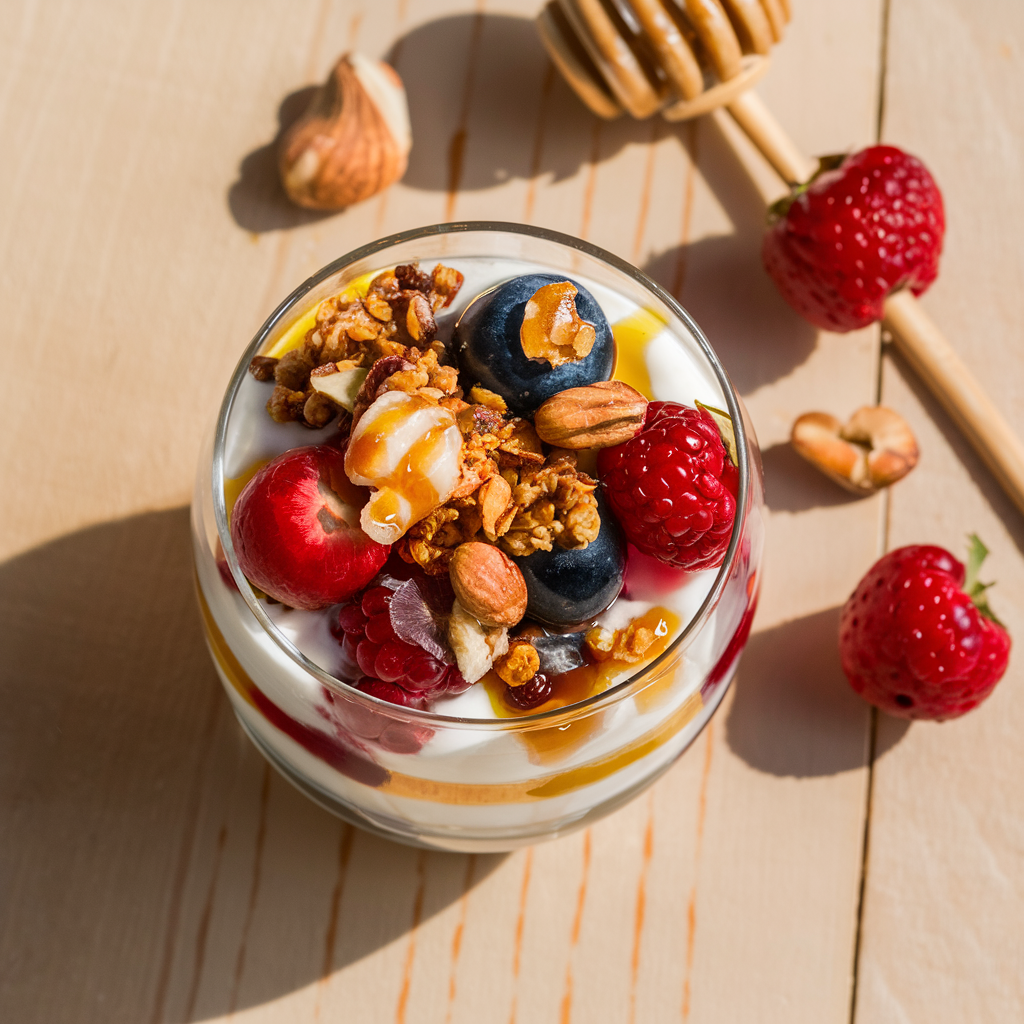
Yogurt Parfait with Berries and Nuts
A classic gut-friendly breakfast starts with plain Greek or regular yogurt containing live active cultures. Layer it with:
- Antioxidant-rich berries (blueberries, strawberries, raspberries)
- Crushed walnuts or almonds for healthy fats
- A drizzle of raw honey for prebiotic support
- Optional: a sprinkle of cinnamon for blood sugar management
The probiotics in yogurt introduce beneficial bacteria directly to your digestive system, while the fiber in berries serves as fuel for these microbes.
Kefir Smoothie Bowl
Kefir contains an even wider variety of probiotic strains than yogurt, making it a superstar for gut health. Create a smoothie bowl by blending:
- 1 cup plain kefir
- ½ frozen banana
- ½ cup frozen berries
- 1 tablespoon ground flaxseed
Top with granola, fresh fruit, and a sprinkle of hemp seeds for added protein and omega-3 fatty acids.
Probiotic Overnight Oats
Combine the overnight convenience with gut-supporting ingredients:
- ½ cup rolled oats
- ½ cup kefir or yogurt
- ½ cup plant-based milk
- 1 tablespoon chia seeds
- ½ teaspoon vanilla extract
Refrigerate overnight and top with fresh fruit and a drizzle of nut butter in the morning.
Prebiotic-Powered Breakfast Choices
While probiotics introduce beneficial bacteria, prebiotics feed them. These specialized plant fibers are indigestible by humans but serve as food for gut bacteria, allowing them to thrive and multiply.
Banana and Jerusalem Artichoke Smoothie
This unusual combination packs a powerful prebiotic punch:
- 1 ripe banana (containing resistant starch when not overly ripe)
- 1 small Jerusalem artichoke, peeled and chopped (extremely rich in inulin)
- 1 cup spinach
- 1 tablespoon almond butter
- 1 cup plant-based milk
- Optional: ½ teaspoon turmeric for anti-inflammatory benefits
Jerusalem artichokes (also called sunchokes) contain exceptionally high amounts of inulin, a powerful prebiotic fiber that specifically nourishes beneficial Bifidobacteria in the gut.
Oatmeal with Prebiotic Toppings
Start with a base of steel-cut or rolled oats and enhance it with:
- Sliced green banana (higher in resistant starch than ripe bananas)
- Chopped apple with skin (containing pectin)
- Ground flaxseeds
- A sprinkle of raw cocoa nibs
This combination provides diverse prebiotic fibers that feed different bacterial strains, promoting microbiome diversity—a key marker of gut health.

Asparagus and Leek Frittata
For those preferring savory breakfasts, this prebiotic-rich frittata supports gut health:
- 6 eggs, beaten
- ¼ cup chopped leeks (white and light green parts)
- 6 asparagus spears, chopped
- 1 garlic clove, minced
- 2 tablespoons chopped chives
- ¼ cup crumbled feta cheese (optional)
Sauté the vegetables until tender, add eggs and cook until set, either on the stovetop or finished in the oven. Both leeks and asparagus are excellent sources of prebiotic fiber.
Anti-Inflammatory Breakfast Ideas
Chronic inflammation can disrupt gut barrier function and alter the microbiome composition. These breakfast options incorporate anti-inflammatory ingredients to support gut health.
Turmeric Chia Pudding
This make-ahead breakfast combines anti-inflammatory turmeric with gut-supporting chia seeds:
- 2 tablespoons chia seeds
- ½ cup coconut milk
- ¼ teaspoon ground turmeric
- Pinch of black pepper (enhances turmeric absorption)
- ½ teaspoon vanilla extract
- ½ teaspoon honey or maple syrup
Mix ingredients and refrigerate overnight. In the morning, top with fresh mango chunks and unsweetened coconut flakes.
Anti-Inflammatory Avocado Toast
Upgrade the classic avocado toast with gut-supporting ingredients:
- 1 slice of sourdough bread (naturally fermented for probiotic benefits)
- ½ ripe avocado, mashed
- 1 teaspoon extra virgin olive oil
- ½ teaspoon turmeric
- Pinch of black pepper
- Sprinkle of hemp seeds
- Optional: sauerkraut or kimchi for added probiotics
The combination of healthy fats from avocado and olive oil, along with fermented sourdough, creates a digestive-friendly foundation for your day.
Ginger and Pineapple Smoothie
This tropical blend targets inflammation with natural enzymes:
- 1 cup fresh pineapple chunks (containing bromelain enzyme)
- 1-inch piece fresh ginger, peeled
- 1 cup spinach
- ½ frozen banana
- 1 tablespoon ground flaxseed
- 1 cup coconut water or almond milk
Ginger is a potent anti-inflammatory that also aids digestion, while pineapple’s bromelain has been shown to reduce intestinal inflammation.
Low-FODMAP Breakfast Options for Sensitive Digestive Systems
For those with IBS or sensitive digestive systems, low-FODMAP breakfasts can provide relief while still supporting gut health.
Quinoa Breakfast Bowl
Quinoa is a complete protein that’s generally well-tolerated:
- ½ cup cooked quinoa
- ¼ cup lactose-free yogurt
- 1 tablespoon maple syrup
- ¼ cup blueberries
- 1 tablespoon pumpkin seeds
- ¼ teaspoon cinnamon
Warm the quinoa slightly before adding toppings for a comforting morning bowl.

Low-FODMAP Smoothie
Create a gentle smoothie that won’t trigger digestive distress:
- 1 medium ripe banana
- 1 tablespoon peanut butter
- 1 tablespoon chia seeds
- ½ cup strawberries
- 1 cup lactose-free milk or almond milk
Blend until smooth and enjoy immediately.
Polenta with Eggs and Spinach
For a savory option:
- ½ cup cooked polenta (cornmeal)
- 2 eggs, prepared to your preference
- ½ cup sautéed spinach
- 1 tablespoon olive oil
- Salt and pepper to taste
This provides a gentle but nutritious start for sensitive stomachs.
Time-Saving Gut-Friendly Breakfast Meal Prep
Consistency is key for gut health. These make-ahead options ensure you’ll maintain your gut-friendly routine even on busy mornings.
Freezer-Friendly Breakfast Burritos
Prepare and freeze these gut-supporting burritos:
- Gluten-free tortillas (if gluten-sensitive)
- Scrambled eggs with turmeric
- Sautéed spinach and red bell peppers
- Avocado slices
- Optional: small amount of kimchi for probiotics
Wrap individually and freeze. Microwave for 1-2 minutes when ready to eat.
Prepped Breakfast Jars
On Sunday, prepare several breakfast jars with:
- Base layer: overnight oats mixed with chia seeds
- Middle layer: yogurt or kefir
- Top layer (add day-of): fresh berries and nuts
Store in the refrigerator for grab-and-go gut support throughout the week.
Frozen Smoothie Packs
Prepare ziplock bags containing:
- Frozen banana pieces
- Frozen berries
- Handful of spinach
- 1 tablespoon ground flaxseed
- Fresh ginger piece
In the morning, dump contents into a blender, add liquid, and blend for an instant gut-friendly breakfast.
Tips for Maximizing Gut Benefits at Breakfast
To get the most digestive support from your morning meal, consider these evidence-based strategies:
- Hydrate first: Drink a large glass of water with a splash of lemon juice upon waking to stimulate digestion.
- Chew thoroughly: Proper digestion begins in the mouth. Aim for 20-30 chews per bite to reduce digestive stress.
- Incorporate diverse fiber sources: Different fibers feed different beneficial bacteria. Aim for variety rather than high quantities of a single fiber source.
- Mind your timing: Allow 12-14 hours between dinner and breakfast to support gut microbial rhythms and intestinal repair.
- Introduce new foods gradually: When adding fermented foods or high-fiber options, start with small amounts to avoid digestive discomfort.
Conclusion: Building Your Personalized Gut-Friendly Breakfast Rotation
Creating a sustainable gut-health breakfast routine means finding options that:
- Appeal to your taste preferences
- Work with your morning schedule
- Address your specific digestive needs
- Provide variety to support microbial diversity
Start by incorporating one new gut-friendly breakfast each week, noting how your body responds. Over time, build a repertoire of 5-7 options you can rotate for ongoing digestive support.
Remember that gut health is highly individualized—what works wonderfully for one person may not suit another. Listen to your body’s signals and adjust accordingly to find your perfect gut-supporting morning routine.