

The way you start your morning can significantly impact your entire day. Among countless breakfast options, oatmeal stands out as a nutritional titan that has been nourishing humans for thousands of years. This simple, unassuming grain offers a remarkable combination of health benefits that can transform your morning routine and, by extension, your overall well-being.
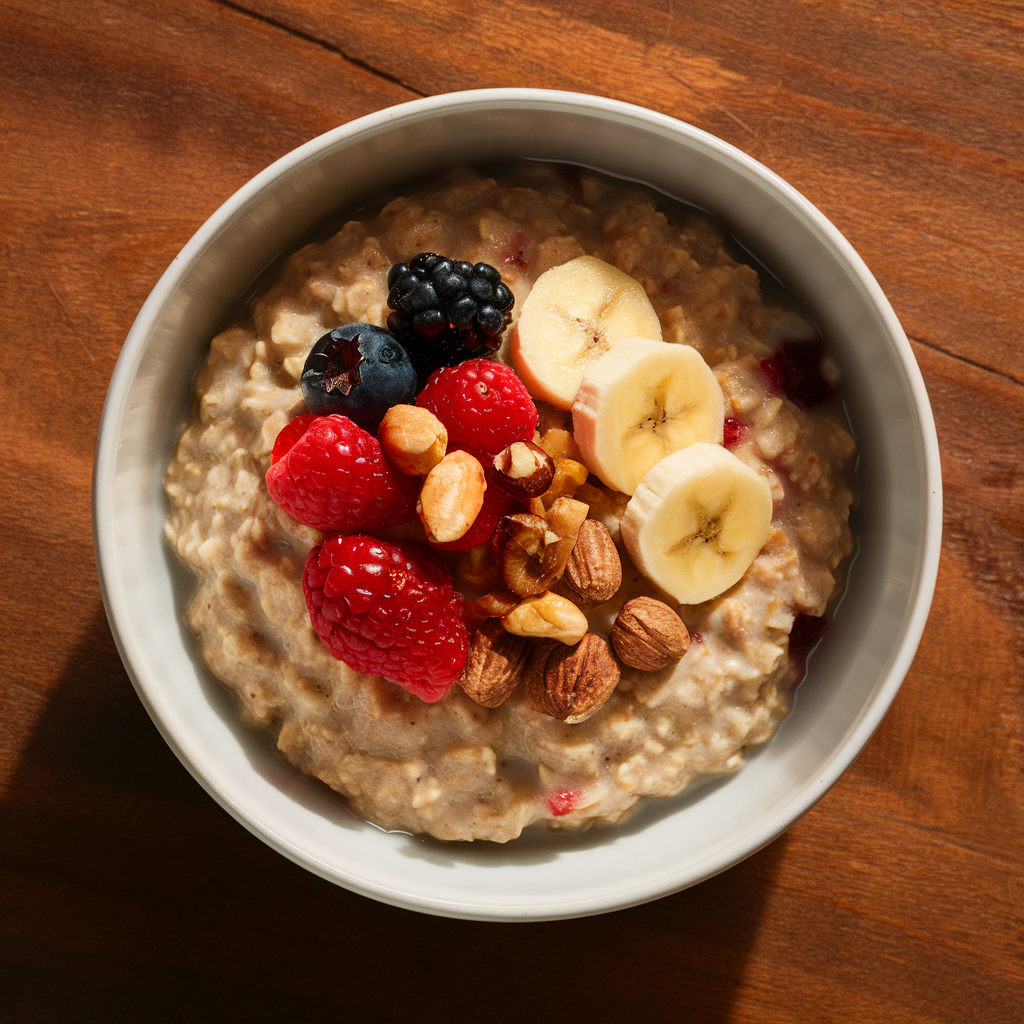
Oatmeal isn’t just another breakfast option—it’s a lifestyle choice embraced by nutritionists, fitness professionals, and health-conscious individuals worldwide. From its impressive nutritional profile to its versatility in preparation, oatmeal provides compelling reasons to become your breakfast staple.
The Nutritional Powerhouse: What Makes Oatmeal Special
Rich Source of Complex Carbohydrates and Fiber
Oatmeal contains beta-glucan, a soluble fiber that has been extensively studied for its health benefits. A single cup (81g) of dry oats provides approximately 8 grams of fiber, representing roughly 30% of the daily recommended intake. This soluble fiber forms a gel-like substance in your digestive system, which:
- Slows digestion, leading to a more gradual release of glucose into the bloodstream
- Increases satiety, helping you feel fuller for longer periods
- Supports digestive health by promoting regular bowel movements and feeding beneficial gut bacteria
According to a study published in the Journal of the American College of Nutrition, regular consumption of oats can significantly reduce cholesterol levels, with participants experiencing an average 5-7% reduction in total cholesterol.
Essential Nutrients and Micronutrients
Beyond fiber, oatmeal delivers an impressive array of nutrients:
| Nutrient | Amount per 1 cup dry oats | % Daily Value |
|---|---|---|
| Protein | 11g | 22% |
| Manganese | 7.7mg | 335% |
| Phosphorus | 180mg | 18% |
| Magnesium | 63mg | 15% |
| Zinc | 2.7mg | 25% |
| Iron | 3.4mg | 19% |
| Thiamin (B1) | 0.26mg | 22% |
This nutritional profile makes oatmeal a complete food that provides sustained energy while supporting various bodily functions, from muscle recovery to immune system function.
Health Benefits: Why Nutritionists Recommend Starting Your Day with Oatmeal
Blood Sugar Management and Diabetes Prevention
The beta-glucan fiber in oatmeal plays a crucial role in managing blood sugar levels. A meta-analysis published in the European Journal of Clinical Nutrition examined 58 clinical trials and found that oats consistently improved glycemic control.
For individuals with type 2 diabetes or those at risk, incorporating oatmeal into your breakfast routine can:
- Lower post-meal blood glucose spikes
- Improve insulin sensitivity
- Reduce the overall glycemic impact of your diet
Dr. Sarah Thompson, endocrinologist and diabetes specialist, notes: “Oatmeal is one of the first foods I recommend to my patients with pre-diabetes or insulin resistance. Its unique composition helps regulate blood sugar in a way few other foods can match.”
Heart Health Protection

Cardiovascular benefits of oatmeal are well-documented across numerous clinical studies:
- Cholesterol reduction: Beta-glucan binds with cholesterol-rich bile acids in the intestine and removes them from the body.
- Blood pressure management: Regular oatmeal consumption has been linked to modest reductions in both systolic and diastolic blood pressure.
- Inflammation reduction: Avenanthramides, unique antioxidant compounds found only in oats, help reduce inflammation markers associated with heart disease.
The FDA has authorized a health claim for oatmeal, stating that soluble fiber from oatmeal, as part of a diet low in saturated fat and cholesterol, may reduce the risk of heart disease.
Weight Management and Satiety
For those managing their weight, oatmeal offers several advantages:
- High satiety index: Research published in the European Journal of Clinical Nutrition found that oatmeal ranked high on the satiety index, meaning it keeps hunger at bay longer than many other breakfast foods.
- Balanced energy release: The combination of complex carbohydrates, protein, and fiber provides sustained energy without dramatic blood sugar fluctuations that can trigger cravings.
- Metabolic benefits: Some studies suggest that the specific fiber composition in oats may help increase fat oxidation and energy expenditure.
Registered dietitian Maria Chen explains: “What makes oatmeal exceptional for weight management isn’t just its calorie content, but how it affects your entire eating pattern throughout the day. My clients who eat oatmeal regularly report fewer cravings and better portion control at subsequent meals.”
Practical Benefits: Beyond Nutrition
Time-Efficient Breakfast Solution
In today’s fast-paced world, breakfast preparation time matters. Oatmeal offers exceptional convenience:
- Quick-cooking options: From instant varieties (1-2 minutes) to traditional rolled oats (5 minutes)
- Overnight preparation: Prepare in advance for grab-and-go convenience
- Batch cooking: Make larger quantities to reheat throughout the week
This efficiency makes oatmeal an ideal choice for busy professionals, parents, and students who need nutritious options without the time investment.
Cost-Effective Nutrition
In an era of rising food costs, oatmeal stands out as a budget-friendly nutritional powerhouse:
- Average cost per serving: $0.20-$0.50 (basic preparation)
- Cost per gram of protein: Among the lowest of all breakfast options
- Long shelf life: Reduces food waste and allows for bulk purchasing
This exceptional value makes oatmeal accessible across socioeconomic backgrounds, providing high-quality nutrition regardless of budget constraints.
Versatility and Customization
Perhaps no other breakfast offers the same versatility as oatmeal. It serves as a neutral canvas for endless flavor combinations:
Sweet variations:
- Berry medleys with antioxidant benefits
- Banana and nut butter for added protein
- Apple cinnamon for traditional comfort
- Tropical fruits for exotic variety
Savory options:
- Egg and avocado with microgreens
- Mushroom and herb with olive oil
- Miso and sesame with scallions
- Roasted vegetables with tahini
This adaptability prevents flavor fatigue and allows for seasonal rotation of ingredients, keeping your breakfast exciting year-round.
Optimizing Your Oatmeal Experience: Tips From Nutrition Experts
Choosing the Right Type of Oats
Not all oats are created equal. Different processing methods affect both nutritional content and cooking requirements:
- Steel-cut oats: Least processed with lowest glycemic index, heartier texture, 20-30 minute cooking time
- Rolled oats: Partially processed, medium glycemic impact, creamy texture, 5-minute cooking time
- Quick oats: More processed, higher glycemic impact, soft texture, 1-minute cooking time
- Instant oats: Most processed, highest glycemic impact, often contain added sugars and flavors
Nutritionist Dr. Michael Gregor recommends: “Choose the least processed option that fits your schedule. Even instant oats are nutritionally superior to most breakfast cereals, but steel-cut provides the most benefits if you have the time.”
Nutrient-Boosting Additions
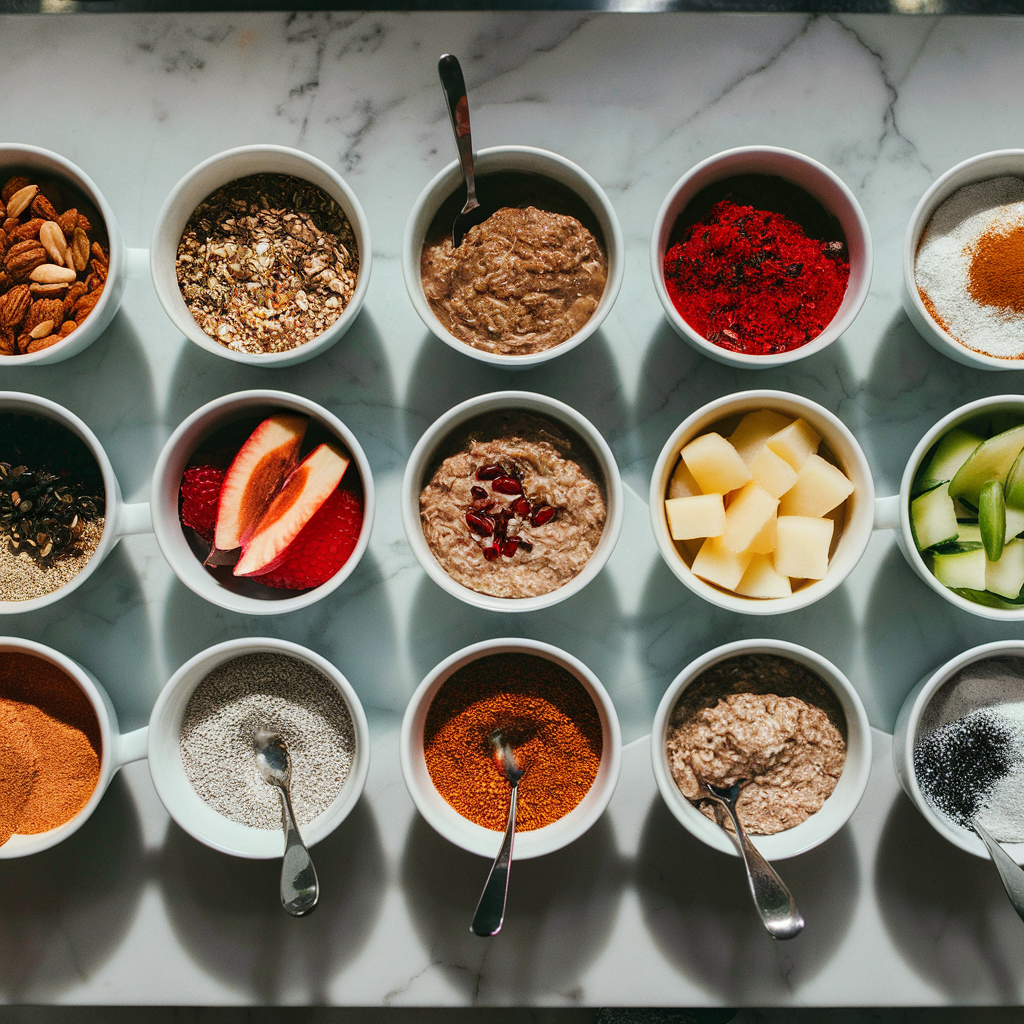
Maximize oatmeal’s nutritional profile with strategic additions:
Protein boosters:
- Greek yogurt (+15g protein per 1/2 cup)
- Protein powder (+15-25g protein per scoop)
- Nut butters (+7g protein per 2 tablespoons)
- Hemp seeds (+10g protein per 3 tablespoons)
Healthy fat sources:
- Walnuts (omega-3 fatty acids)
- Chia seeds (omega-3 fatty acids)
- Flaxseed (lignans and omega-3s)
- Coconut oil (medium-chain triglycerides)
Antioxidant enhancers:
- Berries (anthocyanins)
- Cinnamon (polyphenols)
- Cocoa powder (flavanols)
- Turmeric with black pepper (curcumin)
Preparation Techniques for Maximum Benefits
How you prepare oatmeal affects its nutritional impact:
- Soaking: Soaking oats overnight reduces phytic acid, which can inhibit mineral absorption. This technique makes minerals like zinc, iron, and calcium more bioavailable.
- Proper liquid ratio: Use a 1:2 ratio of oats to liquid for ideal texture and digestibility.
- Adding salt: A pinch of salt enhances flavor without making oatmeal taste salty and can help balance sweet additions.
- Temperature considerations: Allow oatmeal to cool slightly before eating to maximize resistant starch formation, which benefits gut health.
Addressing Common Concerns and Misconceptions
“Isn’t Oatmeal Too High in Carbs?”
While oatmeal does contain carbohydrates, they’re complex carbohydrates with fiber that metabolize differently than simple carbs. Studies show that the specific carbohydrate composition in oatmeal supports stable blood sugar rather than causing problematic spikes.
Dr. Robert Atkins, creator of the low-carb Atkins diet, even included whole oats in later phases of his program, recognizing their unique metabolic properties compared to other carbohydrate sources.
“Will Oatmeal Make Me Feel Bloated?”
Some individuals report initial bloating when increasing fiber intake suddenly. This is typically temporary as the digestive system adjusts. Recommendations include:
- Start with smaller portions (1/3 cup dry oats)
- Gradually increase serving size over weeks
- Ensure adequate water intake
- Consider different oat varieties (some find steel-cut less bloating than quick oats)
“Isn’t Oatmeal Boring?”
This common misconception stems from limited exposure to oatmeal’s potential. Beyond traditional preparation, consider:
- Savory oatmeal bowls with international flavor profiles
- Baked oatmeal with texture similar to bread pudding
- Oatmeal “risotto” techniques using broth instead of water
- Blended oats in smoothies for added thickness and nutrition
Chef James Peterson notes: “Oatmeal is simply a grain. Limiting it to sweet breakfast preparations is like saying rice can only be served one way. The culinary possibilities are vast.”
Conclusion: The Morning Decision That Impacts Your Entire Day
Starting your day with oatmeal represents more than just a breakfast choice—it’s a commitment to sustained energy, balanced nutrition, and mindful eating. The evidence supporting oatmeal’s benefits spans decades of research across various health domains, from cardiovascular protection to weight management.
Whether you’re seeking performance optimization, disease prevention, or simply a reliable foundation for your daily nutrition, oatmeal delivers an exceptional combination of evidence-based benefits with practical advantages.
The question isn’t whether you should include oatmeal in your morning routine, but rather: How will you customize this nutritional powerhouse to match your specific health goals and taste preferences?
Make the morning decision that supports your health all day long. Your body—and perhaps your wallet—will thank you.