

Understanding the optimal carbohydrate intake for women following a ketogenic diet can be the difference between achieving successful ketosis and struggling with inconsistent results. While general keto guidelines suggest 20-50 grams of net carbs daily, women’s unique physiological needs, hormonal fluctuations, and metabolic differences require a more personalized approach to carb counting for maximum effectiveness.
Understanding Keto Carb Basics for Women
What is the Ketogenic Diet?
The ketogenic diet is a high-fat, moderate-protein, very low-carbohydrate eating plan designed to shift your body’s primary fuel source from glucose to ketones. This metabolic state, called ketosis, occurs when carbohydrate intake is restricted enough to deplete glycogen stores, forcing the liver to produce ketones from fat breakdown.
Women’s bodies may respond differently to ketosis due to several factors including lower average muscle mass, different fat distribution patterns, and unique hormonal profiles. Research suggests that women may take slightly longer to fully adapt to ketosis but often experience more stable energy levels once adapted.
Standard Keto Carb Guidelines
The standard ketogenic approach typically recommends consuming 20-50 grams of net carbohydrates daily, which represents roughly 5-10% of total daily calories. Net carbohydrates are calculated by subtracting fiber and sugar alcohols from total carbohydrates, as these don’t significantly impact blood glucose or ketone production.
However, women often require a more nuanced approach due to hormonal considerations, particularly during different phases of the menstrual cycle, pregnancy, breastfeeding, or menopause.

Specific Daily Carb Recommendations for Women
Beginner Women Starting Keto
For women new to the ketogenic lifestyle, starting with stricter carb limits helps ensure successful ketosis induction:
- Strict keto approach: 15-20 grams of net carbs daily for the first 2-4 weeks
- Standard keto approach: 20-25 grams of net carbs daily
During the transition period, many women experience the “keto flu” as their bodies adapt. Maintaining electrolyte balance and staying well-hydrated can help minimize these temporary symptoms.
Active and Athletic Women
Women who engage in regular physical activity may require slightly higher carb intake to support performance:
- Targeted keto: 25-35 grams of net carbs daily, with 15-20 grams consumed around workout times
- Cyclical keto: 20 grams on low-carb days, up to 50 grams on higher-carb days
Strategic timing of carbohydrate intake around workouts can help maintain exercise performance while preserving ketosis.
Women in Different Life Stages
Life stage significantly impacts optimal carb intake:
- Reproductive age (18-45): 20-30 grams of net carbs, with adjustments based on menstrual cycle
- Pregnancy/breastfeeding: A modified approach is essential – consult with a qualified healthcare provider before making dietary changes
- Menopause (45+): 15-25 grams of net carbs, with potential adjustments for hormonal changes
Factors Affecting Women’s Carb Requirements
Biological Factors
Several biological factors influence how women process carbohydrates on keto:
Body Composition: Women typically have higher body fat percentages and lower muscle mass than men, which affects metabolic rate and carb tolerance. Those with more muscle mass may handle slightly higher carb intakes.
Metabolic Rate: Women generally have lower basal metabolic rates, which may require stricter carb limits to maintain ketosis effectively.
Insulin Sensitivity: Hormonal fluctuations throughout the menstrual cycle can affect insulin sensitivity, potentially requiring carb adjustments during different phases.
Hormonal Influences
Hormones play a crucial role in determining optimal carb intake for women:
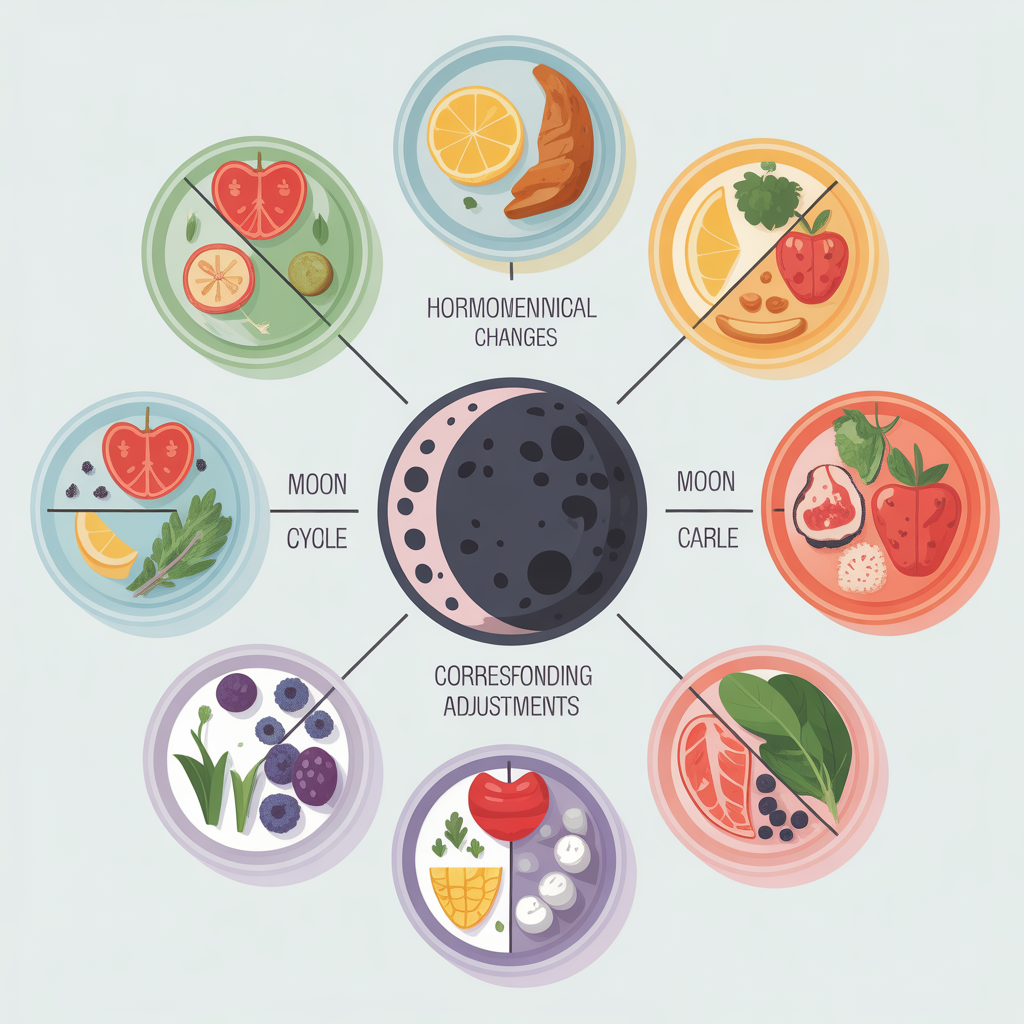
Menstrual Cycle: During the luteal phase (post-ovulation), many women experience increased cravings and may benefit from slightly higher carb intake (25-30 grams) while maintaining lower levels (15-20 grams) during the follicular phase.
Thyroid Function: The thyroid regulates metabolism, and extremely low carb intake may affect thyroid hormone production in some women. Regular monitoring and appropriate adjustments are important.
Stress Hormones: Elevated cortisol levels from chronic stress can impact ketone production and may require modified carb intake approaches.
Lifestyle Factors
Daily lifestyle choices significantly impact carb requirements:
- Activity Level: Sedentary women may thrive on 15-20 grams, while active women might need 25-35 grams
- Sleep Quality: Poor sleep can affect hormone regulation and insulin sensitivity, potentially requiring stricter carb limits
- Stress Management: High-stress periods may necessitate temporary carb adjustments
How to Calculate Your Personal Keto Macros
Step-by-Step Calculation Method
Follow these steps to determine your personalized keto macros:
Step 1: Determine Daily Calorie Needs
Use the Mifflin-St Jeor equation for women:
BMR = (10 × weight in kg) + (6.25 × height in cm) – (5 × age in years) – 161
Then multiply by activity factor (1.2-1.9).
Step 2: Set Protein Requirements
Calculate 0.8-1.2 grams per kilogram of body weight, or 1.2-1.7 grams per kilogram if you’re active.
Step 3: Calculate Carb Limits
Set carbs at 5-10% of total daily calories (typically 15-30 grams for most women).
Step 4: Fill Remaining Calories with Healthy Fats
The remaining 70-80% of calories should come from high-quality fats.
Sample Calculations
Example 1: Sedentary 140lb (64kg) Woman, Age 30
- Daily calories: ~1,400
- Carbs: 20g (6% of calories)
- Protein: 80g (23% of calories)
- Fat: 110g (71% of calories)
Example 2: Active 160lb (73kg) Woman, Age 35
- Daily calories: ~1,800
- Carbs: 25g (6% of calories)
- Protein: 110g (24% of calories)
- Fat: 140g (70% of calories)
Tracking and Monitoring Your Carb Intake
Best Tracking Tools
Accurate tracking is essential for keto success. Consider these options:
- Mobile Apps: Popular apps like Cronometer, Carb Manager, or MyFitnessPal offer comprehensive macro tracking
- Food Diaries: Written logs can help identify patterns and triggers
- Kitchen Scale: Precise measurements ensure accurate carb counting
Signs You’re Getting the Right Amount
Positive indicators include:
- Steady energy levels throughout the day
- Natural appetite suppression
- Improved mental clarity and focus
- Stable mood
- Quality sleep
- Gradual, sustainable weight loss (if that’s your goal)
Test ketone levels using urine strips, breath meters, or blood ketone meters to confirm you’re in ketosis.

Warning Signs of Improper Carb Intake
Too Many Carbs:
- Increased hunger and cravings
- Energy crashes
- Weight loss stalls
- Negative ketone readings
Too Few Carbs:
- Persistent fatigue
- Hormonal irregularities
- Hair loss or thinning
- Mood changes or irritability
- Sleep disturbances
Common Mistakes Women Make with Keto Carbs
Carb Counting Errors
Avoid these frequent mistakes:
- Hidden carbs: Condiments, seasonings, and processed foods often contain unexpected carbohydrates
- Net vs. total carbs confusion: Always subtract fiber from total carbs for accurate counting
- Portion estimation: Use a food scale for precise measurements, especially initially
Ignoring Hormonal Considerations
Many women make the mistake of not adjusting their approach for:
- Different menstrual cycle phases
- Stress-related hormonal changes
- Life stage transitions (perimenopause, menopause)
Optimizing Carb Choices for Women
Best Low-Carb Foods for Women
Vegetables (3-8g net carbs per serving):
- Leafy greens: spinach, kale, arugula
- Cruciferous vegetables: broccoli, cauliflower, Brussels sprouts
- Low-carb vegetables: zucchini, bell peppers, asparagus
Quality Protein Sources:
- Fatty fish: salmon, mackerel, sardines
- Grass-fed beef and lamb
- Free-range poultry
- Eggs from pasture-raised hens
Healthy Fats:
- Avocados and avocado oil
- Olive oil and olives
- Nuts and seeds (almonds, walnuts, chia seeds)
- Coconut oil and coconut products
Strategic Carb Timing
Consider timing carb intake around:
- Pre-workout: 5-10 grams 30-60 minutes before exercise
- Post-workout: 10-15 grams within 30 minutes after intense exercise
- Menstrual cycle: Slightly higher intake during the luteal phase
Adjusting Carbs for Different Goals
Weight Loss Focus
For optimal weight loss results:
- Start with 15-20 grams net carbs daily
- Create a moderate caloric deficit (15-20% below maintenance)
- Consider carb cycling: 5 days at 15-20g, 1-2 days at 25-30g
- Monitor progress weekly and adjust as needed
Maintenance Phase
Once you’ve reached your goals:
- Gradually increase carbs by 5 grams weekly
- Find your personal carb tolerance (usually 25-40 grams)
- Focus on nutrient-dense carb sources
- Maintain regular monitoring
Athletic Performance
For active women:
- Use targeted ketogenic approach
- Consume 15-30 grams around workout times
- Prioritize post-workout recovery
- Adjust based on training intensity and duration
Frequently Asked Questions
Q1: Can women eat more carbs than men on keto?
Generally, no. Women typically require equal or slightly fewer carbs due to lower muscle mass and metabolic rate. However, hormonal fluctuations may require temporary adjustments.
Q2: How should I adjust carbs during my period?
Many women benefit from increasing carbs to 25-30 grams during the luteal phase (post-ovulation) to help manage cravings and maintain energy levels.
Q3: What if I’m not losing weight on 20g carbs?
Consider reducing to 15-20 grams, evaluating total calorie intake, checking for hidden carbs, managing stress levels, and ensuring adequate sleep. If issues persist, consult a healthcare provider.
Q4: Is it safe to go below 15g carbs daily?
While possible short-term, very low carb intakes may affect thyroid function and hormonal balance in some women. It’s important to work with a qualified healthcare professional when considering such restrictive approaches.
Q5: How long does it take to become keto-adapted?
Most women achieve initial ketosis within 3-7 days, but full keto-adaptation typically takes 3-6 weeks. Patience and consistency are key to success.
Conclusion
Determining the optimal daily carbohydrate intake for women following a ketogenic diet requires careful consideration of individual factors including body composition, activity level, hormonal status, and personal goals. While the general recommendation of 20-50 grams of net carbs provides a starting point, most women find success within the 15-30 gram range.
Remember that successful keto implementation is highly individual. Start with stricter limits (15-20 grams) to establish ketosis, then gradually adjust based on your body’s response, energy levels, and specific goals. Regular monitoring through ketone testing, careful food tracking, and attention to how you feel will guide you toward your optimal carb intake.
The key to long-term success lies in finding a sustainable approach that supports your health, energy, and lifestyle while maintaining the metabolic benefits of ketosis. Always consult with a qualified healthcare professional before making significant dietary changes, especially if you have underlying health conditions or are taking medications.
Start implementing these guidelines today by calculating your personal macros, choosing high-quality low-carb foods, and tracking your progress. With patience and consistency, you’ll discover the carb intake that works best for your unique physiology and goals.