

Timing your creatine supplementation correctly can be the difference between modest results and maximum benefits for your strength, muscle growth, and athletic performance. As one of the most studied sports supplements, creatine has proven benefits, but knowing exactly when to take it remains a common question among fitness enthusiasts. While creatine works by saturating your muscles over time, there are strategic timing approaches that might enhance its effectiveness. This comprehensive guide breaks down the science of creatine timing, helping you determine the optimal schedule for your fitness goals—whether that’s before your workout, after training, or any other time during your day.
Understanding Creatine Basics
Creatine is a naturally occurring compound found in small amounts in certain foods and synthesized by the body, primarily in the liver, kidneys, and pancreas. It serves as a rapid energy source for high-intensity, short-duration activities by helping regenerate adenosine triphosphate (ATP), your cells’ primary energy currency.
The most common and studied form is creatine monohydrate, though other forms exist including creatine HCL, ethyl ester, and buffered creatine. Regardless of the form, creatine works by increasing your muscles’ phosphocreatine stores, which enhances your ability to produce energy quickly during intense exercise.
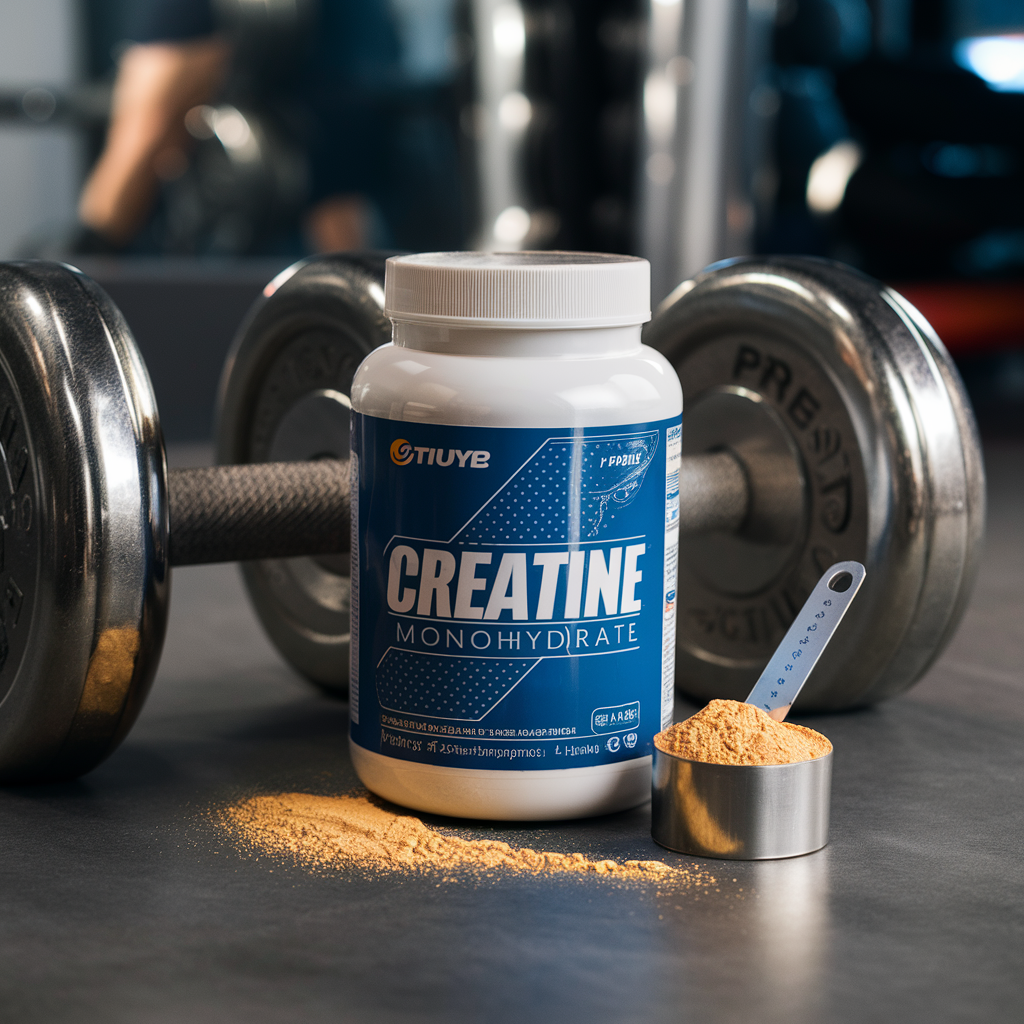
Key benefits of creatine supplementation include:
- Increased strength and power output
- Enhanced muscle growth and recovery
- Improved high-intensity exercise performance
- Potential cognitive benefits
- Cellular hydration that may support anabolism
When supplementing with creatine, your muscles gradually become saturated with phosphocreatine. This saturation typically takes time—either through a loading phase (faster) or consistent daily intake over several weeks (slower). Understanding this saturation principle is fundamental to considering timing strategies.
Does Timing Really Matter?
The question of precise timing is somewhat nuanced. Research shows that consistency in taking creatine daily is more important than exact timing for achieving muscle saturation. However, strategic timing may offer incremental benefits for some individuals.
Several studies have examined whether taking creatine at specific times produces superior results:
- A 2013 study in the Journal of the International Society of Sports Nutrition found similar gains in muscle mass and strength regardless of whether participants took creatine before or after workouts.
- However, a frequently cited 2006 study showed slightly better results when creatine was consumed post-workout compared to pre-workout.
- More recent research suggests that individual factors like meal timing, training intensity, and insulin sensitivity might influence optimal timing.
The scientific consensus suggests that while timing may offer some marginal benefits, the most critical factor remains consistent daily intake that maintains muscle creatine saturation.
Pre-Workout Creatine Timing
Taking creatine before your workout has several potential advantages that make it a popular choice among athletes and bodybuilders.
When consumed 30-60 minutes before exercise, creatine may:
- Ensure maximum creatine availability during your workout
- Potentially enhance performance for the immediate training session
- Combine effectively with other pre-workout ingredients like caffeine (though timing considerations exist)
- Establish a consistent supplementation routine tied to workout habits
Pre-workout timing may be particularly beneficial for those performing high-intensity, explosive activities like weightlifting, sprinting, or interval training. These activities rely heavily on the phosphocreatine energy system that creatine supplementation supports.
Many athletes combine creatine with carbohydrates before training, as insulin release can potentially enhance creatine uptake into muscle cells. A simple approach is adding creatine to a pre-workout shake containing fast-digesting carbohydrates.
Post-Workout Creatine Timing
The post-workout window represents another strategic time to take creatine, with some research suggesting it might offer slight advantages over pre-workout consumption.
Potential benefits of post-workout creatine include:
- Enhanced nutrient uptake due to increased blood flow to muscles
- Higher insulin sensitivity following exercise that may improve creatine transport
- Synergistic effects with post-workout protein and carbohydrates
- Support for the recovery and muscle-building processes that begin immediately after training

The recommended post-workout timing is within 30 minutes after completing your exercise session. This aligns with the traditional “anabolic window” concept, though current research indicates this window is wider than previously thought.
Post-workout creatine consumption works particularly well when combined with a recovery meal or shake containing both protein and carbohydrates. The insulin response from carbohydrates can potentially enhance creatine uptake, while protein kickstarts muscle protein synthesis that creatine may support.
Alternative Timing Approaches
While pre and post-workout timing receive the most attention, several alternative approaches deserve consideration:
During Workouts
Some athletes mix creatine into their intra-workout beverage. This approach ensures consumption on training days and may help with hydration, though there’s limited evidence of specific advantages to mid-workout consumption.
Consistent Daily Timing
Taking creatine at the same time each day—regardless of workout timing—simplifies compliance and ensures consistent muscle saturation. This approach prioritizes convenience and adherence over theoretical timing benefits.
Morning vs. Evening Consumption
Some report benefits from morning consumption for all-day energy, while others prefer evening dosing. Morning supplementation might provide energy throughout the day, while evening consumption could support overnight recovery processes.
Split Dosing
Dividing your daily creatine intake into smaller doses (e.g., 2-3g twice daily instead of 5g once) may improve tolerance for those who experience digestive discomfort with larger doses.
Ultimately, the most effective timing approach is one you can maintain consistently. For many, this means taking creatine as part of another established daily habit, whether that’s with breakfast, pre/post-workout nutrition, or an evening protein shake.
Creatine Loading Phase Timing
The loading phase is an optional but popular approach to rapidly saturate muscle creatine stores, typically involving higher doses (20-25g daily) for 5-7 days before transitioning to a maintenance dose.
During the loading phase, timing considerations include:
- Splitting the daily 20-25g into 4-5 smaller doses (typically 5g each) throughout the day
- Spacing doses approximately 3-4 hours apart for improved tolerance
- Taking doses with meals or carbohydrate-containing beverages to potentially enhance uptake
- Ensuring adequate hydration throughout the day
During loading, workout timing becomes less critical than consistent spacing throughout the day. The goal during this phase is rapid saturation of muscle stores, which is achieved through frequent dosing rather than strategic workout timing.
While loading accelerates the creatine saturation process, it’s worth noting that this approach isn’t essential. Taking 3-5g daily will achieve the same saturation level within approximately 3-4 weeks, though the performance benefits will develop more gradually.
Maintenance Phase Timing
Once your muscles are saturated with creatine (either through loading or consistent daily intake), you’ll enter the maintenance phase, typically involving 3-5g daily.
During maintenance:
- A single daily dose is sufficient to maintain muscle saturation
- Consistency becomes more important than specific timing
- Taking creatine on both training and rest days is recommended
- Many choose to align their daily dose with workout nutrition on training days
On training days, many find it convenient to take creatine either before or after workouts. On rest days, taking it with a meal containing carbohydrates may be beneficial, though research indicates that consistent daily intake is more important than specific meal timing during maintenance.
The key to successful maintenance is establishing a sustainable routine. Choose a time that aligns with existing habits to ensure you don’t miss doses, as consistency is crucial for maintaining elevated muscle creatine levels.
Special Considerations for Timing
Several factors can influence optimal creatine timing beyond simply workout proximity:
Carbohydrate Co-Ingestion
Research suggests consuming creatine with carbohydrates may enhance uptake due to insulin’s effect on creatine transport. A dose of 50-100g of simple carbohydrates appears optimal, making pre or post-workout nutrition an ideal opportunity.

Caffeine Interactions
Some studies suggest caffeine might temporarily counteract certain creatine benefits when consumed simultaneously. If you use caffeine pre-workout, consider taking creatine post-workout or separating intake by several hours, though more research is needed on this potential interaction.
Hydration Requirements
Creatine increases water retention in muscles, necessitating increased fluid intake. Timing creatine consumption with periods of higher water intake can support proper hydration.
Training Style Considerations
For strength athletes, pre or post-workout timing aligns with performance demands. Endurance athletes might benefit from pre-workout timing for activities including high-intensity components but should be mindful of additional hydration needs.
Personalized Timing Approaches
Individual factors significantly influence optimal creatine timing, including:
- Body type and metabolism: Those with faster metabolisms might benefit from more frequent dosing
- Training schedule: Multiple daily training sessions may warrant split dosing aligned with workouts
- Digestive tolerance: Some experience bloating with larger doses, necessitating smaller, more frequent amounts
- Meal patterns: Taking creatine with larger meals may improve tolerance and potentially enhance absorption
Finding your optimal timing may require experimentation. Consider tracking your energy levels, performance, and results with different timing approaches over 3-4 week periods to identify what works best for your body and schedule.
Common Myths About Creatine Timing
Several misconceptions persist regarding creatine timing:
Myth: Precise timing is essential for results
Reality: While timing may offer marginal benefits, consistent daily intake is far more important than perfect timing.
Myth: Taking creatine at night causes sleep problems
Reality: No evidence suggests creatine negatively impacts sleep; many athletes take it in the evening without issues.
Myth: Creatine must be taken with protein for effectiveness
Reality: While protein doesn’t hurt, carbohydrates may be more beneficial for enhancing creatine uptake due to insulin response.
Myth: Creatine timing must change during cutting phases
Reality: Timing principles remain consistent regardless of whether you’re in a caloric surplus or deficit.
Myth: Taking creatine without precise timing causes kidney damage
Reality: Research has consistently shown creatine to be safe for healthy individuals regardless of timing.
Expert Recommendations and Consensus
The scientific and practical consensus on creatine timing includes:
- The International Society of Sports Nutrition (ISSN) emphasizes consistent daily intake over specific timing
- Many researchers suggest post-workout may offer slight advantages, particularly when combined with carbohydrates
- Sports nutritionists often recommend aligning creatine intake with established nutrition habits to ensure compliance
- Elite athletes typically incorporate creatine into their pre or post-workout nutrition for practical reasons
Dr. Jose Antonio, a leading creatine researcher, summarizes: “The most important factor is taking creatine every day. Timing may provide small benefits but consistency is key.”
Practical Example Schedules
Here are some practical timing examples for different scenarios:
Morning Workout Schedule
- 5:30 AM: Wake up, hydrate
- 6:00 AM: Pre-workout meal with 3-5g creatine
- 6:30-7:30 AM: Workout
- 7:45 AM: Post-workout nutrition
- Alternative: Take full 3-5g dose post-workout instead
Evening Workout Schedule
- 5:00 PM: Pre-workout snack with 3-5g creatine
- 6:00-7:00 PM: Workout
- 7:30 PM: Post-workout meal
- Alternative: Take creatine with post-workout meal
Rest Day Schedule
- Option 1: Take 3-5g with breakfast
- Option 2: Take 3-5g with largest meal of the day
- Option 3: Maintain same timing as workout days for consistency
Loading Phase Example
- 8:00 AM: 5g with breakfast
- 12:00 PM: 5g with lunch
- 4:00 PM: 5g pre or post-workout
- 8:00 PM: 5g with dinner
Conclusion
The optimal time to take creatine depends on your individual preferences, schedule, and training regimen. While some evidence suggests potential benefits to pre or post-workout timing, particularly when combined with carbohydrates, the most critical factor remains consistent daily supplementation.
For most individuals, the best approach is to establish a convenient routine that ensures you take your 3-5g daily dose reliably, whether that’s with a specific meal, around workout time, or another consistent daily habit. This consistency is far more important than perfect timing.
If you’re looking to maximize potential benefits, consider experimenting with post-workout consumption combined with carbohydrates, as this approach has some research support. However, remember that the differences between timing strategies are likely to be minimal compared to the overall benefits of consistent creatine supplementation.
Ultimately, the best creatine timing strategy is one that you can maintain consistently over time, as the performance and muscle-building benefits come from sustained elevated muscle creatine levels rather than acute timing effects.
FAQs About Creatine Timing
Is it bad to take creatine before bed?
No, taking creatine before bed is not harmful. Some people prefer evening consumption as it’s easy to incorporate into nighttime routines, and no evidence suggests negative effects on sleep quality.
Should I take creatine on rest days?
Yes, creatine should be taken every day, including rest days. Muscle creatine levels need to remain elevated consistently, and skipping days can reduce the full benefits of supplementation.
Can I take creatine without working out?
While creatine primarily benefits those engaged in high-intensity exercise, some research suggests cognitive benefits even without exercise. However, the most significant benefits occur with regular training.
Does creatine timing affect sleep quality?
Research has not demonstrated any negative impact of creatine timing on sleep quality. Some users even report improved sleep when taking creatine, though individual responses may vary.
Should creatine timing change when cutting versus bulking?
The fundamental timing principles remain the same regardless of whether you’re in a caloric surplus or deficit. However, during cutting phases, taking creatine with remaining carbohydrate intake may help maximize uptake when overall carb consumption is lower.