

Tamarind is a fascinating tropical fruit that has captivated culinary enthusiasts and health practitioners alike for centuries. With its distinctive sweet-and-sour flavor profile, this pod-like fruit has become an essential ingredient in cuisines across Asia, Africa, and Latin America. Beyond its culinary applications, tamarind boasts an impressive nutritional profile and numerous health benefits that have made it a staple in traditional medicine systems worldwide. This comprehensive guide explores everything you need to know about tamarind – from its rich history and nutritional composition to its diverse applications in cooking, medicine, and beyond. Whether you’re a food enthusiast, health-conscious individual, or simply curious about this versatile fruit, this article will provide you with valuable insights into the wonderful world of tamarind.
Introduction to Tamarind
What is Tamarind?
Tamarind (Tamarindus indica) is a leguminous tree belonging to the family Fabaceae. Native to tropical Africa, this evergreen tree produces pod-like fruits containing a sweet-sour pulp that has become a culinary staple worldwide. The name “tamarind” derives from the Arabic term “tamar hindi,” meaning “Indian date,” reflecting its early trade routes. Botanically speaking, tamarind is a hardwood tree that can grow up to 80 feet tall and live for over 200 years, with its fruit being technically classified as an indehiscent legume.

History and Cultural Significance
Tamarind has a rich history dating back thousands of years. Though native to Africa, it was introduced to India so long ago that it became thoroughly integrated into Indian culture and cuisine, often leading to misconceptions about its origins. Arab traders introduced tamarind to medieval Europe, where it was primarily used for medicinal purposes. The Spanish and Portuguese later brought tamarind to the Americas during colonization. Throughout history, tamarind has held cultural significance in many societies – from being used in religious ceremonies in India to serving as a symbol of patience and endurance in African folklore due to the tree’s longevity.
Global Production and Availability
Today, tamarind is commercially grown throughout tropical and subtropical regions. India leads global production, accounting for approximately 300,000 tons annually, followed by Thailand, Mexico, Costa Rica, and several African nations. The fruit has become increasingly available worldwide through international trade, appearing in specialty markets, ethnic grocery stores, and even mainstream supermarkets in many countries. Due to its shelf stability in preserved forms, tamarind products can be found year-round in various forms, including paste, concentrate, powder, and packaged pulp.
Different Varieties of Tamarind
While many consumers may be familiar with only one type of tamarind, several varieties exist worldwide, each with distinctive characteristics:
- Sweet Tamarind – Contains higher sugar content and less tartaric acid, popular for direct consumption as a fruit
- Sour Tamarind – The most common variety used in cooking, with a higher tartaric acid concentration
- Thai Sweet Tamarind – A particularly sweet cultivar from Thailand with minimal sourness
- Manila Tamarind – Not true tamarind but a related species with similar flavor (Pithecellobium dulce)
- Velvet Tamarind – Smaller fruit related to true tamarind, popular in West Africa
Nutritional Profile of Tamarind
Comprehensive Nutritional Breakdown
Tamarind is a nutritional powerhouse, offering a remarkable array of vitamins, minerals, and beneficial compounds. The following breakdown illustrates what makes this fruit so valuable from a nutritional standpoint:
Vitamins
Tamarind is particularly rich in B vitamins, which are essential for energy metabolism and nervous system function:
- Thiamine (B1): 0.428 mg (36% of Daily Value)
- Riboflavin (B2): 0.152 mg (12% DV)
- Niacin (B3): 1.938 mg (12% DV)
- Vitamin C: 3.5 mg (6% DV)
- Vitamin K: 2.8 μg (3% DV)
Minerals
The mineral content of tamarind is particularly impressive, especially in terms of potassium, magnesium, and iron:
- Potassium: 628 mg (18% DV)
- Magnesium: 92 mg (23% DV)
- Iron: 2.8 mg (15% DV)
- Calcium: 74 mg (7% DV)
- Phosphorus: 113 mg (16% DV)
- Copper: 0.86 mg (43% DV)
Fiber Content
A 100-gram serving of tamarind pulp contains approximately 5.1 grams of dietary fiber, representing about 20% of the recommended daily intake. This high fiber content contributes to tamarind’s digestive benefits and its ability to promote satiety.
Caloric Value
Tamarind provides about 239 calories per 100-gram serving, making it relatively energy-dense compared to many other fruits. This caloric content comes primarily from its carbohydrates (62.5g per 100g), which include natural sugars and fiber.
Unique Compounds in Tamarind
Beyond standard nutrients, tamarind contains several unique compounds that contribute to its distinctive flavor and therapeutic properties:
Tartaric Acid
Tamarind is one of the few fruits that contains significant amounts of tartaric acid, which gives it its characteristic sour taste. This natural acid serves as a preservative and aids in digestion by stimulating taste buds and saliva production.
Antioxidants
Tamarind contains numerous antioxidants that help combat oxidative stress in the body:
- Phenolic compounds
- Procyanidins
- Tannins
- Epicatechin
Flavonoids
The fruit is rich in flavonoids, including apigenin, catechin, and naringenin, which contribute to its anti-inflammatory and antioxidant properties. These compounds have been linked to numerous health benefits, including reduced risk of chronic diseases.
Health Benefits of Tamarind
Digestive Health Benefits
Tamarind has long been valued for its positive effects on digestive health, offering several benefits:
Natural Laxative Properties
The combination of tartaric acid, malic acid, and potassium bitartrate in tamarind gives it mild laxative properties. These compounds help stimulate bile production and enhance intestinal motility, promoting regular bowel movements.
Relief from Constipation
The fruit’s high fiber content adds bulk to stool while its natural acids help soften it, making tamarind an effective natural remedy for constipation. A traditional approach involves soaking tamarind pulp in warm water and drinking the resulting liquid on an empty stomach.
Promotion of Gut Health
Tamarind contains prebiotic compounds that support beneficial gut bacteria. The fruit’s fiber and organic compounds create an environment that promotes microbial diversity in the gut microbiome, which is increasingly recognized as crucial for overall health.
Antioxidant and Anti-inflammatory Effects
Tamarind’s rich array of antioxidants helps neutralize free radicals that cause cellular damage. Research published in the Journal of Agricultural and Food Chemistry has demonstrated tamarind’s significant antioxidant capacity, comparable to or exceeding many common fruits. Additionally, compounds in tamarind help reduce inflammation markers in the body, potentially alleviating symptoms associated with inflammatory conditions like arthritis and inflammatory bowel disease.
Heart Health Benefits
Cholesterol Reduction
Studies suggest that tamarind extract may help lower LDL (bad) cholesterol levels while increasing HDL (good) cholesterol. A study published in the Journal of Pharmacy and Pharmacology found that tamarind extract reduced total cholesterol by up to 18% in animal models with high cholesterol diets.
Blood Pressure Regulation
The high potassium content in tamarind helps counterbalance sodium’s effects, potentially lowering blood pressure. Additionally, the fruit’s flavonoids may improve blood vessel function and reduce arterial stiffness, contributing to better blood pressure management.
Blood Sugar Management
Emerging research suggests tamarind may help manage blood sugar levels through multiple mechanisms. The fruit contains alpha-amylase inhibitors that slow carbohydrate digestion and absorption, potentially reducing post-meal blood sugar spikes. A study in the Journal of Ethnopharmacology found that tamarind extract improved glucose tolerance and reduced fasting blood sugar levels in diabetic animal models.
Weight Management Properties
Despite its relatively high calorie content, tamarind may support weight management efforts. Its fiber content promotes satiety, potentially reducing overall calorie intake. Additionally, research suggests tamarind extract may inhibit pancreatic lipase, an enzyme involved in fat digestion and absorption, potentially reducing dietary fat absorption.
Immune System Support
Tamarind contributes to immune function through its vitamin C content and other antioxidants. Regular consumption may help strengthen the body’s defense mechanisms against infections and illnesses. Some studies also suggest tamarind extracts have antimicrobial properties that may help fight certain bacteria and fungi.

Medicinal Uses of Tamarind
Traditional Medicinal Applications
Ayurvedic Medicine
In Ayurveda, India’s ancient medical system, tamarind (known as “Imli” or “Amlika”) has been used for thousands of years. It is classified as having both “ruksha” (dry) and “amla” (sour) properties, making it valuable for balancing the “Kapha” and “Pitta” doshas. Traditional applications include:
- Digestive aid for loss of appetite and constipation
- Fever reducer and antibiotic
- Treatment for bile disorders
- Blood purifier
- Remedy for skin conditions when applied topically
African Traditional Medicine
Across various African cultures, tamarind has long been prized for its medicinal properties:
- Relief for dysentery and parasitic infections
- Treatment for malaria in combination with other herbs
- Healing agent for skin injuries and infections
- Remedy for respiratory conditions
- Treatment for jaundice and liver ailments
Southeast Asian Remedies
In countries like Thailand, Malaysia, and the Philippines, tamarind features prominently in traditional healing practices:
- Sore throat treatment (often combined with honey)
- Morning sickness remedy during pregnancy
- Cooling agent for reducing excess body heat and fever
- Wound healing poultice
- Digestive tonic, particularly for children
Modern Therapeutic Applications
Contemporary uses of tamarind in complementary and alternative medicine include:
- Management of diabetes and metabolic syndrome
- Cardiovascular health support
- Antioxidant supplementation
- Weight management programs
- Natural laxative preparations
- Liver protection formulations
Scientific Research on Tamarind’s Medicinal Properties
Modern scientific investigations have begun to validate many traditional uses of tamarind:
- Antimicrobial activity: Studies in the Journal of Ethnopharmacology have shown tamarind extract effectively inhibits the growth of bacteria including E. coli, Salmonella, and Staphylococcus aureus.
- Antiviral effects: Research published in Phytotherapy Research suggests certain compounds in tamarind may have activity against herpes simplex virus and other viral pathogens.
- Anti-inflammatory action: Clinical studies indicate tamarind may reduce inflammatory markers and provide relief for conditions like arthritis.
- Antioxidant properties: Multiple studies confirm tamarind’s potent free radical scavenging capacity, potentially protecting against oxidative damage.
- Hepatoprotective effects: Research indicates tamarind extract may help protect liver cells from toxic damage.
Tamarind in Natural Remedies
Common home remedies utilizing tamarind include:
- Tamarind digestive drink: Soaking tamarind pulp in warm water, straining, and adding honey and ginger for digestive complaints
- Tamarind gargle: Diluted tamarind water used as a gargle for sore throats
- Tamarind poultice: Applied externally to reduce inflammation and promote wound healing
- Tamarind eye wash: Highly diluted and filtered tamarind water traditionally used to relieve eye irritation in some cultures (should be used with caution and proper preparation)
- Tamarind hair rinse: Used to add shine and manage dandruff in traditional hair care
Culinary Uses of Tamarind
Tamarind in Global Cuisines
Asian Cuisines
Tamarind plays a central role in numerous Asian culinary traditions:
- Thai cuisine: Essential in pad Thai, tom yum soup, and numerous curries and stir-fries, providing the characteristic sour note
- Indian cuisine: Featured in chutneys, curries (especially in the south), rasam soup, and sambar, balancing spicy flavors
- Vietnamese cuisine: Used in caramelized fish and meat dishes, soups, and dipping sauces
- Filipino cuisine: Key ingredient in sinigang (sour soup) and various seafood preparations
- Indonesian and Malaysian cuisines: Essential in dishes like asam pedas and various sambals
Latin American and Caribbean Uses
Following introduction by colonial traders, tamarind became integrated into these cuisines:
- Mexican cuisine: Featured in aguas frescas (beverages), chamoy sauce, and candy (often combined with chili)
- Brazilian cuisine: Used in molhos (sauces) and regional meat dishes
- Caribbean cuisine: Essential in Jamaican jerk marinades, chutneys, and beverages
- Central American cuisine: Used in refreshing drinks and sauces for seafood
African Culinary Applications
In its native continent, tamarind features prominently in:
- West African cuisine: Used in soups, stews, and sauces, particularly with fish
- East African cuisine: Featured in chutneys and meat marinades
- North African cuisine: Added to tagines and couscous dishes
- Sudanese cuisine: Essential in the popular “rob” sauce used to accompany various dishes
Common Dishes Featuring Tamarind
Iconic tamarind-centered dishes from around the world include:
- Pad Thai (Thailand): Stir-fried rice noodles with tamarind-based sauce, egg, tofu, bean sprouts, and peanuts
- Imli Chutney (India): Sweet and sour condiment made from tamarind, jaggery, and spices
- Sinigang (Philippines): Sour soup featuring tamarind as the souring agent, with meat or seafood and vegetables
- Tamarindo (Latin America): Sweet-tart beverage made from tamarind pulp, water, and sugar
- Sambar (South India): Lentil stew with vegetables and tamarind
- Assam Laksa (Malaysia): Spicy-sour fish soup with tamarind
- Worcester Sauce (England): Contains tamarind as a key ingredient providing tanginess
Tamarind as a Flavoring Agent
Sauces and Condiments
Tamarind’s complex sweet-sour profile makes it ideal for enhancing sauces and condiments:
- Tamarind chutney: Popular in Indian cuisine, balancing sweetness, sourness, and spice
- Tamarind-based barbecue sauces: Adding depth and tanginess to grilled meats
- Sambal asam: Spicy Southeast Asian condiment featuring tamarind
- Worcestershire sauce: Classic English sauce with tamarind as a key ingredient
- Chamoy: Mexican sauce combining tamarind with chili, lime, and salt
Beverages
Tamarind’s refreshing qualities have made it popular in drinks worldwide:
- Tamarind juice: Simple preparation of tamarind pulp, water, and sweetener
- Agua de tamarindo: Popular Mexican refreshment
- Tamarind cordial: Concentrated syrup used in cocktails and mixed drinks
- Jallab: Middle Eastern drink that sometimes incorporates tamarind
- Thai tamarind drink: Often combined with herbs like lemongrass or pandanus
Desserts
Tamarind’s complex flavor profile also works beautifully in sweet applications:
- Tamarind balls: Caribbean confection of tamarind pulp, sugar, and spices
- Tamarind ice cream and sorbets: Popular in Southeast Asia and Latin America
- Pulparindo: Mexican tamarind-based candy, often with chili
- Filipino tamarind candy: Sweet-sour confections often wrapped in edible paper
- Indian tamarind sweets: Combined with jaggery and spices in various confections
Tamarind Substitutes in Cooking
When tamarind is unavailable, these alternatives can approximate its flavor profile:
- Lime or lemon juice + brown sugar: 1:1 ratio for a simple approximation
- Pomegranate molasses: Similar sweet-sour profile, slightly more fruity
- Mango powder (amchur): Good substitute in Indian recipes
- Rice vinegar + brown sugar: Works well in Southeast Asian dishes
- Dried apricots soaked in lemon juice: Can replicate texture and flavor in some applications
Forms and Preparations of Tamarind
Fresh Tamarind Pods
Fresh tamarind pods consist of a brittle brown shell containing a sticky pulp that surrounds hard seeds. Fresh pods can be categorized as:
- Young green tamarind: Very sour, used in specific dishes requiring extreme tartness
- Mature brown tamarind: Perfect balance of sweetness and sourness
- Fully ripe tamarind: Higher sugar content, ideal for direct consumption as a fruit
To use fresh pods, crack the shell, remove the fibrous strings, and extract the pulp by hand or by soaking in warm water. The seeds are typically discarded, though they can be roasted and consumed in some culinary traditions.
Tamarind Paste and Concentrate
The most common commercial form of tamarind is processed into a thick, dark paste or concentrate:
- Tamarind paste: Typically contains some fiber and may include seeds, requiring straining before use
- Tamarind concentrate: More refined product, often with a thicker consistency and more intense flavor
- Seedless tamarind block: Compressed tamarind pulp with seeds and fibers removed
These forms offer convenience and long shelf life, making them popular for home cooking. When using paste or concentrate, remember it’s significantly more potent than fresh tamarind—typically one tablespoon of concentrate equals about four tablespoons of freshly prepared pulp.
Tamarind Powder
Dehydrated and ground tamarind creates a fine powder that offers convenience and extended shelf life:
- Instantly soluble in warm water
- Often combined with other spices in premade mixtures
- Convenient for dry rubs and seasoning blends
- Useful in areas where fresh tamarind is unavailable
When substituting powder for paste, use approximately 1 teaspoon of powder for every tablespoon of paste called for in recipes.
Tamarind Juice and Beverages
Ready-to-drink tamarind beverages are popular in many tropical countries:
- Pure tamarind juice: Made by diluting tamarind extract with water and sweetener
- Tamarind soda: Carbonated beverages featuring tamarind flavor
- Tamarind concentrate: Similar to cordial, designed to be diluted before drinking
- Tamarind-based alcoholic drinks: Including liqueurs and craft beers
Commercial juice products vary widely in tamarind content, with some containing only flavoring rather than real fruit extract. Check ingredient lists for authentic products.
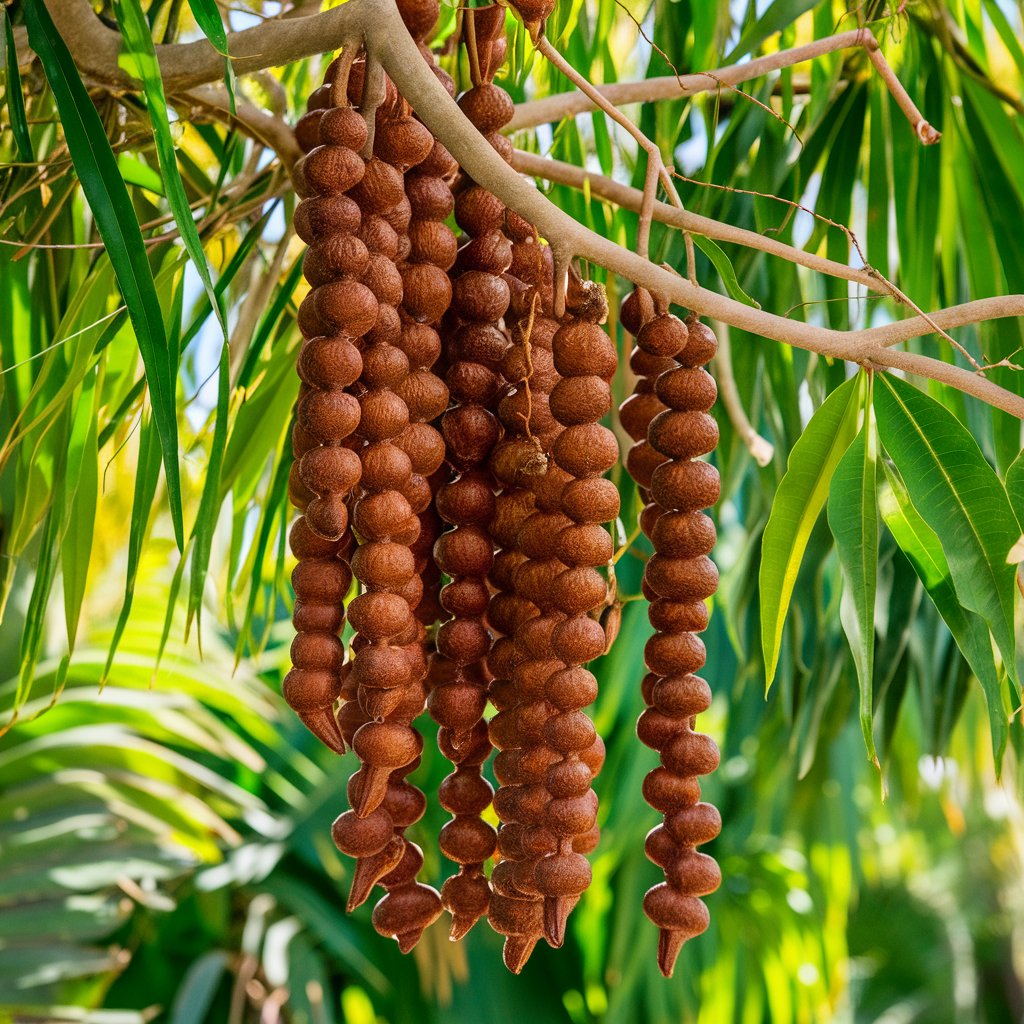
Commercial Tamarind Products
Beyond basic forms, tamarind appears in numerous specialized products:
- Tamarind candy: Popular in Latin America and Asia, often combining sweet, sour, and spicy flavors
- Tamarind sauces: Ready-to-use cooking and table sauces
- Tamarind chutney: Preserved condiment commonly used in Indian cuisine
- Tamarind spice blends: Premixed seasonings incorporating tamarind powder
- Pickled tamarind: Young tamarind preserved in brine or vinegar
- Tamarind supplements: Capsules or tablets marketed for health benefits
How to Select and Store Tamarind
Choosing Fresh Tamarind Pods
When selecting fresh tamarind pods, look for these indicators of quality:
- Appearance: Intact pods with firm, unbroken shells in a medium to dark brown color
- Texture: Pods should feel heavy for their size and have slight flexibility when pressed gently
- Sound: When shaken, the seeds inside should rattle slightly, indicating mature fruit
- Aroma: Pleasant sweet-sour smell without any fermented or moldy odors
- Surface: Avoid pods with white powdery substances, which may indicate mold growth
For cooking purposes, mature brown pods are ideal. For eating fresh, look for fully ripe pods that yield easily to pressure.
Selecting Quality Tamarind Paste and Products
When shopping for processed tamarind products, consider these factors:
- Ingredients: Look for products listing tamarind as the primary or only ingredient, avoiding those with excessive additives or preservatives
- Consistency: Quality paste should be thick, dark, and uniform in texture
- Packaging: Choose products in well-sealed containers without signs of leakage or contamination
- Color: Authentic tamarind paste ranges from medium to dark brown; avoid unusually light or reddish products
- Origin: Products from countries with significant tamarind cultivation like Thailand, India, or Mexico often offer superior quality
Proper Storage Methods
Different forms of tamarind require specific storage conditions:
Fresh Pods
- Store at room temperature for up to 1 week
- Can be refrigerated for 2-3 weeks in a paper bag
- For longer storage, extract the pulp and freeze it
Tamarind Paste/Concentrate
- Unopened: Store in a cool, dry place for up to 1 year
- Opened: Refrigerate with a tight seal for 3-6 months
- Transfer to an airtight container if the original packaging isn’t resealable
Tamarind Powder
- Store in an airtight container in a cool, dry place
- Keeps for up to 2 years if properly sealed
- Avoid exposure to moisture, which causes clumping
Shelf Life of Different Tamarind Forms
Understanding typical shelf life helps prevent waste:
- Fresh pods: 1-2 weeks at room temperature; 3-4 weeks refrigerated
- Extracted fresh pulp: 3-5 days refrigerated; up to 6 months frozen
- Compressed tamarind blocks: 1-3 years when properly stored
- Tamarind paste (unopened): 1-2 years
- Tamarind paste (opened): 3-6 months refrigerated
- Tamarind powder: 2-3 years in airtight container
- Tamarind juice/beverages: According to manufacturer’s expiration date, typically 6-12 months unopened
DIY Tamarind Preparations
Making Tamarind Paste at Home
Creating your own tamarind paste ensures freshness and allows you to control the consistency:
- Start with 8 oz (about 225g) of fresh tamarind pods or seedless tamarind block
- If using pods, remove the shells and peel away fibrous strings
- Place tamarind in a bowl and cover with 2 cups of warm water
- Soak for 20-30 minutes until softened
- Use your hands to mash the tamarind in the water, separating pulp from seeds
- Strain the mixture through a fine sieve, pressing to extract all liquid
- For a thicker paste, simmer the strained liquid over low heat until desired consistency is reached
- Store in a clean glass jar in the refrigerator for up to 3 months
Creating Tamarind Extract
Tamarind extract is a more liquid form useful for beverages and certain recipes:
- Combine 1 cup tamarind pulp (seeds removed) with 2 cups hot water
- Let steep for 10-15 minutes
- Mash thoroughly with a fork or potato masher
- Strain through cheesecloth or a fine mesh strainer, squeezing to extract all liquid
- For clearer extract, strain a second time
- Use immediately or refrigerate for up to 5 days
- Can be frozen in ice cube trays for longer storage
Simple Tamarind Recipes for Beginners
Easy Tamarind Chutney
Ingredients:
- 1 cup tamarind paste
- 1 cup jaggery or brown sugar
- 1 teaspoon cumin powder
- 1 teaspoon ginger powder
- ½ teaspoon red chili powder
- Salt to taste
- 1 cup water
Instructions:
- Combine all ingredients in a saucepan
- Bring to a simmer over medium heat
- Cook for 15-20 minutes until thickened
- Adjust seasonings to taste
- Cool completely before transferring to jars
- Refrigerate for up to 3 weeks
Refreshing Tamarind Drink
Ingredients:
- ¼ cup tamarind paste
- 4 cups water
- ½ cup sugar (adjustable)
- Pinch of salt
- Ice cubes
- Mint leaves for garnish (optional)
Instructions:
- Dissolve tamarind paste in 1 cup warm water
- Strain mixture to remove any fibers or seeds
- Add remaining water, sugar, and salt
- Stir until sugar dissolves
- Refrigerate until chilled
- Serve over ice with mint garnish if desired
Tamarind-based Home Remedies
Digestive Relief Drink
Ingredients:
- 2 tablespoons tamarind pulp
- 1 cup warm water
- 1 teaspoon honey
- ¼ teaspoon ginger powder
- Pinch of black salt (optional)
Instructions:
- Soak tamarind in warm water for 15 minutes
- Strain and press to extract liquid
- Add honey, ginger, and black salt if using
- Consume warm, preferably on an empty stomach
Tamarind Hair Conditioning Treatment
Ingredients:
- ¼ cup tamarind pulp
- 1 cup warm water
- 1 tablespoon coconut oil (optional)
Instructions:
- Soak tamarind in warm water for 30 minutes
- Mash and strain to create a smooth liquid
- Add coconut oil if desired and mix well
- Apply to hair, focusing on scalp and ends
- Leave for 20-30 minutes
- Rinse thoroughly with water
Potential Side Effects and Precautions
Possible Allergic Reactions
Though rare, tamarind allergies can occur. Watch for these symptoms after consumption:
- Skin reactions (hives, itching, or rash)
- Swelling of lips, tongue, or throat
- Digestive distress beyond what might be expected from acidic food
- Difficulty breathing or wheezing
- Anaphylaxis (severe, potentially life-threatening allergic reaction)
If you’ve never consumed tamarind before, start with a small amount to test for sensitivity, especially if you have known allergies to legumes, as tamarind belongs to the Fabaceae family.
Interaction with Medications
Tamarind may interact with certain medications and treatments:
- Aspirin and anticoagulants: Tamarind’s high tartaric acid content might enhance the effects of blood-thinning medications
- Diabetes medications: Tamarind may lower blood sugar, potentially enhancing the effect of antidiabetic drugs
- Fluoroquinolone antibiotics: Tamarind may decrease absorption of these antibiotics
- Ibuprofen and NSAIDs: May increase the risk of stomach irritation when combined with tamarind’s acidity
- Certain heart medications: The high potassium content in tamarind might interact with potassium-sparing diuretics
Always consult healthcare providers about potential interactions, especially when taking medications regularly.
Considerations for Special Populations
Pregnant Women
While tamarind is generally considered safe in food amounts during pregnancy, some considerations include:
- Moderation is key—excessive consumption may cause digestive discomfort
- Avoid medicinal preparations or concentrated supplements without medical approval
- Be aware that tamarind’s laxative effect might be stronger during pregnancy
- In some traditional systems, very large amounts of tamarind are believed to stimulate uterine contractions
Diabetics
People with diabetes should note:
- Tamarind may lower blood sugar levels, requiring monitoring and possibly medication adjustments
- Some commercial tamarind products contain added sugars
- Pure tamarind contains natural sugars (about 28-40% depending on ripeness)
- Consider using unsweetened tamarind and monitoring glucose response
People with Acid Reflux
The high acid content in tamarind may trigger or worsen symptoms in people with:
- Gastroesophageal reflux disease (GERD)
- Heartburn
- Acid reflux
- Sensitive stomach conditions
Those with these conditions may need to limit tamarind consumption or avoid it entirely, especially in concentrated forms.
Environmental and Sustainability Aspects
Tamarind Farming Practices
Tamarind cultivation presents several advantages from a sustainability perspective:
- Long-lived trees: Productive for 80-200 years, requiring less frequent replanting
- Drought resistance: Mature trees can withstand extended dry periods, making them adaptable to climate change
- Low input requirements: Established trees need minimal fertilization and pesticides
- Multiple harvest potential: A single tree can produce 150-500 kg of fruit annually
- Intercropping potential: Young tamarind orchards can support other crops between trees
Sustainable cultivation practices include organic fertilization with manure and compost, integrated pest management, and water conservation techniques.
Environmental Benefits of Tamarind Trees
Beyond fruit production, tamarind trees offer significant ecological advantages:
- Carbon sequestration: Long-lived trees store substantial carbon over their lifespan
- Soil improvement: As legumes, tamarind trees can fix atmospheric nitrogen
- Erosion control: Extensive root systems help prevent soil erosion on slopes
- Biodiversity support: Flowers attract pollinators, while trees provide habitat for birds and insects
- Microclimate improvement: Canopy provides shade and helps retain moisture in hot climates
- Windbreak function: Can protect other crops when planted as boundary trees
Sustainable Harvesting and Production
Ensuring tamarind remains environmentally friendly throughout its supply chain involves:
- Wild harvesting guidelines: Preventing overexploitation of naturally occurring trees
- Whole-tree utilization: Beyond fruit, sustainable operations use wood from prunings or end-of-life trees for crafts or fuel
- Processing efficiency: Modern facilities minimize water use and manage waste products
- Packaging considerations: Growing interest in biodegradable or recyclable packaging for tamarind products
- Fair trade practices: Ensuring equitable compensation for farmers, particularly in developing regions
- Certification programs: Various organic, sustainable, and fair trade certifications available for tamarind products
Buying Guide for Tamarind Products
What to Look for in Quality Products
Discerning consumers should consider these factors when purchasing tamarind:
Fresh Tamarind
- Brown, intact pods with slight flexibility
- Seeds that rattle when shaken
- No white powdery substances (potential mold)
- Pleasant aroma without fermented smells
Tamarind Paste/Concentrate
- Short ingredient list (ideally just tamarind)
- Dark brown color without artificial colorings
- Thick, uniform consistency
- No preservatives when possible
- Minimal added sugars or other sweeteners
Tamarind-Based Products
- High percentage of actual tamarind (check ingredient positioning)
- Authentic production methods
- Properly sealed packaging
- Clear labeling of additives and allergens
Online and Specialty Sources
Quality tamarind can be sourced from various retailers:
- International grocery stores: Asian, Indian, Mexican, and African markets typically carry various tamarind products
- Specialty food shops: Gourmet and health food stores increasingly stock tamarind
- Online retailers: E-commerce platforms provide access to global tamarind varieties
- Direct-from-producer websites: Some tamarind producers sell directly to consumers
- Farmer’s markets: In tropical/subtropical regions, local producers may sell fresh tamarind
Price Considerations
Tamarind prices vary widely based on several factors:
- Form factor: Processed products (paste, concentrate) typically cost more than raw pods
- Origin: Imported products generally command higher prices than locally produced items
- Organic certification: Certified organic tamarind products may cost 30-50% more than conventional options
- Package size: Bulk purchases typically offer better value but require proper storage
- Brand premium: Established brands may charge more than generic options
As a reference, expect to pay approximately:
- Fresh tamarind pods: $3-7 per pound
- Tamarind paste/concentrate: $5-10 for 8-16 oz container
- Tamarind powder: $7-12 for 7-8 oz package
- Specialty prepared products: Varies widely
Organic vs. Conventional Options
When deciding between organic and conventional tamarind products, consider:
Potential Benefits of Organic Tamarind
- Cultivation without synthetic pesticides or fertilizers
- Often produced using sustainable farming practices
- May support biodiversity in growing regions
- Potential reduction in environmental impact
Considerations for Conventional Tamarind
- Generally more affordable and widely available
- Established tamarind trees naturally require fewer inputs than many crops
- Wild-harvested tamarind may be effectively “organic” without certification
- Quality varies widely; reputable brands may maintain high standards regardless of organic status
For most consumers, either option can be suitable based on personal priorities regarding environmental impact, budget, and availability.
Conclusion
Summary of Tamarind’s Benefits and Versatility
Tamarind stands as one of nature’s most remarkable gifts, offering an impressive combination of culinary versatility and health benefits. This tropical fruit provides a wealth of essential nutrients including B vitamins, minerals like potassium and magnesium, and beneficial dietary fiber. Its unique sweet-sour flavor profile has made it indispensable in cuisines across Asia, Africa, and Latin America, while its medicinal properties have been valued in traditional healing systems for centuries.
Modern research continues to validate many traditional uses of tamarind, confirming its antioxidant, anti-inflammatory, and antimicrobial properties. From improving digestive health and supporting cardiovascular function to potentially aiding in blood sugar management, tamarind offers multiple pathways to enhanced wellbeing. Its culinary applications are equally diverse – from the tangy backbone of pad Thai to refreshing beverages and sweet-sour chutneys that complement countless dishes.
Encouraging Incorporation into Diet and Wellness Routines
For those new to tamarind, incorporating this versatile fruit into your diet need not be intimidating. Start with readily available products like tamarind paste or concentrate, which can be easily added to sauces, marinades, and beverages. Begin with small amounts to accustom your palate to its distinctive flavor, gradually exploring more traditional applications as your comfort level increases.
From a wellness perspective, tamarind can be integrated into daily routines through simple approaches – a refreshing tamarind drink to aid digestion, a tablespoon of paste in soups or stews for added depth and nutritional value, or as part of a balanced diet supporting overall health. While not a miracle food, tamarind represents a wholesome, natural addition to a varied diet, potentially offering benefits beyond basic nutrition.
Future Research and Developments in Tamarind Applications
The scientific community continues to explore tamarind’s potential, with emerging research focusing on several promising areas:
- Tamarind seed extract as a potential weight management aid
- Application of tamarind polysaccharides in pharmaceutical and food industries
- Tamarind’s role in gut microbiome health and its prebiotic potential
- Development of sustainable packaging materials from tamarind by-products
- Clinical studies on tamarind’s effects on specific health conditions
As global interest in natural, sustainable food sources continues to grow, tamarind’s profile as both a culinary treasure and functional food ingredient is likely to expand. With increasing availability and growing consumer awareness, this ancient fruit seems poised for a modern renaissance in kitchens and wellness routines worldwide.
Whether you’re drawn to tamarind for its distinctive culinary characteristics, its impressive nutritional profile, or its traditional medicinal applications, this remarkable fruit offers something for everyone. By embracing tamarind in its various forms, you connect with centuries of culinary and healing traditions while potentially enhancing your health through one of nature’s most versatile gifts.