

Pumpkin seeds may be small, but they pack a powerful nutritional punch. These emerald green gems have been valued for centuries across cultures for their remarkable healing properties. Native Americans used pumpkin seeds medicinally long before modern science confirmed their benefits. Today, these nutrient-dense seeds are recognized as a true superfood, offering an impressive array of health advantages from heart protection to hormone balance. In this comprehensive guide, we’ll explore the evidence-based benefits of pumpkin seeds, examining the scientific research behind their reputation as a health-boosting food and providing practical ways to incorporate them into your daily diet.
Nutritional Profile of Pumpkin Seeds
Pumpkin seeds, also known as pepitas, are nutritional powerhouses containing an impressive array of vitamins, minerals, and beneficial plant compounds. Understanding their nutritional composition explains why these small seeds deliver such significant health benefits.
Macronutrient Breakdown
A 1-ounce (28-gram) serving of shell-free pumpkin seeds contains approximately:
- Calories: 151
- Protein: 7 grams
- Fat: 13 grams (primarily healthy unsaturated fats)
- Carbohydrates: 5 grams
- Fiber: 1.7 grams
Pumpkin seeds are particularly notable for their high protein content, offering a complete protein source with all essential amino acids, making them an excellent option for plant-based diets.
Vitamin Content
These seeds are especially rich in:
- Vitamin E: A powerful antioxidant that protects cells from oxidative damage
- B vitamins: Including B1, B2, B3, B5, B6, and folate, which support energy metabolism
- Vitamin K: Essential for blood clotting and bone health
Mineral Content
Pumpkin seeds are exceptionally mineral-dense, containing:
- Magnesium: 37% of the RDI in just one ounce
- Zinc: 14% of the RDI, crucial for immune function and reproductive health
- Iron: 23% of the RDI, essential for oxygen transport in the blood
- Phosphorus: 33% of the RDI, important for bone health
- Copper, Manganese, and Potassium: In significant amounts
Antioxidants and Plant Compounds
Pumpkin seeds contain various antioxidants and beneficial plant compounds including:
- Carotenoids
- Vitamin E
- Phytosterols
- Lignans
These compounds contribute to the seeds’ anti-inflammatory and health-protective effects.
Seed Comparison Chart
| Nutrient (per oz/28g) | Pumpkin Seeds | Chia Seeds | Flax Seeds | Sunflower Seeds |
|---|---|---|---|---|
| Calories | 151 | 138 | 150 | 164 |
| Protein (g) | 7 | 4.7 | 5.1 | 5.8 |
| Fiber (g) | 1.7 | 10.6 | 7.8 | 2.6 |
| Magnesium (mg) | 156 | 95 | 110 | 37 |
| Zinc (mg) | 2.2 | 1.0 | 1.2 | 1.5 |
As this comparison shows, pumpkin seeds stand out for their exceptional protein and mineral content, particularly magnesium and zinc, compared to other popular seeds.
Heart Health Benefits
Pumpkin seeds offer remarkable cardiovascular benefits supported by scientific evidence. Their unique nutrient composition works synergistically to protect heart health in multiple ways.
Effects on Cholesterol Levels
Research shows that pumpkin seeds can positively impact cholesterol profiles:
- A 2012 study published in the Journal of Medicinal Food found that pumpkin seed oil supplementation increased HDL (good) cholesterol by 16% and reduced LDL (bad) cholesterol by 7%.
- Phytosterols in pumpkin seeds block the absorption of cholesterol in the digestive tract, helping to lower total blood cholesterol.
- The high magnesium content helps regulate cholesterol production in the liver.
Blood Pressure Regulation
Pumpkin seeds contain several compounds that help maintain healthy blood pressure:
- Magnesium helps relax blood vessels and improve blood flow.
- Potassium balances sodium levels, supporting healthy blood pressure.
- A 2019 study in Nutrients journal found that pumpkin seed oil supplementation resulted in significant reductions in both systolic and diastolic blood pressure after 12 weeks.
Anti-inflammatory Properties
Chronic inflammation is a key factor in heart disease development. Pumpkin seeds help reduce inflammation through:
- Antioxidants like vitamin E that neutralize free radicals.
- Omega-3 fatty acids that produce anti-inflammatory effects.
- Linoleic acid that has been shown to decrease inflammatory markers in research studies.
Magnesium’s Role in Heart Health
The exceptional magnesium content in pumpkin seeds (156mg per ounce) provides significant cardiac benefits:
- Magnesium deficiency is linked to higher risk of heart disease, arrhythmias, and sudden cardiac death.
- Studies show that each 100mg increase in magnesium intake reduces heart failure risk by approximately 22%.
- Magnesium helps regulate the electrical activity that keeps the heart beating steadily.
A 2017 meta-analysis published in the American Journal of Clinical Nutrition found that higher magnesium intake was associated with a 10% lower risk of coronary heart disease and a 26% lower risk of type 2 diabetes.
Benefits for Prostate and Bladder Health
Pumpkin seeds have a long history of use for urinary and prostate health, with modern research increasingly supporting these traditional applications.
Zinc Content and Prostate Health
The prostate contains one of the highest concentrations of zinc in the body, and pumpkin seeds are one of the richest plant-based sources of this essential mineral:
- Zinc is crucial for proper prostate function and hormone metabolism.
- Low zinc levels have been correlated with increased risk of prostate enlargement and prostate cancer.
- One ounce of pumpkin seeds provides about 14% of the daily recommended intake of zinc.
Studies on BPH (Benign Prostatic Hyperplasia)
BPH is a common condition affecting older men that involves non-cancerous enlargement of the prostate gland. Research on pumpkin seeds and BPH has shown promising results:
- A one-year study in over 1,400 men with BPH found that pumpkin seed extract significantly improved urinary symptoms and quality of life.
- A 2014 controlled study showed that taking 320 mg of pumpkin seed oil daily for six months reduced symptoms of BPH and improved quality of life.
- The phytosterols in pumpkin seeds appear to interfere with DHT (dihydrotestosterone), a hormone that contributes to prostate growth.
Effects on Urinary Function
Pumpkin seeds show benefits for bladder health and urinary function:
- Research indicates that pumpkin seed extract can improve urinary flow rate and decrease nighttime urination frequency.
- Animal studies suggest that pumpkin seeds may help treat urinary disorders and reduce bladder pressure.
- A 2014 study in the Journal of Traditional and Complementary Medicine found that pumpkin seed oil reduced symptoms of overactive bladder.
The combination of anti-inflammatory compounds, zinc, and unique plant sterols makes pumpkin seeds particularly beneficial for maintaining prostate and urinary tract health as men age.
Blood Sugar Regulation and Diabetes Management
Emerging research suggests that pumpkin seeds may play a valuable role in managing blood sugar levels and supporting people with diabetes.
Effects on Insulin Sensitivity
Pumpkin seeds contain several compounds that may improve the body’s response to insulin:
- A 2018 study published in Critical Reviews in Food Science and Nutrition found that pumpkin seed extract improved glucose tolerance in diabetic animal models.
- The high manganese content in pumpkin seeds contributes to glucose metabolism and insulin secretion.
- Unsaturated fatty acids in pumpkin seeds help improve insulin sensitivity by modifying cell membrane composition.
Magnesium’s Role in Glucose Metabolism
The abundant magnesium in pumpkin seeds is particularly important for blood sugar regulation:
- Magnesium is involved in more than 600 enzymatic reactions, including those related to glucose metabolism.
- Research shows that magnesium deficiency can impair insulin secretion and action.
- A systematic review in Diabetes Care found that higher magnesium intake was associated with a 14% reduced risk of developing type 2 diabetes.
- One ounce of pumpkin seeds provides about 37% of the daily magnesium requirement.
Research on Pumpkin Seeds and Diabetes
Several studies have examined the potential anti-diabetic effects of pumpkin seeds:
- A 2016 study in the Journal of Medicinal Food found that pumpkin seed extract lowered blood sugar levels and improved insulin sensitivity in diabetic animal models.
- Research published in the Journal of the Science of Food and Agriculture showed that pumpkin seed protein hydrolysates inhibited angiotensin-converting enzyme (ACE), potentially benefiting individuals with diabetes who often have hypertension.
- A clinical trial published in the Journal of Functional Foods found that consuming 65 grams of pumpkin seeds daily for 12 weeks improved glycemic control in people with type 2 diabetes.
Glycemic Index and Suitability for Diabetics
Pumpkin seeds are suitable for people with diabetes for several reasons:
- Low glycemic index that doesn’t cause sharp blood sugar spikes
- High in protein and healthy fats that slow glucose absorption
- Rich in fiber that improves glycemic response
- Contains compounds that may help protect against diabetes complications
The combination of these properties makes pumpkin seeds an excellent addition to a diabetes-friendly diet when consumed as part of a balanced meal plan.
Sleep Improvement and Mental Health Benefits
Pumpkin seeds contain a unique nutrient profile that may support better sleep quality and improved mental wellbeing through several mechanisms.
Tryptophan Content and Sleep Regulation
Pumpkin seeds are rich in tryptophan, an amino acid that plays a key role in sleep regulation:
- Tryptophan is converted to serotonin in the brain, which is then converted to melatonin, the hormone that regulates sleep-wake cycles.
- A 2019 study in Nutritional Neuroscience found that foods rich in tryptophan improved sleep quality and reduced the time needed to fall asleep.
- One ounce of pumpkin seeds contains approximately 58mg of tryptophan.
Magnesium’s Role in Sleep Quality
The high magnesium content in pumpkin seeds contributes significantly to sleep benefits:
- Magnesium helps activate the parasympathetic nervous system, responsible for relaxation and rest.
- It regulates neurotransmitters that calm the brain and body.
- A clinical trial published in the Journal of Research in Medical Sciences found that magnesium supplementation improved insomnia severity, sleep efficiency, and melatonin concentrations.
- Magnesium binds to GABA receptors, producing a calming effect that promotes sleep.
Zinc Effects on Brain Function and Mood
The zinc in pumpkin seeds plays several important roles in brain health and mood regulation:
- Zinc is essential for brain development and function.
- It modulates the brain and body’s response to stress.
- Research in Nutritional Neuroscience has linked zinc deficiency to increased anxiety and depression.
- Zinc supplementation has been shown to reduce depression symptoms in clinical studies.
Stress Reduction Properties
Pumpkin seeds may help manage stress through several pathways:
- The combination of magnesium, zinc, and B vitamins supports the body’s stress response system.
- Antioxidants in pumpkin seeds help combat oxidative stress that can affect mental health.
- Studies suggest that the fatty acid profile in pumpkin seeds may have anti-anxiety effects.
- Regular consumption of nutrient-dense foods like pumpkin seeds is associated with lower stress levels in epidemiological studies.
For those struggling with sleep issues or stress, incorporating a small handful of pumpkin seeds into their evening routine might provide natural support for better rest and relaxation.
Immune System Support
The robust nutritional profile of pumpkin seeds makes them valuable allies for immune system function and protection against infections.
Zinc and Immune Function
Zinc is one of the most critical nutrients for immune health, and pumpkin seeds are an excellent source:
- Zinc is essential for the development and function of immune cells, particularly T-lymphocytes.
- It helps maintain the integrity of skin and mucosal membranes, the body’s first line of defense.
- Research in the Journal of Trace Elements in Medicine and Biology shows that even mild zinc deficiency can impair immune response.
- Studies have shown that adequate zinc levels can reduce the duration and severity of common colds.
Antioxidant Content and Infection Prevention
Pumpkin seeds are rich in various antioxidants that support immune function:
- Vitamin E helps protect immune cells from oxidative damage.
- Carotenoids enhance immune cell communication and function.
- Phenolic compounds in pumpkin seeds have been shown to have immunomodulatory effects.
- A 2014 study in Food Chemistry found that pumpkin seed extract exhibited significant antioxidant activity that could help prevent oxidative stress-related immune dysfunction.
Anti-microbial Properties
Pumpkin seeds contain compounds with natural antimicrobial properties:
- Research published in the Journal of Agricultural and Food Chemistry identified antimicrobial peptides in pumpkin seeds that showed activity against various pathogens.
- Traditional medicine has used pumpkin seeds to combat parasitic infections, with modern research providing some supporting evidence.
- Studies have found that pumpkin seed extracts exhibit activity against certain bacteria, including E. coli and Staph aureus.
Evidence from Clinical Studies
Emerging clinical research supports the immune-boosting effects of pumpkin seeds:
- A 2018 randomized controlled trial found that subjects who consumed pumpkin seed oil showed improved immune markers after 12 weeks.
- Research in the International Journal of Molecular Sciences demonstrated that compounds in pumpkin seeds can stimulate macrophage activity, enhancing the body’s ability to identify and destroy pathogens.
- Studies suggest that the unique combination of nutrients in pumpkin seeds may have synergistic effects on immune function that exceed what individual nutrients provide alone.
Including pumpkin seeds regularly in the diet may be a simple yet effective strategy to support optimal immune function, especially during cold and flu season or times of increased immune challenge.
Bone Health Benefits
The impressive mineral content of pumpkin seeds makes them particularly beneficial for maintaining strong, healthy bones throughout life.
Mineral Content and Bone Density
Pumpkin seeds contain several minerals crucial for bone structure and strength:
- Magnesium: Approximately 60% of the body’s magnesium is stored in bone tissue. It helps regulate calcium balance and influences the activities of osteoblasts and osteoclasts, the cells involved in bone remodeling.
- Zinc: Essential for bone matrix development and the activity of enzymes needed for bone collagen synthesis.
- Phosphorus: A major structural component of bone as calcium phosphate crystals.
- Manganese: Required for the synthesis of bone cartilage and bone collagen.
- Copper: Necessary for cross-linking collagen and elastin, providing strength and flexibility to bone tissue.
Protective Effects Against Osteoporosis
Research suggests pumpkin seeds may help protect against bone loss:
- A 2016 study in the Journal of Medicinal Food found that pumpkin seed oil supplementation helped prevent bone loss in animal models of osteoporosis.
- The anti-inflammatory compounds in pumpkin seeds may help reduce inflammation-related bone loss.
- Magnesium deficiency is associated with lower bone mineral density, and pumpkin seeds’ high magnesium content helps address this risk factor.
- Zinc deficiency has been linked to osteoporosis, and the zinc in pumpkin seeds supports healthy bone turnover.
Comparative Studies with Other Foods
When compared to other foods commonly recommended for bone health, pumpkin seeds offer unique advantages:
- They provide a balanced profile of multiple bone-supporting minerals, whereas many foods focus on calcium alone.
- Research in the Journal of the American College of Nutrition found that magnesium (abundant in pumpkin seeds) may be as important as calcium for bone health.
- A comparative study published in Nutrients found that plant foods rich in zinc, magnesium, and antioxidants—such as pumpkin seeds—provided bone health benefits comparable to dairy products in some measures.
- Unlike some calcium-rich foods, pumpkin seeds have an alkaline-forming effect when metabolized, which helps prevent calcium leaching from bones that can occur with acid-forming diets.
For those concerned about bone health, particularly women approaching menopause or those at risk for osteoporosis, incorporating pumpkin seeds into the diet provides a plant-based source of critical bone-building nutrients.
Anti-Cancer Properties
Emerging research suggests that pumpkin seeds may contain compounds with potential anti-cancer properties, though it’s important to note that most studies are preliminary and more human clinical trials are needed.
Antioxidants and Cancer Prevention
Pumpkin seeds are rich in antioxidants that may help reduce cancer risk:
- They contain vitamin E (tocopherols), carotenoids, and selenium that neutralize harmful free radicals that can damage DNA and promote cancer development.
- A 2012 study in the Journal of Agricultural and Food Chemistry found that pumpkin seed extract exhibited significant free radical scavenging activity.
- Research published in Food Research International demonstrated that the antioxidant compounds in pumpkin seeds reduced oxidative stress markers in laboratory studies.
Lignans and Hormone-Related Cancers
Pumpkin seeds contain lignans, plant compounds that may have protective effects against hormone-related cancers:
- Lignans can be converted into compounds that have weak estrogenic or anti-estrogenic effects, potentially helping balance hormone levels.
- A meta-analysis published in the British Journal of Nutrition found that higher lignan intake was associated with reduced breast cancer risk.
- Studies suggest that lignans may help reduce the growth and spread of prostate cancer cells.
- The secoisolariciresinol and lariciresinol lignans in pumpkin seeds may have particular benefits for hormone metabolism.
Research on Specific Cancer Types
Several studies have investigated the effects of pumpkin seed compounds on specific types of cancer:
- Prostate cancer: A 2016 German study found that pumpkin seed extract inhibited the growth of prostate cancer cells and induced apoptosis (programmed cell death) in these cells.
- Breast cancer: Research in Nutrition and Cancer suggested that the phytoestrogens in pumpkin seeds may help modulate estrogen receptor activity in breast tissue.
- Colon cancer: A study in the European Journal of Nutrition found that pumpkin seed oil reduced inflammation and oxidative damage in colon cells, potentially reducing colon cancer risk.
- Liver cancer: Animal studies have shown that pumpkin seed extract may have protective effects against liver cancer development.
Limitations of Current Research
While promising, research on pumpkin seeds and cancer has important limitations:
- Most studies have been conducted in laboratory settings or animal models, with limited human clinical trials.
- The doses used in some studies are higher than what would typically be consumed in the diet.
- Many studies use pumpkin seed extracts rather than whole seeds, which may have different effects.
- Cancer is a complex disease influenced by multiple factors, and no single food can be considered a cancer cure.
While pumpkin seeds show promise as part of a cancer-preventive diet, they should be viewed as one component of a comprehensive approach to health that includes regular screening, a varied diet rich in plant foods, physical activity, and avoiding known carcinogens like tobacco.
Digestive Health Benefits
Pumpkin seeds offer several benefits for digestive health, from supporting regular bowel movements to potentially addressing specific digestive conditions.
Fiber Content and Gut Health
Though not as high in fiber as some other seeds, pumpkin seeds still contribute to dietary fiber intake:
- One ounce of pumpkin seeds contains approximately 1.7 grams of fiber, which supports regular bowel movements.
- The combination of fiber and healthy fats in pumpkin seeds helps slow digestion, promoting satiety and stable blood sugar levels.
- Research suggests that the fiber in seeds may help feed beneficial gut bacteria, supporting a healthy microbiome.
- A 2019 study in the Journal of Food Science found that pumpkin seed flour had prebiotic effects, promoting the growth of beneficial Lactobacillus and Bifidobacterium species.
Anti-Parasitic Properties
Pumpkin seeds have a long history of use as a natural remedy for intestinal parasites:
- They contain cucurbitacin, a compound with demonstrated anti-parasitic effects.
- A study published in the International Journal of Molecular Sciences confirmed the effectiveness of pumpkin seed extracts against certain intestinal worms.
- Research in Parasitology Research found that pumpkin seed protein effectively reduced intestinal parasite load in animal studies.
- Traditional medicine has used pumpkin seeds to expel tapeworms and other intestinal parasites for centuries, particularly in Central American and Asian cultures.
Effects on Digestive Disorders
Emerging research suggests pumpkin seeds may help with several digestive conditions:
- Irritable Bowel Syndrome (IBS): The magnesium in pumpkin seeds may help relax digestive muscles and reduce cramping associated with IBS.
- Inflammatory Bowel Disease (IBD): The anti-inflammatory compounds in pumpkin seeds might help reduce inflammation in the digestive tract.
- Acid Reflux: Some preliminary studies suggest that the zinc and phytosterols in pumpkin seeds may help protect the esophageal lining from acid damage.
- Diverticular Disease: The fiber content can support overall colon health and reduce the risk of diverticulitis flare-ups.
Prebiotic Potential
Pumpkin seeds may function as prebiotics, supporting beneficial gut bacteria:
- The oligosaccharides in pumpkin seeds can serve as food for probiotic bacteria.
- Research in Food Chemistry identified unique carbohydrate structures in pumpkin seeds that may promote the growth of beneficial microorganisms.
- A healthy gut microbiome supported by prebiotic foods has been linked to improved digestion, enhanced immunity, and even better mental health.
- The combination of fiber, zinc, and antioxidants in pumpkin seeds creates an environment that favors beneficial bacteria over harmful ones.
For those looking to support digestive health naturally, incorporating pumpkin seeds into the diet offers a simple, tasty option with multiple potential benefits for the entire digestive system.
Skin and Hair Health
The rich nutrient profile of pumpkin seeds offers significant benefits for skin and hair health, supported by both traditional use and emerging scientific evidence.
Effects of Zinc and Fatty Acids on Skin Conditions
Pumpkin seeds contain specific nutrients that directly benefit skin health:
- Zinc: Essential for skin cell regeneration, collagen synthesis, and wound healing. Research published in Dermatologic Therapy found that zinc supplementation improved acne, rosacea, and eczema symptoms.
- Fatty acids: The omega-3 and omega-6 fatty acids in pumpkin seeds help maintain skin barrier function and reduce inflammation. A study in the Journal of Clinical and Aesthetic Dermatology linked fatty acid consumption to improvements in skin hydration and reduced sensitivity.
- Vitamin E: Acts as a powerful antioxidant protecting skin cells from UV and environmental damage. Research in the Journal of Cosmetic Dermatology demonstrated that vitamin E helps prevent photoaging and supports skin repair mechanisms.
These nutrients work synergistically to address various skin concerns:
- Acne: The anti-inflammatory and zinc content may help reduce acne severity and promote healing of lesions.
- Eczema and psoriasis: The combination of fatty acids and antioxidants can help reduce inflammatory skin conditions.
- Aging skin: Antioxidants fight free radical damage that contributes to premature aging, while zinc supports collagen production for skin elasticity.
Benefits for Hair Growth and Strength
Pumpkin seeds provide numerous compounds that support healthy hair:
- Zinc: Deficiency is linked to hair loss and brittle hair. A 2013 study in Annals of Dermatology found that zinc status was significantly lower in patients with hair loss.
- Iron: Essential for delivering oxygen to hair follicles. Pumpkin seeds provide plant-based iron that helps prevent hair thinning due to iron deficiency.
- Fatty acids: Help maintain scalp health and provide moisture to the hair shaft.
- L-lysine: An amino acid in pumpkin seeds that helps strengthen hair and prevent breakage.
Research specific to pumpkin seeds and hair health includes:
- A 2014 study published in Evidence-Based Complementary and Alternative Medicine found that men with mild to moderate male pattern baldness who took pumpkin seed oil supplements for 24 weeks saw a 40% increase in hair count, compared to 10% in the placebo group.
- Research suggests the phytosterols in pumpkin seeds may help block enzymes and hormones responsible for hair loss, particularly DHT (dihydrotestosterone).
Topical vs. Dietary Consumption
Both consumption and topical application of pumpkin seed derivatives offer benefits:
- Dietary consumption: Provides nutrients that reach skin and hair through the bloodstream, supporting health from within. Regular consumption ensures consistent nutrient delivery to skin and hair follicles.
- Topical application: Pumpkin seed oil is increasingly used in skincare and hair care products for direct application:
- A 2018 study in the Journal of Cosmetic Dermatology found that topical pumpkin seed oil improved skin hydration and elasticity.
- Research shows that the linoleic acid in pumpkin seed oil may help reduce scalp inflammation when applied topically.
- Cosmetic formulations containing pumpkin seed extracts have demonstrated antioxidant and skin-protecting properties in laboratory studies.
For optimal skin and hair benefits, both consumption of pumpkin seeds and use of quality products containing pumpkin seed oil may provide complementary effects.
Weight Management Support
While no single food can guarantee weight loss, pumpkin seeds offer several properties that may support healthy weight management when incorporated into a balanced diet.
Protein and Fiber Effects on Satiety
Pumpkin seeds contain a powerful combination of nutrients that promote fullness:
- Protein: With 7 grams per ounce, pumpkin seeds provide high-quality plant protein that increases satiety hormones and reduces hunger. A 2015 study in Nutrition Journal found that protein consumption led to greater feelings of fullness compared to carbohydrates or fat.
- Fiber: Though modest at 1.7 grams per ounce, the fiber in pumpkin seeds contributes to satiety by slowing digestion and stabilizing blood sugar. Research in the Journal of Nutrition showed that even small increases in dietary fiber can improve weight management outcomes.
- Healthy fats: The monounsaturated and polyunsaturated fats in pumpkin seeds increase satisfaction after meals and slow gastric emptying, helping you feel full longer.
This nutrient profile makes pumpkin seeds an excellent snack choice for those trying to manage hunger between meals.
Metabolic Benefits
Several compounds in pumpkin seeds support healthy metabolism:
- Magnesium: Essential for energy production and glucose metabolism. Research in the Journal of the American Board of Family Medicine found that magnesium supplementation improved insulin sensitivity and metabolic control.
- Zinc: Plays a critical role in insulin function and hormone regulation, both important for metabolic health. A 2019 study in Nutrients demonstrated that zinc status was correlated with healthier body composition and metabolic markers.
- B vitamins: Crucial for converting food into energy rather than storing it as fat. The B-complex vitamins in pumpkin seeds support efficient metabolism.
- Antioxidants: May help reduce inflammation associated with obesity. Chronic inflammation can disrupt metabolic processes, so the anti-inflammatory compounds in pumpkin seeds might indirectly support weight management.
Studies on Weight Management
Research on pumpkin seeds and weight management shows promising results:
- A 2019 study published in Nutrition and Metabolism found that participants who consumed 2 ounces of mixed seeds (including pumpkin seeds) daily as part of a weight management program lost more weight and showed greater improvements in waist circumference compared to those who didn’t consume seeds.
- Research in the Journal of Functional Foods demonstrated that pumpkin seed oil supplementation was associated with reduced weight gain and improved lipid profiles in animal models fed high-fat diets.
- A study in Food & Nutrition Research found that regular consumption of nuts and seeds, including pumpkin seeds, was associated with lower body weight and reduced risk of obesity in a large population study.
While these results are promising, it’s important to note that pumpkin seeds are calorie-dense (approximately 151 calories per ounce), so portion control is key when incorporating them into a weight management plan.
For best results, replace less nutritious snacks with measured portions of pumpkin seeds, and enjoy them as part of an overall balanced diet and active lifestyle.
How to Incorporate Pumpkin Seeds into Your Diet
Pumpkin seeds are versatile, delicious, and easy to include in your daily eating routine. Here are various ways to enjoy their benefits while maximizing their nutritional value.
Raw vs. Roasted Pumpkin Seeds
Both raw and roasted pumpkin seeds offer health benefits, but there are notable differences:
- Raw pumpkin seeds:
- Contain higher levels of certain nutrients, particularly heat-sensitive vitamins
- Retain all of their beneficial enzymes
- Have a chewier texture and milder flavor
- May be more difficult to digest for some people
- Roasted pumpkin seeds:
- Have enhanced flavor and crunchier texture
- May be easier to digest for some individuals
- Typically retain most minerals, though some vitamins might decrease slightly
- Can be seasoned in various ways for different flavor profiles
For maximum nutrition with improved digestibility, consider light roasting at low temperatures (around 170°F/75°C) for 15-20 minutes.
Recommended Daily Serving Sizes
While pumpkin seeds are nutrient-dense, they’re also calorie-dense. Recommended servings include:
- General population: 1-2 tablespoons (approximately 1 ounce or 28 grams) daily
- For specific health concerns:
- Prostate health: Up to 2 ounces daily
- Sleep improvement: 1 ounce a few hours before bedtime
- Weight management: Limit to 1 ounce daily as part of a calorie-controlled diet
One ounce (28 grams) of pumpkin seeds contains approximately 151 calories, 7 grams of protein, and 13 grams of healthy fats.
Storage Tips for Maximum Freshness
To preserve the healthy oils in pumpkin seeds and prevent rancidity:
- Short-term storage (1-3 months): Store in an airtight container in a cool, dark pantry
- Medium-term storage (3-6 months): Keep in an airtight container in the refrigerator
- Long-term storage (up to 1 year): Store in an airtight container or freezer bag in the freezer
- Always check for signs of rancidity (bitter taste, unpleasant smell) before consuming
- Purchase seeds from retailers with high turnover to ensure freshness
Simple Recipes and Serving Suggestions
Here are versatile ways to incorporate pumpkin seeds into your diet:
- Breakfast options:
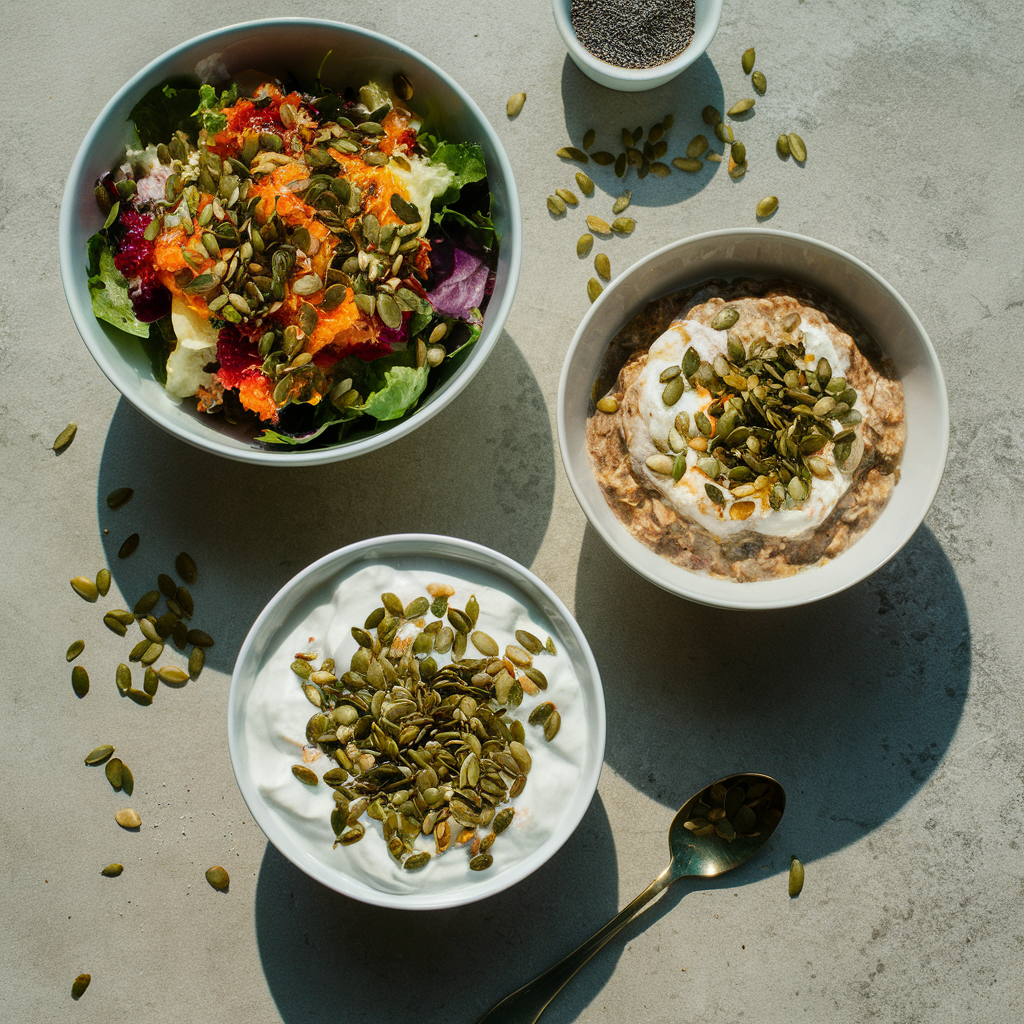
- Sprinkle on oatmeal, yogurt, or smoothie bowls
- Blend into smoothies for added nutrition
- Mix into homemade granola or muesli
- Main dishes:
- Add to salads for crunch and nutrition
- Incorporate into veggie burgers or meat patties
- Use as a crust for baked fish or chicken
- Sprinkle over roasted vegetables
- Snacks and treats:
- Mix with dried fruits and dark chocolate for a trail mix
- Blend into energy balls with dates and other nuts
- Add to homemade bread or muffin recipes
- Simple seasoned pumpkin seeds recipe: Toss raw seeds with a light coating of olive oil and your choice of seasonings (such as cinnamon and a touch of maple syrup for sweet, or smoked paprika and garlic powder for savory). Roast at 300°F (150°C) for 20-30 minutes, stirring occasionally until golden.
Pumpkin Seed Oil Benefits and Uses
Pumpkin seed oil offers concentrated benefits and unique uses:
- Culinary uses:
- Drizzle over salads, soups, or roasted vegetables (do not heat, as it has a low smoke point)
- Use in salad dressings in place of other oils
- Add to dips like hummus for nutritional boost
- Health benefits:
- Contains concentrated amounts of antioxidants and essential fatty acids
- Studies show potential benefits for prostate health, skin conditions, and heart health
- Typical therapeutic dosage is 1-2 teaspoons daily
- Storage: Keep refrigerated in a dark glass bottle to prevent oxidation
By incorporating pumpkin seeds in these various forms, you can enjoy their health benefits while adding flavor, texture, and nutrition to your everyday meals.
Potential Side Effects and Considerations
While pumpkin seeds are nutritious and beneficial for most people, there are some important considerations to keep in mind for safe consumption.
Allergic Reactions and Who Should Avoid Pumpkin Seeds
Though relatively uncommon, pumpkin seed allergies do exist:
- Symptoms of allergic reaction may include:
- Skin reactions (hives, itching, or eczema)
- Gastrointestinal distress (nausea, vomiting, or diarrhea)
- Respiratory symptoms (wheezing, nasal congestion, or difficulty breathing)
- In severe cases, anaphylaxis (a potentially life-threatening reaction)
- Cross-reactivity: People with allergies to other seeds or nuts may have a higher risk of reacting to pumpkin seeds.
- Those with diagnosed seed allergies should avoid pumpkin seeds entirely.
- First-time consumers: Try a small amount initially and monitor for any adverse reactions.
Interactions with Medications
The nutrients in pumpkin seeds may interact with certain medications:
- Blood-thinning medications (like Warfarin): The vitamin K in pumpkin seeds may reduce the effectiveness of these drugs. Maintain consistent intake rather than suddenly increasing consumption.
- Lithium: The diuretic properties of pumpkin seeds might affect lithium levels in the body.
- Diabetes medications: Pumpkin seeds may enhance blood sugar lowering effects, potentially leading to hypoglycemia when combined with diabetes medications.
- Blood pressure medications: The potassium and magnesium in pumpkin seeds could amplify blood pressure-lowering effects.
Always consult with a healthcare provider about potential interactions if you’re on medication.
Effects of Overconsumption
Eating excessive amounts of pumpkin seeds may lead to:
- Digestive discomfort: The high fiber and fat content can cause bloating, gas, or diarrhea if consumed in large quantities.
- Weight gain: Due to their calorie density (approximately 151 calories per ounce).
- Nutrient imbalances: Very high intake could theoretically lead to imbalances in certain minerals. For example:
- Excess zinc can interfere with copper absorption
- Very high magnesium intake may cause diarrhea or nausea in some individuals
Moderation is key—stick to the recommended serving size of 1-2 tablespoons (approximately 1 ounce) daily for most people.
Quality Considerations When Purchasing
To ensure you get the most benefits and avoid potential contaminants:
- Choose organic when possible: This reduces exposure to pesticide residues.
- Check for freshness: Rancid seeds have a bitter, unpleasant taste and smell, and lack nutritional value.
- Raw vs. roasted: Raw seeds retain more nutrients, but light roasting can improve digestibility.
- Avoid heavily salted or sugar-coated varieties: These add unnecessary sodium or sugar that may counteract some health benefits.
- Packaging: Look for seeds sold in sealed, light-proof packaging to prevent oxidation of the healthy oils.
- Storage: Choose smaller packages if you don’t consume seeds quickly, as this ensures freshness.
For those who harvest their own pumpkin seeds:
- Thoroughly wash to remove pulp residue
- Dry completely before storing to prevent mold growth
- If roasting at home, use lower temperatures (around 170°F/75°C) for longer periods to preserve nutrients
By being mindful of these considerations, most people can safely enjoy the health benefits of pumpkin seeds as part of a balanced diet.
Conclusion
Pumpkin seeds, though small in size, offer an impressive array of evidence-based health benefits. This comprehensive review has highlighted how these nutrient-dense seeds support multiple aspects of health through their unique combination of vitamins, minerals, antioxidants, and beneficial plant compounds.
Summary of Key Benefits
The research-backed advantages of incorporating pumpkin seeds into your diet include:
- Heart health support: Through cholesterol management, blood pressure regulation, and anti-inflammatory effects
- Prostate and bladder protection: Particularly beneficial for men’s health through zinc content and specific plant compounds
- Blood sugar regulation: Helping maintain healthy glucose levels and supporting diabetes management
- Improved sleep and mental wellbeing: Via tryptophan, magnesium, and zinc pathways
- Immune system enhancement: Through critical nutrients and antimicrobial properties
- Bone strength maintenance: With a balanced profile of bone-supporting minerals
- Potential anti-cancer properties: Though research is preliminary and ongoing
- Digestive health support: Including potential prebiotic and anti-parasitic effects
- Skin and hair benefits: From both consumption and topical application
- Weight management assistance: Through satiety enhancement and metabolic support
Practical Takeaways
To maximize the benefits of pumpkin seeds in your daily routine:
- Aim for moderate consumption of 1-2 tablespoons (approximately 1 ounce) daily
- Incorporate them into various meals and snacks for consistent intake
- Choose high-quality, preferably organic seeds stored properly to maintain freshness
- Consider both whole seeds and pumpkin seed oil for different applications
- Be mindful of potential medication interactions and individual sensitivities
Future Research Directions
While existing evidence is promising, several areas warrant further investigation:
- Long-term clinical trials examining specific health outcomes from regular pumpkin seed consumption
- Research into optimal dosages for different health conditions
- Studies on potential synergistic effects when combined with other foods
- Investigation of bioactive compounds beyond the known nutrients
- Exploration of pumpkin seed extracts for pharmaceutical and nutraceutical applications
Final Recommendations
Pumpkin seeds represent a simple yet powerful addition to a balanced diet. Their exceptional nutrient density, versatility, and accessibility make them an ideal choice for those looking to enhance their nutrition naturally. Whether sprinkled on salads, blended into smoothies, or enjoyed as a standalone snack, these seeds offer substantive health benefits supported by scientific evidence.
As with any food, individual responses may vary, and pumpkin seeds should be viewed as part of a comprehensive approach to health rather than a miracle solution. However, their impressive nutritional profile and growing body of research support make them worthy of consideration in any health-conscious eating plan.
By incorporating this ancient food into modern diets, we can harness centuries of traditional wisdom now backed by contemporary scientific understanding—a powerful combination for optimizing health and wellbeing.
FAQs About Pumpkin Seeds
Are raw or roasted pumpkin seeds healthier?
Both raw and roasted pumpkin seeds offer health benefits, but there are slight differences. Raw seeds retain more heat-sensitive nutrients and beneficial enzymes. However, light roasting may increase the bioavailability of certain antioxidants and improve digestibility. For maximum nutrition with improved taste and digestibility, consider light roasting at low temperatures (around 170°F/75°C) for 15-20 minutes. Avoid high-temperature roasting, which can damage the healthy fats and reduce nutrient content.
How many pumpkin seeds should I eat daily?
For general health benefits, consuming 1-2 tablespoons (approximately 1 ounce or 28 grams) of pumpkin seeds daily is a reasonable target for most adults. This amount provides significant nutritional benefits while being mindful of calorie intake. Individuals with specific health concerns, such as prostate issues, may benefit from slightly higher intakes of up to 2 ounces daily, preferably under healthcare provider guidance. Remember that consistency is more important than occasional large amounts.
Can pumpkin seeds help with hair loss?
Research suggests pumpkin seeds may help with certain types of hair loss. A 2014 study published in Evidence-Based Complementary and Alternative Medicine found that men with mild to moderate male pattern baldness who took pumpkin seed oil supplements for 24 weeks saw a 40% increase in hair count compared to 10% in the placebo group. The effect is likely due to pumpkin seeds’ ability to block 5-alpha reductase, an enzyme that converts testosterone to DHT, which is linked to hair loss. The high zinc, iron, and essential fatty acid content also supports overall hair health.
Do pumpkin seeds cause weight gain?
Pumpkin seeds are calorie-dense (approximately 151 calories per ounce), so excessive consumption can contribute to weight gain if total caloric intake exceeds expenditure. However, when consumed in appropriate portions, pumpkin seeds may actually support weight management through several mechanisms. Their high protein and fiber content increases satiety, potentially reducing overall food intake. The nutrients in pumpkin seeds also support healthy metabolism. The key is portion control—stick to 1 ounce (about 85 seeds) daily and ideally replace less nutritious snacks rather than adding extra calories to your diet.
How long can you store pumpkin seeds?
Proper storage is crucial for maintaining the freshness and nutritional value of pumpkin seeds due to their healthy fat content, which can become rancid. In a cool, dark pantry in an airtight container, they typically last 1-3 months. Refrigeration extends shelf life to 3-6 months. For long-term storage of up to one year, keep them in the freezer in an airtight container or freezer bag. Always check for signs of rancidity (bitter taste, unpleasant smell) before consuming. Store-bought seeds usually have a “best by” date, but proper storage can often extend freshness beyond this date.
Are there differences between green and white pumpkin seeds?
Yes, there are notable differences between green and white pumpkin seeds. Green seeds (often called pepitas) typically come from specific pumpkin varieties that produce hull-less seeds. They are softer, easier to eat, and have a slightly sweeter, nuttier flavor. White seeds are the more common variety with a fibrous outer hull that’s edible but tougher. Nutritionally, they’re similar, though green seeds may be slightly higher in certain antioxidants that contribute to their color. Green pepitas are often used in Mexican cuisine and are more commonly found in prepared foods, while white seeds are frequently what you’ll scoop from a carving pumpkin at Halloween.