

In today’s fast-paced world, making every calorie count has become more important than ever. Nutrient dense foods offer the perfect solution by delivering maximum vitamins, minerals, and health benefits in every bite. Unlike empty-calorie foods that provide energy without essential nutrients, nutrient-dense options fuel your body with the building blocks it needs for optimal health, energy, and longevity. This comprehensive guide will help you discover the most powerful foods that deliver exceptional nutritional value per calorie, transforming your diet and boosting your overall wellness naturally.
Understanding Nutrient Density: The Foundation of Optimal Nutrition
Nutrient density refers to the amount of essential nutrients a food provides relative to its calorie content. Think of it as getting the biggest nutritional bang for your caloric buck. Foods with high nutrient density pack vitamins, minerals, antioxidants, fiber, and other beneficial compounds into relatively few calories, making them incredibly efficient choices for maintaining health and managing weight.
The concept becomes clearer when comparing nutrient-dense foods to their empty-calorie counterparts. For example, a cup of kale contains only 33 calories but delivers massive amounts of vitamins K, A, and C, plus folate, calcium, and antioxidants. In contrast, 33 calories of candy provides sugar and little else nutritionally valuable.
Measuring Nutrient Density
Several methods help evaluate nutrient density, with the most comprehensive being the Aggregate Nutrient Density Index (ANDI). This scale rates foods from 1 to 1000 based on their nutrient content per calorie. The highest-scoring foods typically include leafy greens, with kale and collard greens often topping the charts.
When assessing nutrient density, focus on foods rich in:
- Vitamins (especially A, C, K, and B-complex)
- Essential minerals (iron, calcium, magnesium, potassium)
- Antioxidants and phytonutrients
- Healthy fats (omega-3 fatty acids)
- Quality protein and fiber

Top Nutrient Dense Vegetables: Nature’s Multivitamins
Vegetables consistently rank among the most nutrient-dense foods available, with leafy greens leading the pack. These powerhouse foods provide exceptional nutritional value while remaining naturally low in calories.
Leafy Green Superstars
Kale stands out as one of the most nutrient-dense foods on Earth, scoring nearly perfect on the ANDI scale. One cup provides over 600% of the daily value for vitamin K, essential for bone health and blood clotting. It also delivers substantial amounts of vitamin A for eye health and vitamin C for immune function, plus cancer-fighting compounds called glucosinolates.
Spinach offers exceptional amounts of folate, crucial for DNA synthesis and red blood cell formation. Its high iron content supports oxygen transport throughout the body, while magnesium aids in muscle and nerve function. The lutein and zeaxanthin in spinach specifically protect eye health and may reduce age-related macular degeneration risk.
Swiss chard provides impressive levels of potassium for heart health and blood pressure regulation, along with vitamin K and antioxidant betalains that give it its vibrant colors. These compounds have anti-inflammatory and detoxification properties.
Cruciferous Powerhouses
Broccoli delivers more vitamin C per serving than many citrus fruits, plus significant fiber for digestive health. Its sulforaphane content has been extensively studied for potential cancer-preventive properties. The vegetable also provides vitamin K, folate, and potassium.
Brussels sprouts pack similar nutrients to broccoli but with even higher concentrations of vitamin K and vitamin C. Their fiber content supports healthy digestion and may help maintain stable blood sugar levels.
Additional Vegetable Champions
Bell peppers, particularly red varieties, contain exceptional amounts of vitamin C—more than most citrus fruits. They also provide vitamin A, potassium, and antioxidant compounds that support immune function and may reduce inflammation.
Sweet potatoes offer remarkable beta-carotene content, which the body converts to vitamin A. This nutrient supports vision, immune function, and skin health. Sweet potatoes also provide fiber, potassium, and manganese.
Nutrient Dense Fruits: Natural Energy with Maximum Benefits
While fruits contain natural sugars, the most nutrient-dense varieties provide exceptional vitamins, minerals, and antioxidants that far outweigh their caloric content.
Berry Superfoods
Blueberries are renowned for their antioxidant content, particularly anthocyanins that give them their deep blue color. These compounds support brain health, may improve memory function, and help protect against age-related cognitive decline. Blueberries also provide vitamin C, vitamin K, and manganese.
Strawberries deliver more vitamin C per serving than oranges, plus folate and manganese. Their ellagic acid content has been studied for potential anti-inflammatory and heart-protective properties.
Blackberries provide exceptional fiber content—nearly 8 grams per cup—supporting digestive health and stable blood sugar. They’re also rich in vitamin K, manganese, and antioxidant compounds.

Other High-Nutrient Fruits
Avocados offer healthy monounsaturated fats that support heart health and may improve cholesterol profiles. They’re exceptionally rich in potassium—even more than bananas—plus fiber, folate, and vitamins K and E. The healthy fats in avocados also help the body absorb fat-soluble vitamins from other foods.
Citrus fruits like oranges, grapefruits, and lemons provide substantial vitamin C for immune support and collagen synthesis. They also offer folate, potassium, and beneficial plant compounds like hesperidin and limonoids.
Kiwi fruit contains more vitamin C per serving than most citrus fruits, plus significant fiber and potassium. Its unique enzyme actinidin may aid protein digestion.
Protein-Rich Nutrient Dense Foods: Building Blocks for Optimal Health
High-quality protein sources that also deliver substantial vitamins and minerals provide exceptional nutritional value while supporting muscle maintenance, immune function, and overall health.
Fish and Seafood Excellence
Salmon provides complete protein alongside omega-3 fatty acids EPA and DHA, which support brain health, reduce inflammation, and promote cardiovascular wellness. Wild-caught salmon also offers vitamin D, B-vitamins, and selenium.
Sardines deliver similar omega-3 benefits in a more affordable package, plus exceptional calcium content from their edible bones. They’re also rich in vitamin B12, selenium, and phosphorus.
Oysters are nutritional powerhouses, providing more zinc per serving than any other food. They’re also exceptional sources of vitamin B12, iron, and selenium, plus quality protein and omega-3 fatty acids.
Quality Land-Based Proteins
Grass-fed beef offers complete protein with higher omega-3 content than grain-fed varieties. It provides substantial iron, zinc, and B-vitamins, particularly B12 which is essential for nerve function and red blood cell formation.
Free-range poultry provides lean protein with less saturated fat than red meat, plus niacin, selenium, and phosphorus. The breast meat offers the highest protein-to-fat ratio.
Plant-Based Protein Champions
Legumes including lentils, chickpeas, and black beans provide protein, fiber, folate, iron, and potassium. Their complex carbohydrates help maintain stable blood sugar levels while supporting digestive health.
Quinoa stands out as a complete protein source, containing all essential amino acids. It also provides magnesium, phosphorus, and iron, plus beneficial fiber.
Hemp seeds and chia seeds offer complete proteins along with omega-3 fatty acids, fiber, and various minerals. They’re particularly convenient for adding nutrition to smoothies, yogurt, or oatmeal.
Healthy Fats and Nuts: Essential Nutrients in Concentrated Form
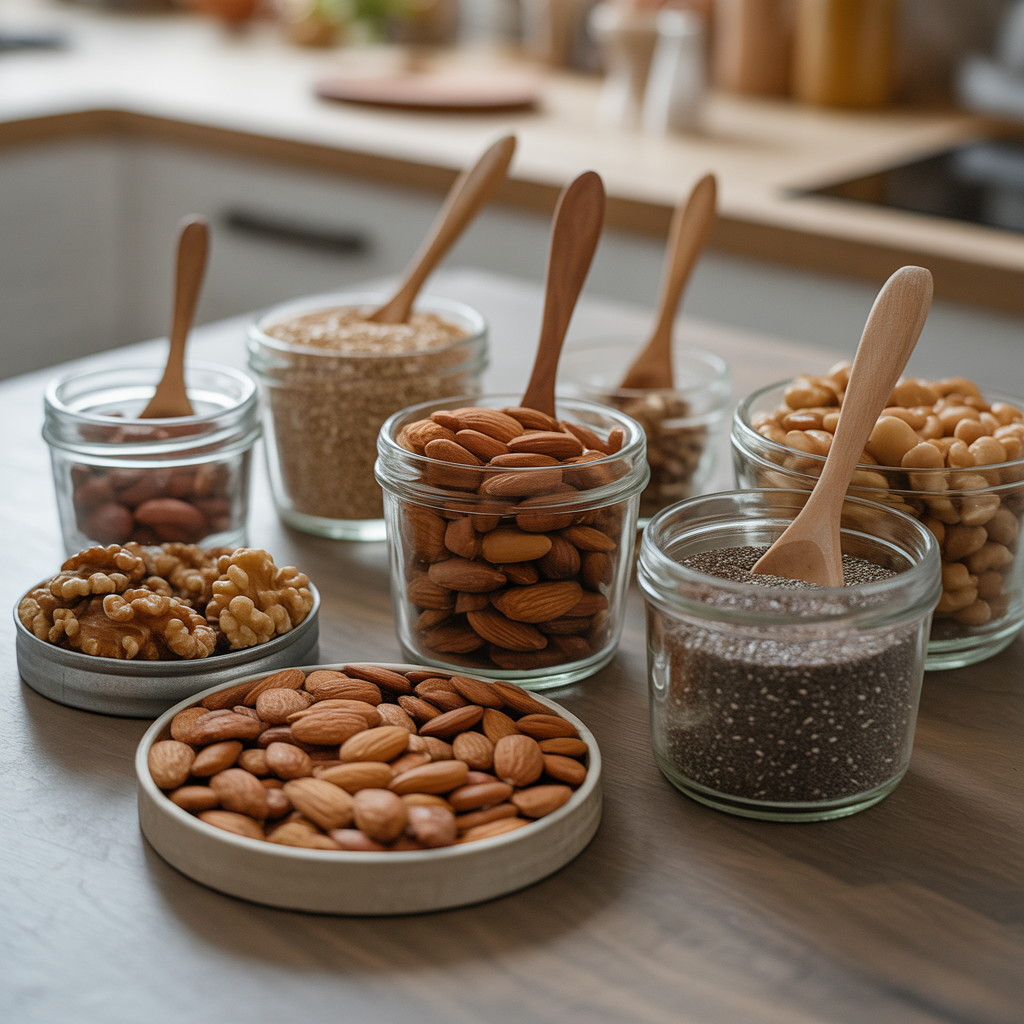
Nuts and seeds provide healthy fats alongside protein, fiber, vitamins, and minerals, making them exceptionally nutrient-dense despite their higher calorie content.
Nutritional Powerhouse Nuts
Almonds provide healthy monounsaturated fats, vitamin E, magnesium, and protein. Their vitamin E content supports skin health and acts as a powerful antioxidant protecting cells from oxidative stress.
Walnuts offer the highest omega-3 content of any tree nut, supporting brain and heart health. They also provide protein, fiber, magnesium, and antioxidant compounds.
Pumpkin seeds are exceptional sources of zinc, magnesium, and healthy fats. Their zinc content supports immune function, wound healing, and protein synthesis.
Quality Fat Sources
Extra virgin olive oil provides monounsaturated fats and antioxidant compounds like oleocanthal, which has anti-inflammatory properties. Choose cold-pressed varieties for maximum nutrient retention.
Coconut oil contains medium-chain triglycerides (MCTs) that the body metabolizes differently than other fats, potentially supporting energy production and brain function.
Dairy and Alternatives: Protein and Probiotics
Quality dairy products and fortified alternatives can provide exceptional nutrient density, particularly for protein, calcium, and beneficial bacteria.
Traditional Dairy Excellence
Greek yogurt offers concentrated protein—often double that of regular yogurt—plus probiotics for digestive health and calcium for bone strength. Choose plain varieties to avoid added sugars and maximize nutrient density.
Cottage cheese provides substantial protein with relatively few calories, plus phosphorus for bone health and B-vitamins for energy metabolism.
Plant-Based Alternatives
Fortified plant milks can provide similar calcium and vitamin D content to dairy milk when properly fortified. Unsweetened varieties offer the best nutrient-to-calorie ratio.
Nutritional yeast provides a complete protein source plus exceptional B-vitamin content, including vitamin B12 which is often lacking in plant-based diets.
Whole Grains and Complex Carbohydrates: Sustained Energy with Nutrients
The most nutrient-dense carbohydrate sources provide energy along with fiber, protein, vitamins, and minerals.
Ancient Grain Advantages
Quinoa offers complete protein plus magnesium, phosphorus, and fiber. Its complex carbohydrates provide sustained energy without dramatic blood sugar spikes.
Amaranth provides protein, manganese, magnesium, and iron. Like quinoa, it’s naturally gluten-free and offers complete protein.
Traditional Whole Grain Benefits
Brown rice retains its bran and germ, providing B-vitamins, magnesium, and fiber that white rice lacks. It offers sustained energy and supports digestive health.
Oats contain beta-glucan, a soluble fiber that may help lower cholesterol levels and support heart health. They also provide protein, manganese, and phosphorus.
Practical Implementation: Making Nutrient Dense Foods Work for You
Understanding which foods are nutrient-dense is only the first step. Successfully incorporating them into your daily routine requires practical strategies that fit your lifestyle and preferences.
Meal Planning Strategies
Build meals around nutrient-dense foods by following the “plate method”: fill half your plate with non-starchy vegetables, one quarter with lean protein, and one quarter with whole grains or starchy vegetables. This approach naturally emphasizes the most nutrient-dense options while ensuring balanced nutrition.
Weekly meal preparation can help ensure consistent access to nutrient-dense foods. Wash and chop vegetables immediately after shopping, cook grains and proteins in batches, and prepare grab-and-go snacks like mixed nuts or cut vegetables with hummus.
Create shopping lists organized by nutrient density priorities: leafy greens, colorful vegetables, quality proteins, nuts and seeds, then whole grains. This approach helps you invest your food budget in the most nutritionally valuable options first.
Nutrient-Preserving Cooking Methods
Maximize nutrient retention through proper preparation and cooking techniques. Light steaming, sautéing, and raw preparations often preserve more vitamins than boiling or lengthy cooking times. When cooking vegetables, use minimal water and avoid overcooking to retain water-soluble vitamins.
Combine foods strategically to enhance nutrient absorption. Pair vitamin C-rich foods with iron sources to improve iron absorption, and consume healthy fats with fat-soluble vitamins (A, D, E, K) to maximize their uptake.
Common Mistakes and How to Avoid Them
Even well-intentioned healthy eating can fall short if you’re not aware of common pitfalls that reduce nutrient density.
Processing Pitfalls
Food processing often strips away nutrients while adding empty calories from sugars, refined grains, and unhealthy fats. Even “healthy” processed foods like fruit juices lack the fiber and full nutrient profile of whole fruits. Focus on minimally processed options and read labels carefully to identify added sugars, excessive sodium, and artificial additives.
Balance Considerations
While prioritizing nutrient-dense foods is important, avoid becoming so restrictive that you eliminate entire food groups or create an unsustainable eating pattern. Variety ensures you obtain the full spectrum of nutrients your body needs, and moderate amounts of less nutrient-dense foods can fit into an overall healthy diet.
Special Considerations for Different Needs
Nutrient density principles apply to everyone, but specific circumstances may require tailored approaches.
Budget-Friendly Options
Many of the most nutrient-dense foods are also among the most affordable. Dried legumes, seasonal vegetables, frozen fruits and vegetables (without added sugars or sauces), eggs, and canned fish provide exceptional nutrition at reasonable costs. Buying in-season produce, shopping at farmers markets, and growing simple herbs or vegetables can further stretch your food budget.
Dietary Restrictions and Alternatives
Those following gluten-free diets can emphasize naturally gluten-free nutrient-dense options like quinoa, amaranth, vegetables, fruits, legumes, nuts, and seeds. Vegetarians and vegans should pay particular attention to protein combining, vitamin B12 intake, iron absorption, and omega-3 fatty acids from plant sources.
Food allergies don’t prevent following nutrient density principles—focus on the wide variety of safe, nutrient-dense options available rather than dwelling on restricted foods.
Measuring Progress and Long-Term Success
Transitioning to a more nutrient-dense diet often produces noticeable benefits within weeks to months.
Signs of Improved Nutrition
Many people report increased energy levels, improved sleep quality, better skin appearance, and enhanced mental clarity when emphasizing nutrient-dense foods. Digestive health often improves due to increased fiber intake, and stable blood sugar levels may reduce energy crashes and cravings.
Long-term benefits may include better weight management, improved cardiovascular markers, stronger immune function, and reduced inflammation. However, these changes should be monitored by healthcare professionals through regular check-ups and appropriate testing.
Sustainable Habit Formation
Start with small, achievable changes rather than attempting a complete dietary overhaul overnight. Add one new nutrient-dense food to your routine each week, gradually replacing less nutritious options. Focus on foods you enjoy—nutrient density means nothing if you won’t consistently eat the foods.
Consider working with a registered dietitian or healthcare provider to ensure your transition to nutrient-dense eating meets your individual health needs and goals. They can help you navigate any medical conditions, medications, or special circumstances that might affect your nutritional requirements.
Conclusion: Your Path to Optimal Nutrition
Embracing nutrient-dense foods represents one of the most powerful steps you can take toward optimal health and wellness. By prioritizing foods that deliver maximum nutrition per calorie—from leafy greens and colorful vegetables to quality proteins, healthy fats, and whole grains—you’re providing your body with the essential building blocks it needs to thrive.
Remember that sustainable change happens gradually. Start by incorporating one or two new nutrient-dense foods into your routine each week, focusing on options you genuinely enjoy. Build meals around these nutritional powerhouses while maintaining the variety and balance that make eating both healthful and pleasurable.
The journey toward better nutrition is highly individual. What works best for one person may need adjustment for another based on health status, lifestyle, preferences, and goals. Always consult with qualified healthcare professionals when making significant dietary changes, especially if you have existing health conditions or take medications that might interact with certain foods.
By making nutrient density a guiding principle in your food choices, you’re investing in both immediate wellness and long-term health. Every meal becomes an opportunity to nourish your body with the exceptional nutrition it deserves, supporting energy, vitality, and overall well-being for years to come.