

Staying properly hydrated is one of the most fundamental aspects of maintaining good health. Water makes up approximately 60% of the human body and plays a crucial role in nearly every bodily function—from regulating temperature and lubricating joints to supporting cell health and proper digestion. Despite its importance, many people struggle with determining exactly how much water they should consume daily. Is the standard “eight 8-ounce glasses” rule accurate for everyone? How do factors like age, activity level, and climate affect hydration needs? This comprehensive guide will answer these questions and provide actionable hydration tips to help you maintain optimal fluid balance.

The Science of Hydration: Why Water Matters
Water is essential for life and serves numerous vital functions within the body:
- Cellular function: Water transports nutrients to cells and removes waste products
- Temperature regulation: Sweating helps cool the body through evaporation
- Joint lubrication: Water helps cushion joints and spinal cord
- Digestion support: Proper hydration aids in breaking down food and nutrient absorption
- Cognitive performance: Even mild dehydration can impair concentration, memory, and mood
- Blood volume: Water helps maintain healthy blood pressure and efficient circulation
- Detoxification: Water assists kidneys in filtering waste from the bloodstream
Dehydration occurs when fluid output exceeds input, leading to symptoms ranging from mild thirst and dry mouth to serious complications like heat exhaustion, kidney problems, and in extreme cases, even death. Understanding your body’s hydration needs is therefore not merely about comfort but about maintaining essential physiological functions.
Determining Your Daily Water Requirements
Beyond the “8×8” Rule
For decades, health professionals recommended the “8×8 rule”—eight 8-ounce glasses of water daily (about 1.9 liters). However, modern research suggests hydration needs vary significantly based on individual factors. The National Academies of Sciences, Engineering, and Medicine provides more nuanced guidelines:
- Adult men: Approximately 3.7 liters (125 ounces) of total fluid intake daily
- Adult women: Approximately 2.7 liters (91 ounces) of total fluid intake daily
These recommendations include water from all sources, including beverages and food (which typically provides about 20% of fluid intake).
Factors Affecting Hydration Requirements
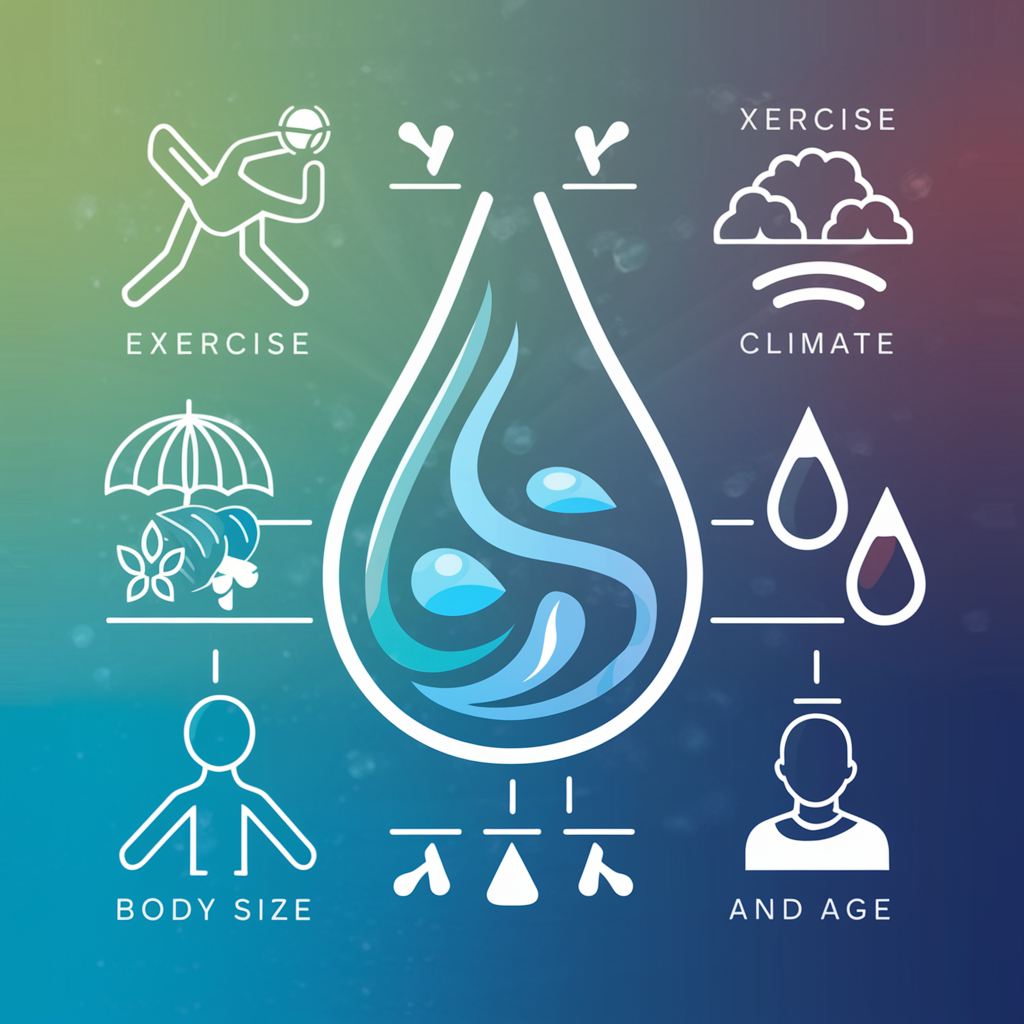
Several key factors influence how much water an individual needs:
1. Physical Activity Level
- Moderate exercise increases fluid needs by 500-700ml
- Intense exercise can raise requirements by 1-2 additional liters
- Endurance athletes may need significantly more, sometimes exceeding 6-8 liters daily
2. Environmental Conditions
- Hot and humid environments increase sweat production and fluid loss
- High altitudes accelerate breathing rate and water loss through respiration
- Air-conditioned environments can increase water evaporation from the skin
3. Body Size and Composition
- Larger individuals generally require more water
- Higher muscle-to-fat ratios increase hydration needs since muscle tissue contains more water than fat
4. Health Status
- Fever, vomiting, or diarrhea significantly increase fluid requirements
- Certain medical conditions (diabetes, kidney stones, UTIs) necessitate increased water intake
- Pregnancy and breastfeeding increase fluid needs by about 300-700ml daily
5. Diet Composition
- High-sodium diets increase water retention but may also increase long-term hydration needs
- High fiber intake requires additional fluid to aid digestion
- Protein metabolism produces waste products requiring water for elimination
Practical Hydration Strategies
Signs of Proper Hydration
The most reliable indicator of hydration status is urine color. Well-hydrated individuals produce pale yellow to clear urine. Dark yellow or amber-colored urine typically signals dehydration. Other indicators of good hydration include:
- Regular urination (typically 4-7 times daily)
- Minimal thirst
- Moist mucous membranes (lips, mouth)
- Elastic skin (quickly returns to normal when pinched)
- Steady energy levels
Effective Hydration Habits
Implementing these strategies can help maintain optimal hydration:
1. Establish a Consistent Schedule
- Begin each day with 16-20 ounces of water
- Drink one glass of water before each meal
- Set reminders to drink at regular intervals
- Consume 8-12 ounces of fluid 1-2 hours before exercise
2. Environmental Adjustments
- Keep water accessible throughout the day
- Carry a reusable water bottle with volume markings
- Set visual cues (like water bottles placed in strategic locations)
- Use smartphone apps that track and remind about hydration
3. Enhance Palatability
- Add natural flavors like lemon, cucumber, berries, or mint
- Try herbal teas (hot or cold) as water alternatives
- Experiment with carbonated water if you prefer effervescence
- Consider temperature preferences (some people drink more when water is cold)
4. Activity-Based Hydration Protocols
- Pre-exercise: 16-20 ounces 2 hours before activity
- During exercise: 7-10 ounces every 10-20 minutes
- Post-exercise: 16-24 ounces for every pound of body weight lost
5. Food-Based Hydration
Foods with high water content that support hydration include:
- Cucumber (96% water)
- Lettuce (96% water)
- Zucchini (95% water)
- Watermelon (92% water)
- Strawberries (91% water)
- Cantaloupe (90% water)
- Peaches (89% water)
- Oranges (87% water)
Common Hydration Myths Debunked
Several misconceptions about hydration persist in popular culture:
Myth 1: Caffeine causes dehydration
Reality: While caffeine has mild diuretic effects, caffeinated beverages like coffee and tea contribute to daily fluid intake and don’t cause net dehydration when consumed moderately.
Myth 2: You need sports drinks for proper hydration
Reality: For most people engaging in under 60 minutes of moderate activity, water is sufficient. Sports drinks are beneficial primarily during prolonged, intense exercise due to their electrolyte content.
Myth 3: Drinking excessive water improves health
Reality: While proper hydration is essential, overhydration can lead to hyponatremia (dangerously low sodium levels), particularly during endurance activities.
Myth 4: Thirst is an accurate indicator of hydration needs
Reality: Thirst mechanisms become less sensitive with age and may not activate until you’re already 1-2% dehydrated. Relying solely on thirst can lead to chronic mild dehydration.
Myth 5: Clear urine always indicates optimal hydration
Reality: While pale yellow urine typically indicates good hydration, completely clear urine may suggest overhydration, especially if occurring consistently.

Special Considerations
Hydration for Athletes
Athletes have unique hydration requirements:
- Hydration monitoring: Weighing before and after exercise to determine sweat rate (1 pound lost = 16 ounces of fluid needed)
- Electrolyte balance: Sodium, potassium, and magnesium losses must be replaced during prolonged exercise
- Recovery protocol: Systematic rehydration post-exercise (approximately 150% of weight lost)
- Progressive training adaptation: Gradually acclimating to exercise in hot environments to improve thermoregulation
Hydration for Older Adults
Aging affects hydration in several ways:
- Thirst sensation diminishes with age
- Kidney function typically declines, altering fluid balance
- Medication side effects may increase dehydration risk
- Physical limitations might restrict access to fluids
- Fear of incontinence sometimes leads to deliberate fluid restriction
Strategies for seniors include scheduling regular fluid intake, keeping beverages easily accessible, and monitoring for early signs of dehydration.
Hydration During Illness
When sick, especially with fever, vomiting, or diarrhea:
- Fluid needs increase substantially (up to 3-4 liters daily)
- Electrolyte-containing beverages become more important
- Small, frequent sips often work better than large volumes
- Monitoring urine output becomes critical
- Medical attention should be sought for signs of severe dehydration
Conclusion
Proper hydration is fundamental to health and wellbeing. While general guidelines provide a starting point, individual hydration needs vary considerably based on numerous factors including activity level, environment, body composition, and overall health status. Rather than adhering to a one-size-fits-all approach, the most effective hydration strategy involves understanding your unique requirements and developing consistent habits that maintain fluid balance.
By monitoring urine color, establishing regular drinking patterns, and adjusting intake based on activity and environmental conditions, you can maintain optimal hydration levels. Remember that water consumption doesn’t need to come solely from plain water—fruits, vegetables, and other beverages contribute significantly to daily fluid intake.
Whether you’re an athlete focused on performance, a senior maintaining health, or simply someone looking to improve wellbeing, proper hydration represents one of the simplest yet most impactful health practices you can adopt.