

The average American consumes a staggering 77 grams of sugar per day—more than triple the recommended amount for women and double for men. This excessive sugar intake has become a silent contributor to numerous health problems, from obesity and heart disease to diabetes and dental issues. Understanding exactly how many grams of sugar you should consume daily isn’t just about counting calories; it’s about making informed decisions that can dramatically impact your long-term health and wellbeing. In this comprehensive guide, we’ll explore official recommendations from leading health organizations, reveal where hidden sugars lurk in everyday foods, and provide practical strategies to help you stay within healthy limits while still enjoying life’s sweet moments.
Official Daily Sugar Recommendations from Health Organizations
World Health Organization (WHO) Guidelines
The World Health Organization provides the most internationally recognized guidelines for daily sugar intake. According to WHO recommendations, adults should limit their intake of free sugars to less than 10% of their total daily caloric intake, with an ideal target of less than 5%.
Here’s what this translates to in actual grams based on different calorie intakes:
- 2,000 calories per day: Maximum 50g (10% limit) or ideally 25g (5% limit)
- 1,800 calories per day: Maximum 45g (10% limit) or ideally 22.5g (5% limit)
- 1,500 calories per day: Maximum 37.5g (10% limit) or ideally 18.75g (5% limit)
- 2,200 calories per day: Maximum 55g (10% limit) or ideally 27.5g (5% limit)
For children, WHO recommends the same percentage-based approach, but applied to their age-appropriate caloric needs:
- Ages 2-3: Maximum 12.5-16g per day
- Ages 4-8: Maximum 16-20g per day
- Ages 9-13: Maximum 20-25g per day
- Ages 14-18: Maximum 25-30g per day
American Heart Association Guidelines
The American Heart Association takes a more specific approach with clear gram-based recommendations:
- Adult men: Maximum 36 grams (9 teaspoons) of added sugar per day
- Adult women: Maximum 25 grams (6 teaspoons) of added sugar per day
- Children ages 2-18: Maximum 25 grams (6 teaspoons) per day
- Children under 2: No added sugars recommended
These recommendations focus specifically on added sugars and don’t include naturally occurring sugars found in whole fruits, vegetables, and plain dairy products.
Other Health Organizations and Their Standards
The FDA’s updated nutrition facts panel requires manufacturers to list added sugars separately, but doesn’t set a specific daily value limit. However, the Dietary Guidelines for Americans align closely with other major health organizations, recommending that added sugars comprise no more than 10% of daily calories.
Internationally, standards remain consistent:
- Health Canada: Less than 10% of total daily calories
- European Food Safety Authority: Aligns with WHO recommendations
- Australian Dietary Guidelines: Limit foods and drinks high in added sugars
Understanding Different Types of Sugar and What Counts
Added Sugars vs. Natural Sugars: The Critical Distinction
Not all sugars are created equal when it comes to daily limits. Understanding the difference between added and natural sugars is crucial for accurate tracking.
Added sugars are sugars and syrups that are added to foods during processing, preparation, or at the table. These include:
- White and brown sugar added to coffee or baked goods
- High fructose corn syrup in sodas and processed foods
- Honey added to granola or tea
- Maple syrup on pancakes
- Agave nectar in smoothies
Natural sugars occur naturally in whole foods and typically don’t count toward daily limits:
- Fructose in whole fruits
- Lactose in plain milk and yogurt
- Natural sugars in vegetables
The key difference is that natural sugars come packaged with fiber, protein, vitamins, minerals, and other beneficial compounds that slow absorption and provide nutritional value.
Recognizing Hidden Sugars: Over 50 Names to Know
Sugar manufacturers use dozens of different names on ingredient labels, making it challenging to identify added sugars. Here are the most common aliases:
- Syrups: corn syrup, rice syrup, malt syrup, golden syrup
- Nectars: agave nectar, coconut nectar
- Crystals: coconut crystals, palm crystals
- Juices: fruit juice concentrate, evaporated cane juice
- Sugars ending in “-ose”: sucrose, fructose, dextrose, maltose
Sugar alcohols like sorbitol, xylitol, and erythritol contain fewer calories than regular sugar but should still be consumed in moderation as they can cause digestive issues in some people.
Health Effects of Excessive Sugar Consumption
Immediate Short-term Effects
Consuming too much sugar creates immediate physiological responses that many people experience daily without realizing the connection:
Blood Sugar Roller Coaster: High sugar intake causes rapid spikes in blood glucose followed by crashes, leading to energy fluctuations, mood swings, and increased cravings.
Dental Health Impact: Bacteria in your mouth feed on sugar, producing acid that erodes tooth enamel within minutes of consumption. This process continues for up to 20 minutes after eating.
Digestive Discomfort: Large amounts of sugar can overwhelm the digestive system, leading to bloating, gas, and diarrhea, especially with sugar alcohols.
Long-term Health Consequences
Chronic excessive sugar consumption contributes to several serious health conditions:
Weight Gain and Obesity: Added sugars provide empty calories without satiety, making it easy to overconsume calories. Research shows that people who consume more than 25% of their calories from added sugar have a significantly higher risk of obesity.
Type 2 Diabetes Risk: High sugar intake, particularly from sugar-sweetened beverages, increases insulin resistance over time. Studies indicate that consuming just one sugary drink per day increases diabetes risk by 13%.
Cardiovascular Disease: Excessive sugar consumption raises blood pressure, increases inflammation, and contributes to fatty liver disease—all risk factors for heart disease. Research published in major medical journals shows that people consuming 21% or more of their calories from added sugar have double the risk of cardiovascular disease compared to those consuming less than 8%.
Liver Health: Unlike glucose, fructose is metabolized primarily in the liver. Excessive intake can lead to non-alcoholic fatty liver disease, similar to the effects of excessive alcohol consumption.
Chronic Inflammation: High sugar diets promote inflammatory responses throughout the body, contributing to various chronic diseases and potentially accelerating aging processes.
Special Population Considerations
Children and Adolescents: Developing brains are particularly susceptible to sugar’s effects. High sugar intake during childhood is linked to attention difficulties, hyperactivity, and the establishment of poor eating habits that persist into adulthood.
Elderly Individuals: Older adults may be more sensitive to blood sugar fluctuations and have increased risk of complications from diabetes and cardiovascular disease.
Individuals with Diabetes: Those with diabetes or prediabetes should work closely with healthcare providers to determine appropriate sugar limits, as their needs may be more restrictive than general population guidelines.

Where Hidden Sugars Hide in Your Diet
Obvious High-Sugar Sources
Some foods are clearly high in sugar, but the amounts might surprise you:
- Regular soda (12 oz): 35-40g of sugar
- Candy bar: 20-35g of sugar
- Slice of cake: 25-40g of sugar
- Ice cream (1/2 cup): 14-20g of sugar
Surprisingly High-Sugar Foods
Many foods marketed as healthy or savory contain shocking amounts of added sugar:
Condiments and Sauces:
- Ketchup (1 tablespoon): 4g sugar
- Barbecue sauce (2 tablespoons): 12-16g sugar
- Sweet and sour sauce (1/4 cup): 15g sugar
- Salad dressing (2 tablespoons): 2-6g sugar
Breakfast Foods:
- Flavored instant oatmeal: 12-15g sugar per packet
- Granola (1/4 cup): 6-12g sugar
- Breakfast bars: 8-15g sugar each
- Flavored yogurt (6 oz): 15-25g sugar
Beverages:
- Sports drinks (20 oz): 34g sugar
- Fruit juice (8 oz): 20-28g sugar
- Flavored coffee drinks: 20-50g sugar
- Energy drinks: 25-35g sugar
Reading Nutrition Labels Effectively
The updated nutrition facts panel makes identifying added sugars easier:
- Check serving size first – Many packages contain multiple servings
- Look for “Added Sugars” line under total sugars
- Multiply by servings consumed if eating more than one serving
- Scan ingredient lists – ingredients are listed by weight, so if sugar appears in the first few ingredients, it’s a major component
Practical Strategies to Stay Within Daily Sugar Limits
Smart Swaps and Substitutions
Making strategic substitutions can dramatically reduce your daily sugar intake:
Beverage Swaps:
- Replace soda with sparkling water plus a splash of 100% fruit juice
- Choose unsweetened tea or coffee instead of flavored versions
- Drink plain water with lemon, cucumber, or mint for flavor
- Opt for unsweetened plant milks instead of flavored varieties
Breakfast Improvements:
- Choose plain oatmeal and add fresh fruit instead of flavored packets
- Select plain Greek yogurt and mix in berries rather than pre-flavored versions
- Make homemade granola with minimal added sweeteners
- Prepare overnight oats with natural sweetness from dates or banana
Snack Solutions:
- Fresh fruit with nut butter instead of fruit snacks
- Homemade trail mix without candy pieces
- Vegetables with hummus instead of crackers with sweet spreads
- Air-popped popcorn instead of sweetened varieties
Meal Planning for Sugar Management
Weekly Preparation Tips:
- Batch cook plain proteins and vegetables
- Prepare cut vegetables and fruits for easy snacking
- Make large batches of low-sugar sauces and dressings
- Cook grains and legumes in bulk for quick meal assembly
Daily Structure:
- Start low: Begin each day with a protein and fiber-rich breakfast to stabilize blood sugar
- Plan treats: If you want something sweet, plan it into your daily limit rather than impulse eating
- Balance meals: Include protein, healthy fats, and fiber with any carbohydrates to slow sugar absorption
Restaurant and Dining Out Guidelines
Eating out doesn’t have to derail your sugar goals with these strategies:
Questions to Ask Servers:
- “Are there added sugars in the salad dressing?”
- “Can I get the sauce on the side?”
- “Is the marinade sweet, and can I get the protein grilled plain?”
- “What beverages do you have without added sugars?”
Menu Navigation:
- Look for grilled, steamed, or roasted preparation methods
- Choose vinaigrette over creamy dressings
- Request fruit instead of dessert if included in meals
- Ask for vegetables or salad instead of sweet side dishes
Tools and Methods for Tracking Sugar Intake
Digital Tracking Solutions
Several smartphone apps can help you monitor daily sugar consumption:
Comprehensive Food Tracking Apps:
- MyFitnessPal – includes added sugar tracking
- Cronometer – detailed micronutrient tracking including sugars
- Lose It! – simple interface with sugar monitoring
- FoodNoms – visual food logging with nutrition data
Setting Up Effective Tracking:
- Set your daily sugar goal based on health organization recommendations
- Enable notifications when approaching daily limits
- Log foods immediately after eating for accuracy
- Use the barcode scanner feature for packaged foods
- Create custom recipes for foods you make regularly
Manual Tracking Methods
For those who prefer non-digital approaches:
- Food diary: Write down everything you eat with approximate sugar content
- Sugar jar method: Start each day with your limit in teaspoons of sugar in a jar; remove equivalent amounts as you consume them
- Photo logging: Take pictures of all meals and snacks to review sugar sources later
Quick Conversion References:
- 4 grams of sugar = 1 teaspoon
- 1 tablespoon = 3 teaspoons = 12 grams sugar
- 1 sugar cube = approximately 4 grams
- 1 packet of sugar = 4 grams
Creating a Sustainable Low-Sugar Lifestyle
The Gradual Reduction Approach
Drastically cutting sugar overnight often leads to cravings and rebound overeating. A gradual approach is more sustainable:
Week 1-2: Assessment and Awareness
- Track current intake without changing habits
- Identify your highest sugar sources
- Read labels on all packaged foods you regularly consume
Week 3-4: First Reductions
- Eliminate the easiest sugar sources (like sugary drinks)
- Reduce sugar in coffee/tea by half
- Replace one high-sugar snack with a whole food alternative
Week 5-8: Major Overhaul
- Switch to unsweetened versions of regularly consumed items
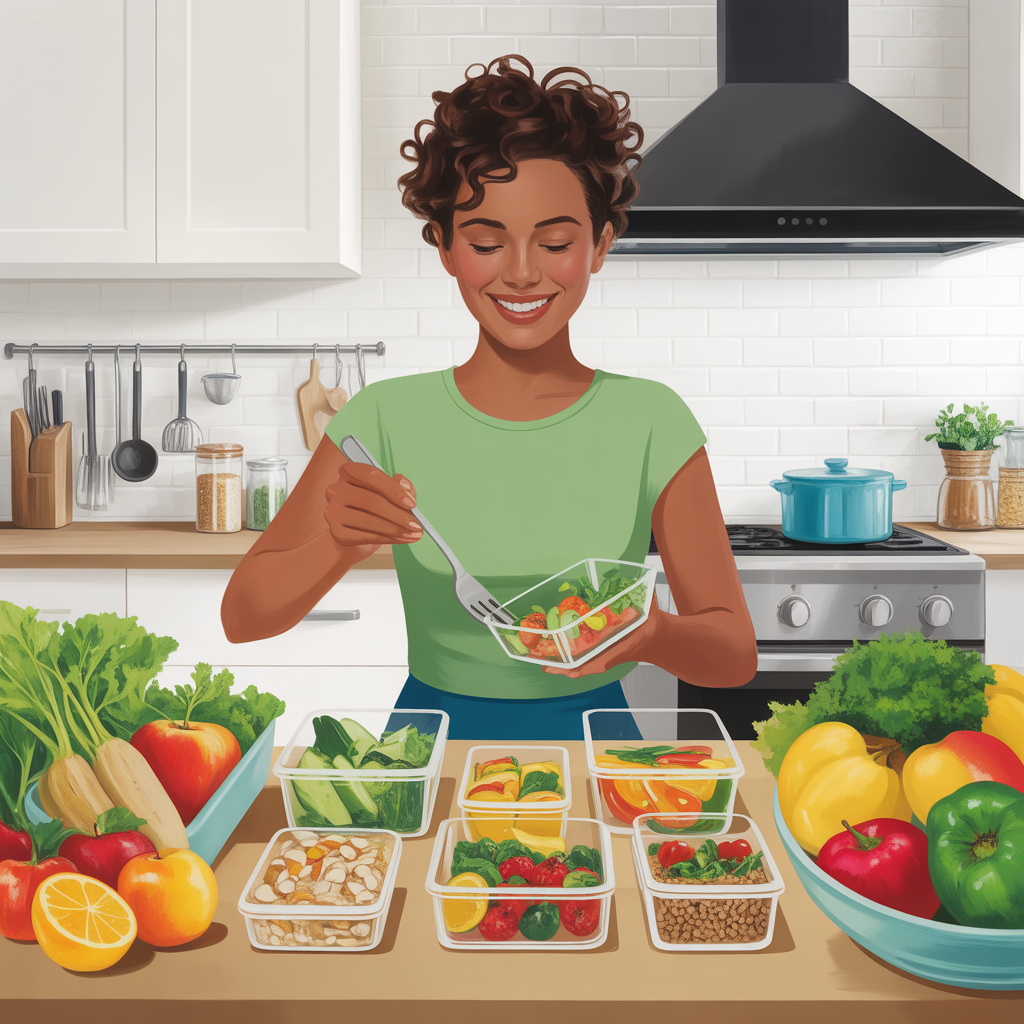
- Begin meal prepping to control ingredients
- Aim for WHO’s 10% recommendation
Week 9-12: Fine-tuning
- Work toward the ideal 5% recommendation
- Develop strategies for social situations and holidays
- Establish new habits and preferences
Managing Cravings and Taste Adaptation
Sugar cravings are real, but they diminish over time:
Physical Strategies:
- Stay hydrated – dehydration can masquerade as sugar cravings
- Eat regular, balanced meals to prevent blood sugar dips
- Get adequate sleep – sleep deprivation increases sugar cravings
- Include chromium-rich foods (broccoli, whole grains) which may help with cravings
Psychological Approaches:
- Practice mindful eating to distinguish between cravings and hunger
- Identify emotional triggers that lead to sugar consumption
- Develop non-food rewards for stress relief and celebration
- Remember that taste preferences adapt within 2-3 weeks
Family-Friendly Implementation
Creating a low-sugar household benefits everyone:
Kitchen Modifications:
- Stock up on naturally sweet foods like dates, berries, and sweet potatoes
- Keep cut vegetables and fruits visible and accessible
- Store high-sugar treats out of sight or eliminate them entirely
- Have healthy alternatives ready for quick snacks and meals
Recipe Adaptations:
- Reduce sugar in baking recipes by 25-50% (often unnoticeable)
- Use applesauce, mashed banana, or dates to replace some added sugars
- Experiment with spices like cinnamon, vanilla, and nutmeg for sweetness perception
- Make fruit-based desserts instead of sugar-heavy options
When to Consult Healthcare Professionals
Certain situations warrant professional medical guidance regarding sugar intake:
Individual Health Conditions Requiring Special Attention:
- Diabetes (Type 1 or Type 2) or prediabetes
- Metabolic syndrome or insulin resistance
- Heart disease or high blood pressure
- Fatty liver disease
- PCOS (Polycystic Ovary Syndrome)
- History of eating disorders
Warning Signs of Excessive Sugar Consumption:
- Frequent energy crashes throughout the day
- Intense cravings that interfere with daily life
- Rapid weight gain or difficulty losing weight
- Frequent urination and excessive thirst
- Recurring dental problems
- Mood swings related to eating patterns
Professional Resources:
- Registered Dietitians can create personalized meal plans
- Endocrinologists specialize in metabolic and hormonal issues
- Behavioral therapists can help with food relationships and emotional eating
- Primary care physicians can monitor overall health markers
Working with healthcare professionals ensures that your sugar reduction plan aligns with your individual health needs and doesn’t interfere with any existing medical treatments or conditions.
Conclusion: Your Path to Optimal Sugar Intake
Understanding how many grams of sugar to consume daily is fundamental to maintaining good health in our sugar-saturated food environment. The evidence is clear: most adults should limit added sugar intake to 25-36 grams per day, with children requiring even lower amounts. These aren’t arbitrary numbers—they’re science-based recommendations from the world’s leading health organizations designed to prevent chronic disease and promote longevity.
The journey to reducing sugar intake doesn’t require perfection overnight. Start by tracking your current consumption, identifying your biggest sugar sources, and making gradual substitutions. Remember that your taste buds will adapt, cravings will diminish, and the health benefits—from stable energy levels to reduced disease risk—will become apparent within weeks.
Take action today by choosing one high-sugar item in your regular diet and finding a lower-sugar alternative. Whether it’s switching from flavored yogurt to plain yogurt with berries, or replacing afternoon sodas with sparkling water and fruit, small changes compound into significant health improvements over time.
Your future self will thank you for every gram of sugar you don’t consume today. Start your tracking journey now, and remember that sustainable change happens one conscious choice at a time.