

Sodium is an essential mineral that plays a crucial role in maintaining proper fluid balance, nerve function, and muscle contractions in our bodies. However, the modern diet often contains excessive amounts of sodium, primarily from processed and restaurant foods, leading to serious health consequences. The American Heart Association recommends limiting sodium intake to no more than 2,300 milligrams per day, with an ideal limit of 1,500 mg for most adults. Understanding which foods are high in sodium and learning about healthier alternatives is essential for maintaining optimal cardiovascular health and overall well-being.
Understanding Sodium in Foods
Natural vs. Added Sodium
Sodium occurs naturally in many foods, but these natural sources typically contribute only a small portion of our daily intake. Fresh fruits, vegetables, meats, and dairy products contain modest amounts of naturally occurring sodium. The real concern lies with added sodium, which food manufacturers use extensively as a preservative, flavor enhancer, and texture modifier.
Processed foods can contain 10 to 40 times more sodium than their fresh counterparts. For example, fresh chicken breast contains about 70 mg of sodium per 4-ounce serving, while the same amount of deli turkey can contain 1,000 mg or more. This dramatic difference highlights why processed foods are the primary source of excess sodium in the American diet.
How to Read Nutrition Labels
Learning to interpret nutrition labels is crucial for managing sodium intake. The sodium content is listed in milligrams per serving, and it’s important to pay attention to serving sizes, as they may be smaller than typical portions. The % Daily Value (%DV) helps put sodium content in perspective:
- 5% DV or less per serving is considered low sodium
- 20% DV or more per serving is considered high sodium
- Look for terms like “reduced sodium” (25% less than regular version) or “low sodium” (140 mg or less per serving)
Complete List of High Sodium Foods

Processed and Packaged Foods
Canned Soups and Broths: Many canned soups contain 800-1,200 mg of sodium per serving, with some varieties reaching up to 1,800 mg. Even “reduced sodium” versions can contain 400-600 mg per serving. Bouillon cubes and powdered soup mixes are particularly high, often containing over 1,000 mg per cube or packet.
Deli Meats and Processed Meats: These convenience foods are sodium powerhouses, with 2-3 ounces typically containing 400-1,000 mg of sodium. Ham, salami, pepperoni, and bacon are among the worst offenders. Even seemingly healthier options like turkey breast or chicken can be heavily processed with sodium-based preservatives.
Frozen Meals and TV Dinners: These convenient options often contain 600-1,800 mg of sodium per meal, sometimes exceeding an entire day’s recommended intake in a single serving. The high sodium content helps preserve the food and enhance flavor during the freezing and reheating process.
Packaged Snacks: Chips, crackers, pretzels, and similar snack foods are significant sodium sources. A single-serving bag of chips can contain 200-400 mg, while flavored varieties may contain even more. Crackers can be particularly deceptive, as multiple small servings add up quickly.
Instant Noodles and Ramen: These popular quick meals are among the highest sodium foods available, with many packages containing 1,000-2,000 mg. The flavor packets are the primary culprit, often containing an entire day’s worth of sodium in just one seasoning sachet.
Restaurant and Fast Food Items
Pizza: Restaurant pizza typically contains 600-1,500 mg of sodium per slice, depending on toppings and crust type. The cheese, sauce, processed meats, and even the crust contribute to the high sodium content. A typical 2-slice serving can easily exceed half the daily recommended intake.
Burgers and Sandwiches: Fast food burgers range from 900-2,000 mg of sodium, with specialty burgers often containing the most. The combination of processed meat, cheese, pickles, condiments, and sodium-enhanced buns creates this sodium overload.
Chinese Takeout Dishes: Many Chinese restaurant dishes contain 1,000-3,000 mg of sodium per serving due to soy sauce, MSG, and other sodium-based flavor enhancers. Sweet and sour dishes, lo mein, and fried rice are particularly high in sodium.
Condiments and Sauces
Soy Sauce: Regular soy sauce contains approximately 900-1,000 mg of sodium per tablespoon, making it one of the most concentrated sources of dietary sodium. Even reduced-sodium versions contain 500-600 mg per tablespoon.
Other High-Sodium Condiments: Ketchup, BBQ sauce, salad dressings, hot sauces, and marinades all contribute significant sodium to meals. Two tablespoons of Italian dressing can contain 200-400 mg, while the same amount of BBQ sauce may contain 300-500 mg.
Surprisingly High Sodium Foods
Bread and Baked Goods: A single slice of bread typically contains 100-300 mg of sodium, and since most people eat multiple slices daily, bread becomes a significant sodium source. Bagels, muffins, and pastries can contain even more.
Breakfast Cereals: Many cereals, especially those marketed to children, contain 200-400 mg of sodium per serving. When combined with milk, a typical breakfast can contribute 300-500 mg of sodium.
Cottage Cheese and Some Dairy Products: Half a cup of cottage cheese can contain 400-500 mg of sodium. Some processed cheeses, cheese spreads, and flavored yogurts also contribute significant sodium.
Canned Vegetables: Canned vegetables often contain added salt for preservation and flavor. A half-cup serving can contain 200-400 mg of sodium, compared to virtually none in fresh vegetables.
Health Impact of High Sodium Foods

Immediate Effects
Consuming high-sodium foods can cause immediate physical responses. Water retention and bloating occur as the body attempts to dilute excess sodium, leading to temporary weight gain and discomfort. Increased thirst is another immediate response, as the body signals the need for additional fluids to maintain proper sodium concentration.
Some individuals may experience temporary increases in blood pressure within hours of consuming high-sodium meals. This acute response can be particularly pronounced in people who are salt-sensitive or already have elevated blood pressure.
Long-term Health Consequences
Hypertension and Cardiovascular Disease: Chronic excessive sodium intake is strongly linked to high blood pressure, which affects nearly half of American adults. High blood pressure increases the risk of heart disease, stroke, and other cardiovascular complications. The relationship between sodium and blood pressure is well-established through numerous clinical studies.
Kidney Problems: The kidneys work to regulate sodium balance in the body. Consistently high sodium intake forces the kidneys to work harder, potentially leading to decreased kidney function over time. This is particularly concerning for individuals with pre-existing kidney conditions.
Stroke Risk: High sodium intake increases stroke risk both directly through its effect on blood pressure and indirectly through its impact on overall cardiovascular health. Research shows that reducing sodium intake can significantly lower stroke risk.
Osteoporosis Risk: Excess sodium can increase calcium excretion through urine, potentially weakening bones over time. This effect is particularly concerning for older adults and postmenopausal women who already face increased osteoporosis risk.
Healthy Low-Sodium Alternatives
Fresh Food Swaps
Fresh Fruits and Vegetables: Replace canned or processed versions with fresh or frozen options without added salt. Fresh vegetables contain minimal natural sodium while providing essential nutrients and fiber. When buying frozen, choose varieties without added sauces or seasonings.
Fresh Meat and Poultry: Choose unprocessed meats over deli meats, bacon, sausages, and other processed options. Fresh chicken, fish, lean beef, and pork contain only natural sodium levels. When possible, buy organic or minimally processed options.
Homemade Meals: Cooking at home allows complete control over sodium content. Even simple swaps like making soup from scratch instead of using canned versions can reduce sodium by 75% or more.
Specific Product Alternatives
Low-Sodium Canned Goods: When convenience requires canned products, choose “no salt added” or “low sodium” versions. Rinse canned beans and vegetables to remove up to 40% of added sodium. Look for brands specifically marketed as heart-healthy or low-sodium.
Reduced-Sodium Condiments: Many manufacturers now offer reduced-sodium versions of popular condiments. Low-sodium soy sauce, reduced-sodium ketchup, and light salad dressings can significantly decrease daily sodium intake while maintaining flavor.
Whole Grain Alternatives: Choose whole grain breads and cereals that are lower in sodium. Many artisanal and whole grain products use less sodium than highly processed alternatives.
Natural Flavor Enhancers
Herb and Spice Combinations: Fresh or dried herbs and spices provide flavor without sodium. Popular combinations include Italian seasoning, garlic and rosemary, or curry spices. Experiment with different combinations to find preferred flavors.
Citrus-Based Marinades: Lemon, lime, and orange juice add brightness and acidity that enhances flavor naturally. Combine with herbs and small amounts of olive oil for marinades that don’t require salt.
Vinegar and Wine Reductions: Balsamic vinegar, apple cider vinegar, and cooking wines provide complex flavors that can replace salt in many dishes. These ingredients add depth and complexity without contributing sodium.
Practical Tips for Reducing Sodium Intake
Shopping Strategies
Compare sodium content across brands, as it can vary significantly for similar products. Many stores now offer store-brand low-sodium alternatives that are more affordable than name brands. When possible, shop the perimeter of the store where fresh foods are typically located.
Create a shopping list organized by low-sodium priorities: fresh produce, unprocessed meats, dairy products, and whole grains. This approach helps maintain focus on healthier, lower-sodium choices.
Meal Planning and Prep
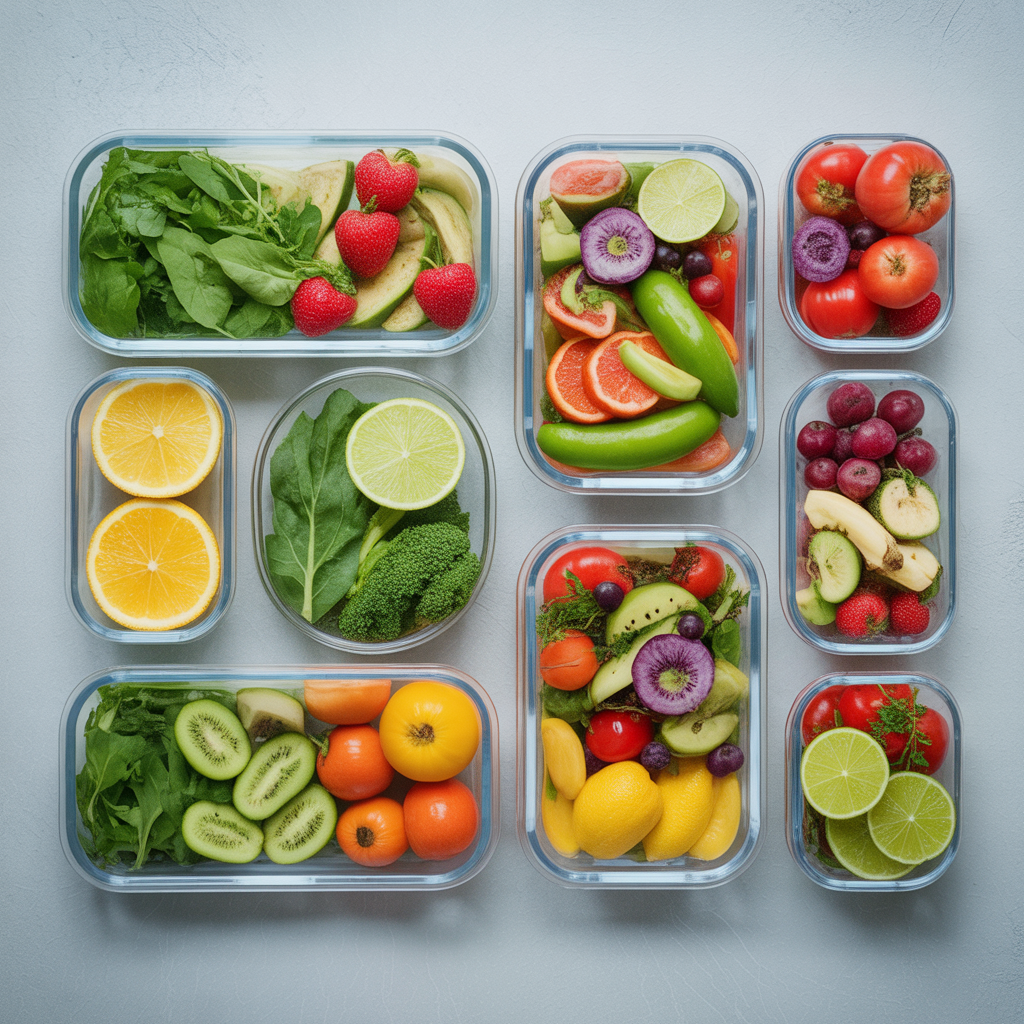
Plan weekly menus around fresh ingredients and homemade meals. Batch cooking allows preparation of large quantities of low-sodium meals that can be portioned and frozen for convenience. This approach saves time while maintaining control over sodium content.
Prepare homemade versions of typically high-sodium foods like salad dressings, marinades, and snack mixes. These preparations often taste better than commercial versions while containing significantly less sodium.
Dining Out Tips
When dining out, ask servers about preparation methods and request modifications when possible. Many restaurants can prepare dishes without added salt or serve sauces and dressings on the side. Choose grilled, baked, or roasted options over fried foods, which typically contain more sodium.
Research restaurant nutrition information online before visiting, as many chain restaurants now provide detailed nutritional data including sodium content. This preparation allows for informed choices before arriving.
Special Considerations
Medical Conditions Requiring Low-Sodium Diets
Hypertension Management: Individuals with high blood pressure often benefit from sodium restriction as part of comprehensive treatment plans. Healthcare providers may recommend limiting sodium to 1,500 mg per day or less, depending on individual circumstances.
Heart Failure: People with heart failure typically require strict sodium restriction to prevent fluid retention and reduce strain on the heart. Medical supervision is essential for determining appropriate sodium limits.
Kidney Disease: Those with chronic kidney disease may need to limit sodium intake to reduce strain on kidney function. The appropriate level varies based on kidney function and other medical factors.
Gradual Transition Strategies
Taste preferences for salt develop over time and can be gradually modified. Most people find that their taste adapts to lower sodium levels within 2-4 weeks of consistent reduction. Start by reducing sodium by 25% and gradually decrease further as taste preferences adjust.
Focus on one meal or food category at a time rather than attempting to eliminate all high-sodium foods simultaneously. This approach increases the likelihood of long-term success and reduces the feeling of deprivation.
Sample Low-Sodium Meal Plans
7-Day Sample Menu
Day 1 Example:
- Breakfast: Oatmeal with fresh berries and cinnamon (100 mg sodium)
- Lunch: Grilled chicken salad with olive oil and lemon dressing (200 mg sodium)
- Dinner: Baked salmon with roasted vegetables and quinoa (300 mg sodium)
- Snacks: Apple with unsalted almonds (10 mg sodium)
- Daily total: Approximately 610 mg sodium
This approach demonstrates how fresh, whole foods can create satisfying meals while maintaining very low sodium levels. Each day can follow similar principles while varying ingredients and preparation methods.
Quick Recipe Ideas
15-Minute Low-Sodium Meals:
- Herb-crusted fish with steamed broccoli
- Chicken stir-fry with fresh vegetables and ginger
- Whole grain pasta with fresh tomato and basil
- Turkey and vegetable lettuce wraps
- Homemade smoothie bowls with fresh fruit
Resources and Tools
Helpful Apps and Websites
Several smartphone apps can help track sodium intake and identify high-sodium foods. Popular nutrition tracking applications allow users to scan barcodes and automatically log sodium content. Many also provide restaurant nutrition databases to help with dining decisions.
Government resources like the USDA’s nutrition database provide comprehensive nutritional information for thousands of foods. These tools help consumers make informed decisions about food choices.
Professional Support
Registered dietitians can provide personalized guidance for reducing sodium intake while maintaining nutritional balance. This is particularly valuable for individuals with medical conditions requiring specific dietary modifications.
Healthcare providers should monitor blood pressure and other health markers when individuals make significant dietary changes. Regular check-ups help ensure that dietary modifications are having the desired health benefits.
Conclusion
Understanding which foods are high in sodium is the first step toward making healthier dietary choices. By focusing on fresh, whole foods and learning to use natural flavor enhancers, it’s possible to significantly reduce sodium intake without sacrificing taste or satisfaction. The health benefits of reducing sodium consumption—including lower blood pressure, reduced cardiovascular disease risk, and improved kidney function—make these dietary changes worthwhile investments in long-term health.
Start with small changes like choosing fresh vegetables over canned versions, cooking more meals at home, and reading nutrition labels carefully. These gradual modifications will help develop preferences for lower-sodium foods while supporting optimal health outcomes. Remember that taste preferences can adapt over time, making it easier to maintain these healthier eating patterns long-term.
Most importantly, consult with healthcare professionals when making significant dietary changes, especially if you have existing health conditions. They can provide personalized guidance and monitor your progress to ensure that dietary modifications support your individual health goals effectively.