

We’ve all been there: standing in front of the open refrigerator, staring at a carton of eggs and wondering, “Are these still good to eat?” It’s a common kitchen dilemma that can lead to unnecessary food waste or, worse, a potential foodborne illness. The good news is that eggs do go bad, but they actually last much longer than most people realize when stored properly. Understanding how to determine egg freshness can save you money, reduce waste, and keep your family safe. In this comprehensive guide, we’ll explore everything you need to know about egg spoilage, from simple freshness tests you can do at home to proper storage techniques that maximize shelf life.
Do Eggs Actually Go Bad? The Science Behind Egg Spoilage
Yes, eggs definitely go bad, but understanding the science behind egg spoilage helps explain why they remain fresh longer than many other perishable foods. Eggs are remarkable natural packages designed to protect and nourish developing chicks, which means they come equipped with several built-in preservation mechanisms.
The spoilage process begins immediately after an egg is laid, but it happens gradually. Over time, the egg’s protective barriers break down through a natural aging process. The shell, which appears solid, actually contains thousands of tiny pores that allow air and moisture to pass through. As eggs age, air enters through these pores, causing the air cell inside the egg to enlarge and the egg white to become thinner and more watery.
Bacterial contamination presents the primary safety concern with eggs. Salmonella enteritidis is the most significant risk, as these bacteria can sometimes be present inside eggs even when the shell appears perfectly normal. This contamination can occur if the bacteria are present in the hen’s ovaries or oviduct when the egg is forming, or if bacteria penetrate the shell after laying.
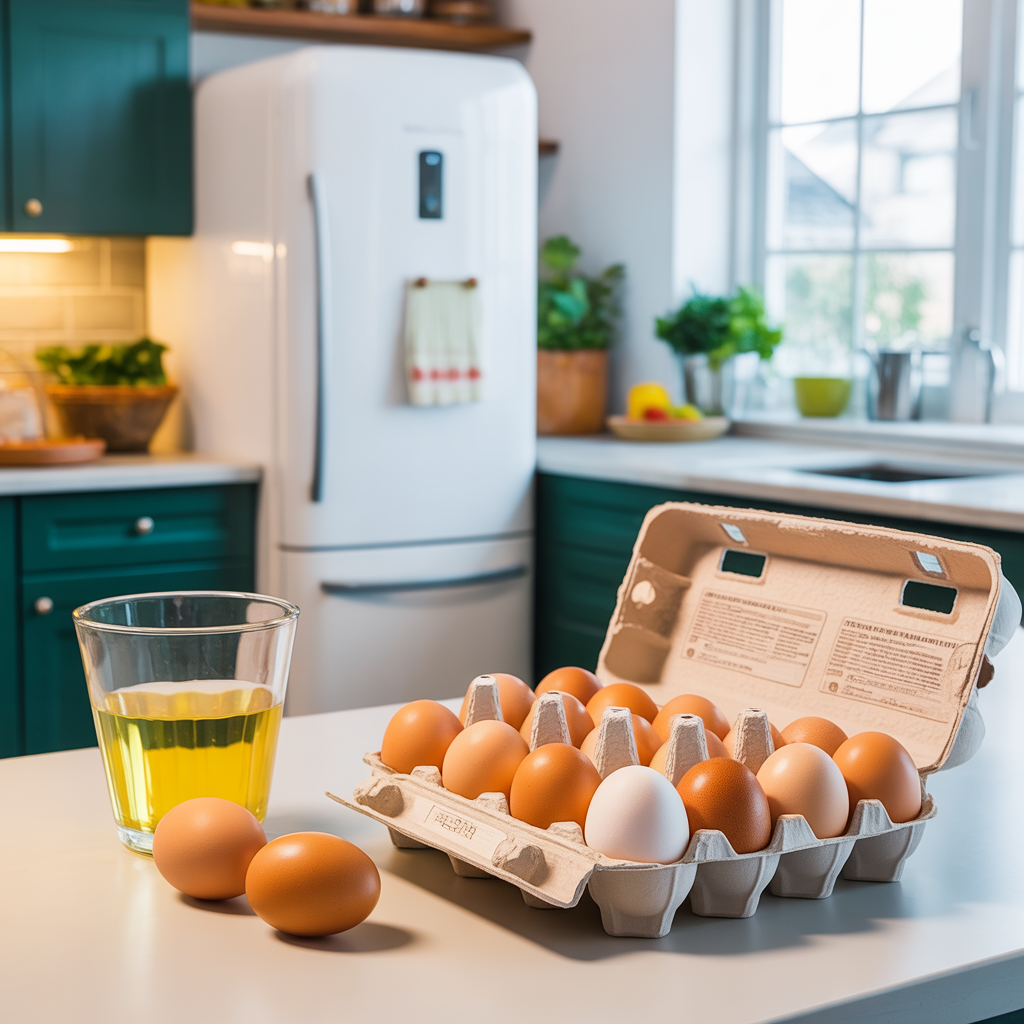
The egg’s natural defense system includes several protective barriers: the shell itself, the shell membrane, the egg white’s antimicrobial properties, and the slightly acidic pH that inhibits bacterial growth. However, these defenses weaken over time, making older eggs more susceptible to spoilage and bacterial contamination.
Understanding Egg Expiration Dates
The dates printed on egg cartons can be confusing, but understanding what they mean is crucial for making informed decisions about egg safety and freshness. There are three main types of dates you might encounter:
Sell-by Date: This date tells stores how long to display eggs for sale. It’s typically 30 days from the packing date and doesn’t necessarily indicate when eggs become unsafe to eat.
Use-by Date: This suggests the timeframe during which eggs will maintain peak quality, though they may remain safe beyond this date when properly stored.
Best-by Date: Similar to use-by dates, this indicates when eggs are at their freshest and highest quality, not necessarily when they become dangerous.
According to USDA guidelines, eggs can typically be consumed 3-5 weeks beyond the purchase date when refrigerated properly. The key is understanding that these dates are primarily about quality rather than safety, provided the eggs have been stored correctly and show no signs of spoilage.
How Long Do Eggs Last?
The shelf life of eggs varies significantly depending on storage conditions and how they’re prepared. Here’s a comprehensive breakdown of egg longevity:
Fresh eggs in refrigerator: When stored at 40°F or below, fresh eggs maintain their quality for 4-5 weeks past the purchase date. Some eggs may remain safe even longer, though quality gradually decreases.
Fresh eggs at room temperature: Without refrigeration, eggs typically last 2-3 weeks, though this varies based on ambient temperature and humidity. In very warm climates, this timeframe decreases significantly.
Hard-boiled eggs: Once cooked and properly refrigerated, hard-boiled eggs stay fresh for up to one week. Keep them in their shells until ready to eat for maximum freshness.
Egg dishes and prepared foods: Casseroles, quiches, and other egg-based dishes should be consumed within 3-4 days when refrigerated properly.
Several factors affect egg shelf life, including storage temperature, humidity levels, shell integrity, and the age of eggs when purchased. Eggs from older hens may not last as long as those from younger birds, and eggs with damaged shells spoil more quickly.
How to Tell If Eggs Have Gone Bad: Freshness Tests
Visual Inspection
Start your egg assessment with a thorough visual examination. Check the shell for cracks, unusual spots, or a powdery, chalky texture that might indicate bacterial growth. Small blood spots on the shell are usually harmless but can indicate handling issues.
When you crack the egg, examine the egg white carefully. Fresh egg whites appear thick and somewhat cloudy, while older eggs have thinner, more transparent whites. The cloudiness in fresh eggs comes from carbon dioxide that hasn’t had time to escape through the shell.
The yolk should sit high and maintain a rounded shape in fresh eggs. As eggs age, the yolk becomes flatter and may break more easily. The yolk color can vary from pale yellow to deep orange depending on the hen’s diet, but dramatic color changes might indicate spoilage.
The Float Test (Most Popular Method)
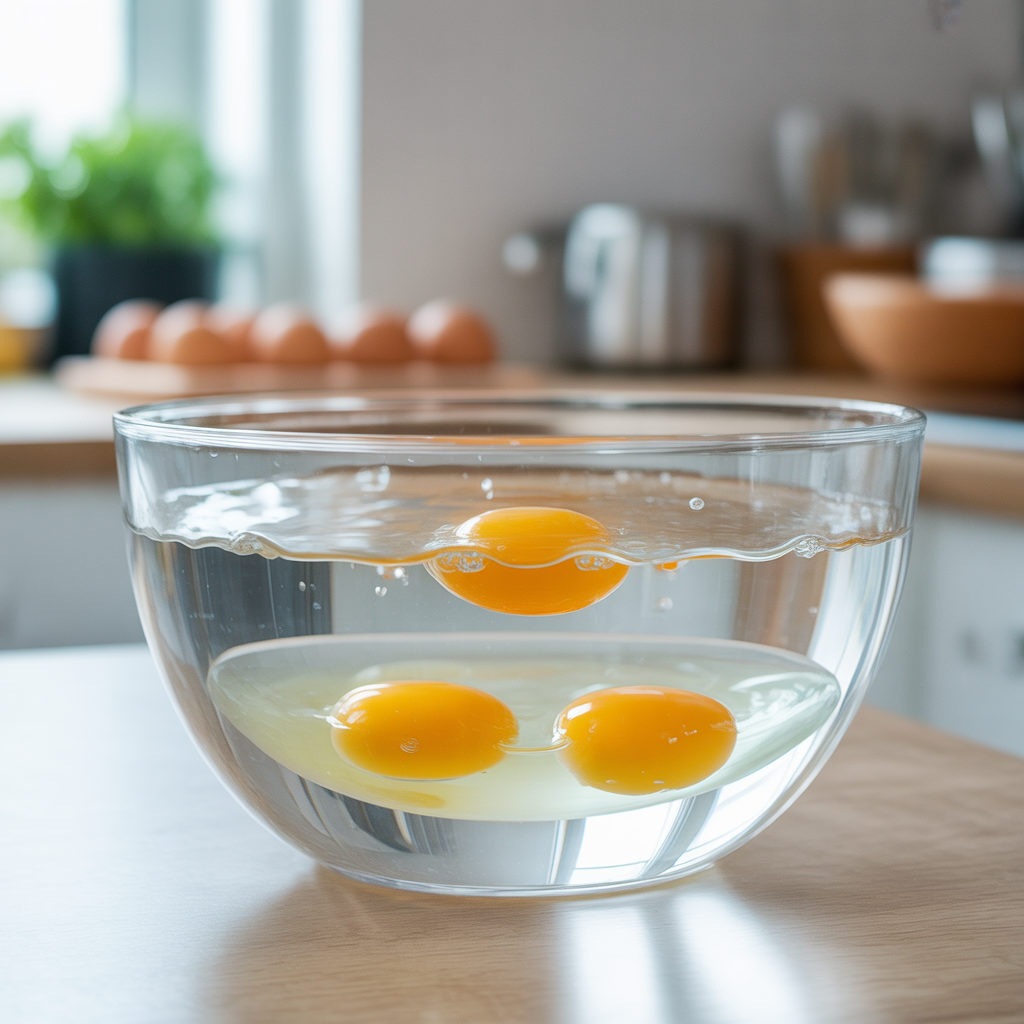
The float test is the most widely recommended method for checking egg freshness, and it’s remarkably reliable. Here’s how to perform this simple test:
- Fill a large bowl with cold water, deep enough to completely submerge an egg
- Gently place the egg in the water
- Observe the egg’s behavior
Fresh eggs will sink to the bottom and lie flat on their sides. This happens because the air cell inside is very small, making the egg denser than water.
Older but still good eggs will sink but may stand upright or tilt slightly. The air cell has grown but not enough to make the egg buoyant.
Very old or spoiled eggs will float to the surface. The enlarged air cell makes them less dense than water, causing them to float.
This test works because as eggs age, moisture evaporates through the shell and is replaced by air, creating a larger air pocket that eventually provides enough buoyancy to make the egg float.
The Sniff Test
Your nose is an excellent detector of egg spoilage. Fresh eggs have virtually no smell, or perhaps a very faint, clean scent. To properly perform the sniff test:
Hold the egg close to your nose and take a gentle sniff. If you detect any sulfurous, rotten, or otherwise unpleasant odors, the egg has gone bad and should be discarded immediately. Trust your nose – if something smells off, it probably is.
The characteristic “rotten egg” smell comes from hydrogen sulfide gas produced by bacteria breaking down proteins inside the egg. This smell is unmistakable and indicates the egg is definitely spoiled.
The Crack and Check Method
Sometimes the most reliable test involves cracking the egg open and examining its contents. This method provides the most information about egg quality:
Crack the egg onto a clean plate or bowl. Look for any unusual colors, particularly greenish or pinkish tints in the egg white, which can indicate bacterial contamination. The consistency should be relatively thick for the white and cohesive for the yolk.
Spoiled eggs may have a watery consistency, unusual colors, or visible mold. Any egg that looks abnormal should be discarded without tasting.
The Shake Test
The shake test offers another quick way to assess egg quality. Hold the egg close to your ear and give it a gentle shake. Fresh eggs make little to no sound because the contents are thick and don’t move around much inside the shell.
Older eggs will produce a sloshing sound as the thinned egg white moves around inside the shell. If you hear significant liquid movement, the egg is older but may still be safe to eat if it passes other freshness tests.
Proper Egg Storage Methods
Refrigerator Storage
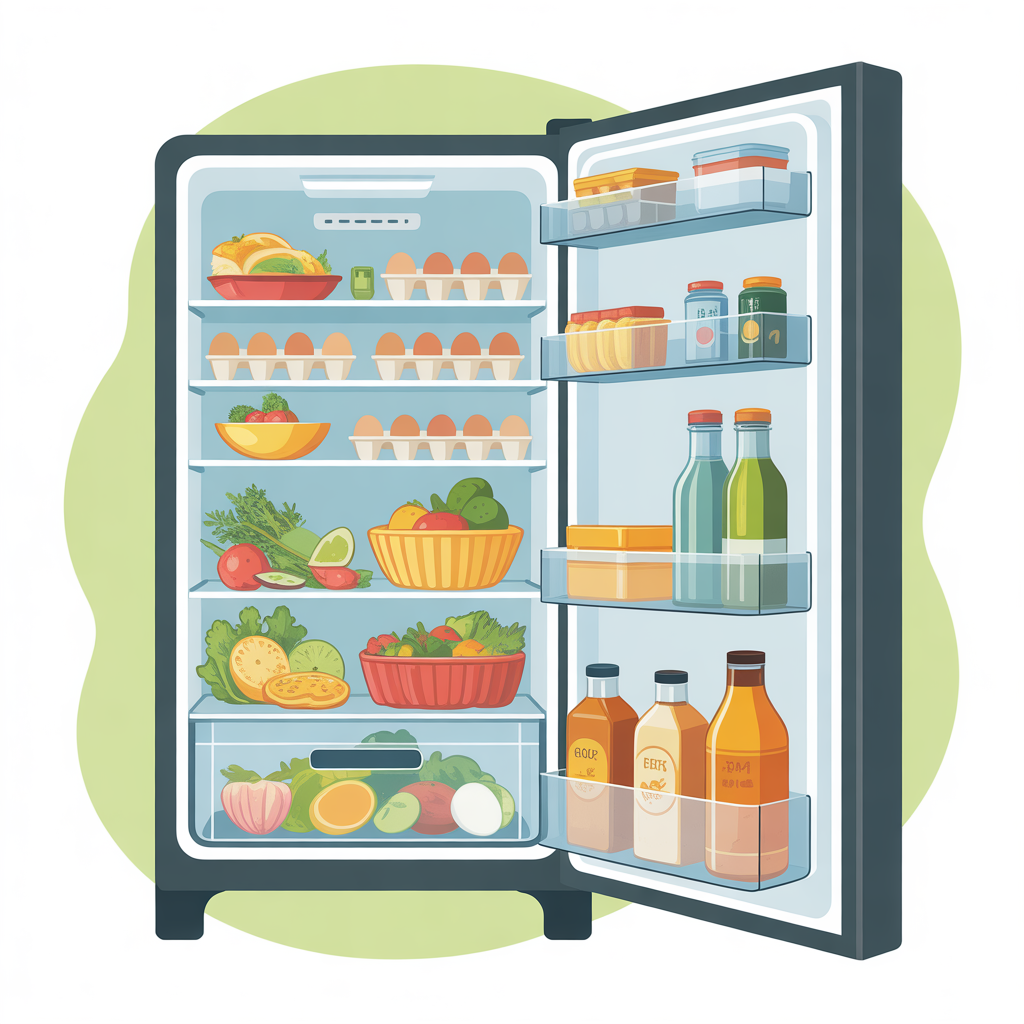
Proper refrigeration is crucial for maintaining egg safety and quality. Store eggs at 40°F or below, which typically means placing them in the main body of the refrigerator rather than the door, where temperature fluctuations are more common.
Keep eggs in their original carton, which protects them from absorbing odors and flavors from other foods. The carton also helps maintain humidity levels and protects the shells from damage. Store eggs with the pointed end down, as this helps keep the yolk centered and maintains the air cell’s position.
Room Temperature Storage
In the United States, eggs must be refrigerated due to the washing process that removes the natural protective coating. However, in many other countries, unwashed eggs can be safely stored at room temperature for extended periods.
If you must store eggs at room temperature temporarily, keep them in a cool, dry place away from direct sunlight. Monitor them more closely for signs of spoilage, and use them more quickly than refrigerated eggs.
Freezing Eggs
You cannot freeze whole eggs in their shells, as the liquid inside expands and will crack the shell. However, you can freeze separated egg whites and yolks:
Egg whites freeze well and can be stored for up to one year. Thaw them in the refrigerator and use in recipes that call for egg whites.
Egg yolks require special preparation before freezing. Mix each yolk with either 1/8 teaspoon salt or 1 teaspoon sugar (depending on intended use) to prevent them from becoming gel-like. Frozen yolks last up to one year.
Food Safety Guidelines and Risk Assessment
Certain situations require immediate disposal of eggs, regardless of other factors. Always discard eggs with cracked or damaged shells, eggs that smell bad, eggs that float in the float test, or eggs that show any visual signs of spoilage when cracked open.
Some populations face higher risks from potential egg contamination. Pregnant women, elderly individuals, young children, and people with compromised immune systems should be especially cautious about egg freshness and should avoid consuming raw or undercooked eggs.
When cooking eggs, ensure they reach a safe internal temperature of 160°F to kill any potential bacteria. This is particularly important for egg dishes that will be held warm for extended periods.
Prevent cross-contamination by washing hands, utensils, and surfaces that come into contact with raw eggs. Never let raw eggs or egg dishes sit at room temperature for more than two hours (one hour if the temperature exceeds 90°F).
Common Myths About Egg Freshness
Several misconceptions about egg freshness persist, leading to unnecessary waste and confusion. Let’s address the most common myths:
Myth: Eggs are bad immediately after the expiration date. Reality: Properly stored eggs often remain safe and edible for weeks beyond the printed date, though quality may decline.
Myth: All cracked eggs are dangerous. Reality: Eggs with small cracks can still be safe if used immediately and cooked thoroughly, though they should be examined carefully for signs of contamination.
Myth: Brown eggs last longer than white eggs. Reality: Shell color has no impact on shelf life or nutritional value. Freshness depends on age, storage conditions, and handling.
Myth: Farm-fresh eggs don’t need refrigeration. Reality: In the U.S., all commercially sold eggs are washed and must be refrigerated. Unwashed farm eggs have different storage requirements but still benefit from refrigeration for extended storage.
What to Do with Eggs That Are Still Good But Not Fresh
Eggs that pass freshness tests but aren’t at peak quality can still be used effectively in various cooking applications. Older eggs are actually preferred for certain uses:
Hard-boiling: Slightly older eggs are easier to peel when hard-boiled because the pH changes make the shell separate more readily from the egg white.
Baking: Older eggs work well in baked goods like cakes, cookies, and bread where the slight quality decline won’t affect the final product.
Scrambling or cooking: While older eggs may have slightly thinner whites, they’re perfectly safe and nutritious when cooked thoroughly.
Consider using less-than-fresh eggs in dishes where they’ll be fully cooked, such as casseroles, frittatas, or custards.
Signs You Should Throw Eggs Away Immediately
Certain warning signs indicate eggs should be discarded without question. These clear danger signals include:
- Any foul or sulfur-like odor
- Cracked or broken shells with visible contamination
- Eggs that float completely in water
- Unusual colors or textures when cracked open
- Any visible mold on the shell
- Slimy or unusually thick egg whites
When in doubt, follow the golden rule of food safety: “When in doubt, throw it out.” The potential consequences of consuming a spoiled egg far outweigh the cost of replacing it.
Tips to Maximize Egg Freshness and Minimize Waste
Smart purchasing and storage strategies can help you get the most from your eggs while minimizing waste:
Buy only what you need: Unless you use eggs frequently, avoid buying large quantities that might spoil before use.
Check dates when shopping: Select cartons with the latest sell-by or use-by dates when possible.
Practice rotation: Use older eggs first and place newer purchases behind existing ones in your refrigerator.
Plan meals: Incorporate eggs into your weekly meal planning to ensure they’re used before quality declines.
Monitor storage conditions: Keep your refrigerator at the proper temperature and avoid leaving eggs out longer than necessary.
Frequently Asked Questions
How long are eggs good after the sell-by date? Eggs typically remain safe for 3-5 weeks past the sell-by date when refrigerated properly, though quality may decline over time.
Can you eat eggs that float? Eggs that float should generally be discarded as they’re likely too old or spoiled. The float test is a reliable indicator of egg age and potential spoilage.
Is it safe to eat eggs with blood spots? Small blood spots in eggs are generally safe and result from ruptured blood vessels during egg formation. They can be removed if desired, but the egg is still edible when cooked thoroughly.
Do organic eggs last longer than regular eggs? Organic eggs don’t inherently last longer than conventional eggs. Freshness depends more on storage conditions, handling, and age than on production method.
Can you get sick from slightly old eggs? Slightly old but properly stored eggs are generally safe when cooked thoroughly. However, very old eggs or those showing signs of spoilage can cause foodborne illness.
How do you store eggs without refrigeration? In the U.S., eggs must be refrigerated due to processing methods. However, unwashed eggs in other countries can be stored at room temperature in cool, dry conditions for shorter periods.
Understanding egg freshness and safety doesn’t have to be complicated. By using simple tests like the float method, visual inspection, and trusting your nose, you can confidently determine whether your eggs are safe to eat. Proper storage techniques and awareness of spoilage signs will help you minimize waste while keeping your family safe. Remember that when properly stored, eggs last much longer than many people realize, making them an excellent, economical protein source for your kitchen. The next time you find yourself questioning those eggs in your refrigerator, use these reliable methods to make an informed decision rather than automatically throwing them away.