

The carnivore diet has emerged as one of the most controversial yet intriguing dietary approaches in recent years. This all-animal-food eating pattern eliminates virtually all plant foods, focusing exclusively on meat, fish, eggs, and certain animal products. While radical compared to conventional nutrition recommendations, the carnivore diet has garnered significant attention for its reported benefits, particularly among those struggling with autoimmune conditions, digestive issues, and metabolic disorders. This comprehensive guide examines the scientific principles behind this way of eating, its potential benefits and risks, practical implementation strategies, and the current state of research—providing you with everything you need to make an informed decision about whether this approach might be right for your health goals.
I. Introduction to the Carnivore Diet
A. Definition and Core Principles
The carnivore diet is an eating pattern that consists entirely of animal-derived foods while excluding all plant foods. At its core, this diet emphasizes consuming meat, fish, eggs, and sometimes certain dairy products, while eliminating vegetables, fruits, grains, legumes, nuts, seeds, and all other plant-based foods. The fundamental principle is that humans evolved primarily as meat-eaters, and that animal foods provide complete nutrition without the potential antinutrients and irritants found in plant foods.
The strictest version includes only meat, salt, and water. However, many practitioners include a broader range of animal products, varying in their inclusion of dairy, seafood, and organ meats. The diet’s simplicity is often cited as one of its advantages—eliminating the complexity of balancing different food groups and focusing on nutrient-dense animal foods.
B. Historical Context and Evolutionary Perspective
While often perceived as a modern diet trend, exclusively or predominantly meat-based diets have historical precedents. Traditional cultures like the Inuit of the Arctic regions, certain Native American plains tribes, and some African pastoral societies historically consumed diets very high in animal products with minimal plant foods due to environmental constraints.
From an evolutionary perspective, proponents argue that human digestive systems evolved during the Paleolithic era when hunting provided a significant portion of food intake. The dramatic increase in brain size that occurred in human evolution corresponds with evidence of increased meat consumption, leading some anthropologists to suggest that meat consumption played a crucial role in human development.
C. Rise in Popularity and Prominent Advocates
The carnivore diet’s recent surge in popularity can be largely attributed to several high-profile advocates. Dr. Shawn Baker, an orthopedic surgeon and athlete, has been one of the most vocal proponents, documenting his own experience and gathering anecdotal evidence from thousands of followers. Clinical psychologist Dr. Jordan Peterson and his daughter Mikhaila Peterson have also publicly discussed their positive experiences with the diet, particularly in relation to autoimmune conditions and depression.
Podcasts, social media, and online forums have accelerated interest in the carnivore approach, with communities sharing experiences, research, and protocols. This grassroots movement has grown despite—or perhaps because of—its contradiction to conventional dietary guidelines.

D. Comparison with Other Low-Carb Diets (Keto, Paleo)
The carnivore diet shares commonalities with other low-carbohydrate approaches but takes restriction further:
- Ketogenic Diet: While both diets can induce ketosis (burning fat for fuel instead of carbohydrates), the keto diet typically allows 5-10% of calories from carbs, often including non-starchy vegetables, nuts, and seeds. Carnivore eliminates all plant sources of carbohydrates.
- Paleo Diet: The paleo approach eliminates processed foods, grains, and legumes but embraces fruits, vegetables, nuts, and seeds. Carnivore is essentially a more restrictive subset of paleo, focusing exclusively on the animal food components.
- Zero-Carb: Sometimes used interchangeably with carnivore, though some zero-carb practitioners may include plant foods that contain negligible carbohydrates.
The carnivore diet stands apart in its complete elimination of plant foods, making it the most restrictive of these approaches but potentially the most impactful for those specifically sensitive to plant compounds.
II. The Science Behind the Carnivore Diet
A. Metabolic Adaptation to All-Animal Foods
When transitioning to a carnivore diet, the body undergoes significant metabolic adaptations. Without dietary carbohydrates, the body shifts to primarily utilizing fat for energy instead of glucose. This process involves several adaptations:
- Increased production of enzymes needed to metabolize fats
- Enhanced fat oxidation in the muscles and liver
- Upregulation of gluconeogenesis (the creation of glucose from non-carbohydrate sources, primarily amino acids)
- Decreased reliance on insulin as blood glucose levels stabilize
These metabolic shifts typically take several weeks to optimize, which explains many of the adaptation symptoms experienced by newcomers to the diet. Research shows that fat adaptation can lead to steady energy levels without the peaks and crashes associated with carbohydrate metabolism.
B. Ketosis and Fat Adaptation Mechanisms
On a carnivore diet, most practitioners enter nutritional ketosis—a metabolic state where ketone bodies, produced from fatty acids in the liver, become a primary energy source for many tissues, including the brain. This state differs from diabetic ketoacidosis, which is a pathological condition.
Key aspects of ketosis on a carnivore diet include:
- Production of ketone bodies (primarily beta-hydroxybutyrate and acetoacetate)
- Enhanced mitochondrial function and potential increase in mitochondrial density
- Reduced reliance on glycogen stores
- Preserved lean mass compared to other calorie-restricted diets
Research indicates that ketone bodies may have signaling properties beyond energy provision, potentially affecting gene expression, inflammation, and oxidative stress. The brain, which traditionally relies heavily on glucose, can derive up to 70% of its energy from ketones when fully adapted.
C. Protein Metabolism on a Carnivore Diet
Protein intake is significantly higher on a carnivore diet compared to standard dietary patterns, raising questions about protein metabolism and potential concerns about excess. Several key processes come into play:
- Gluconeogenesis converts some amino acids to glucose, primarily to maintain blood glucose for tissues that cannot use ketones
- The liver’s capacity for urea synthesis increases to handle the greater nitrogen load from protein breakdown
- Adaptations in kidney function accommodate increased filtration demands
Contrary to some concerns, research has not demonstrated kidney damage from high-protein diets in individuals with healthy renal function. The body appears capable of adapting to higher protein loads, though individual variations exist. Some studies suggest that protein requirements may actually decrease once fully fat-adapted due to increased protein sparing.
D. Micronutrient Considerations
A common criticism of the carnivore diet is potential micronutrient deficiencies due to the elimination of plant foods. However, animal products contain nearly all essential vitamins and minerals, often in highly bioavailable forms:
- Vitamin C: While lower than in fruits, fresh meat (particularly organ meats) contains some vitamin C. Additionally, the body’s requirement for vitamin C decreases on a low-carbohydrate diet as glucose and vitamin C compete for absorption.
- B Vitamins: Abundant in meat, especially B12 which is only found naturally in animal foods.
- Fat-Soluble Vitamins: Animal fats are rich in vitamins A, D, E, and K, particularly when animals are pasture-raised.
- Minerals: Meat is an excellent source of zinc, iron, phosphorus, and selenium. The bioavailability of these minerals is typically higher than from plant sources.
The nose-to-tail approach (consuming organ meats and other traditionally discarded parts) significantly enhances micronutrient intake. Liver, for instance, is one of the most nutrient-dense foods available, rich in vitamins A, B vitamins, iron, and copper.
III. Potential Health Benefits
A. Weight Loss and Body Composition Changes
The carnivore diet has shown remarkable results for weight management, particularly for those who have struggled with other approaches. Several mechanisms contribute to its effectiveness:
- Increased satiety: Protein and fat are highly satiating, naturally reducing caloric intake without conscious restriction.
- Hormonal optimization: Reduced carbohydrate intake lowers insulin levels, facilitating access to stored body fat for energy.
- Metabolic efficiency: Fat adaptation improves metabolic flexibility and energy utilization.
- Muscle preservation: Adequate protein intake helps maintain or even increase lean muscle mass during weight loss.
Anecdotal reports consistently show significant fat loss while maintaining muscle mass. This contrasts with typical weight loss diets, which often result in muscle loss alongside fat reduction. Some practitioners report improved muscle definition and recovery, particularly when combining the diet with resistance training.
B. Reduced Inflammation and Autoimmune Symptoms
Perhaps the most compelling reported benefit of the carnivore diet is its potential to reduce inflammation and alleviate autoimmune conditions. Many practitioners initially adopt the diet specifically to address conditions like rheumatoid arthritis, psoriasis, inflammatory bowel disease, and multiple sclerosis.
Potential mechanisms include:
- Elimination of plant antinutrients and proteins that may trigger immune responses (lectins, gluten, etc.)
- Reduction in inflammatory omega-6 fatty acids and increased omega-3 intake when consuming grass-fed meat
- Ketones themselves may have anti-inflammatory properties
- Healing of intestinal permeability (“leaky gut”) that may contribute to autoimmune reactions
Numerous case studies and testimonials describe dramatic improvements in autoimmune symptoms, often after conventional medical treatments failed. These reports have sparked interest in the scientific community, though controlled clinical trials specifically on carnivore for autoimmune conditions are still limited.
C. Mental Clarity and Cognitive Effects
Many carnivore diet adherents report significant improvements in cognitive function, mood, and mental clarity. Several mechanisms may contribute to these effects:
- Stable blood sugar: Without carbohydrate-induced glucose fluctuations, brain energy supply remains consistent.
- Ketone utilization: The brain efficiently uses ketones for energy, with some researchers suggesting ketones may be a preferred fuel for the brain.
- Reduced neuroinflammation: Lower systemic inflammation may extend to brain tissue, improving neural function.
- Increased BDNF: Some studies suggest ketogenic diets increase brain-derived neurotrophic factor, which supports neuronal health and plasticity.
Reports of improved focus, reduced brain fog, enhanced mood stability, and even alleviation of depression and anxiety symptoms are common among carnivore diet practitioners. Some neurologists have begun investigating ketogenic approaches, including carnivore, for conditions like Alzheimer’s, Parkinson’s, and treatment-resistant depression.
D. Digestive Health Improvements
Digestive benefits are frequently reported by carnivore diet adopters, particularly those with pre-existing digestive disorders. The simplicity of the diet appears to provide relief for many digestive systems:
- Elimination of fermentable carbohydrates that can cause bloating, gas, and IBS symptoms
- Reduced dietary triggers for inflammatory bowel diseases
- Simplified digestive requirements with the absence of complex plant compounds
- Potential healing of intestinal permeability (“leaky gut”)
Many practitioners report resolution of longstanding digestive issues, including irritable bowel syndrome (IBS), Crohn’s disease, ulcerative colitis, and GERD (gastroesophageal reflux disease). Interestingly, despite concerns about the lack of fiber, constipation is rarely reported; many experience normalization of bowel function after an adaptation period.
E. Blood Sugar Regulation and Insulin Sensitivity
The carnivore diet has shown promising effects on blood glucose control and insulin function. By virtually eliminating dietary carbohydrates, several beneficial metabolic changes occur:
- Significant reduction in blood glucose fluctuations
- Lower baseline insulin levels and improved insulin sensitivity
- Reduced glycation (the damaging process of sugar molecules attaching to proteins and lipids)
- Potential reversal of insulin resistance
These effects make the diet particularly interesting for those with type 2 diabetes or metabolic syndrome. Some case studies and preliminary research suggest dramatic improvements in glycemic control, with some type 2 diabetics reporting reduced or eliminated medication needs under medical supervision.
F. Skin Condition Improvements
Skin health improvements are commonly reported benefits of the carnivore diet. Many adherents experience resolution or significant improvement in various skin conditions:
- Acne: Possibly due to eliminated dietary triggers and reduced inflammation
- Psoriasis and eczema: Often dramatically improved, potentially related to autoimmune mechanism changes
- Rosacea: Reduction in symptoms possibly linked to elimination of trigger foods
- General skin appearance: Reports of improved clarity, reduced wrinkles, and better overall skin quality
While the exact mechanisms aren’t fully understood, these improvements may relate to reduced systemic inflammation, elimination of food sensitivities, improved nutrient delivery to the skin, and hormonal balancing effects of the diet.
IV. Scientific Evidence and Research
A. Current Studies Supporting Carnivore Diet Benefits
While the carnivore diet lacks the extensive research base of more established dietary patterns, emerging evidence suggests potential benefits. Current supporting research includes:
- Harvard study (2021): Survey of over 2,000 carnivore diet practitioners showing improvements in various health markers and conditions, particularly autoimmune disorders and mental health.
- Case studies: Documented cases of significant improvement in conditions like Crohn’s disease, rheumatoid arthritis, and treatment-resistant depression.
- Extrapolation from ketogenic diet research: Extensive studies on ketogenic diets show benefits for epilepsy, metabolic syndrome, and certain neurological conditions.
- Anthropological research: Studies of traditional carnivorous societies showing absence of modern chronic diseases.
Additionally, research on protein metabolism, ketosis, and animal food nutrition indirectly supports many of the theoretical underpinnings of the carnivore approach. Metabolic ward studies consistently show improved body composition with higher protein diets.
B. Limitations in Existing Research
The carnivore diet research landscape faces several significant limitations:
- Lack of randomized controlled trials: Few studies directly examine carnivore diet interventions under controlled conditions.
- Self-reporting bias: Much of the existing data comes from self-reported outcomes, which may overrepresent positive results.
- Short-term focus: Limited data on long-term outcomes beyond several years of adherence.
- Funding challenges: The diet contradicts conventional nutritional paradigms, making research funding difficult to secure.
- Participant compliance issues: The restrictive nature of the diet can make participant recruitment and adherence challenging for formal studies.
These limitations highlight the need for more rigorous scientific investigation before definitive medical recommendations can be made. However, the growing body of anecdotal success across diverse health conditions suggests promising avenues for future research.
C. Contradictory Evidence and Scientific Concerns
Several aspects of the carnivore diet conflict with established nutritional science, raising legitimate concerns:
- Fiber absence: Conventional wisdom holds that dietary fiber is essential for gut health and microbiome diversity, though carnivore practitioners report improved digestive function without it.
- Saturated fat intake: Traditional cardiovascular guidelines recommend limiting saturated fat, while carnivore diets typically contain substantial amounts.
- Phytonutrient deprivation: Plant compounds with documented health benefits are eliminated.
- Potential nutritional gaps: Concerns about specific micronutrients like vitamin C and vitamin E if organ meats are not consumed.
- Cholesterol considerations: Increased dietary cholesterol, though recent research has questioned the direct link between dietary cholesterol and blood cholesterol levels.
Some epidemiological studies linking red meat consumption to increased disease risk directly contradict carnivore principles, though these studies often fail to distinguish between processed and unprocessed meats or account for accompanying dietary factors.
D. Ongoing Clinical Trials and Emerging Research
The scientific landscape surrounding the carnivore diet is evolving rapidly. Current research developments include:
- Clinical trials: Several universities have initiated preliminary studies examining metabolic outcomes, autoimmune markers, and mental health parameters.
- Microbiome research: Emerging studies on how an all-animal diet affects gut bacteria composition and function, challenging conventional understanding of microbiome requirements.
- Metabolomic analysis: Research examining detailed metabolic signatures of carnivore diet adherents to understand adaptations and health markers.
- Comparative effectiveness research: Studies comparing carnivore to other therapeutic diets for specific conditions like autoimmune disorders and treatment-resistant epilepsy.
Researchers are increasingly interested in understanding the paradoxical benefits reported by carnivore practitioners despite the diet’s contradiction of established nutritional guidelines. This interest is driving more sophisticated research designs that may help reconcile these contradictions.
V. Potential Risks and Considerations
A. Nutritional Deficiencies and Long-term Concerns
Despite the nutrient density of animal foods, several potential nutritional considerations warrant attention:
- Vitamin C: While requirements appear lower on low-carb diets and some is present in fresh meat, levels may be suboptimal without organ meat consumption.
- Vitamin E: Primarily found in plant oils and nuts, though some is present in animal fats.
- Calcium: May be inadequate without dairy inclusion or bone consumption (bone broth, bone meal).
- Phytonutrients: The thousands of plant compounds with potential benefits are absent.
- Folate: Levels may be suboptimal without organ meat consumption, particularly relevant for women of childbearing age.
Long-term concerns include questions about cardiovascular health trajectories, cancer risk, and potential adaptations or deficiencies that might manifest after years of adherence. These concerns underscore the importance of regular medical monitoring and consideration of targeted supplementation in some cases.
B. Cardiovascular Health Considerations
Perhaps the most controversial aspect of the carnivore diet relates to cardiovascular health implications. Several considerations include:
- Lipid profile changes: Many practitioners experience increased LDL cholesterol alongside improved HDL/triglyceride ratios and LDL particle size distribution (more large, buoyant particles versus small, dense ones).
- Inflammation markers: Often show improvement, which some research suggests may be more predictive of cardiovascular risk than cholesterol levels alone.
- Blood pressure: Frequently normalizes, potentially due to improved insulin sensitivity and reduced inflammation.
- Arterial function: Limited data on direct measures of arterial health like calcium scores and endothelial function.
The cardiovascular impact appears highly individualized, with some practitioners showing concerning lipid changes while others demonstrate improved overall profiles. This variability highlights the importance of personalized medical supervision and regular monitoring of cardiovascular markers.
C. Impact on Gut Microbiome
The elimination of fiber and plant compounds significantly alters the gut microbiome, raising questions about long-term implications:
- Reduced diversity: Research shows decreased bacterial diversity compared to plant-inclusive diets, though the clinical significance remains debated.
- Functional adaptation: Evidence suggests the remaining microbiome adapts to metabolize animal products more efficiently, including protein fermentation and bile acid metabolism.
- Colonization resistance: Questions remain about how an animal-food-adapted microbiome resists pathogenic colonization traditionally attributed to fiber-feeding bacteria.
- Metabolite production: Changes in short-chain fatty acid production and other bacterial metabolites that influence host physiology.
Interestingly, despite theoretical concerns, many carnivore adherents report resolution of digestive issues and improved gut function. This paradox challenges conventional understanding of microbiome requirements and warrants further research.
D. Adaptation Phase Challenges (“Carnivore Flu”)
The transition to a carnivore diet typically involves a temporary adaptation period with several common symptoms:
- Fatigue and energy fluctuations: As the body adapts to using fat and ketones for fuel instead of glucose
- Electrolyte imbalances: Resulting in headaches, muscle cramps, and dizziness
- Digestive adjustments: Including changes in bowel habits, temporary constipation or diarrhea
- Initial performance decreases: Particularly for high-intensity exercise
- Cravings: Particularly for carbohydrates and previously consumed foods
These symptoms, collectively known as “carnivore flu” or “keto flu,” typically resolve within 2-4 weeks as metabolic adaptation occurs. Strategies to minimize these effects include adequate salt intake, proper hydration, electrolyte supplementation, and gradual transition rather than abrupt dietary change.
E. Special Populations (Pregnancy, Athletes, etc.)
The carnivore diet may require specific modifications for certain populations:
- Pregnancy and lactation: Increased nutrient needs may necessitate careful planning and potential supplementation. Limited research exists on safety during pregnancy.
- Athletes: Performance considerations vary by sport type. Endurance athletes may benefit after adaptation, while those in explosive power sports might need to modify the approach or include targeted carbohydrates.
- Growing children: Developmental needs and the absence of long-term studies raise concerns about appropriateness without careful nutritional monitoring.
- Elderly individuals: Protein requirements may be well-met, but concerns about bone health and other age-specific nutritional needs exist.
- Those with existing medical conditions: Specific considerations for diabetics (medication adjustments), those with renal disease, gallbladder issues, or certain metabolic disorders.
These special populations should approach the carnivore diet with particular caution and appropriate medical supervision to address their unique physiological requirements and potential risks.
VI. Getting Started: Practical Implementation
A. Transitioning Strategies (from Standard, Keto, or Paleo Diets)
The path to a carnivore diet varies depending on your starting point. Consider these transition approaches:
- From Standard Diet:
- Begin by eliminating processed foods, sugar, and refined carbohydrates
- Gradually reduce plant foods while increasing animal protein and fat
- Consider an intermediate step of keto or paleo eating before full carnivore
- Allow 4-8 weeks for this gradual transition to minimize adaptation symptoms
- From Ketogenic Diet:
- Already being fat-adapted, focus on gradually eliminating remaining plant foods
- First remove nuts, seeds, and dairy if included
- Then eliminate non-starchy vegetables
- Typically a smoother transition due to existing metabolic adaptations
- From Paleo Diet:
- Begin reducing fruit consumption
- Gradually decrease vegetable intake while increasing animal food proportion
- Focus on fattier cuts of meat as plant sources of fat are eliminated
Many practitioners recommend a 30-day full elimination approach once you begin carnivore, avoiding all plant foods completely to allow clear assessment of benefits. After this period, you can decide whether to continue strictly or reintroduce limited plant foods if desired.
B. Foods to Include and Avoid
Foods to Include:
- Meats: Beef, lamb, pork, goat, venison, bison, and other ruminants (grass-fed preferred)
- Poultry: Chicken, turkey, duck, and other fowl (pasture-raised when possible)
- Seafood: Fish, shellfish, roe (wild-caught preferred)
- Eggs: Preferably from pasture-raised fowl
- Organ meats: Liver, heart, kidney, marrow, brain (for nutritional completeness)
- Animal fats: Tallow, lard, duck fat, bone marrow
- Limited dairy: Some include butter, ghee, heavy cream, and hard aged cheeses (optional)
- Bone broth: Made from animal bones and connective tissue
Foods to Avoid:
- All vegetables, fruits, and plant foods
- Grains, legumes, and all products made from them
- Nuts, seeds, and their oils
- Most dairy products (especially milk and soft cheeses)
- Processed meats containing plant additives, fillers, or added sugars
- Plant oils and fats
- All sweeteners, even non-caloric ones
- Most spices and herbs (as these are plants)
The strictest approach includes only meat, salt, and water. Many practitioners find a slightly broader approach including eggs, some seafood, and certain dairy products more sustainable while still providing benefits.
C. Supplementation Considerations
While a properly implemented carnivore diet can provide most nutrients, some supplementation considerations include:
- Electrolytes: Sodium, potassium, and magnesium may need supplementation, especially during transition
- Vitamin C: If not consuming fresh meat or organ meats regularly
- Vitamin D: If sun exposure is limited and not consuming fatty fish regularly
- Calcium: If not consuming dairy products or other calcium-rich animal foods
- Omega-3 fatty acids: If not consuming sufficient fatty fish or grass-fed ruminant meat
Supplementation needs are highly individual and depend on food choices within the carnivore framework. Many practitioners find that a nose-to-tail approach with organ meat consumption eliminates the need for most supplements. Regular blood work can help identify any potential deficiencies requiring targeted supplementation.
D. Eating Frequency and Meal Timing
Carnivore diet practitioners often naturally gravitate toward different eating patterns than on standard diets:
- Meal frequency: Many find that 1-2 meals per day is satisfying due to the high satiety of protein and fat.
- Intermittent fasting: Often pairs well with carnivore due to stable blood sugar and reduced hunger.
- Hunger signals: Practitioners report clearer, more reliable hunger cues without carbohydrate-induced cravings.
- Energy consistency: Without carbohydrate fluctuations, many find less need for scheduled eating times.
Common approaches include:
- Two substantial meals daily (typically lunch and dinner)
- One meal a day (OMAD)
- Time-restricted feeding (e.g., all meals within an 8-hour window)
Flexibility with meal timing based on hunger signals rather than schedules is a common benefit reported by long-term carnivore dieters. This often leads to a more intuitive relationship with food and eating.
VII. Carnivore Diet Meal Plan
A. 7-day Beginner Meal Plan
This simple meal plan provides structure for those beginning their carnivore journey:
Day 1
- Breakfast: 3 scrambled eggs cooked in tallow with 3 slices of bacon
- Lunch: 6 oz ground beef patty with 2 oz cheese (optional)
- Dinner: 8 oz ribeye steak with 2 tbsp butter
Day 2
- Breakfast: 3-egg omelet with 4 oz shredded pork shoulder
- Lunch: 6 oz salmon fillet cooked in ghee
- Dinner: 8 oz chuck roast with bone marrow
Day 3
- Breakfast: 4 oz ground lamb with 2 fried eggs
- Lunch: 6 oz burger patties (no bun)
- Dinner: 8 oz brisket with 2 oz beef liver
Day 4
- Breakfast: Bone broth with 4 oz shredded chicken thighs
- Lunch: 6 oz canned sardines
- Dinner: 10 oz T-bone steak
Day 5
- Breakfast: 3 hard-boiled eggs with 3 oz smoked salmon
- Lunch: 6 oz ground beef with 2 oz heart
- Dinner: 8 oz lamb chops with 1 tbsp tallow
Day 6
- Breakfast: 2-egg scramble with 4 oz leftover meat
- Lunch: 6 oz burger patty topped with 1 oz liver pâté
- Dinner: 8 oz pork belly chunks
Day 7
- Breakfast: 3 oz bone marrow with 2 eggs
- Lunch: 6 oz shrimp cooked in butter
- Dinner: 8 oz sirloin steak with 2 tbsp beef tallow
As you adapt, you’ll likely find yourself naturally moving toward fewer meals per day. Many carnivore practitioners eventually settle into one or two meals daily as their hunger signals adjust.
B. Shopping List and Preparation Tips
Basic Shopping List:
- Ground beef (80/20 or fattier)
- Steaks (ribeye, sirloin, chuck)
- Roasts (chuck, brisket)
- Pork (shoulder, belly, chops)
- Lamb (ground, chops)
- Chicken (thighs, whole birds)
- Eggs
- Seafood (salmon, sardines, shrimp)
- Organ meats (liver, heart, kidney)
- Animal fats (tallow, lard, butter/ghee)
- Bone marrow/soup bones
- Hard cheeses (optional)
- Heavy cream (optional)
- Sea salt
Preparation Tips:
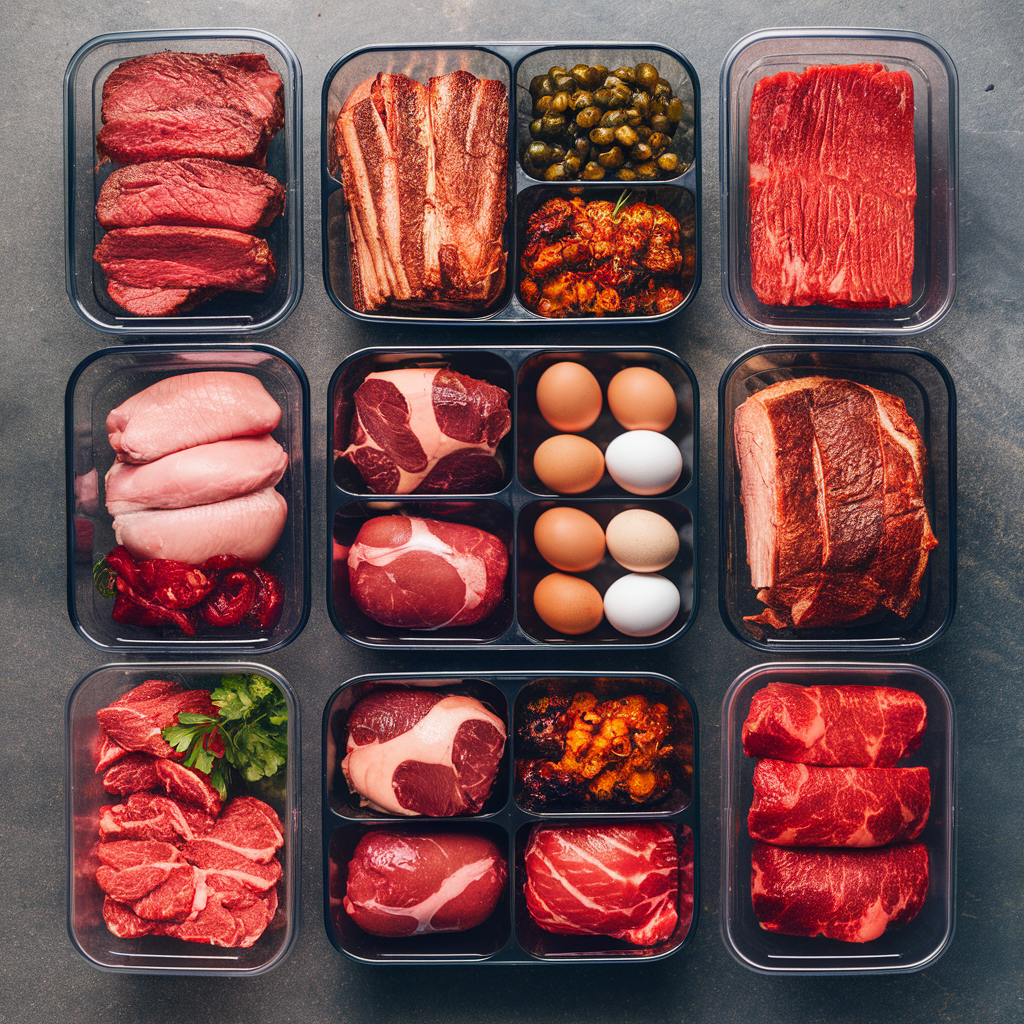
- Batch cooking: Prepare larger cuts of meat like roasts to use throughout the week
- Proper storage: Invest in quality storage containers and freezer space
- Fat preservation: Save fat drippings for cooking future meals
- Bone broth: Make large batches using bones from previous meals
- Organ integration: Mix small amounts of organs into ground meat to mask flavor if necessary
- Cooking methods: Learn various techniques including slow-cooking, grilling, pan-searing, and sous vide to maintain variety
Many carnivore practitioners find that simpler preparation methods that preserve the natural flavors of meat become more appealing over time as taste preferences adapt.
C. Budget-Friendly Approaches
While the carnivore diet can be expensive, these strategies help make it more affordable:
- Buy in bulk: Purchase quarter, half, or whole animals directly from local farmers
- Use cheaper cuts: Chuck roasts, ground beef, chicken thighs, and organ meats provide excellent nutrition at lower prices
- Embrace organs: Organ meats are nutrient powerhouses and typically cost less than muscle meat
- Consider frozen options: Frozen fish and seafood offer good value
- Discount timing: Purchase meat approaching its sell-by date at reduced prices for immediate cooking or freezing
- Render your own fat: Instead of discarding fat or purchasing prepared cooking fats
- Utilize bones: Make bone broth from leftover bones to maximize nutrition and value
- Explore ethnic markets: Often have more affordable organ meats and unusual cuts
When calculating budget impact, many practitioners find that elimination of snacks, desserts, beverages, and numerous grocery categories offsets the higher cost of quality animal foods. Additionally, many report eating less overall due to increased satiety.

D. Variety and Nutrient Density Strategies
While the carnivore diet is restrictive, variety remains important for nutritional completeness:
- Species diversity: Rotate between beef, lamb, pork, poultry, and seafood
- Cut variation: Include different cuts beyond just steaks and ground meat
- Organ inclusion: Incorporate different organs weekly (liver, heart, kidney, brain, etc.)
- Seafood rotation: Include fatty fish, shellfish, and other seafood for unique nutrient profiles
- Egg consumption: Provides nutrients that complement muscle meat
- Cooking methods: Vary between raw, rare, slow-cooked, and other preparation methods to preserve different nutrients
- Connective tissues: Include tendons, cartilage, and other connective tissues for glycine and other amino acids
The traditional nose-to-tail approach provides optimal nutrient density. While most modern carnivore dieters don’t consume literally every part of the animal, incorporating more than just muscle meat significantly improves nutritional completeness.
E. Dining Out and Social Situations
Social eating presents challenges for carnivore dieters, but several strategies help:
- Restaurant options:
- Steakhouses are ideal choices
- Burger places (order without bun, check for fillers)
- Breakfast restaurants (eggs and meat options)
- Seafood restaurants (unbreaded options)
- Brazilian churrascarias or other meat-focused establishments
- Social strategies:
- Eat before events when accommodations are uncertain
- Bring your own food when appropriate
- Focus on the social aspect rather than the food
- Communicate dietary needs clearly but without lengthy explanations
- Consider flexibility for special occasions if your health allows
Many practitioners develop confidence in their dietary choices over time, making social situations less stressful. Being matter-of-fact rather than apologetic about food choices helps establish comfortable boundaries in social settings.
VIII. Common Carnivore Diet Variations
A. Strict Carnivore (Meat, Water, Salt)
The most restrictive version includes:
- Ruminant meat (beef, lamb, etc.) only
- Salt as the only seasoning
- Water as the only beverage
- No eggs, dairy, or seafood
- No spices, herbs, or seasonings beyond salt
- No supplements
This approach is often used for short-term elimination to identify food sensitivities or for those with severe autoimmune conditions. While nutritionally sufficient if organ meats are included, many find this version challenging to sustain long-term. Adherents report the clearest and most dramatic results with this approach, particularly for inflammatory conditions.
B. Lion Diet (Beef, Salt, Water Only)
Popularized by Mikhaila Peterson for autoimmune condition management, this variation includes:
- Only beef (no other animal meats)
- Salt
- Water
This ultra-restrictive approach is primarily used as a short-term therapeutic protocol for severe autoimmune or inflammatory conditions. Once symptoms resolve, many practitioners gradually reintroduce other animal foods to assess tolerance. This approach provides a clean baseline but requires careful attention to nutrient adequacy, particularly if organ meats are not included.
C. Animal-Based with Minimal Plant Foods
A more flexible approach includes:
- Primarily animal foods (80-90% of calories)
- Limited low-toxicity plant foods as tolerated:
- Avocado
- Olives
- Squash
- Berries
- Honey
- Herbs and spices
This approach, sometimes called “carnivore-ish,” provides most of the benefits of strict carnivore while offering greater flexibility and social ease. It works well for those who have resolved their initial health issues and are testing their tolerance to specific plant foods. Many long-term practitioners evolve to this approach after a period of strict adherence.
D. Nose-to-Tail Approach and Importance of Organ Meats
This variation emphasizes consuming all parts of the animal:
- Regular inclusion of organ meats (liver, heart, kidney, etc.)
- Consumption of bone marrow and bones (as broth)
- Use of connective tissues, skin, and cartilage
- Utilizing fat alongside lean tissues
- Including odd bits like tongue, brain, tripe, and trotters
The nose-to-tail approach provides the most complete nutrition profile, mimicking ancestral consumption patterns. Organ meats are particularly important as they contain concentrated amounts of vitamins and minerals that muscle meat lacks. For example, liver is nature’s most nutrient-dense food, rich in vitamins A, B vitamins, iron, copper, and more.
For those struggling with the taste of organs, various strategies like freezing small pieces and swallowing them whole, grinding organs with muscle meat, or using strong seasonings (if tolerated) can help with incorporation.
IX. Success Stories and Case Studies
A. Notable Transformations and Testimonials
The carnivore diet has produced remarkable transformations for many individuals:
- Dr. Shawn Baker: Former orthopedic surgeon and world-record-holding athlete who has maintained a carnivore diet for years while demonstrating exceptional physical performance.
- Mikhaila Peterson: Eliminated severe rheumatoid arthritis, depression, and other autoimmune symptoms through the lion diet approach.
- Dr. Paul Saladino: Physician who resolved his eczema and asthma through a carnivore approach and now researches and advocates for the diet.
- Joe Rogan: Popular podcast host who has experimented with carnivore diet and reported improved energy, reduced inflammation, and weight loss.
Beyond celebrities, thousands of individuals have documented their transformations online, many showing before-and-after photos demonstrating dramatic weight loss, skin clearing, and visible health improvements.
B. Health Condition Improvements Reported
Specific health conditions reported to improve on carnivore diets include:
- Autoimmune conditions: Rheumatoid arthritis, psoriasis, eczema, multiple sclerosis, and inflammatory bowel diseases
- Mental health: Depression, anxiety, bipolar disorder, and clarity of thinking
- Metabolic issues: Type 2 diabetes, insulin resistance, and obesity
- Digestive problems: IBS, GERD, Crohn’s disease, and ulcerative colitis
- Skin conditions: Acne, rosacea, and general skin quality
- Joint pain: Arthritis and general inflammatory joint conditions
- Allergies and asthma: Reduced symptoms and medication needs
Databases like MeatRx.com have collected thousands of case studies documenting specific condition improvements, providing a valuable resource for those considering the diet for similar issues.
C. Athletes and Performance Outcomes
Contrary to conventional sports nutrition recommendations, many athletes report improved performance on carnivore diets:
- Endurance athletes: Report improved recovery, reduced inflammation, and steady energy without carbohydrate dependency
- Strength athletes: Note increased strength, improved body composition, and faster recovery
- Mixed martial artists: Several UFC fighters have adopted carnivore approaches for weight management and performance
- Ultra-endurance: Some ultra-marathon runners have succeeded on carnivore approaches despite conventional wisdom requiring carbohydrate loading
Performance adaptations typically require 3-6 months as the body becomes fully fat-adapted. While initial performance may decrease during transition, many athletes report eventual performance exceeding their pre-carnivore capabilities.
D. Long-term Carnivore Adherents
Several individuals have maintained carnivore diets for 5+ years, providing insights into long-term effects:
- Sustained weight management without the typical regain seen in most diet approaches
- Stable blood markers contradicting conventional concerns about all-meat diets
- Continued management of autoimmune conditions without medication
- Reports of sustained energy, mental clarity, and physical performance
- Development of intuitive eating patterns with stable appetite regulation
Long-term adherents often report that the diet becomes simpler and more intuitive over time, with decreased food fixation and improved relationship with hunger and satiety signals. Many develop personalized variations that work optimally for their bodies while maintaining the core animal-food principles.
X. Expert Perspectives
A. Medical Professionals’ Viewpoints
Medical perspectives on the carnivore diet vary widely:
- Supportive physicians:
- Dr. Paul Saladino – Functional medicine physician advocating carnivore approaches
- Dr. Ken Berry – Family physician who supports low-carb and carnivore for metabolic health
- Dr. Shawn Baker – Former orthopedic surgeon and carnivore advocate
- Dr. Georgia Ede – Psychiatrist specializing in nutritional approaches to mental health
- Skeptical medical professionals:
- Concern about long-term cardiovascular implications
- Questions about fiber elimination and gut health
- Uncertainty about nutritional completeness
Even among supportive physicians, most recommend regular monitoring of biomarkers and individualized approaches rather than blanket recommendations. The medical consensus remains that more research is needed, particularly long-term controlled studies.
B. Nutritional Researchers’ Opinions
The research community shows diverse perspectives:
- Evolutionary nutrition researchers: Often supportive based on anthropological evidence of ancestral meat consumption
- Conventional nutrition researchers: Typically skeptical due to deviation from established dietary guidelines
- Emerging viewpoints: Growing interest in examining metabolic adaptations to all-animal diets
- Areas of agreement: Most researchers acknowledge the need for more controlled studies before definitive conclusions
Some researchers point to the limitations of nutritional epidemiology that forms the basis of many anti-meat recommendations, noting the inability of observational studies to establish causation and the prevalence of healthy user bias in nutrition research.
C. Evolutionary Biology Perspectives
Evolutionary biologists offer insights on human adaptation to meat consumption:
- Fossil evidence: Shows increasing consumption of animal foods coinciding with human brain development
- Anatomical adaptations: Human digestive systems show adaptations consistent with animal food consumption compared to herbivorous primates
- Nutritional requirements: Several nutrients essential to humans (B12, DHA) are primarily found in animal foods
- Historical examples: Traditional cultures thriving on high-animal diets in diverse environments
While few evolutionary biologists support exclusive carnivory as the single natural human diet, many acknowledge our species’ adaptation to and reliance on animal foods throughout evolutionary history. The expensive tissue hypothesis suggests that our energy-intensive brains developed partly due to the concentrated nutrition from animal foods.
D. Balanced Critique from Various Health Paradigms
Balanced perspectives from different health frameworks include:
- Functional medicine: Often supportive for specific conditions while emphasizing individuality and monitoring
- Conventional medicine: Typically cautious, acknowledging potential short-term benefits while concerned about long-term implications
- Integrative health: Mixed views, often supporting temporary therapeutic use while questioning sustainability
- Public health perspective: Concerns about population-level adoption and environmental implications
Areas of consensus across paradigms include the recognition that the diet works well for some individuals, particularly those with autoimmune conditions, and that more research is needed. Most health professionals, regardless of paradigm, emphasize the importance of quality animal products and individualized approaches.
XI. Tracking Progress and Health Markers
A. Recommended Blood Work and Biomarkers
Regular monitoring of health markers is essential for carnivore diet practitioners. Key tests include:
- Lipid panel:
- Total cholesterol, LDL, HDL, triglycerides
- Advanced testing: LDL particle size and number, ApoB, Lp(a)
- Inflammatory markers:
- hsCRP, fibrinogen, homocysteine
- ESR for those with autoimmune conditions
- Hormones:
- Thyroid panel (TSH, free T3, free T4)
- Sex hormones when relevant
- Metabolic health:
- Fasting glucose, HbA1c, fasting insulin
- HOMA-IR for insulin resistance assessment
- Micronutrient status:
- Vitamin D, B12, folate, magnesium, iron studies
- Electrolytes (sodium, potassium, chloride)
- Liver and kidney function:
- Comprehensive metabolic panel
- GGT and other liver enzymes
Frequency recommendations typically include baseline testing before starting, follow-up at 3-6 months, and then regular monitoring every 6-12 months. Those with pre-existing conditions may require more frequent assessment.
B. Physical Performance Measurements
Objective performance metrics help track physical adaptations:
- Strength markers:
- Basic lifts (squat, deadlift, bench press)
- Grip strength as general health indicator
- Endurance measurements:
- VO2 max testing when available
- Time trials or benchmark workouts
- Heart rate recovery times
- Body composition:
- DEXA scan for accurate body fat percentage
- Waist circumference as metabolic health indicator
- Simple measurements: weight, photos, clothing fit
- Functional capacity:
- Movement quality assessments
- Flexibility and mobility metrics
- Balance and coordination tests
Tracking these metrics helps distinguish between adaptation symptoms and actual performance decrements. Many practitioners experience temporary performance decreases during transition followed by improvements exceeding baseline once fully adapted.
C. Subjective Health Assessments
Subjective measures provide valuable insights on overall well-being:
- Energy and vitality:
- Energy stability throughout the day
- Morning wakefulness and evening fatigue
- Exercise recovery rates
- Mental clarity:
- Cognitive performance and focus
- Memory function
- Creative thinking capacity
- Mood and emotional well-being:
- Anxiety levels
- Mood stability
- Overall outlook and emotional resilience
- Digestive function:
- Bowel movement quality and frequency
- Bloating, gas, and digestive comfort
- Food satisfaction and hunger patterns
- Sleep quality:
- Sleep onset time
- Sleep continuity
- Morning refreshment
Daily or weekly journaling helps track these subjective measures, revealing patterns that might otherwise go unnoticed. Many practitioners find that these subjective improvements constitute the most meaningful benefits of the diet, even when objective markers show mixed results.
D. When to Reassess or Modify Approach
Several scenarios warrant reassessment of the carnivore approach:
- Persistent negative symptoms:
- Continued digestive distress beyond the adaptation phase
- Ongoing fatigue or performance decrements after 2-3 months
- Unintended weight loss or gain
- Concerning lab results:
- Significant elevation in inflammatory markers
- Deteriorating kidney or liver function
- Hormonal imbalances
- Life changes:
- Pregnancy or breastfeeding
- New medication requirements
- Significant changes in activity levels
- Psychological factors:
- Development of disordered eating patterns
- Social isolation due to dietary restrictions
- Loss of food enjoyment affecting quality of life
Modification options include transitioning to an animal-based approach with limited plant foods, cycling between strict carnivore and more inclusive approaches, or incorporating targeted supplements to address specific concerns.
XII. Frequently Asked Questions
A. Cholesterol and Heart Health Concerns
Q: Doesn’t eating all that meat and fat raise cholesterol and cause heart disease?
A: The relationship between diet, cholesterol, and heart disease is more complex than traditionally presented. Many carnivore dieters experience increased total and LDL cholesterol but also see improvements in HDL, triglycerides, and inflammatory markers. The LDL particles on a carnivore diet tend to be the larger, more buoyant type considered less atherogenic than the small, dense particles common with high-carbohydrate diets.
Recent research questions the causal relationship between dietary cholesterol, saturated fat, and heart disease. Cardiovascular risk appears more strongly correlated with insulin resistance, inflammation, and metabolic syndrome—all conditions the carnivore diet may improve.
That said, individual responses vary significantly. Some people experience concerning lipid changes that might warrant modification or discontinuation of the diet. Regular monitoring and consultation with a knowledgeable healthcare provider is recommended.
B. Fiber Necessity and Gut Health
Q: How can the gut be healthy without fiber from plant foods?
A: Conventional nutrition holds that fiber is essential for gut health and regular bowel movements. However, carnivore dieters frequently report improved digestive function despite the absence of fiber. Several mechanisms may explain this paradox:
- Elimination of fermentable carbohydrates that cause digestive distress for many people
- Reduced overall food volume leading to less frequent but well-formed stools
- Adaptation of the gut microbiome to metabolize animal proteins and fats efficiently
- Healing of intestinal permeability as potential dietary irritants are removed
Some research suggests that fiber’s benefits are context-dependent rather than universal. A 2012 study in the World Journal of Gastroenterology found that reducing or eliminating fiber improved constipation symptoms in patients, contradicting conventional recommendations.
The gut microbiome does change on a carnivore diet, showing reduced diversity but potentially adapted functionality. Research in this area continues to evolve.
C. Environmental and Ethical Considerations
Q: Isn’t an all-meat diet environmentally destructive and ethically problematic?
A: Environmental and ethical considerations are complex and nuanced:
- Environmental impact:
- Properly managed livestock can be carbon-sequestering through regenerative agriculture practices
- Grazing animals can utilize marginal lands unsuitable for crop production
- Lifecycle assessments often fail to distinguish between industrial and regenerative animal agriculture
- Ethical considerations:
- Many carnivore advocates emphasize ethically raised, pasture-based animal products
- Support for local, small-scale farming rather than industrial animal agriculture
- Recognition of the ethical complexity of all food choices, including plant agriculture’s impact on ecosystems and wildlife
Most carnivore practitioners acknowledge these concerns and encourage conscious sourcing of animal products. Some balance their dietary needs with their environmental values by choosing regeneratively raised animal products, supporting local farmers with sustainable practices, or offsetting their impact in other areas of life.
D. Sustainability of the Diet Long-term
Q: Is the carnivore diet sustainable as a lifelong approach?
A: Long-term sustainability depends on several factors:
- Physiological sustainability: Limited long-term data exists, though several practitioners have maintained the diet for 5+ years with good health markers.
- Psychological sustainability: Some find the simplicity liberating, while others miss dietary variety and cultural food traditions.
- Practical sustainability: Considerations include food costs, travel accommodations, and social dynamics.
Many successful long-term adherents adopt a flexible approach, maintaining strict carnivore when at home but allowing some flexibility in special situations. Others find that after resolving their initial health issues, they can incorporate limited plant foods without symptom recurrence.
Regular health monitoring is crucial for anyone considering carnivore as a long-term lifestyle. Individual responses vary widely, and what works sustainably for one person may not for another.
E. Cost Considerations and Budgeting
Q: Isn’t an all-meat diet extremely expensive?
A: While quality animal foods can be costly, several factors affect the overall budget impact:
- Offset costs: Elimination of snacks, desserts, beverages, and numerous other grocery categories
- Reduced overall food volume: Many eat less total food due to increased satiety
- Strategic purchasing:
- Buying directly from farmers (whole, half, or quarter animals)
- Focusing on economical cuts (ground beef, chuck roasts, organ meats)
- Utilizing sales and bulk purchasing
- Health cost offset: Potential reduction in healthcare expenses and medications for some individuals
Budget-conscious practitioners often emphasize ground beef, eggs, and cheaper cuts rather than steaks, making the diet comparable in cost to many standard eating patterns. The perceived expense of the diet is often based on comparing premium steaks to cheap carbohydrate foods, which doesn’t reflect typical carnivore eating patterns.
XIII. Conclusion
A. Is the Carnivore Diet Right for You?
Determining whether the carnivore diet might be appropriate for your situation requires honest assessment of several factors:
- Health status and goals: Those with autoimmune conditions, treatment-resistant metabolic disorders, or severe digestive issues may have more compelling reasons to try this approach.
- Previous dietary results: If conventional dietary approaches have failed to address your health concerns, more restrictive interventions might be warranted.
- Lifestyle considerations: Assess your social environment, food preferences, and practical constraints realistically.
- Medical supervision: Access to healthcare providers willing to monitor and support unconventional dietary approaches improves safety and outcomes.
- Personality and preferences: Some individuals thrive on dietary simplicity, while others value variety and culinary exploration.
The carnivore diet is not a universal recommendation but rather a specific intervention that may be appropriate for certain individuals in specific contexts. Careful self-assessment and, ideally, consultation with a knowledgeable healthcare provider can help determine if this approach aligns with your needs.
B. Summary of Key Benefits and Considerations
Potential Benefits:
- Reduced inflammation and autoimmune symptoms
- Improved body composition and metabolic health
- Enhanced mental clarity and mood stability
- Simplified approach to eating and food selection
- Resolution of digestive issues and food sensitivities
- Stable energy levels without carbohydrate fluctuations
Key Considerations:
- Limited long-term research on health outcomes
- Potential challenges with social eating and food traditions
- Adaptation period discomfort (“carnivore flu”)
- Need for regular health monitoring
- Individual variability in response
- Quality and sourcing of animal products
Weighing these factors against your personal health goals and situation is essential for making an informed decision about whether to pursue this dietary approach.
C. Recommendations for Personalized Approach
If considering the carnivore diet, these guidelines can help personalize your approach:
- Start with baseline testing: Establish pre-diet bloodwork and health markers for comparison.
- Consider a phased approach: Begin with a less restrictive low-carb or paleo diet before moving to full carnivore.
- Commit to an adequate trial period: At least 30-90 days allows for adaptation and meaningful assessment.
- Prioritize food quality: Focus on the highest quality animal products your budget allows.
- Embrace organ meats: Incorporate varied organ meats for nutritional completeness.
- Monitor and adjust: Track relevant health markers and subjective experiences, modifying as needed.
- Develop an exit strategy: Have a plan for reintroducing foods or transitioning to a different approach if needed.
Personalization is key—the optimal version of the diet varies between individuals based on genetics, health status, activity levels, and specific health goals. Flexibility and self-awareness improve long-term success regardless of the specific approach chosen.
D. Resources for Further Learning and Support
For those interested in exploring the carnivore diet further, these resources provide valuable information and community support:
- Books:
- “The Carnivore Code” by Dr. Paul Saladino
- “The Carnivore Diet” by Dr. Shawn Baker
- “Sacred Cow” by Diana Rodgers and Robb Wolf
- Online Communities:
- r/zerocarb and r/carnivore on Reddit
- Carnivore Diet Facebook groups
- MeatRx.com community
- Podcasts:
- Human Performance Outliers
- Fundamental Health with Paul Saladino, MD
- The Carnivore Cast
- Medical Support:
- Directories of low-carb friendly practitioners
- Telehealth options specializing in metabolic approaches
- Functional medicine practitioners open to nutritional interventions
The carnivore diet represents a radical departure from conventional nutritional wisdom, yet continues to gain traction due to the remarkable results many experience. As research evolves, our understanding of its mechanisms, benefits, and limitations will undoubtedly improve. Meanwhile, those considering this approach benefit from carefully weighing the available evidence, consulting with open-minded healthcare providers, and making decisions aligned with their personal health goals and values.