

Chia seeds have transitioned from ancient Aztec and Mayan staple food to modern-day nutritional powerhouse. These tiny black and white seeds pack an impressive nutritional punch, offering everything from omega-3 fatty acids to fiber and protein in a small package. Once prized by ancient warriors for strength and endurance, chia seeds now enjoy global recognition for their remarkable health benefits. This comprehensive guide explores the science-backed advantages of incorporating chia seeds into your diet, practical ways to enjoy them daily, and essential information about their nutritional value. Discover why health enthusiasts, nutrition experts, and wellness advocates consistently rank chia seeds among the world’s most beneficial superfoods.
What Are Chia Seeds?
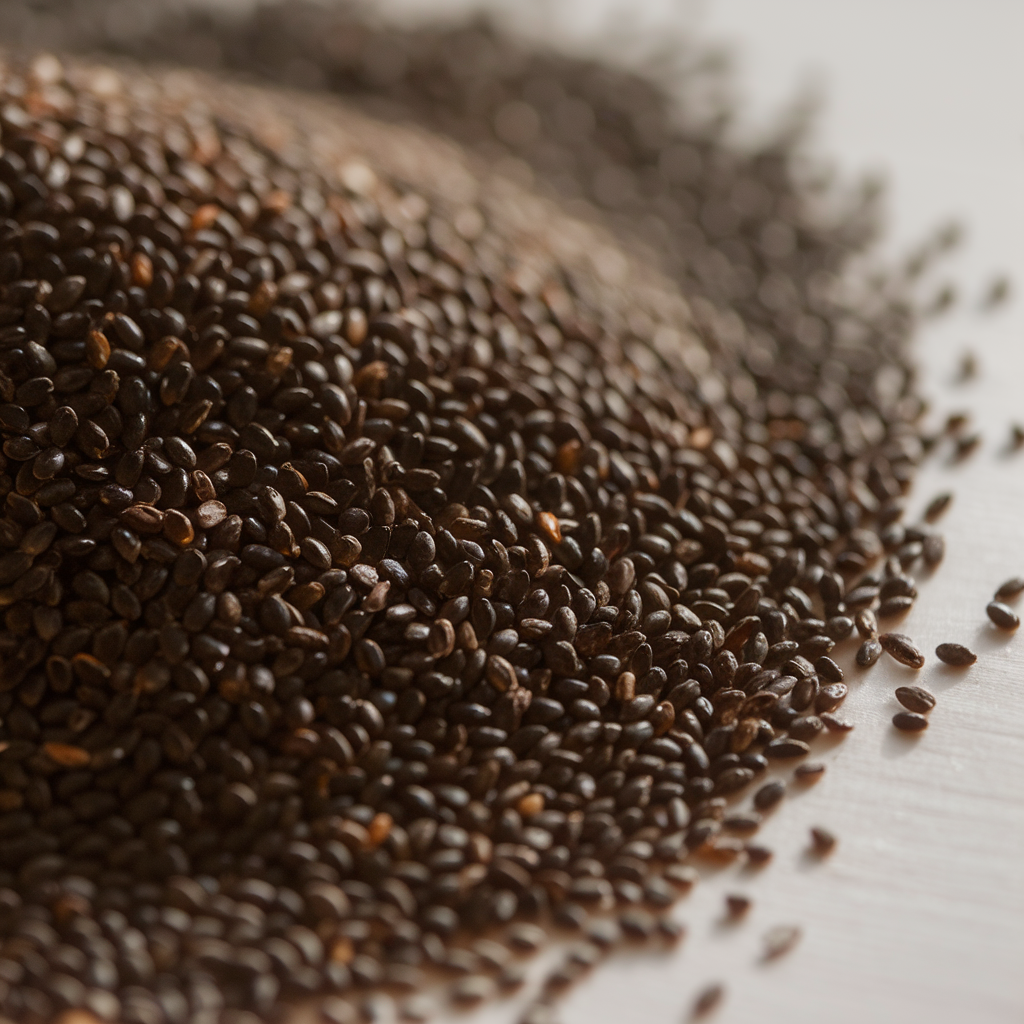
Chia seeds come from the Salvia hispanica plant, a flowering herb in the mint family native to central and southern Mexico and Guatemala. The word “chia” derives from the ancient Mayan language, meaning “strength” – a fitting name considering their historical significance as an energy source for Aztec and Mayan civilizations. These small (about 1mm in diameter) oval-shaped seeds come in two varieties: black and white, with minimal differences in nutritional content between them.
For centuries, chia seeds served as a dietary staple in Mesoamerican cultures, where they were valued not only as food but also as medicine and offerings in religious ceremonies. Aztec warriors reportedly consumed chia seeds before battle or during endurance runs, believing they provided sustained energy and strength. After Spanish colonization, chia seeds fell into obscurity outside their native regions until their nutritional benefits were rediscovered in the late 20th century.
Nutritional Profile of Chia Seeds
Chia seeds’ remarkable nutritional density explains their “superfood” status. Just one ounce (28 grams or about two tablespoons) of chia seeds contains:
- Calories: 138
- Protein: 4.7 grams
- Fat: 8.7 grams (including 5 grams of omega-3 fatty acids)
- Carbohydrates: 11.9 grams
- Fiber: 9.8 grams (39% of the recommended daily intake)
- Calcium: 179 mg (18% of the recommended daily intake)
- Phosphorus: 244 mg (27% of the recommended daily intake)
- Magnesium: 95 mg (30% of the recommended daily intake)
- Manganese: 0.6 mg (30% of the recommended daily intake)
- Zinc: 1 mg (9% of the recommended daily intake)
Chia seeds also contain significant amounts of vitamin B1 (thiamine), B2, B3, and potassium. Perhaps most impressively, they provide more calcium than dairy products by weight, more omega-3s than salmon, and more antioxidants than blueberries. With no gluten and minimal digestible carbohydrates, chia seeds serve as an exceptional nutritional source for various dietary preferences and restrictions.
11 Evidence-Based Health Benefits of Chia Seeds
1. Rich Source of Omega-3 Fatty Acids
Chia seeds rank among the richest plant-based sources of alpha-linolenic acid (ALA), an essential omega-3 fatty acid that the body cannot produce on its own. A single ounce (28 grams) provides approximately 5 grams of omega-3s, more than what’s found in a serving of salmon. While ALA requires conversion to the active forms EPA and DHA in the body (a process that isn’t entirely efficient), regular consumption can significantly contribute to omega-3 intake, especially for those following plant-based diets.
Research published in the Journal of Molecular Biochemistry demonstrates that these omega-3 fatty acids help reduce inflammation, protect brain health, and may reduce the risk of chronic diseases. While fish-derived omega-3s are more readily usable by the body, chia seeds represent an excellent alternative for vegetarians and vegans seeking these essential fatty acids.
2. High in Quality Protein
Chia seeds contain approximately 14% protein by weight, surpassing many traditional grains. More impressively, they provide all nine essential amino acids, qualifying them as a complete protein source – a rarity in the plant kingdom. This makes chia seeds particularly valuable for vegetarians, vegans, and anyone looking to reduce animal protein consumption while maintaining adequate protein intake.
The protein in chia seeds supports muscle synthesis and maintenance, tissue repair, and enzyme production. Studies in the Journal of Strength and Conditioning Research suggest that plant proteins like those found in chia can effectively support muscle recovery and development when consumed as part of a balanced diet, though in somewhat different patterns than animal proteins.
3. Exceptional Fiber Content
With nearly 10 grams of fiber per ounce, chia seeds provide almost 40% of the recommended daily fiber intake in just one serving. This fiber consists of both soluble and insoluble types, offering comprehensive digestive benefits. The soluble fiber forms a gel-like substance in the digestive tract that slows digestion, stabilizes blood sugar, and feeds beneficial gut bacteria.
Meanwhile, the insoluble fiber adds bulk to stool and helps food pass more quickly through the stomach and intestines, promoting regularity and potentially reducing the risk of constipation. Research in the Journal of Food Science and Technology indicates that this fiber combination may help prevent diverticulosis and reduce the risk of colorectal cancer while supporting overall digestive health.
4. Weight Management Support
Chia seeds’ unique ability to absorb up to 12 times their weight in water contributes significantly to their weight management benefits. When consumed, they expand in the stomach, increasing fullness and reducing appetite. The combination of protein, fiber, and the gel-forming properties of soluble fiber works synergistically to slow digestion and sustain satiety.
A study published in Nutrition Research and Practice found that participants who consumed chia seeds before meals experienced reduced hunger and decreased food intake at subsequent meals. Additionally, the gradual release of nutrients helps maintain steady energy levels, potentially reducing cravings for high-calorie foods. While not a magic solution for weight loss, chia seeds can be a valuable component of a comprehensive weight management strategy.
5. Blood Sugar Regulation
For individuals concerned about blood sugar management, chia seeds offer promising benefits. Their high fiber content, particularly soluble fiber, slows the absorption of sugar into the bloodstream, preventing rapid spikes and crashes in blood glucose levels. This mechanism may be particularly beneficial for people with type 2 diabetes or prediabetes.
Research published in the European Journal of Clinical Nutrition demonstrated that adding chia seeds to meals resulted in lower post-meal blood sugar levels and reduced insulin resistance markers. A separate study in Diabetes Care showed that participants with type 2 diabetes who consumed chia seeds daily for 12 weeks experienced improvements in blood pressure, inflammatory markers, and glycemic control. These findings suggest chia seeds may complement conventional treatments for blood sugar management.
6. Heart Health Promotion
Multiple components in chia seeds support cardiovascular health. Their omega-3 fatty acids help reduce inflammation and lower triglyceride levels, while their fiber content assists in reducing LDL (“bad”) cholesterol. Chia seeds also contain antioxidants that protect LDL particles from oxidation, a crucial step in heart disease development.
A review published in the Journal of Cardiovascular Nursing noted that regular consumption of plant-based ALA omega-3s, like those found in chia seeds, was associated with a reduced risk of cardiovascular events. Additionally, the seeds’ high content of magnesium and potassium—minerals vital for heart rhythm, blood pressure regulation, and overall cardiovascular function—further supports heart health. Research in the American Journal of Clinical Nutrition suggests that increasing fiber intake from sources like chia seeds can lower the risk of coronary heart disease by as much as 10-20%.
7. Bone Health Enhancement
Chia seeds contain an impressive collection of bone-supporting nutrients, including calcium, phosphorus, magnesium, and protein. By weight, they offer more calcium than most dairy products, with a single ounce providing approximately 18% of the recommended daily intake. This makes chia seeds particularly valuable for individuals who don’t consume dairy products or those looking to diversify their calcium sources.
The balanced mineral profile in chia seeds is especially beneficial for bone health, as these minerals work synergistically. Magnesium aids calcium absorption and utilization, while phosphorus combines with calcium to form the primary component of bone tissue. Research in the Journal of the American College of Nutrition suggests that obtaining calcium from plant sources like chia seeds may be particularly effective for bone formation and maintenance due to the presence of complementary nutrients and the absence of potentially problematic compounds found in some animal products.
8. Antioxidant Properties
Chia seeds contain several powerful antioxidants, including caffeic acid, chlorogenic acid, kaempferol, and quercetin, which neutralize reactive oxygen species and prevent cellular damage. These antioxidants protect the seeds’ sensitive fats from going rancid and provide similar protective benefits in the human body when consumed.
Research published in the Journal of Agricultural and Food Chemistry indicates that the antioxidant activity in chia seeds exceeds that of many traditional antioxidant-rich foods, including blueberries. These compounds help combat oxidative stress—a key factor in aging and many chronic diseases. By neutralizing free radicals, chia’s antioxidants may help protect DNA, reduce inflammation, and potentially lower the risk of cancer, heart disease, and neurodegenerative conditions.
9. Anti-Inflammatory Effects
Chronic inflammation underlies many diseases, including arthritis, heart disease, diabetes, and certain cancers. Chia seeds contain compounds that can help mitigate this inflammation. Their omega-3 fatty acids are particularly noteworthy in this regard, as they help produce anti-inflammatory eicosanoids and reduce the production of pro-inflammatory cytokines.
Studies in the Journal of Nutritional Biochemistry have demonstrated that ALA-rich foods like chia seeds can reduce multiple inflammatory markers, including C-reactive protein and interleukin-6. A 2019 study published in Nutrients found that participants who consumed chia seeds daily for 12 weeks showed significant reductions in inflammatory markers compared to the control group. While more research is needed, these findings suggest that regular chia consumption may help manage conditions characterized by chronic inflammation.
10. Energy and Performance Boost
The ancient Aztecs weren’t wrong about chia seeds’ energy-boosting properties. The balanced combination of protein, healthy fats, and fiber in chia seeds provides sustained energy release, avoiding the peaks and crashes associated with high-sugar foods. Their carbohydrate profile includes a minimal amount of digestible carbs alongside substantial fiber, making them suitable for endurance activities.
A study published in the Journal of Strength and Conditioning Research found that consuming chia seeds provided similar performance benefits to commercial sports drinks for endurance athletes, but with added nutritional advantages. The traditional use of chia as a fuel for long-distance messengers in ancient Mesoamerican cultures appears to have scientific merit. While not a replacement for proper training and nutrition planning, chia seeds can be a valuable addition to an athlete’s dietary arsenal, particularly for those seeking natural, whole-food energy sources.
11. Digestive Health Improvement
Beyond their well-known fiber content, chia seeds offer substantial prebiotic benefits that support digestive health. When the soluble fiber in chia seeds ferments in the large intestine, it provides nourishment for beneficial gut bacteria. This process produces short-chain fatty acids like butyrate, which feeds colon cells and supports intestinal barrier integrity.
Research in the World Journal of Gastroenterology indicates that the type of fiber found in chia seeds can help increase the population of beneficial Bifidobacteria and Lactobacilli in the gut, potentially reducing the risk of inflammatory bowel disease, irritable bowel syndrome, and even colorectal cancer. Additionally, the gel-forming properties of chia seeds may help soothe intestinal irritation and inflammation, providing relief for various digestive complaints. When introduced gradually and with adequate hydration, chia seeds can be a valuable tool for optimizing digestive function.
How to Incorporate Chia Seeds into Your Diet
The beauty of chia seeds lies in their versatility and mild flavor, making them easy to incorporate into various dishes without significantly altering taste. The recommended daily intake ranges from 1-2 tablespoons (15-30 grams), providing substantial nutritional benefits without excessive calories. Before adding chia seeds to your diet, consider these preparation methods and recipe ideas:
Basic Preparation Methods
- Whole raw seeds: Sprinkle directly on foods for a crunchy texture and nutritional boost
- Soaked seeds: Mix with liquid at a ratio of 1:10 (seeds to liquid) and wait 10-15 minutes for a gel to form
- Ground seeds: Grind in a coffee grinder for better nutrient absorption when the intact seed coating may reduce bioavailability
Versatile Recipe Ideas
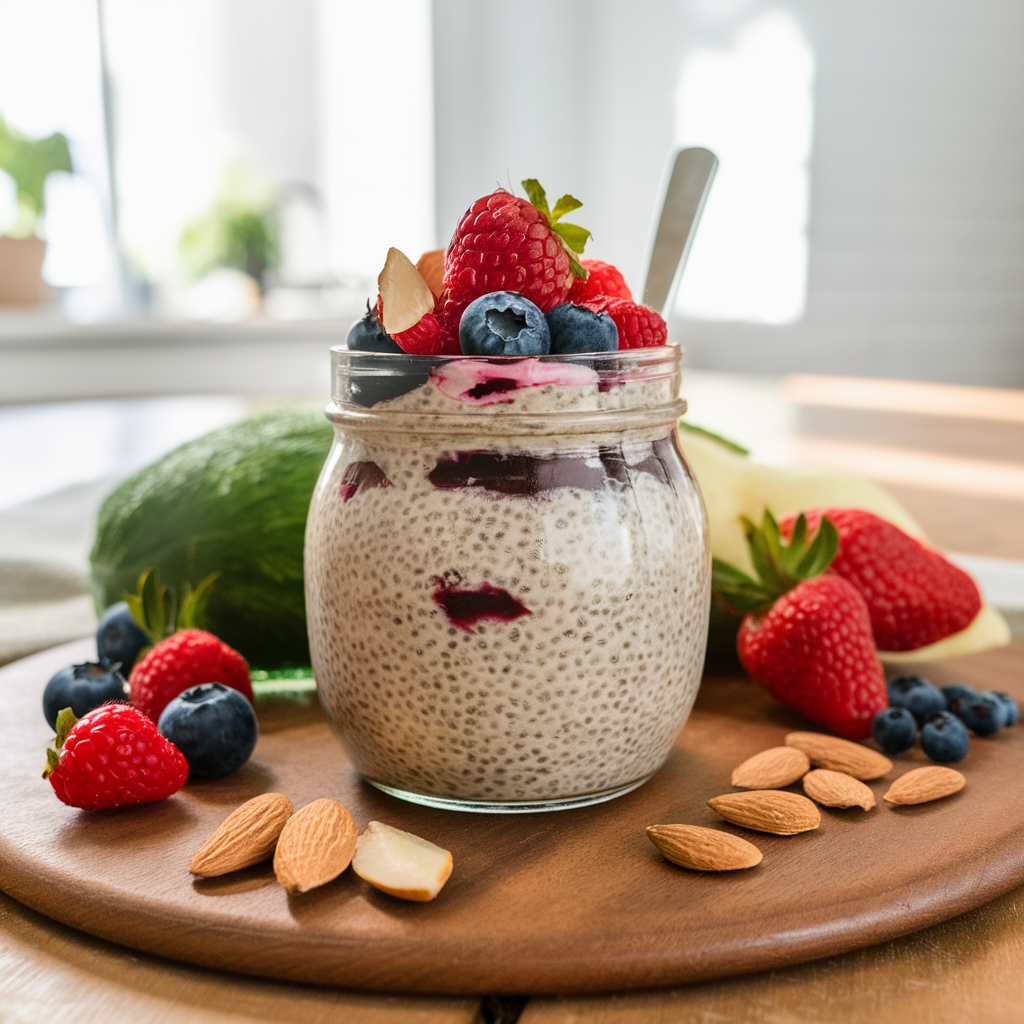
- Chia Pudding: Combine 2 tablespoons of chia seeds with ½ cup of milk (dairy or plant-based), add sweetener of choice, and refrigerate overnight. Add fruits, nuts, or spices for variety.
- Smoothie Boost: Add 1 tablespoon to any smoothie for added thickness and nutrition.
- Baking Enhancement: Replace up to 25% of flour in recipes with ground chia, or add whole seeds to bread, muffins, or cookies.
- Egg Substitute: Mix 1 tablespoon chia seeds with 3 tablespoons water and let sit for 15 minutes to replace one egg in vegan baking.
- Chia Jam: Simmer 2 cups of berries until soft, add 2 tablespoons of chia seeds and sweetener to taste, cool for a healthier alternative to traditional jam.
- Chia Water or Fresca: Add 1 tablespoon to 2 cups of water with a squeeze of lemon or lime for a hydrating drink.
- Oatmeal Addition: Stir into hot or overnight oats for additional texture and nutrients.
- Salad Topping: Sprinkle on salads for a nutritious crunch.
Potential Side Effects and Precautions
While chia seeds are generally safe for most people, certain considerations merit attention:
Digestive Discomfort
The high fiber content in chia seeds can cause digestive issues like bloating, gas, or diarrhea when introduced too quickly or consumed in large amounts. Start with small quantities (1 teaspoon) and gradually increase intake while ensuring adequate hydration. People with inflammatory bowel diseases or sensitive digestive systems should be particularly cautious.
Choking Risk
Dry chia seeds can absorb up to 27 times their weight in water. If consumed dry, especially by individuals with swallowing difficulties, they could potentially expand in the esophagus and cause obstruction. Always mix chia seeds with enough liquid before consuming or add them to moist foods.
Allergic Reactions
Though rare, chia seed allergies exist. Individuals with known allergies to other seeds, especially sesame, may have a higher risk of cross-reactivity. Symptoms can include rash, hives, itching, digestive problems, or in severe cases, anaphylaxis. If you’ve never consumed chia seeds before, start with a small amount and monitor for reactions.
Medication Interactions
Chia seeds may interact with certain medications:
- Blood thinners: The omega-3 fatty acids in chia seeds may enhance the effects of blood-thinning medications like warfarin or aspirin.
- Blood pressure medications: Chia seeds may have a mild blood pressure-lowering effect, potentially enhancing the action of antihypertensive drugs.
- Diabetes medications: Since chia seeds can help lower blood sugar, they might enhance the effects of diabetes medications, potentially causing hypoglycemia.
Consult your healthcare provider before adding significant amounts of chia seeds to your diet if you take any of these medications or have underlying health conditions.
Buying and Storage Guidelines
To maximize the benefits of chia seeds, proper selection and storage are essential:
Selection Tips
- Choose organic when possible to avoid pesticide residues
- Look for seeds that appear uniform in color (either black or white, or a natural mix)
- Avoid packages with excessive dust, which may indicate older or lower-quality seeds
- Ensure packaging is sealed and moisture-free
- Check expiration dates, though properly stored chia seeds can last up to 4-5 years
Storage Methods
- Store in an airtight container in a cool, dry place away from direct sunlight
- Refrigeration can extend shelf life, especially in humid climates
- Freezing is an excellent option for long-term storage
- Ground chia seeds should be refrigerated and used within a few weeks, as grinding exposes oils to oxidation
- Prepared chia pudding or gel will last 5-7 days in the refrigerator
Quality chia seeds should have a mild, nutty flavor. Any strong or unpleasant odor indicates rancidity, and such seeds should be discarded.
Frequently Asked Questions
Are chia seeds keto-friendly?
Yes, chia seeds are compatible with a ketogenic diet. Though they contain carbohydrates, the majority is fiber, which doesn’t impact blood sugar levels. A one-ounce serving contains only about 2 grams of net carbs, making them suitable for most low-carb eating plans. Their high fat content (primarily healthy omega-3s) aligns well with keto macronutrient requirements.
Black vs. white chia seeds: what’s the difference?
The color difference is primarily genetic, with minimal nutritional variance. Black seeds are slightly higher in protein, while white seeds may contain marginally more omega-3s, but these differences are negligible in practice. White seeds are sometimes marketed as “premium” and priced higher, but both varieties offer similar health benefits. Choose based on availability and aesthetics rather than supposed superiority.
How long do soaked chia seeds last?
Properly prepared and refrigerated chia gel or pudding lasts 5-7 days. Store in an airtight container and check for any off smells or appearance before consuming. Adding a small amount of lemon juice can help extend freshness. For maximum nutritional benefits, consume within 2-3 days of preparation, as some nutrients may diminish with time.
Can children eat chia seeds?
Children over 4-5 years can generally consume chia seeds safely when properly prepared (either ground or pre-soaked) and with adequate hydration. For younger children, particularly those under two, consult a pediatrician first. Always ensure chia seeds are mixed with enough liquid before giving them to children to prevent choking hazards, and start with small amounts to monitor for any digestive issues or allergic reactions.
How do chia seeds compare to flaxseeds?
Both seeds offer impressive nutritional profiles, but they differ in key aspects:
- Omega-3 content: Flaxseeds contain slightly more ALA omega-3s.
- Fiber: Chia seeds have more soluble fiber; flaxseeds contain more insoluble fiber.
- Preparation: Flaxseeds must be ground to access nutrients, while chia can be consumed whole.
- Gel-forming ability: Chia seeds form a thicker gel when soaked.
- Lignans: Flaxseeds contain significantly more lignans, plant compounds with potential anti-cancer properties.
- Taste: Chia seeds have a milder taste, while flaxseeds offer a more pronounced nutty flavor.
For optimal nutrition, consider incorporating both seeds into your diet for their complementary benefits.
Conclusion
Chia seeds stand as a testament to ancient wisdom validated by modern science. Their exceptional nutrient density, versatility, and evidence-backed health benefits make them a valuable addition to nearly any dietary pattern. From supporting heart health and blood sugar regulation to enhancing digestion and providing sustainable energy, these tiny seeds offer impressive returns for a minimal investment in both cost and culinary effort.
While no single food can guarantee optimal health, chia seeds represent one of the most efficient nutritional additions to contemporary diets, often lacking in essential omega-3s, fiber, and minerals. For maximum benefit, incorporate chia seeds as part of a varied, plant-rich diet rather than viewing them as a cure-all supplement. With proper preparation and reasonable expectations, chia seeds can play a significant role in your journey toward improved wellness and nutrition.
References
- Ullah, R., Nadeem, M., Khalique, A., Imran, M., Mehmood, S., Javid, A., & Hussain, J. (2016). Nutritional and therapeutic perspectives of Chia (Salvia hispanica L.): a review. Journal of food science and technology, 53(4), 1750–1758.
- Nieman, D. C., Cayea, E. J., Austin, M. D., Henson, D. A., McAnulty, S. R., & Jin, F. (2009). Chia seed does not promote weight loss or alter disease risk factors in overweight adults. Nutrition Research, 29(6), 414-418.
- Vuksan, V., Jenkins, A. L., Dias, A. G., Lee, A. S., Jovanovski, E., Rogovik, A. L., & Hanna, A. (2010). Reduction in postprandial glucose excursion and prolongation of satiety: possible explanation of the long-term effects of whole grain Salba (Salvia Hispanica L.). European journal of clinical nutrition, 64(4), 436-438.
- Toscano, L. T., da Silva, C. S., Toscano, L. T., de Almeida, A. E., Santos, A. C., & Silva, A. S. (2014). Chia flour supplementation reduces blood pressure in hypertensive subjects. Plant foods for human nutrition, 69(4), 392-397.
- Guevara-Cruz, M., Tovar, A. R., Aguilar-Salinas, C. A., Medina-Vera, I., Gil-Zenteno, L., Hernández-Viveros, I., … & Torres, N. (2012). A dietary pattern including nopal, chia seed, soy protein, and oat reduces serum triglycerides and glucose intolerance in patients with metabolic syndrome. The Journal of nutrition, 142(1), 64-69.