

Calcium is one of the most crucial minerals for maintaining optimal health, playing a vital role in bone strength, muscle function, and overall wellness. While many people immediately think of dairy products when considering calcium sources, there’s actually a diverse world of calcium-rich foods that can help you meet your daily nutritional needs. Whether you’re lactose intolerant, following a plant-based diet, or simply looking to diversify your calcium intake, understanding the complete spectrum of high-calcium foods is essential for maintaining strong bones and supporting your body’s many calcium-dependent processes.
Why Calcium Matters for Your Health
Calcium serves as the foundation for numerous bodily functions that extend far beyond bone health. This essential mineral acts as a critical component in bone and teeth formation, providing the structural framework that keeps your skeletal system strong throughout your lifetime. As you age, your body’s ability to absorb calcium can decrease, making it even more important to consistently consume adequate amounts through your diet.
Beyond bone health, calcium plays a crucial role in muscle contraction and relaxation, including the heart muscle. It enables proper nerve transmission, allowing your nervous system to communicate effectively throughout your body. Calcium also participates in blood clotting processes, helping wounds heal properly and preventing excessive bleeding.
Daily Calcium Requirements by Age Group
Understanding your specific calcium needs helps ensure you’re consuming adequate amounts for optimal health:
- Children (1-3 years): 700 mg per day
- Children (4-8 years): 1,000 mg per day
- Teens (9-18 years): 1,300 mg per day
- Adults (19-50 years): 1,000 mg per day
- Women over 50 and men over 70: 1,200 mg per day
- Pregnant and breastfeeding women: 1,000-1,300 mg per day
Recognizing Calcium Deficiency Symptoms
Calcium deficiency can manifest in various ways, often developing gradually over time. Common symptoms include muscle cramps, particularly in the legs and arms, numbness or tingling in fingers and toes, fatigue, and brittle or weak nails. More severe deficiency can lead to dental problems, increased fracture risk, and in extreme cases, abnormal heart rhythms.
Dairy Products: Traditional Calcium Powerhouses

Dairy products remain among the most bioavailable sources of calcium, meaning your body can efficiently absorb and utilize the calcium they provide. The calcium in dairy products is typically well-absorbed due to the presence of lactose and certain proteins that enhance absorption.
Milk and Milk Varieties
A single 8-ounce glass of milk provides approximately 300 mg of calcium, representing about 30% of most adults’ daily calcium needs. Whole milk, 2% milk, 1% milk, and skim milk all contain similar calcium levels, with skim milk actually containing slightly more calcium per serving due to the removal of fat content.
For those with lactose intolerance, lactose-free milk provides the same calcium benefits as regular milk. The lactose-free processing doesn’t affect calcium content, making it an excellent alternative for sensitive individuals.
Cheese Varieties and Calcium Levels
Hard cheeses generally contain higher calcium concentrations than soft cheeses due to their lower water content. Parmesan cheese tops the list with approximately 330 mg of calcium per ounce, while cheddar provides about 200 mg per ounce. Swiss, mozzarella, and Gruyère also rank high in calcium content.
Soft cheeses like brie, camembert, and cream cheese contain less calcium per serving, typically ranging from 50-100 mg per ounce. However, they still contribute meaningfully to your daily calcium intake when consumed regularly.
Yogurt and Fermented Dairy Products
Plain yogurt often contains more calcium than milk, with Greek yogurt providing approximately 200-250 mg per 6-ounce serving. The fermentation process can actually increase calcium bioavailability, while the probiotics in yogurt support overall digestive health.
Kefir, a fermented milk drink, provides similar calcium levels to yogurt while offering additional probiotic benefits. These fermented dairy products combine calcium delivery with gut health support, creating a double nutritional benefit.
Non-Dairy Calcium Rich Foods
For individuals who cannot or choose not to consume dairy products, numerous non-dairy foods provide substantial calcium content. These alternatives often come with additional nutritional benefits, including fiber, vitamins, and minerals that support overall health.
Leafy Green Vegetables
Dark leafy greens represent some of the most calcium-dense non-dairy foods available. Collard greens lead this category, providing approximately 270 mg of calcium per cooked cup. Kale follows closely with about 180 mg per cooked cup, while bok choy offers around 160 mg per cooked cup.
It’s important to note that spinach, while nutritious, contains high levels of oxalates that can bind to calcium and reduce absorption. While spinach does contain calcium, it’s not considered a reliable calcium source due to these absorption inhibitors.
To maximize calcium absorption from leafy greens, consider lightly cooking them rather than eating them raw, as cooking can help break down some oxalates and make calcium more available for absorption.
Fish and Seafood
Canned fish with soft, edible bones provides exceptional calcium content. Canned sardines with bones contain approximately 325 mg of calcium per 3.5-ounce serving, while canned salmon with bones provides about 180-200 mg per serving. These fish also deliver omega-3 fatty acids, high-quality protein, and vitamin D.
Fresh fish generally contains less calcium than canned varieties with bones, but they still contribute to your daily intake. Anchovies, whether fresh or canned, provide significant calcium along with intense flavor that can enhance many dishes.
Nuts, Seeds, and Legumes
Almonds stand out among nuts for their calcium content, providing about 75 mg per ounce (approximately 23 almonds). Sesame seeds and tahini (sesame seed paste) offer impressive calcium levels, with 2 tablespoons of tahini providing roughly 120 mg of calcium.
Legumes, including white beans, chickpeas, and soybeans, contribute meaningful amounts of calcium while providing protein and fiber. One cup of cooked white beans contains approximately 160 mg of calcium.
Fortified Foods and Alternatives
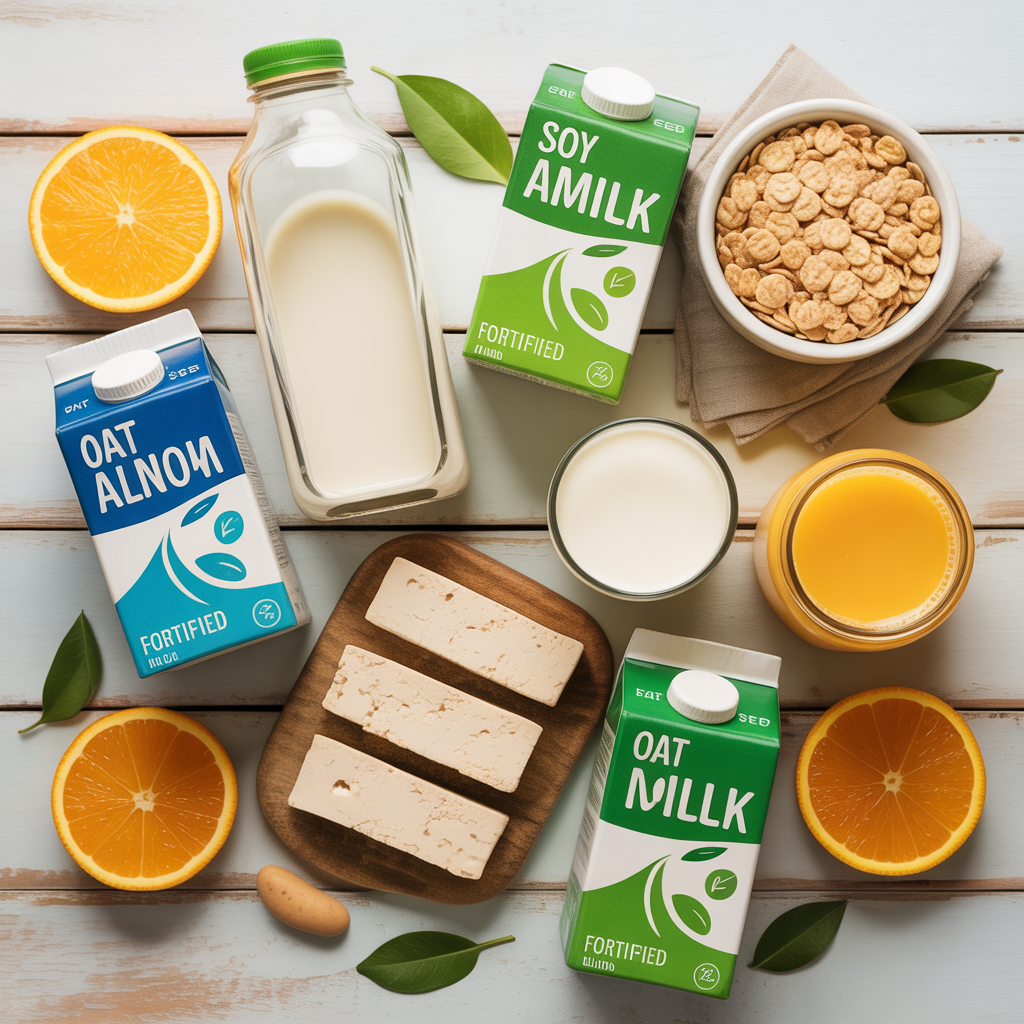
Food fortification has revolutionized calcium accessibility for people following various dietary patterns. Many manufacturers add calcium to products that don’t naturally contain high levels, creating convenient calcium sources that fit diverse nutritional needs.
Plant-Based Milk Alternatives
Fortified plant-based milks often contain calcium levels comparable to or exceeding those found in dairy milk. Fortified almond milk, soy milk, and oat milk typically provide 300-450 mg of calcium per 8-ounce serving, depending on the brand and fortification level.
When selecting plant-based milk alternatives, always check labels for calcium content, as unfortified versions may contain very little calcium. Look for products that list calcium carbonate or tricalcium phosphate among the ingredients.
Fortified Cereals and Grains
Many breakfast cereals are fortified with calcium, providing 100-1000 mg per serving depending on the brand. Some cereals contain as much calcium as a glass of milk, making them an easy way to boost morning calcium intake.
Fortified orange juice can provide 300-350 mg of calcium per 8-ounce serving, though it’s important to consider the high natural sugar content when incorporating this option into your diet.
Tofu and Soy Products
Tofu made with calcium sulfate contains significantly more calcium than tofu made with other coagulants. Firm tofu prepared with calcium sulfate can provide 200-400 mg of calcium per half-cup serving, making it an excellent protein and calcium source for plant-based diets.
Calcium Absorption: What You Need to Know
Simply consuming calcium-rich foods isn’t enough – your body must be able to absorb and utilize the calcium effectively. Several factors influence calcium absorption, and understanding these can help you maximize the benefits of your calcium-rich food choices.
Factors That Enhance Calcium Absorption
Vitamin D plays a crucial role in calcium absorption, with adequate vitamin D levels improving calcium uptake by up to 30-40%. Natural sunlight exposure, fatty fish, and vitamin D-fortified foods help maintain optimal vitamin D status.
Magnesium supports calcium absorption and bone health, while vitamin K helps direct calcium to bones rather than soft tissues. Foods rich in these nutrients work synergistically with calcium-rich foods to support overall bone health.
Consuming calcium in smaller amounts throughout the day rather than in large single doses improves absorption efficiency. Your body can only absorb about 500 mg of calcium at one time, making frequent, moderate intake more effective than occasional large doses.
Foods and Substances That Inhibit Absorption
Certain compounds can interfere with calcium absorption. Oxalates, found in spinach, rhubarb, and some other vegetables, bind to calcium and reduce its availability. Phytates in whole grains and legumes can also inhibit calcium absorption, though soaking, sprouting, or fermenting these foods can reduce phytate content.
Excessive caffeine intake may increase calcium excretion, though moderate coffee consumption (1-2 cups daily) doesn’t significantly impact calcium status when overall intake is adequate. High sodium intake can also increase calcium loss through urine.
Special Dietary Considerations
Different life stages and dietary choices require specific attention to calcium intake and absorption. Understanding these unique needs helps ensure adequate calcium status regardless of individual circumstances.
Vegan and Vegetarian Calcium Sources
Plant-based diets can provide adequate calcium through careful food selection and planning. Focusing on fortified plant milks, tofu made with calcium sulfate, leafy greens (except spinach), almonds, sesame seeds, and legumes creates a solid foundation for calcium intake.
Vegan diets may require more attention to vitamin D and vitamin B12 status, as these nutrients support calcium absorption and overall bone health.
Lactose Intolerant Individuals
Lactose intolerance doesn’t necessarily mean complete dairy avoidance. Many lactose-intolerant individuals can tolerate small amounts of dairy, particularly hard cheeses and yogurt, which contain less lactose than milk.
Lactase enzyme supplements can help some people digest dairy products more comfortably, while lactose-free dairy products provide the same calcium benefits without digestive discomfort.
Calcium Needs During Pregnancy and Breastfeeding
Pregnant and breastfeeding women require 1,000-1,300 mg of calcium daily to support fetal development and maintain their own bone health. The developing baby draws calcium from the mother’s stores, making adequate intake crucial for preventing maternal bone loss.
During breastfeeding, calcium needs remain elevated as breast milk contains significant calcium that must be replaced through diet or body stores.
Easy Ways to Boost Daily Calcium Intake

Incorporating more calcium into your daily routine doesn’t require dramatic dietary changes. Small, consistent modifications can significantly impact your calcium intake while maintaining dietary variety and enjoyment.
Meal Planning Strategies
Start each day with a calcium-rich breakfast by choosing fortified cereals with fortified plant milk or traditional dairy milk. Add sliced almonds or sesame seeds to yogurt, oatmeal, or smoothies for extra calcium and texture.
Include calcium-rich foods in every meal: add cheese to salads and sandwiches, incorporate leafy greens into main dishes, and choose calcium-fortified snacks between meals.
Simple Recipe Ideas and Combinations
Create calcium-rich smoothies by blending fortified plant milk or dairy milk with yogurt, leafy greens, and tahini. The fruit flavors mask any vegetable taste while providing additional vitamins and minerals.
Prepare stir-fries with bok choy, broccoli, and tofu, served over fortified grain products. These combinations provide multiple calcium sources while creating satisfying, nutritious meals.
Snack Options High in Calcium
Keep calcium-rich snacks readily available: raw almonds, string cheese, yogurt, canned sardines on whole grain crackers, or hummus made with tahini. These options provide convenient calcium between meals while supporting overall nutrition goals.
Calcium Content Charts and Comprehensive Comparison
Understanding the calcium content of various foods helps you make informed choices and plan balanced meals. Here’s a comprehensive breakdown of calcium content across different food categories:
High-Calcium Foods (300+ mg per serving)
- Sardines, canned with bones (3.5 oz): 325 mg
- Fortified plant milks (8 oz): 300-450 mg
- Parmesan cheese (1 oz): 330 mg
- Collard greens, cooked (1 cup): 270 mg
- Fortified orange juice (8 oz): 300-350 mg
Moderate-Calcium Foods (150-299 mg per serving)
- Yogurt, plain (6 oz): 200-250 mg
- Cheddar cheese (1 oz): 200 mg
- Salmon, canned with bones (3 oz): 180-200 mg
- Kale, cooked (1 cup): 180 mg
- White beans, cooked (1 cup): 160 mg
- Bok choy, cooked (1 cup): 160 mg
Good Calcium Sources (50-149 mg per serving)
- Tahini (2 tablespoons): 120 mg
- Broccoli, cooked (1 cup): 60 mg
- Almonds (1 oz): 75 mg
- Figs, dried (5 medium): 90 mg
Health Benefits Beyond Bone Health
While calcium’s role in bone health receives the most attention, this essential mineral contributes to numerous other aspects of wellness that impact your daily quality of life and long-term health outcomes.
Cardiovascular Health
Adequate calcium intake supports normal blood pressure regulation and heart rhythm maintenance. Some research suggests that sufficient calcium intake may help reduce the risk of cardiovascular disease, though the relationship is complex and involves multiple dietary and lifestyle factors.
Weight Management
Some studies indicate that adequate calcium intake may support healthy weight management, possibly through its effects on fat metabolism and appetite regulation. Calcium-rich foods, particularly dairy products, may help maintain muscle mass during weight loss efforts.
Muscle Function and Exercise Performance
Calcium enables proper muscle contraction and relaxation, directly impacting exercise performance and recovery. Athletes and active individuals require adequate calcium to support their increased muscle activity and potential higher calcium losses through sweat.
Making Calcium Work for You: Practical Implementation
Successfully maintaining adequate calcium intake requires a practical, sustainable approach that fits your lifestyle, dietary preferences, and individual health needs. Focus on creating habits rather than perfect adherence to specific numbers.
Begin by assessing your current calcium intake through a food diary, noting both direct calcium sources and fortified foods you regularly consume. This baseline helps identify gaps and opportunities for improvement without overwhelming dietary changes.
Consider timing your calcium intake throughout the day rather than concentrating it in single meals. This approach maximizes absorption while preventing digestive discomfort that some people experience with large calcium doses.
When planning meals, think in terms of calcium-rich food combinations rather than individual foods. Pairing different calcium sources often provides complementary nutrients that enhance overall absorption and nutritional value.
When to Seek Professional Guidance
While food sources should be your primary calcium strategy, certain situations warrant professional medical consultation. If you have a history of kidney stones, digestive disorders that affect nutrient absorption, or take medications that interfere with calcium absorption, discuss your calcium needs with a healthcare provider.
Individuals with osteoporosis, those at high risk for bone fractures, or people experiencing symptoms of calcium deficiency should consult with qualified healthcare professionals for personalized assessment and treatment recommendations.
A registered dietitian can help create meal plans that meet your calcium needs while accommodating food allergies, intolerances, or specific dietary preferences. They can also help you understand how your overall eating pattern affects calcium absorption and bone health.
Frequently Asked Questions About Calcium-Rich Foods
Can you get too much calcium from food sources?
It’s very difficult to consume excessive calcium from food sources alone. The upper limit for calcium intake is 2,500 mg per day for adults, and reaching this level through food would require consuming unrealistic quantities of calcium-rich foods. However, combining high food intake with calcium supplements could potentially lead to excessive intake.
What’s the best time to eat calcium-rich foods?
Calcium absorption occurs most efficiently when consumed in smaller amounts throughout the day rather than in large single doses. Spreading calcium intake across meals and snacks optimizes absorption while supporting consistent blood calcium levels.
How do I know if I’m getting enough calcium?
Track your food intake for several days, noting calcium-rich foods and their approximate calcium content. Most healthy adults consuming a varied diet with several calcium sources daily likely meet their needs. However, if you’re concerned about your calcium status, consult with a healthcare provider who can assess your individual situation.
Are calcium supplements necessary if I eat calcium-rich foods?
Most people can meet their calcium needs through food sources alone, and food sources are generally preferred due to their additional nutrients and better absorption. Supplements may be beneficial for individuals with limited dietary options, specific medical conditions, or documented deficiencies, but this should be determined through professional consultation.
Which foods have the most absorbable calcium?
Dairy products generally provide the most easily absorbed calcium, with absorption rates of 25-35%. Leafy greens (except spinach) also provide well-absorbed calcium, while fortified foods vary in absorption depending on the type of calcium used in fortification. Calcium citrate and calcium carbonate are commonly used in fortification and are well-absorbed.
Building and maintaining strong bones requires consistent attention to calcium intake throughout your lifetime. By incorporating a variety of calcium-rich foods into your daily eating pattern, you can support not only bone health but also the many other physiological processes that depend on adequate calcium availability. Remember that calcium works best as part of an overall healthy lifestyle that includes regular physical activity, adequate vitamin D, and a balanced approach to nutrition that supports your individual health goals and dietary preferences.