

When it comes to achieving your fitness and health goals, lean protein stands as one of the most crucial nutritional components for success. Whether you’re looking to lose weight, build muscle, or simply maintain a healthy lifestyle, understanding and incorporating the best lean protein foods into your diet can make all the difference. This comprehensive guide explores everything you need to know about lean protein sources, from animal-based options to plant-powered alternatives, helping you make informed choices that align with your nutritional objectives.
What is Lean Protein and Why It Matters
Lean protein refers to protein sources that provide high amounts of protein while containing minimal fat content. The general criteria for lean protein typically include foods that contain less than 10 grams of fat, 4.5 grams or less of saturated fat, and fewer than 95 milligrams of cholesterol per 100-gram serving. This optimal protein-to-fat ratio makes lean protein an excellent choice for those seeking to maximize protein intake while controlling overall calorie consumption.
The benefits of lean protein extend far beyond simple nutrition. For weight loss support, lean protein provides the highest thermic effect among all macronutrients, meaning your body burns more calories digesting protein compared to fats or carbohydrates. This metabolic advantage, combined with protein’s superior satiety effects, helps control hunger and maintain lean muscle mass during calorie restriction.
For muscle building and maintenance, lean protein provides essential amino acids needed for protein synthesis without the excess calories from fat. Athletes, fitness enthusiasts, people on weight loss journeys, and health-conscious individuals all benefit significantly from prioritizing lean protein sources in their daily nutrition plan.
Understanding the Science Behind Lean Protein
To qualify as a lean protein source, foods must meet specific nutritional criteria. The protein content should typically provide at least 20-25 grams of protein per serving, while keeping fat content below 10 grams. Calorie density is another important consideration, with the best lean proteins offering high protein content relative to total calories.
Lean protein supports weight loss through multiple mechanisms. The thermic effect of protein can increase energy expenditure by 20-30% compared to carbohydrates (8-10%) and fats (0-3%). Additionally, protein’s superior satiety effects help regulate appetite hormones like ghrelin and leptin, leading to natural calorie reduction and better hunger control throughout the day.
For muscle building and recovery, lean protein provides complete amino acid profiles necessary for optimal protein synthesis. Post-workout protein consumption, particularly within 30-60 minutes after exercise, maximizes muscle protein synthesis rates. Daily protein requirements vary based on goals, with recommendations ranging from 0.8g per kg of body weight for sedentary individuals to 2.2g per kg for serious athletes.
Top Animal-Based Lean Protein Sources
Poultry Options
Chicken breast stands as the gold standard of lean protein, providing approximately 31 grams of protein and only 3.6 grams of fat per 100-gram serving. Skinless preparation is essential to maintain its lean profile. Turkey breast offers similar benefits with 29 grams of protein and 1.2 grams of fat per serving. Lean ground turkey (93/7 or 99/1 fat ratios) provides versatility for various recipes while maintaining excellent protein content.
Optimal preparation methods include grilling, baking, poaching, or air frying without added oils. Marinating with herbs, spices, and acid-based ingredients enhances flavor without compromising the lean profile.
Fish and Seafood
White fish varieties excel as lean protein sources. Cod provides 20 grams of protein with only 0.9 grams of fat per 100 grams. Tilapia and halibut offer similar profiles, making them excellent choices for lean protein goals. While salmon contains higher fat content, its omega-3 fatty acids provide significant health benefits, making it a valuable addition despite higher calorie content.
Shellfish options like shrimp, crab, and lobster provide exceptional protein density with minimal fat. Shrimp delivers 24 grams of protein with only 0.3 grams of fat per serving. Fresh options typically provide better nutritional profiles than canned varieties, though canned fish in water remains a convenient lean protein source.

Lean Cuts of Meat
Selecting the right cuts of beef and pork ensures lean protein intake. Eye of round, sirloin tip, and tenderloin cuts provide excellent protein content with controlled fat levels. Lean ground beef (90/10 or 95/5) offers versatility while maintaining lean protein status. Pork tenderloin rivals chicken breast in leanness, providing 26 grams of protein with only 3.5 grams of fat per serving.
When shopping for lean meats, look for cuts with minimal visible marbling and trim any excess fat before cooking. Choose grass-fed options when possible for improved nutrient profiles.
Dairy Products
Greek yogurt, particularly non-fat varieties, provides exceptional protein density with 20 grams of protein per cup. Cottage cheese offers similar benefits with added versatility for both sweet and savory applications. Low-fat milk and alternatives provide quality protein while supporting calcium intake. When comparing dairy options, prioritize products with minimal added sugars and maximum protein content per serving.
Eggs
Whole eggs provide complete protein with all essential amino acids, containing 6 grams of protein per large egg. Egg whites offer pure protein with virtually no fat, making them ideal for strict lean protein goals. The versatility of eggs allows for numerous preparation methods, from scrambled and poached to incorporated into various recipes.
Plant-Based Lean Protein Options
Legumes and Beans
Lentils stand out among plant-based lean proteins, providing 18 grams of protein per cooked cup with minimal fat content. Red, green, and black lentil varieties offer different flavors and textures while maintaining excellent nutritional profiles. Chickpeas and black beans provide substantial protein content along with fiber and complex carbohydrates. Split peas offer similar benefits and work excellently in soups and stews.
Proper preparation includes soaking dried legumes overnight and cooking thoroughly to improve digestibility and nutrient absorption.
Soy Products
Tofu varieties range from silken to extra-firm, each offering different culinary applications while providing complete protein profiles. Firm tofu contains approximately 20 grams of protein per cup with moderate fat content. Tempeh offers fermented soy benefits with enhanced protein bioavailability. Edamame provides convenient snacking options with 17 grams of protein per cup.
Soy products offer complete amino acid profiles comparable to animal proteins, making them excellent alternatives for plant-based diets.
Nuts and Seeds (Portion-Controlled)
While nuts and seeds contain higher fat content, certain varieties like hemp seeds and chia seeds can contribute to lean protein goals when consumed in appropriate portions. Hemp seeds provide 10 grams of protein per 3-tablespoon serving. Portion control remains crucial, as these foods are calorie-dense despite their protein content.
Whole Grains with Protein
Quinoa stands out among grains as a complete protein source, providing 8 grams of protein per cooked cup. Amaranth offers similar benefits with additional minerals and nutrients. While these foods contain carbohydrates, their protein content makes them valuable components of plant-based lean protein strategies.

Protein Supplements as Lean Options
Whey protein isolate provides the purest form of whey protein with minimal fat and carbohydrates, typically containing 25-30 grams of protein per serving. Plant-based protein powders from pea, rice, or hemp sources offer dairy-free alternatives with comparable protein content. Casein protein provides slower-digesting properties ideal for nighttime consumption or extended periods between meals.
While supplements offer convenience and precise protein control, whole food sources should remain the foundation of lean protein intake. Quality indicators include third-party testing, minimal artificial ingredients, and transparent labeling of protein content and sources.
Lean Protein Content Comparison
Understanding protein content per serving helps optimize food choices. Chicken breast leads with 31g protein per 100g serving and only 165 calories. Fish varieties like cod provide 20g protein per 100g with 82 calories. Greek yogurt (non-fat) offers 20g protein per cup with 130 calories. Plant-based options like lentils provide 18g protein per cooked cup with 230 calories.
Cost-effectiveness varies by region and source, but generally, eggs, chicken thighs, canned fish, and dried legumes offer the best protein value per dollar. Bioavailability scores favor animal proteins, though proper plant protein combining can achieve similar amino acid profiles.
Meal Planning with Lean Protein
Daily Protein Requirements
Protein needs vary based on body weight, activity level, and goals. Sedentary adults require 0.8g per kg of body weight, while athletes may need 1.6-2.2g per kg. For a 70kg individual, this translates to 56-154g of protein daily. Distributing protein intake across 3-4 meals optimizes muscle protein synthesis throughout the day.
Pre-workout protein (15-20g) provides amino acids for exercise, while post-workout protein (20-30g) maximizes recovery and muscle building. Timing protein intake every 3-4 hours maintains steady amino acid availability.
Sample Meal Plans
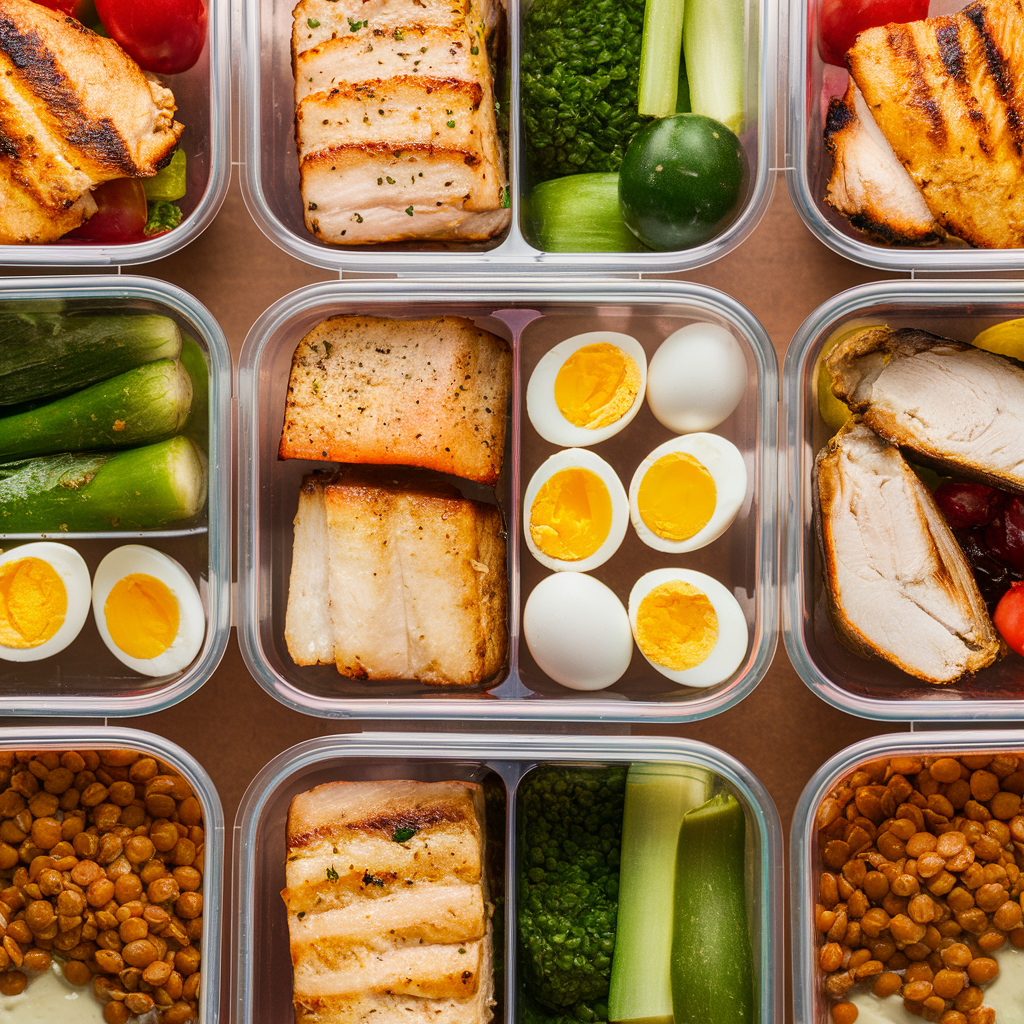
A weight loss-focused day might include: Greek yogurt with berries (breakfast), grilled chicken salad (lunch), and baked cod with vegetables (dinner), totaling approximately 100g protein with 1,200-1,400 calories. Muscle building plans increase portions and add snacks, reaching 140-160g protein with 2,000-2,400 calories.
Vegetarian plans combine legumes, soy products, and dairy to achieve complete amino acid profiles while meeting protein targets.
Cooking Methods to Maximize Benefits
Optimal cooking techniques preserve protein content while avoiding unnecessary fat addition. Grilling, baking, steaming, and poaching maintain lean profiles better than frying or sautéing in oil. Air frying provides crispy textures without added fats.
Seasoning with herbs, spices, citrus, and vinegar-based marinades enhances flavor without calories. Dry rubs using paprika, garlic powder, and herbs create satisfying flavors while maintaining lean preparation methods.
Pairing lean proteins with non-starchy vegetables creates volume and satisfaction while controlling calories. Meal enhancement strategies include using protein as the centerpiece while surrounding it with colorful, nutrient-dense vegetables.
Common Mistakes and How to Avoid Them
Overcooking proteins reduces palatability and can affect amino acid availability. Use meat thermometers and appropriate cooking times to maintain optimal texture and nutrition. Adding unnecessary fats during preparation defeats the purpose of choosing lean proteins. Instead, focus on dry cooking methods and flavorful seasonings.
Not varying protein sources can lead to nutrient deficiencies and meal boredom. Rotate between different animal and plant proteins throughout the week. Ignoring portion sizes can sabotage goals even with lean choices. Use food scales and measuring tools initially to develop accurate portion awareness.
Timing protein intake incorrectly, such as consuming most daily protein in one meal, reduces optimization benefits. Spread protein intake throughout the day for maximum utilization.
Special Considerations
Budget-friendly lean protein options include eggs, canned fish, dried legumes, and chicken thighs (skin removed). Buying in bulk, choosing seasonal options, and utilizing sales can significantly reduce protein costs while maintaining quality.
For specific dietary restrictions, gluten-free lean proteins include all whole food animal proteins, most fish, and naturally gluten-free plant proteins like legumes and quinoa. Dairy-free alternatives focus on animal proteins, plant-based options, and carefully selected protein supplements.
Sustainable and ethical protein choices include wild-caught fish, grass-fed meats, organic eggs, and plant-based proteins. Consider environmental impact and personal values when selecting protein sources for long-term sustainability.
Frequently Asked Questions
How much lean protein do I need daily? Daily protein needs range from 0.8g per kg of body weight for sedentary individuals to 2.2g per kg for athletes. Most active adults benefit from 1.2-1.6g per kg of body weight.
Can I build muscle on plant-based lean proteins alone? Yes, plant-based proteins can support muscle building when properly combined to ensure complete amino acid profiles and adequate total protein intake.
What’s the difference between complete and incomplete proteins? Complete proteins contain all nine essential amino acids in adequate proportions, while incomplete proteins lack one or more essential amino acids. Most animal proteins are complete, while plant proteins often require combining for completeness.
Are protein supplements better than whole food sources? Whole food sources provide additional nutrients, fiber, and satiety benefits. Supplements offer convenience and precise protein control but should complement, not replace, whole food proteins.
How do I calculate protein content in mixed dishes? Use nutrition tracking apps or calculate individual ingredients’ protein content and sum the total. Focus on the primary protein source and estimate based on portion sizes.
Conclusion
Incorporating lean protein into your daily nutrition plan provides a powerful foundation for achieving various health and fitness goals. From supporting weight loss through enhanced satiety and metabolic benefits to facilitating muscle building and recovery, lean protein sources offer versatility and effectiveness for any dietary approach.
The key to success lies in variety, proper preparation, and consistent intake throughout the day. Whether you prefer animal-based sources like chicken breast and fish, or plant-based options like legumes and soy products, numerous lean protein choices can fit your preferences, budget, and dietary restrictions.
Start your lean protein journey by identifying 3-4 preferred sources and gradually incorporating them into your meal planning. Focus on proper cooking methods, appropriate portion sizes, and timing your intake to maximize benefits. Remember that sustainable changes happen gradually, so begin with manageable adjustments and build upon your success over time.
Take action today by planning your next grocery shopping trip around these lean protein options. Your future self will thank you for the investment in high-quality nutrition that supports your health, fitness, and wellness goals for years to come.