

Managing eczema through dietary choices has gained significant attention as people seek natural ways to support their skin health. While eczema affects millions of Americans, creating red, itchy, and inflamed patches on the skin, emerging research suggests that what we eat may play a meaningful role in symptom management. This comprehensive guide explores the relationship between diet and eczema, offering evidence-based strategies to help you make informed decisions about your nutrition and skin health journey.
Understanding Eczema and Its Connection to Diet
Eczema, medically known as atopic dermatitis, is a chronic inflammatory skin condition that affects approximately 31.6 million people in the United States. This condition manifests as dry, itchy, and inflamed skin patches that can significantly impact quality of life. The exact cause of eczema remains complex, involving genetic factors, environmental triggers, and immune system responses.
Recent scientific research has revealed intriguing connections between our diet and skin inflammation. The immune system, which plays a central role in eczema development, can be influenced by the foods we consume. Certain nutrients and compounds in food may either promote or reduce inflammatory processes in the body, potentially affecting eczema symptoms.
The gut-skin axis, a term describing the communication pathway between our digestive system and skin health, has become an area of intense research interest. This connection suggests that maintaining a healthy gut microbiome through thoughtful dietary choices may support overall skin wellness.

The Science Behind Diet and Eczema Inflammation
Understanding how food affects eczema requires examining the body’s inflammatory pathways. When we consume certain foods, they can trigger immune responses that either increase or decrease inflammation throughout the body, including the skin.
Inflammatory foods typically contain high levels of refined sugars, trans fats, and certain additives that can stimulate pro-inflammatory cytokines. These molecular messengers can worsen existing skin inflammation and potentially trigger eczema flares. Conversely, anti-inflammatory foods contain compounds like omega-3 fatty acids, antioxidants, and polyphenols that may help calm inflammatory responses.
It’s crucial to distinguish between food allergies and food sensitivities when discussing eczema triggers. Food allergies involve immediate immune responses mediated by IgE antibodies, while food sensitivities may cause delayed reactions that are harder to identify. Both can potentially impact eczema symptoms, but they require different approaches for identification and management.
Common Food Triggers That May Worsen Eczema
While eczema triggers vary significantly among individuals, research has identified several categories of foods that commonly worsen symptoms in sensitive people. Recognizing these potential triggers can help you make informed dietary decisions.
Dairy Products
Cow’s milk and dairy products are among the most frequently reported eczema triggers, particularly in children. The proteins in dairy, including casein and whey, may contribute to inflammatory responses in susceptible individuals. Some people find relief by eliminating or reducing dairy consumption, though this should be done under professional guidance to ensure adequate calcium and vitamin D intake.
Gluten and Wheat Products
Gluten sensitivity and celiac disease can sometimes coexist with eczema. Even in the absence of celiac disease, some individuals report improved skin symptoms when following a gluten-free diet. However, gluten elimination should be approached carefully to maintain proper nutrition and fiber intake.
Common Allergenic Foods
The “Big 8” allergens—eggs, peanuts, tree nuts, soy, fish, shellfish, dairy, and wheat—are frequent culprits in eczema flares. These foods may trigger symptoms through allergic reactions or sensitivity responses. Professional allergy testing can help identify specific triggers.
Processed and Refined Foods
Highly processed foods often contain multiple additives, preservatives, artificial colors, and flavors that may trigger eczema symptoms. These foods also tend to be high in refined sugars and unhealthy fats, which can promote systemic inflammation.
Anti-Inflammatory Foods for Eczema Support
Incorporating anti-inflammatory foods into your diet may help support skin health and potentially reduce eczema symptoms. These nutrient-dense options provide compounds that can help modulate immune responses and support skin barrier function.

Omega-3 Rich Foods
Omega-3 fatty acids have well-documented anti-inflammatory properties. Excellent sources include:
- Fatty fish like salmon, mackerel, and sardines
- Flaxseeds and chia seeds
- Walnuts and hemp hearts
- Algae-based supplements for vegetarians
Antioxidant-Packed Fruits and Vegetables
Colorful produce provides antioxidants that help combat oxidative stress and inflammation:
- Berries (blueberries, strawberries, blackberries)
- Leafy greens (spinach, kale, Swiss chard)
- Orange and yellow vegetables (sweet potatoes, carrots, bell peppers)
- Cruciferous vegetables (broccoli, Brussels sprouts, cauliflower)
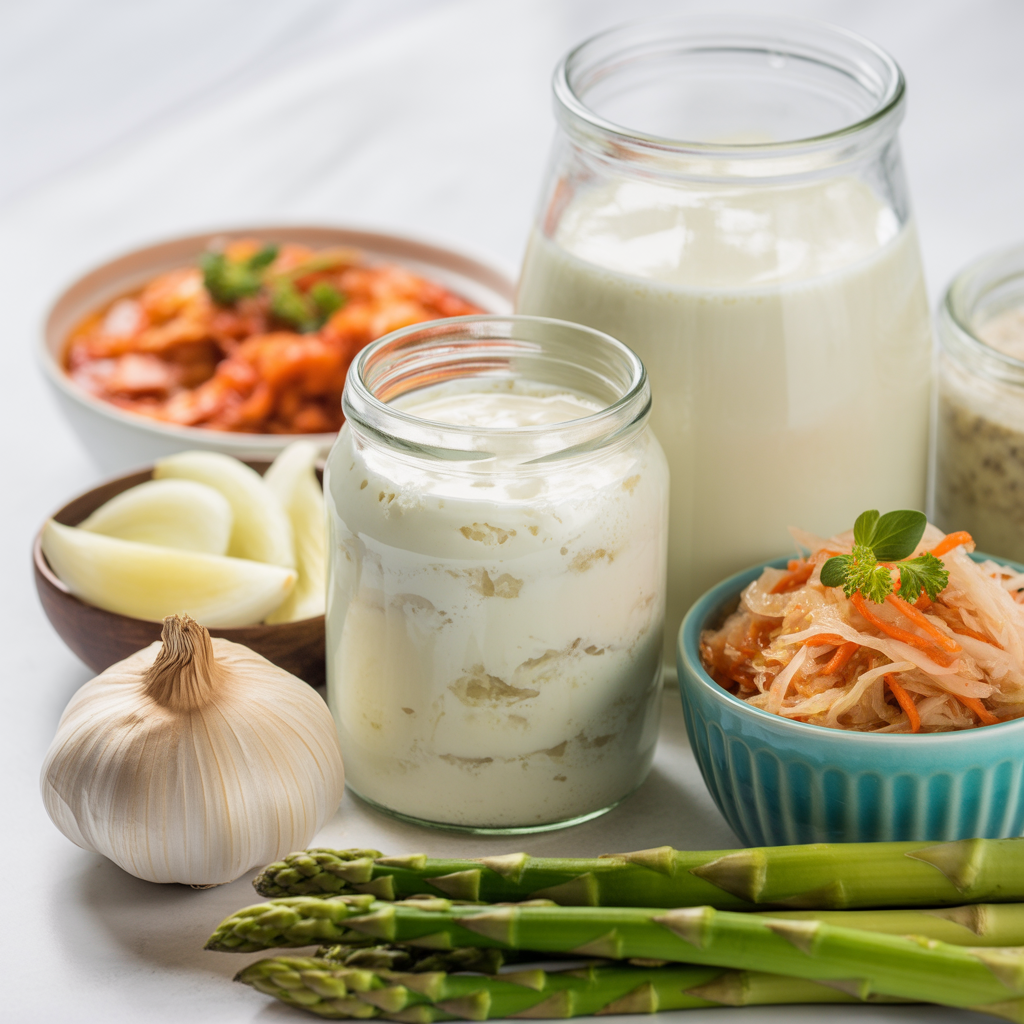
Probiotic and Prebiotic Foods
Supporting gut health through probiotics and prebiotics may benefit the gut-skin axis:
- Fermented foods like kefir, sauerkraut, and kimchi
- Yogurt with live active cultures (if dairy is tolerated)
- Prebiotic foods like garlic, onions, and asparagus
- High-fiber foods that support beneficial gut bacteria
Practical Dietary Approaches for Eczema Management
Implementing dietary changes for eczema management requires a systematic approach. Here are evidence-based strategies that many people find helpful:
The Elimination Diet Protocol
An elimination diet involves removing suspected trigger foods for a specific period, then systematically reintroducing them to identify personal triggers. This process should ideally be conducted under the guidance of a registered dietitian or healthcare provider to ensure nutritional adequacy.
The typical elimination phase lasts 2-4 weeks, during which common trigger foods are avoided. The reintroduction phase involves adding one food group back every 3-5 days while carefully monitoring symptoms. This methodical approach helps identify specific triggers while maintaining proper nutrition.
Anti-Inflammatory Diet Patterns
Rather than focusing on elimination alone, many people benefit from adopting overall anti-inflammatory eating patterns. The Mediterranean diet, rich in olive oil, fish, vegetables, and whole grains, has shown promise in reducing inflammatory markers and may support skin health.
Nutritional Supplements and Skin Health
While food should be the primary source of nutrients, certain supplements may provide additional support for people with eczema. Always consult with healthcare providers before starting any supplement regimen.
Evidence-Based Supplements
Research suggests several supplements may benefit eczema management:
- Vitamin D: Many people with eczema have low vitamin D levels, and supplementation may help immune function
- Probiotics: Certain strains may support gut health and potentially reduce eczema severity
- Omega-3 supplements: May provide additional anti-inflammatory support when dietary intake is insufficient
- Vitamin E: An antioxidant that may support skin barrier function
It’s essential to choose high-quality supplements from reputable manufacturers and discuss appropriate dosages with healthcare providers, as supplements can interact with treatments or other health conditions.
Creating Your Eczema-Friendly Meal Plan
Developing a sustainable meal planning approach is crucial for long-term success with dietary management of eczema. Start by focusing on whole, minimally processed foods while gradually identifying and avoiding personal triggers.
Weekly Meal Planning Strategy
Begin by planning meals around anti-inflammatory foods you enjoy and tolerate well. Create a weekly template that includes:
- Breakfast options featuring omega-3 rich foods
- Lunch ideas incorporating colorful vegetables
- Dinner plans centered on lean proteins and complex carbohydrates
- Healthy snacks that support stable blood sugar levels
Batch cooking can make adherence easier by preparing larger quantities of eczema-friendly staples like roasted vegetables, cooked grains, and protein sources that can be combined in various ways throughout the week.
Monitoring Progress and Tracking Symptoms
Keeping detailed records of your dietary choices and eczema symptoms is essential for identifying patterns and triggers. Consider maintaining a food and symptom diary that includes:
- Daily food intake with specific ingredients
- Eczema symptom severity and location
- Sleep quality and stress levels
- Environmental factors like weather or new products used
Many smartphone apps can simplify this tracking process, allowing you to photograph meals and rate symptoms quickly. Review your records regularly with healthcare providers to identify trends and adjust your approach accordingly.
Working with Healthcare Professionals
While dietary approaches can be valuable for eczema management, they work best as part of a comprehensive treatment plan. Consider working with:
- Dermatologists for overall eczema management and treatment coordination
- Registered Dietitians for personalized nutrition guidance and meal planning
- Allergists for proper allergy testing and identification of triggers
- Primary Care Physicians for overall health monitoring and care coordination
Be prepared for appointments by bringing your food and symptom diary, list of current treatments, and specific questions about dietary approaches. Open communication with your healthcare team ensures safe and effective management strategies.
Lifestyle Factors Beyond Diet
While diet plays an important role, eczema management benefits from a holistic approach addressing multiple lifestyle factors:
Stress Management
Chronic stress can worsen eczema symptoms and may also influence food choices. Incorporating stress-reduction techniques like meditation, regular exercise, and adequate sleep can complement dietary approaches.
Environmental Considerations
Skincare routines, clothing choices, and environmental factors like humidity and temperature also significantly impact eczema. Coordinating dietary changes with attention to these factors may enhance overall results.
Setting Realistic Expectations
Dietary management of eczema requires patience and persistence. While some people notice improvements within weeks, others may need months to identify effective strategies. It’s important to maintain realistic expectations and understand that diet is typically most effective as part of a comprehensive management approach rather than a standalone solution.
Remember that eczema is a complex condition influenced by genetics, environment, and immune function. What works for one person may not work for another, making personalized approaches essential.
Resources and Next Steps
If you’re interested in exploring dietary approaches for eczema management, consider these steps:
- Consult with your healthcare provider about incorporating dietary strategies
- Consider working with a registered dietitian experienced in elimination diets
- Start a food and symptom diary to establish baseline patterns
- Focus on adding anti-inflammatory foods before eliminating others
- Be patient and consistent with your approach
Remember that managing eczema through diet is a journey that requires ongoing attention and adjustment. While dietary approaches show promise for many people, they should complement, not replace, established medical treatments. Always work closely with qualified healthcare providers to develop a safe and effective management plan tailored to your individual needs and circumstances.
By combining evidence-based dietary strategies with appropriate medical care, many people find meaningful improvements in their eczema symptoms and overall quality of life. Take the first step by discussing these approaches with your healthcare team and beginning to track your current dietary patterns and symptoms.