

Diet Coke has been America’s go-to sugar-free cola for decades, but have you ever wondered what’s actually in that familiar silver can? With millions of people reaching for this zero-calorie alternative daily, understanding its ingredient list has become more important than ever. Whether you’re health-conscious, have dietary restrictions, or simply curious about what you’re drinking, this comprehensive guide breaks down every ingredient in Diet Coke, explaining their purposes and addressing common safety concerns.
Complete Diet Coke Ingredients List
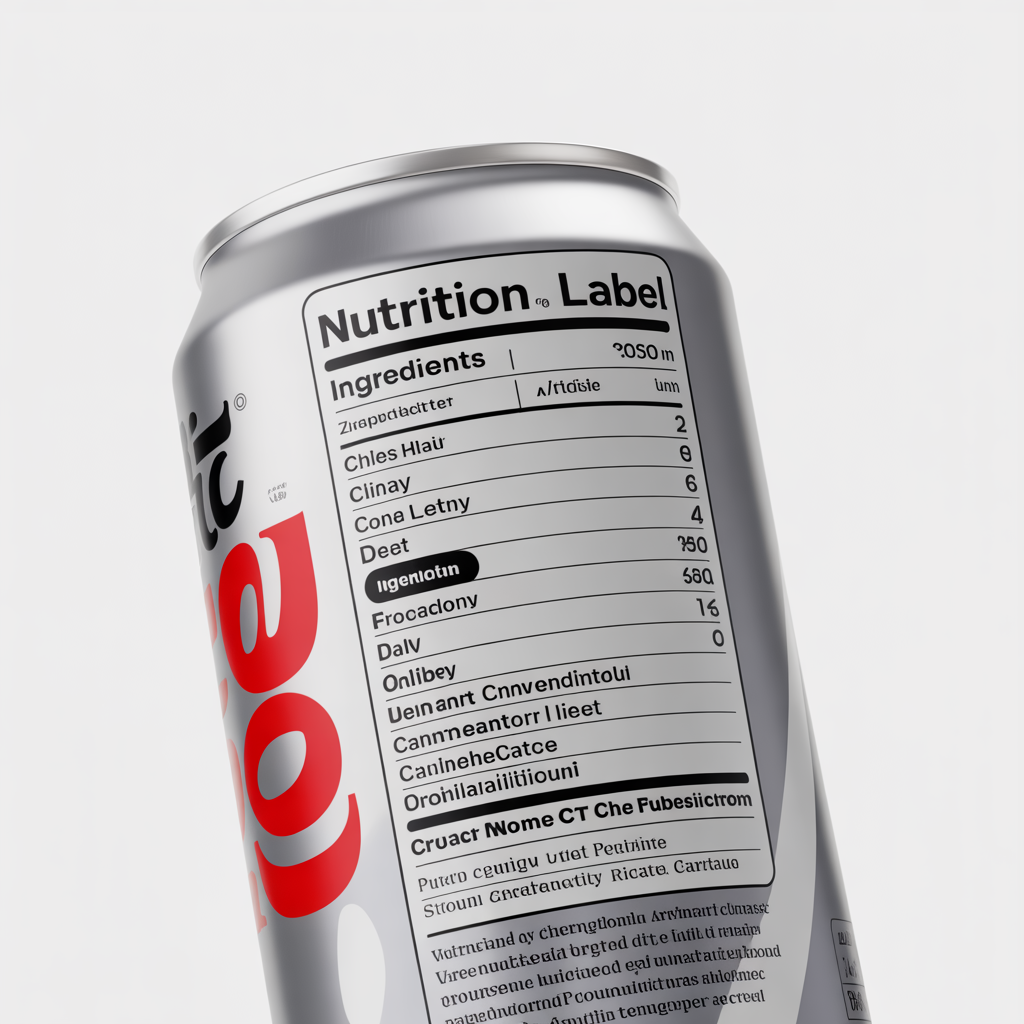
Diet Coke contains eight primary ingredients, each serving a specific purpose in creating the beverage’s distinctive taste, appearance, and shelf stability. Here’s the complete list as it appears on the label:
- Carbonated water
- Caramel color
- Aspartame
- Phosphoric acid
- Potassium benzoate
- Natural flavors
- Citric acid
- Caffeine
Detailed Breakdown of Each Ingredient
Carbonated Water
Carbonated water forms the foundation of Diet Coke, typically comprising over 99% of the beverage. This ingredient is simply water that has been infused with carbon dioxide under pressure, creating the characteristic fizz and mouthfeel that makes soda refreshing. The carbonation process is generally recognized as safe by the FDA and adds no calories, sodium, or other nutrients to the drink.
Caramel Color
Caramel color gives Diet Coke its distinctive brown appearance. This ingredient is produced by heating sugars in a controlled process, creating various shades of brown coloring. There are four classes of caramel color, with Diet Coke typically using Class IV caramel color. This coloring agent is purely aesthetic and doesn’t contribute to flavor, calories, or nutritional content.
Aspartame
Aspartame serves as Diet Coke’s primary artificial sweetener, providing sweetness without calories. This ingredient is approximately 200 times sweeter than regular sugar, which means only tiny amounts are needed to achieve the desired sweetness level. The FDA approved aspartame for use in beverages in 1983 after extensive safety testing, and it has been the subject of numerous studies confirming its safety for the general population.
Phosphoric Acid
Phosphoric acid serves multiple functions in Diet Coke, acting as both a flavor enhancer and preservative. It provides the beverage’s characteristic tangy taste and helps balance the sweetness of aspartame. Additionally, phosphoric acid helps prevent bacterial growth, extending the product’s shelf life. This ingredient is commonly used in many cola beverages and is generally recognized as safe by regulatory authorities.
Potassium Benzoate
Potassium benzoate functions as a preservative in Diet Coke, preventing the growth of bacteria, yeasts, and molds that could spoil the beverage. This ingredient is particularly effective in acidic environments like cola drinks. The FDA has established specific limits for potassium benzoate use in beverages, and Diet Coke contains levels well within these safety guidelines.
Natural Flavors
Natural flavors create Diet Coke’s unique taste profile, distinguishing it from other cola beverages. According to FDA regulations, natural flavors must be derived from plant or animal sources, though the specific combination used in Diet Coke remains a closely guarded trade secret. These flavoring compounds are typically present in very small amounts but play a crucial role in the beverage’s overall taste experience.
Citric Acid
Citric acid serves dual purposes in Diet Coke, acting as both a flavor enhancer and preservative. It adds a subtle tartness that complements the other flavors while also helping to prevent spoilage. Citric acid can be derived from citrus fruits or produced synthetically, and both forms are chemically identical and equally safe for consumption.
Caffeine
Caffeine provides Diet Coke’s mild stimulant effect, containing 34 milligrams per 12-fluid-ounce serving. This amount is roughly equivalent to about one-third the caffeine content of an average cup of coffee. The caffeine in Diet Coke may be derived from natural sources like coffee beans or produced synthetically, both of which are approved for use in beverages.
Nutritional Information and Context
Diet Coke’s nutritional profile is quite simple due to its formulation. A standard 12-fluid-ounce serving contains:
- Calories: 0
- Total fat: 0g
- Sodium: 40mg (2% Daily Value)
- Total carbohydrates: 0g
- Sugars: 0g
- Protein: 0g
- Caffeine: 34mg
This nutritional profile represents a significant difference from regular Coca-Cola, which contains 140 calories and 39 grams of sugar per 12-fluid-ounce serving, making Diet Coke an attractive option for those monitoring calorie intake or blood sugar levels.
Ingredient Safety and Regulatory Status
FDA Regulations and Oversight
All ingredients in Diet Coke have been approved by the Food and Drug Administration for use in beverages. Many carry GRAS (Generally Recognized as Safe) status, meaning they have a long history of safe use in food and beverages. The FDA continuously monitors the safety of food additives and can revise approval status if new safety concerns arise.
Scientific Research Overview
Extensive scientific research has been conducted on Diet Coke’s ingredients, particularly aspartame, which has been one of the most studied food additives in history. Major health organizations worldwide, including the FDA, European Food Safety Authority, and World Health Organization, have concluded that aspartame is safe for consumption by the general population when used within acceptable daily intake levels.
Addressing Common Concerns and Questions
Aspartame Safety
Despite decades of research supporting aspartame’s safety, some concerns persist among consumers. The scientific consensus, based on over 200 studies, indicates that aspartame is safe for most people. However, individuals with phenylketonuria (PKU), a rare genetic disorder, should avoid aspartame as they cannot properly metabolize one of its components, phenylalanine.
Phosphoric Acid and Bone Health
Some studies have suggested a potential link between phosphoric acid consumption and bone health, though research results have been mixed. While some observational studies have found associations between cola consumption and lower bone density, it’s important to note that correlation doesn’t imply causation. Moderation in consumption and maintaining a balanced diet rich in calcium and vitamin D remain important for bone health.

Caffeine Content Considerations
Diet Coke’s caffeine content is moderate compared to other caffeinated beverages. For context, it contains less caffeine than most energy drinks, coffee, or tea. The FDA considers up to 400 milligrams of caffeine daily to be safe for most healthy adults, meaning you could theoretically consume nearly 12 cans of Diet Coke before reaching this limit, though such consumption wouldn’t be recommended for other health reasons.
Product Variations and Regional Differences
Diet Coke formulations may vary slightly between different markets due to regulatory differences, local taste preferences, and ingredient availability. Some countries use different artificial sweeteners or combinations of sweeteners. Additionally, Coca-Cola produces several Diet Coke variants, including caffeine-free versions and flavored varieties, each with slightly modified ingredient lists.
Manufacturing and Quality Control
The production of Diet Coke involves strict quality control measures to ensure consistency and safety. Ingredients are sourced from approved suppliers and must meet specific purity standards. The manufacturing process includes multiple quality checkpoints, from raw material inspection to finished product testing, ensuring that each batch meets company and regulatory standards.
Comparison with Other Beverages
Diet Coke vs. Regular Coca-Cola
The primary differences between Diet Coke and regular Coca-Cola lie in their sweetening systems and resulting nutritional profiles. Regular Coca-Cola uses high fructose corn syrup or sugar, contributing all of its 140 calories per serving, while Diet Coke relies on aspartame for zero-calorie sweetness. The flavor profiles also differ slightly, as Diet Coke was formulated as a distinct product rather than simply a sugar-free version of the original formula.
Diet Coke vs. Other Diet Sodas
Different diet sodas use various artificial sweetener combinations. While Diet Coke primarily uses aspartame, other brands might use sucralose, acesulfame potassium, or combinations of multiple sweeteners. These differences can result in varying taste profiles and may affect individual preferences based on sweetener tolerance or taste sensitivity.
Environmental and Sustainability Considerations
Beyond ingredient safety, many consumers are interested in the environmental impact of their beverage choices. Coca-Cola has implemented various sustainability initiatives, including recyclable packaging and water conservation efforts in manufacturing. The company has committed to making all packaging recyclable by 2025 and has been working to reduce the environmental footprint of ingredient sourcing and production processes.
Making Informed Choices
Understanding Diet Coke’s ingredients empowers you to make informed decisions about your beverage consumption. While the ingredients are generally recognized as safe for most people, individual responses can vary. Some people may be sensitive to caffeine, while others might prefer to limit artificial sweetener intake. As with any food or beverage, moderation is key to a balanced diet.
If you have specific health conditions, are pregnant, or have concerns about any ingredients, it’s always wise to consult with your healthcare provider. They can provide personalized advice based on your individual health profile and dietary needs.
Frequently Asked Questions
Is it safe to drink Diet Coke daily?
For most healthy adults, moderate daily consumption of Diet Coke is considered safe. However, “moderate” varies by individual factors including caffeine sensitivity, overall diet, and health status. The key is balance and ensuring Diet Coke doesn’t replace water or other nutritious beverages in your diet.
What gives Diet Coke its unique flavor?
Diet Coke’s distinctive taste comes from its specific blend of natural flavors, combined with the tartness from phosphoric and citric acids and the sweetness from aspartame. This combination creates a flavor profile that’s distinct from regular Coca-Cola.
Why does Diet Coke taste different from regular Coke?
Diet Coke wasn’t designed as a sugar-free version of original Coca-Cola but as a completely new product with its own flavor profile. The use of aspartame instead of sugar, different flavoring combinations, and varying acid levels all contribute to the taste difference.
Are there any ingredients I should be particularly concerned about?
Most people can consume Diet Coke ingredients without concern. However, individuals with PKU should avoid aspartame, those sensitive to caffeine should monitor their intake, and people with sodium restrictions should consider the 40mg of sodium per serving in their daily calculations.
Conclusion
Diet Coke’s ingredient list is relatively simple, consisting of eight components that work together to create its familiar taste, appearance, and shelf stability. Each ingredient has been approved for use in beverages and serves a specific function, from providing sweetness without calories to preventing spoilage and maintaining carbonation.
While concerns about artificial sweeteners and other additives persist in popular culture, scientific evidence supports the safety of Diet Coke’s ingredients when consumed in normal amounts by most people. As with any dietary choice, the key is moderation and making decisions that align with your personal health goals and preferences.
Whether you’re a longtime Diet Coke enthusiast or considering it as a lower-calorie alternative to regular soda, understanding what’s in your beverage helps you make informed choices. Remember that individual responses to ingredients can vary, and when in doubt, consulting with a healthcare professional can provide personalized guidance for your specific situation.