

Managing pancreatitis through proper nutrition is a crucial component of treatment and recovery. Whether you’re dealing with acute or chronic pancreatitis, understanding which foods support pancreatic health and which ones to avoid can significantly impact your symptoms and overall well-being. This comprehensive guide provides evidence-based dietary recommendations to help you navigate nutritional choices while supporting your pancreatic function.
Understanding Pancreatitis and Its Impact on Nutrition
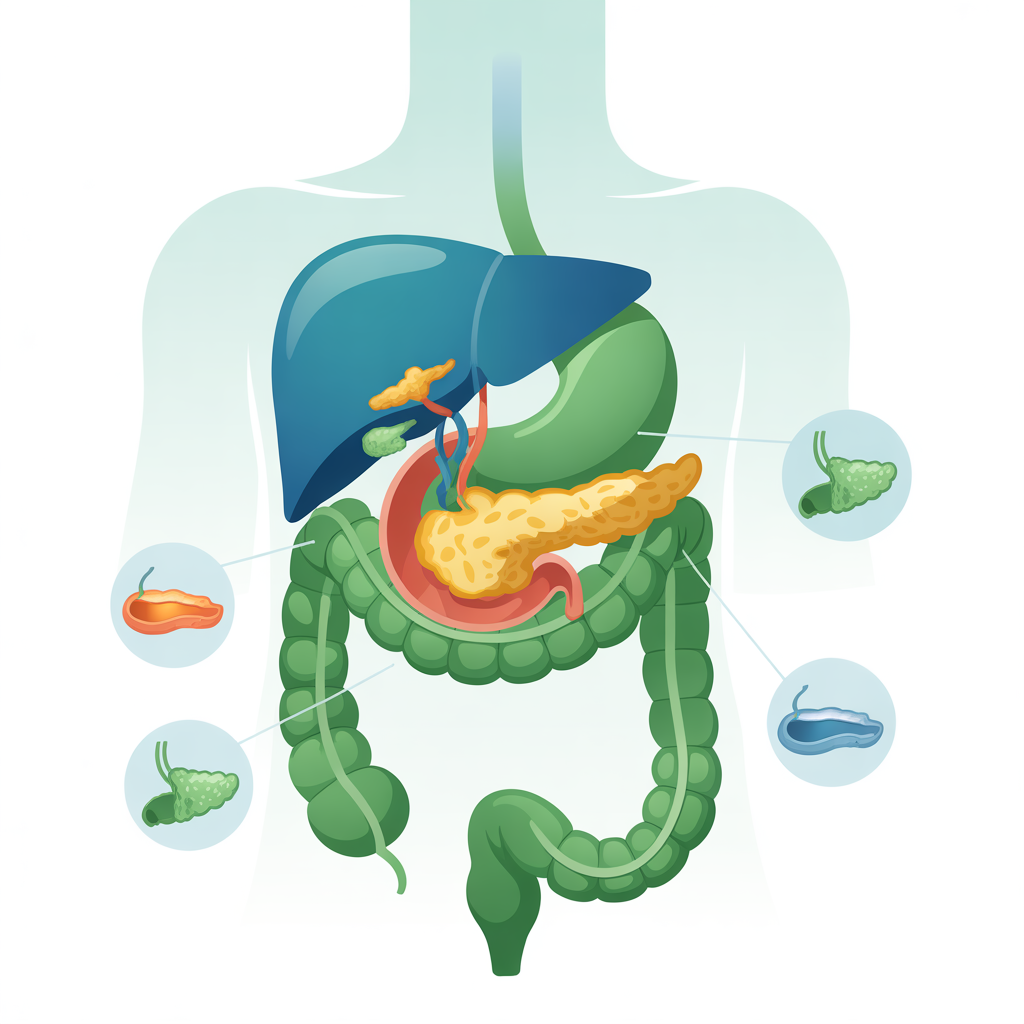
The pancreas plays a vital role in both digestion and blood sugar regulation by producing digestive enzymes and hormones like insulin. When inflammation occurs in this organ, it can significantly affect your body’s ability to process nutrients, particularly fats.
Pancreatitis reduces the production of digestive enzymes, leading to malabsorption issues, especially with fat-soluble vitamins. This condition can also impact blood sugar control, making dietary management essential for both symptom relief and long-term health.
There are two main types of pancreatitis that affect dietary needs differently:
- Acute pancreatitis: Requires immediate dietary modifications, often starting with clear liquids and gradually reintroducing solid foods
- Chronic pancreatitis: Needs long-term nutritional planning with ongoing dietary restrictions and possible enzyme replacement therapy
Primary Goals of a Pancreatitis Diet
A well-planned pancreatitis diet aims to achieve several important objectives:
- Reduce the workload on your pancreas by limiting foods that require extensive enzyme production
- Prevent malnutrition by ensuring adequate nutrient absorption
- Manage symptoms such as abdominal pain, nausea, and digestive issues
- Support the healing process and prevent future flare-ups
- Maintain stable blood sugar levels
Foods to Include in Your Pancreatitis Diet
Building your meals around pancreatitis-friendly foods can help minimize symptoms while providing essential nutrients your body needs for recovery and maintenance.
Lean Proteins
Choose easily digestible protein sources that don’t burden your pancreas:
- Skinless white meat poultry (chicken breast, turkey)
- White fish such as cod, haddock, and tilapia
- Salmon in small portions (due to higher fat content)
- Egg whites or whole eggs prepared without added fats
- Tofu and other plant-based proteins
Complex Carbohydrates
Focus on nutrient-dense carbohydrates that provide steady energy:
- Whole grains like oats, quinoa, and brown rice
- Sweet potatoes and regular potatoes (prepared without added fats)
- Legumes such as lentils and chickpeas (in moderation)
- Whole grain breads and cereals
Fruits and Vegetables
During acute phases, choose easier-to-digest options:
- Cooked vegetables rather than raw
- Bananas, applesauce, and melons
- Steamed or boiled carrots, zucchini, and squash
- Peeled and cooked fruits
Healthy Fats (in Limited Amounts)
While fat restriction is important, some healthy fats are necessary:
- Medium-chain triglyceride (MCT) oil in small amounts
- Small portions of olive oil for cooking
- Avocado in very limited quantities
Foods to Avoid or Severely Limit
Certain foods can trigger symptoms or worsen pancreatitis, making them important to avoid or significantly restrict.
High-Fat Foods
These foods require extensive pancreatic enzyme production and should be avoided:
- Fried and greasy foods
- Fatty cuts of meat (bacon, sausage, ribeye steak)
- Full-fat dairy products (whole milk, cheese, ice cream)
- Nuts and seeds (especially during acute phases)
- Butter, margarine, and heavy cream
Alcohol
Complete avoidance of alcohol is typically recommended, as it can:
- Trigger acute pancreatitis episodes
- Worsen chronic pancreatitis
- Interfere with nutrient absorption
- Increase inflammation in the pancreas
Refined Sugars and Processed Foods
These foods can stress your digestive system and blood sugar control:
- Sugary snacks and beverages
- Processed meats like hot dogs and deli meats
- Fast food and restaurant fried items
- Candy and desserts high in sugar and fat
Specific Dietary Approaches for Different Types of Pancreatitis
Acute Pancreatitis Diet Management
During acute episodes, dietary management often follows a progressive approach:
- Clear liquids phase: Water, clear broths, and herbal teas
- Gradual reintroduction: Slowly adding bland, low-fat foods
- Monitoring tolerance: Observing how your body responds to each food
Chronic Pancreatitis Long-term Management
Long-term dietary management for chronic pancreatitis involves:
- Consistent low-fat meal planning
- Regular monitoring of nutritional status
- Potential enzyme replacement therapy coordination
- Blood sugar management if diabetes develops
Meal Planning and Preparation Strategies
Successful pancreatitis diet management requires thoughtful meal planning and preparation techniques.
Meal Timing and Frequency
- Eat small, frequent meals (5-6 times per day)
- Avoid large meals that can overwhelm your pancreas
- Maintain consistent meal timing
- Don’t skip meals, as this can affect blood sugar stability
Recommended Cooking Methods
How you prepare food is just as important as what you eat:
- Steaming vegetables and proteins
- Boiling or poaching
- Baking without added fats
- Grilling with minimal oil
- Avoid frying, sautéing in oil, or deep-frying
Sample Daily Meal Structure
Breakfast options:
- Oatmeal with sliced banana
- Egg white omelet with steamed vegetables
- Low-fat yogurt with berries
Lunch ideas:
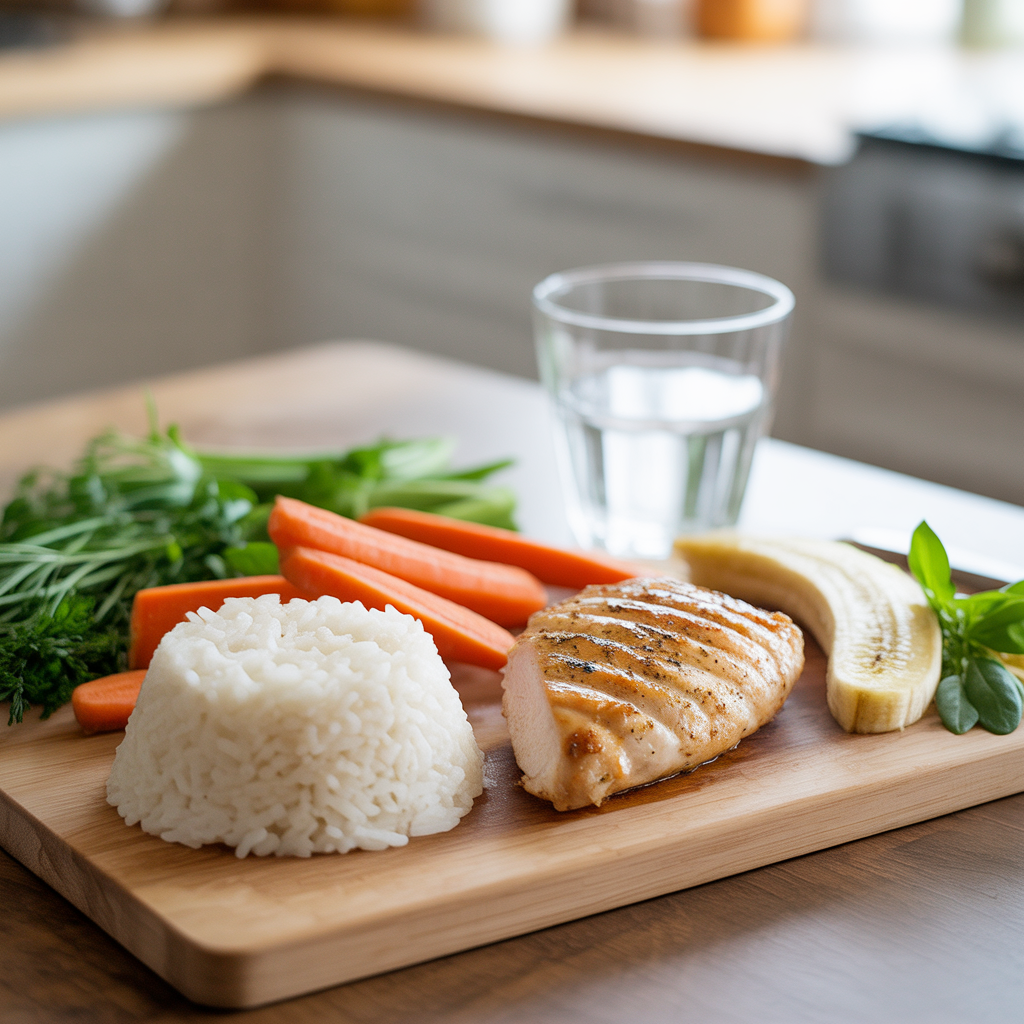
- Grilled chicken breast with steamed rice and vegetables
- Clear vegetable soup with whole grain crackers
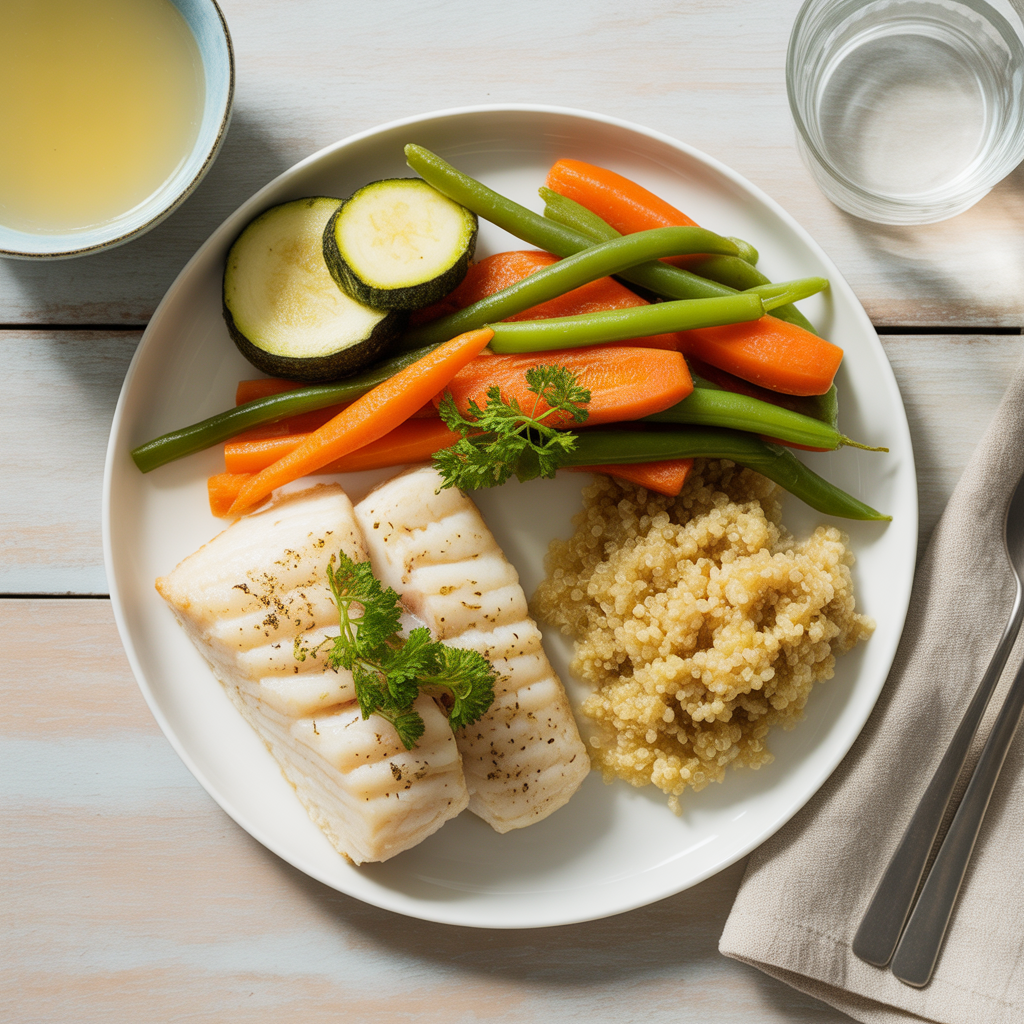
- Baked white fish with sweet potato
Dinner suggestions:
- Lean turkey with quinoa and cooked carrots
- Tofu stir-fry with minimal oil and steamed vegetables
- Baked cod with mashed potatoes (made with low-fat milk)
Managing Symptoms Through Dietary Choices
Specific symptoms of pancreatitis can be addressed through targeted dietary modifications.
Nausea and Vomiting
- Choose bland, room-temperature foods
- Try ginger tea or ginger supplements (with doctor approval)
- Eat slowly and in small portions
- Avoid strong odors and spicy foods
Abdominal Pain Management
- Identify and avoid personal trigger foods
- Stick to gentle, easily digestible options during flare-ups
- Consider liquid nutrition during severe pain episodes
Nutritional Supplements and Deficiency Prevention
Pancreatitis can lead to nutritional deficiencies due to malabsorption issues. Common deficiencies include:
- Fat-soluble vitamins: Vitamins A, D, E, and K
- B vitamins: Especially B12 and thiamine
- Minerals: Iron, zinc, and magnesium
Work with your healthcare provider to determine if supplements are necessary and to establish appropriate dosing. Never start supplements without professional guidance, as some can interact with other treatments.
Long-term Lifestyle Considerations
Managing pancreatitis through diet is often a long-term commitment that extends beyond food choices:
- Maintain a healthy weight to reduce pancreatic stress
- Establish regular eating schedules
- Learn to navigate social eating situations
- Plan ahead for travel and dining out
- Build a support network of healthcare providers
When to Seek Professional Medical Help
Certain situations require immediate medical attention or professional dietary guidance:
Emergency Warning Signs
- Severe, persistent abdominal pain
- Persistent vomiting preventing food or fluid intake
- Signs of dehydration
- Fever or signs of infection
- Significant weight loss
Healthcare Team Members
Your pancreatitis management team may include:
- Gastroenterologists for specialized pancreatic care
- Registered dietitians for personalized nutrition planning
- Primary care physicians for overall health monitoring
- Endocrinologists if diabetes develops
Frequently Asked Questions
Will I ever be able to eat normally again?
Many people with pancreatitis can achieve a relatively normal diet with proper management and time. However, some long-term dietary modifications may be necessary, especially regarding fat intake and alcohol avoidance.
How long do dietary restrictions typically last?
This varies significantly depending on whether you have acute or chronic pancreatitis. Acute cases may require temporary restrictions, while chronic pancreatitis typically requires long-term dietary modifications.
Can I dine out at restaurants?
Yes, with careful planning. Look for restaurants that offer grilled, baked, or steamed options. Don’t hesitate to ask about preparation methods and request modifications to meet your dietary needs.
Key Takeaways for Pancreatitis Diet Success
Managing pancreatitis through diet requires patience, planning, and professional guidance. The key principles include focusing on low-fat, easily digestible foods, eating small frequent meals, and avoiding known triggers like alcohol and high-fat foods.
Remember that everyone’s tolerance levels are different, and what works for one person may not work for another. It’s essential to work closely with your healthcare team to develop a personalized nutrition plan that meets your specific needs and medical situation.
If you suspect you have pancreatitis or are experiencing symptoms, consult with a healthcare professional immediately. Early intervention and proper dietary management can significantly improve outcomes and quality of life for people living with this condition.
For ongoing support, consider connecting with pancreatitis support groups and working with a registered dietitian who has experience in pancreatic disorders. With proper management and commitment to dietary modifications, many people with pancreatitis can lead healthy, fulfilling lives.