

Preparing for a colonoscopy requires careful attention to your diet in the days leading up to the procedure. Following proper pre-colonoscopy dietary guidelines is crucial for ensuring clear visualization of your colon, reducing complications, and improving diagnostic accuracy. This comprehensive guide will walk you through everything you need to know about the pre-colonoscopy diet, including what to eat, what to avoid, and how to navigate each phase of preparation successfully.
Understanding the Pre-Colonoscopy Diet Timeline
The pre-colonoscopy diet typically begins 3-7 days before your scheduled procedure and involves three distinct phases. Each phase serves a specific purpose in preparing your digestive system for optimal examination.
Phase 1: Low-Fiber Diet (3-7 Days Before)
During this initial phase, you’ll transition to a low-fiber diet to reduce the amount of undigested material in your colon. This phase typically lasts 3-5 days, depending on your healthcare provider’s specific instructions. The goal is to minimize residue while still maintaining adequate nutrition.
Phase 2: Clear Liquid Diet (24-48 Hours Before)
The clear liquid phase usually begins 24-48 hours before your procedure. During this time, you can only consume transparent liquids that leave no residue in your digestive system. This phase works in conjunction with your bowel preparation solution.
Phase 3: Complete Fasting (Day of Procedure)
Complete fasting typically begins 8-12 hours before your scheduled colonoscopy time. Your healthcare team will provide specific timing based on your appointment schedule and type of sedation planned.
Foods to Eat During Pre-Colonoscopy Diet
Understanding which foods are acceptable during each phase of preparation will help you maintain comfort while ensuring effective bowel cleansing.
Low-Fiber Foods (Early Phase)
Protein Sources
- Lean meats such as chicken, turkey, and fish (well-cooked)
- Eggs prepared in any style
- Smooth nut butters in small amounts
- Tofu and smooth protein alternatives
Grains and Starches
- White bread and refined cereals
- White rice and regular pasta
- Crackers without seeds or whole grains
- Refined flour products
Dairy Products
- Milk and plain yogurt
- Cheese varieties
- Ice cream without mix-ins
Fruits and Vegetables
- Canned fruits without skin or seeds
- Well-cooked vegetables without skin
- Potatoes without skin
- Fruit juices without pulp
Clear Liquids (Final Phase)
Approved Beverages
- Water (still or sparkling)
- Clear broths (chicken, beef, or vegetable)
- Herbal teas without milk
- Sports drinks (clear varieties only)
- Fruit juices without pulp (apple, white grape)
- Coffee or tea without milk or cream
Other Clear Items
- Plain gelatin (avoid red, purple, or blue colors)
- Popsicles (clear varieties only)
- Hard candies (clear types)
- Honey
Foods to Avoid During Pre-Colonoscopy Diet
Knowing which foods to avoid is equally important for successful preparation. These restrictions help ensure your colon is completely clear for examination.
High-Fiber Foods
- Whole grain breads, cereals, and crackers
- Brown rice and whole wheat pasta
- Raw fruits and vegetables
- Nuts, seeds, and popcorn
- Legumes and beans
- Quinoa and other whole grains
Foods with Seeds or Skins
- Berries of all types
- Grapes with seeds
- Tomatoes
- Cucumber with seeds
- Kiwi fruit
- Corn
Red and Purple Colored Items
It’s crucial to avoid anything red, purple, or blue in color during the clear liquid phase, as these can be mistaken for blood during the examination.
- Red or purple gelatin
- Cherry or grape juices
- Red sports drinks
- Colored popsicles
- Red or purple hard candies
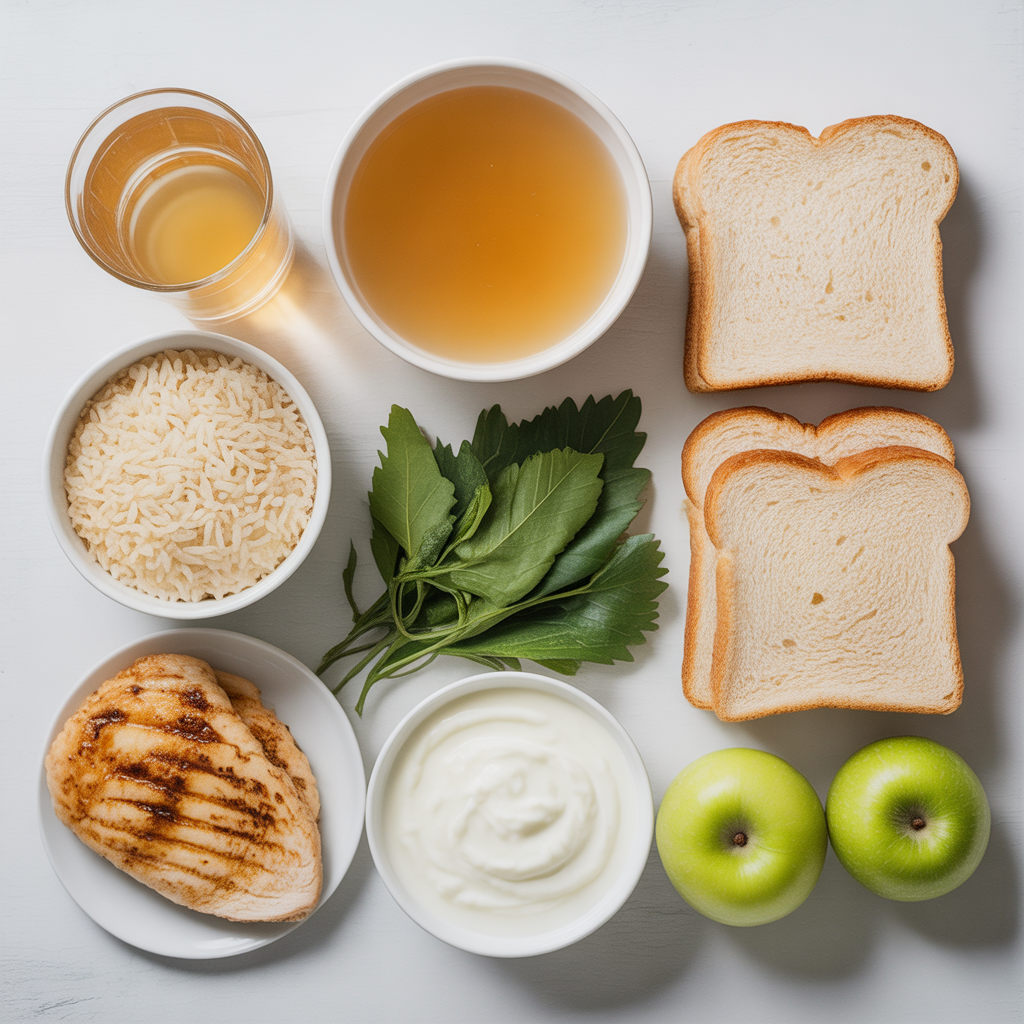
Sample Meal Plans for Pre-Colonoscopy Diet
Having structured meal plans can make the preparation process much more manageable and ensure you’re following guidelines correctly.
Three Days Before Colonoscopy
Breakfast Options
- Scrambled eggs with white toast
- Refined cereal with milk
- Plain yogurt with honey
- Pancakes made with white flour
Lunch Ideas
- Grilled chicken breast with white rice
- Turkey sandwich on white bread
- Chicken broth with crackers
- Pasta with butter or oil
Dinner Suggestions
- Baked fish with mashed potatoes (no skin)
- Chicken noodle soup (strained)
- White rice with well-cooked vegetables
- Lean meat with refined pasta
One Day Before Colonoscopy (Clear Liquids Only)
Morning
- Clear coffee or tea
- Apple juice
- Clear broth
Afternoon
- Sports drink (clear)
- Gelatin (clear colors only)
- More clear broth
Evening
- Clear popsicles
- Herbal tea
- Water with bowel preparation solution as directed
Special Dietary Considerations
Certain medical conditions and dietary preferences require modified approaches to pre-colonoscopy preparation.
For Diabetic Patients
Managing blood sugar during colonoscopy preparation requires special attention. The clear liquid phase can be particularly challenging for blood glucose control. Consider these strategies:
- Monitor blood sugar more frequently during preparation
- Choose clear liquids with some carbohydrates like sports drinks
- Discuss medication timing adjustments with your healthcare provider
- Consider a shorter preparation timeline if recommended by your doctor
For Patients with Food Allergies
- Read all preparation solution labels carefully
- Identify alternative clear liquid options that avoid your allergens
- Communicate all allergies to your healthcare team in advance
- Ask about hypoallergenic preparation solutions if needed
For Vegetarians and Vegans
- Use vegetable broth instead of meat-based broths
- Focus on plant-based proteins during the low-fiber phase
- Ensure adequate nutrition during the restricted eating period
- Consider protein supplements if recommended by your healthcare provider
Hydration and Bowel Preparation Success
Proper hydration is essential throughout the entire preparation process, not just during the bowel preparation phase.
Importance of Staying Hydrated
- Aim for at least 8-10 glasses of clear fluids daily during preparation
- Increase fluid intake during the bowel preparation phase
- Watch for signs of dehydration including dizziness, fatigue, or decreased urination
- Balance electrolytes with sports drinks during the clear liquid phase
Working with Bowel Preparation Solutions
Your healthcare provider will prescribe specific bowel preparation solutions. These typically come in different formulations, and your doctor will choose based on your individual needs and medical history.
- Follow timing instructions exactly as prescribed
- Drink the solution at the recommended temperature
- Use flavor packets or chill the solution to improve taste
- Continue drinking clear fluids between preparation doses
Common Mistakes to Avoid
Understanding common preparation errors can help ensure your colonoscopy proceeds without complications or delays.
Diet-Related Errors
- Starting dietary restrictions too late
- Consuming high-fiber foods too close to the procedure
- Eating red, purple, or blue colored foods during clear liquid phase
- Not reading food labels carefully for hidden ingredients
- Underestimating the importance of the clear liquid phase
Preparation Mistakes
- Not completing the full bowel preparation regimen
- Stopping preparation due to taste preferences
- Becoming dehydrated during preparation
- Taking restricted medications without consulting healthcare providers
Tips for Successful Pre-Colonoscopy Diet
Meal Planning Strategies
- Plan and shop for approved foods in advance
- Prepare meals ahead of time when possible
- Create a detailed daily schedule for eating and preparation
- Have backup meal options readily available
Managing Hunger and Discomfort
- Understand that some hunger is normal and temporary
- Stay occupied with light activities during preparation
- Focus on the health benefits of the procedure
- Seek support from family members or friends
When to Contact Your Healthcare Provider
Certain symptoms during preparation warrant immediate medical attention:
Concerning Symptoms
- Severe or persistent nausea and vomiting
- Signs of dehydration (dizziness, rapid heartbeat, decreased urination)
- Severe abdominal pain or cramping
- Inability to keep fluids down
- Chest pain or difficulty breathing
Questions About Preparation
Don’t hesitate to contact your healthcare team if you have questions about:
- Specific food restrictions
- Medication timing
- Preparation solution tolerance
- Special dietary needs or concerns
After Your Colonoscopy
Resuming Normal Diet
- Start with light, easily digestible foods
- Gradually reintroduce regular foods over 24-48 hours
- Stay hydrated as your digestive system recovers
- Avoid alcohol for at least 24 hours if sedation was used
Long-term Colon Health
- Maintain a high-fiber diet for ongoing colon health
- Stay physically active
- Follow recommended screening schedules
- Discuss family history and risk factors with your healthcare provider
Frequently Asked Questions
How many days before colonoscopy should I start the diet?
Most healthcare providers recommend starting dietary modifications 3-5 days before your procedure, with clear liquids beginning 24-48 hours prior. Your specific timeline may vary based on your individual situation.
Can I drink coffee during the clear liquid phase?
Yes, you can drink black coffee or tea without milk, cream, or non-dairy creamers during the clear liquid phase. Avoid adding any solid or colored substances.
What happens if I accidentally eat something I shouldn’t?
Contact your healthcare provider immediately if you consume restricted foods, especially during the clear liquid phase. Depending on what and when you ate, your procedure may need to be rescheduled.
Are there alternatives if I can’t tolerate the bowel preparation?
If you’re having difficulty with your prescribed preparation, contact your healthcare provider before stopping. They may be able to suggest modifications or alternative preparation methods.
Can I take my regular medications during preparation?
Medication management during colonoscopy preparation varies by individual. Discuss all medications, supplements, and vitamins with your healthcare provider well before your procedure date.
What if I have diabetes and need to eat regularly?
Diabetic patients require special consideration during colonoscopy preparation. Work closely with both your colonoscopy team and diabetes care provider to develop a safe preparation plan that manages your blood sugar effectively.
Conclusion
Successfully following a pre-colonoscopy diet requires planning, commitment, and attention to detail. By understanding the timeline, knowing which foods to eat and avoid, and following your healthcare provider’s specific instructions, you can ensure optimal preparation for your procedure. Remember that this temporary dietary restriction serves an important purpose in maintaining your digestive health and enabling accurate screening results.
The key to successful preparation lies in starting early, staying hydrated, and communicating with your healthcare team about any concerns or difficulties you encounter. While the preparation process may seem challenging, remember that it’s a crucial step in preventive healthcare that can potentially save your life through early detection and treatment of colon abnormalities.
Always consult with your healthcare provider for personalized guidance based on your individual medical history, current medications, and specific health needs. They can provide tailored recommendations to ensure your colonoscopy preparation is both safe and effective.