

Diarrhea is a common digestive condition that affects millions of people worldwide. Understanding the various symptoms associated with diarrhea can help you better recognize when this condition occurs and determine when it might be appropriate to consult with a healthcare professional. This comprehensive guide explores the most frequently reported symptoms that accompany diarrhea episodes.
1. Loose or Watery Stools
The most characteristic symptom of diarrhea is the presence of loose, watery, or liquid bowel movements. Unlike normal formed stools, diarrheal stools typically have a consistency that ranges from soft and mushy to completely liquid. This change in stool consistency occurs when the intestines don’t absorb enough water from the digestive contents, or when excess fluid is secreted into the intestinal tract.
The frequency and severity of loose stools can vary significantly from person to person and may depend on the underlying cause. Some individuals may experience mildly loose stools, while others may have completely watery bowel movements that occur multiple times throughout the day.
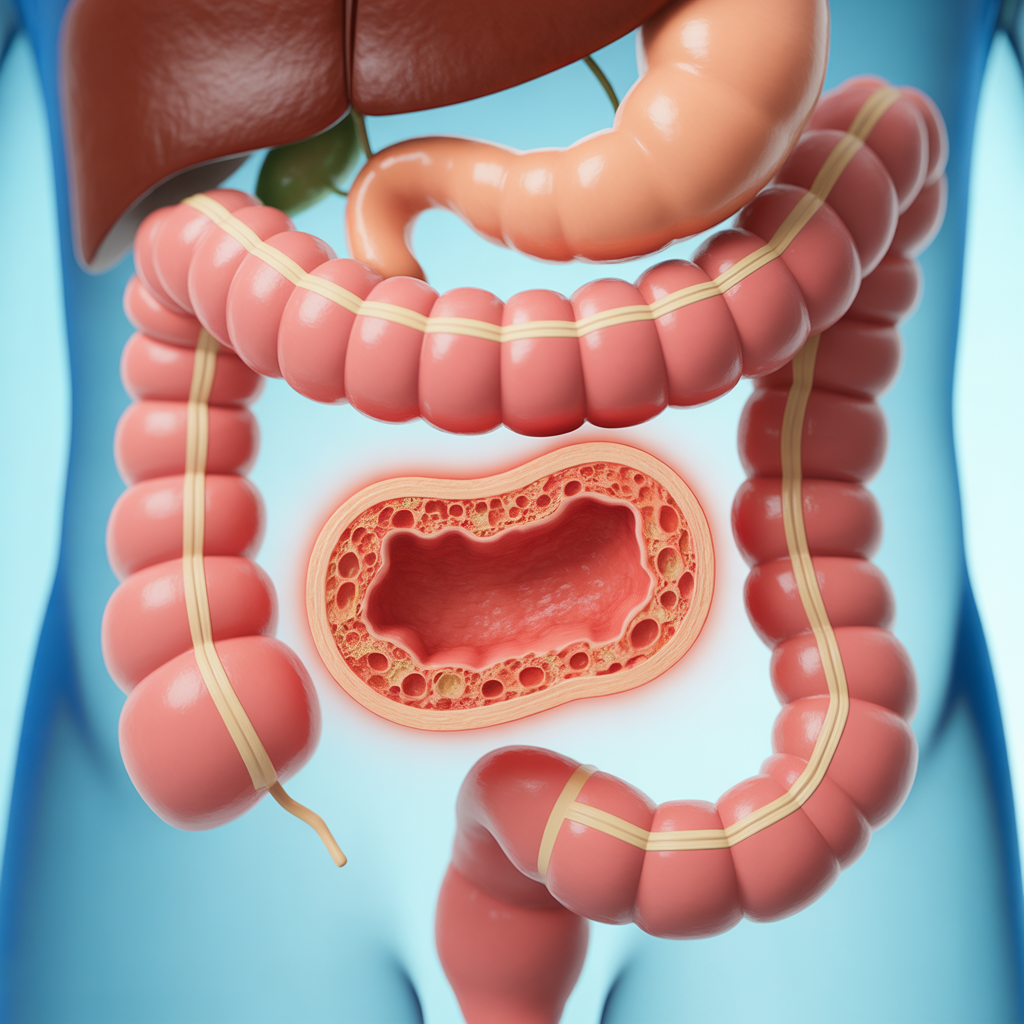
2. Increased Frequency of Bowel Movements
People experiencing diarrhea typically notice a significant increase in how often they need to have bowel movements. While normal bowel movement frequency varies among individuals, diarrhea is generally characterized by having three or more loose stools within a 24-hour period.
This increased frequency can be particularly disruptive to daily activities and may vary throughout the day. Some people may experience episodes that come in waves, while others might have a more constant need for frequent bathroom visits. The urgency associated with these frequent bowel movements often adds to the overall discomfort of the condition.
3. Abdominal Cramping and Pain
Cramping sensations in the abdomen are commonly reported by individuals experiencing diarrhea. These cramps can range from mild discomfort to severe pain and may occur in waves, often intensifying before a bowel movement and subsiding afterward.
The cramping typically results from increased intestinal contractions as the digestive system attempts to move contents through the intestines more rapidly than usual. The location of the cramping can vary, but it’s often felt in the lower abdomen or around the navel area. Some people describe the sensation as sharp, stabbing pains, while others experience it as a dull, continuous ache.
4. Nausea and Vomiting
Many individuals with diarrhea also experience nausea, which is the uncomfortable sensation of feeling like you might vomit. This symptom can occur alongside or independently of actual vomiting episodes. The nausea associated with diarrhea may be persistent or come in waves, often correlating with the intensity of other digestive symptoms.
When vomiting does occur alongside diarrhea, it can contribute to faster fluid loss and increase the risk of dehydration. The combination of these symptoms is particularly concerning because it affects the body’s ability to retain fluids and nutrients from both ends of the digestive system.
5. Fever and Chills
A fever, defined as a body temperature above 100.4°F (38°C), can accompany diarrhea episodes, particularly when the condition is caused by an infection. The fever may be mild to moderate and can fluctuate throughout the day. Chills often accompany fever, causing individuals to feel cold despite having an elevated body temperature.
The presence of fever alongside diarrhea symptoms may indicate that the body is fighting an infection, whether bacterial, viral, or parasitic. However, not all cases of diarrhea are accompanied by fever, and the absence of fever doesn’t necessarily indicate a less serious condition.
6. Signs of Dehydration
Dehydration is a serious concern with diarrhea because the body loses significant amounts of fluid and electrolytes through frequent, loose stools. Early signs of dehydration include increased thirst, dry mouth, and reduced urination. As dehydration progresses, individuals may experience dizziness, lightheadedness, fatigue, and dark-colored urine.
More severe dehydration symptoms can include:
- Rapid heartbeat
- Low blood pressure
- Sunken eyes
- Decreased skin elasticity
- Confusion or irritability
Dehydration can develop quickly, especially in children, elderly individuals, and those with compromised immune systems, making it important to monitor fluid intake during diarrheal episodes.
7. Urgency and Inability to Control Bowel Movements
The sudden, intense urge to have a bowel movement, known as fecal urgency, is a common and often distressing symptom of diarrhea. This urgency can be so severe that individuals may have difficulty reaching a bathroom in time, potentially leading to incontinence episodes.
The loss of normal bowel control occurs because the intestines are working more rapidly than usual, reducing the time available for the body to recognize and respond to the need for a bowel movement. This symptom can be particularly challenging in social or work situations and may cause significant anxiety for those experiencing it.
8. Bloating and Gas
Intestinal gas and bloating frequently accompany diarrhea symptoms. The bloating sensation occurs when gas accumulates in the digestive tract, creating feelings of fullness, pressure, or swelling in the abdomen. This can make the abdomen appear visibly distended and may contribute to overall discomfort.
Excessive gas production during diarrheal episodes can result from various factors, including changes in the gut bacteria, rapid fermentation of undigested food, or swallowing air due to rapid eating or drinking. The combination of bloating and frequent bowel movements can create a cycle of discomfort that affects daily activities and overall well-being.

Understanding these common diarrhea symptoms can help you better recognize when you’re experiencing this condition and assess its severity. While occasional, mild diarrhea often resolves on its own, certain symptoms warrant medical attention. It’s important to consult with a healthcare provider if you experience severe dehydration, high fever, blood in stools, severe abdominal pain, or if symptoms persist for more than a few days.
Remember that this information is for educational purposes only and should not replace professional medical advice. If you’re concerned about your symptoms or if they significantly impact your daily life, don’t hesitate to reach out to a qualified healthcare professional for proper evaluation and guidance.