

Bronchiectasis is a chronic respiratory condition that affects the airways in your lungs, causing them to become abnormally widened and thickened. Understanding the common symptoms associated with this condition can help you recognize when it’s time to consult with a healthcare professional. While symptoms can vary from person to person, there are several key signs that are frequently reported by individuals with bronchiectasis.
1. Persistent Productive Cough
One of the most characteristic symptoms of bronchiectasis is a chronic cough that produces sputum. This cough typically persists for weeks or months and is often worse in the morning. The sputum may vary in color and consistency, ranging from clear to yellow, green, or even containing traces of blood. Unlike a typical cold or flu cough that resolves within a few weeks, this productive cough tends to be ongoing and may worsen during flare-ups.
The cough occurs because the damaged airways struggle to clear mucus effectively, leading to accumulation of secretions that the body attempts to expel through coughing. Many people with bronchiectasis report that their cough interferes with daily activities and sleep patterns.
2. Shortness of Breath (Dyspnea)
Breathing difficulties are another common symptom experienced by individuals with bronchiectasis. This shortness of breath, medically known as dyspnea, may occur during physical activity or even at rest in more advanced cases. The sensation can range from mild breathlessness during exertion to severe difficulty breathing that limits daily activities.
The breathing problems stem from the airways’ reduced ability to move air efficiently due to their structural changes. Some people describe feeling like they can’t get enough air or that their breathing requires more effort than usual. This symptom often worsens during respiratory infections or flare-ups of the condition.
3. Chest Pain and Tightness
Many individuals with bronchiectasis experience varying degrees of chest discomfort. This can manifest as:
- Sharp, stabbing pains in the chest
- A feeling of tightness or pressure
- Dull, aching sensations
- Pain that worsens with deep breathing or coughing
The chest pain may be localized to specific areas where the bronchiectasis is most severe, or it may be more generalized across the chest. This discomfort can be particularly noticeable during coughing episodes or when taking deep breaths.
4. Recurrent Respiratory Infections
People with bronchiectasis are more susceptible to frequent respiratory infections, including bronchitis and pneumonia. These infections may occur several times per year and can be more severe or last longer than typical respiratory illnesses. The damaged airways provide an environment where bacteria and other pathogens can more easily establish and multiply.
Common signs of respiratory infections in bronchiectasis include increased sputum production, changes in sputum color or consistency, worsening cough, fever, and increased fatigue. These infections often require prompt medical attention and may need antibiotic treatment.
5. Fatigue and Reduced Exercise Tolerance
Chronic fatigue is a frequently reported symptom that can significantly impact quality of life. This exhaustion may result from several factors related to bronchiectasis:
- Increased energy expenditure from labored breathing
- Poor sleep quality due to nighttime coughing
- Reduced oxygen levels in the blood
- The body’s ongoing effort to fight recurrent infections
Many individuals notice a decrease in their ability to perform physical activities they once enjoyed, as their stamina and endurance become limited by their breathing difficulties and overall fatigue.

6. Wheezing and Crackling Sounds
Abnormal breathing sounds are common in bronchiectasis and may be audible to both the individual and others nearby. These sounds can include:
- Wheezing: A high-pitched whistling sound during breathing
- Crackling or rattling: Moist sounds that may indicate fluid in the airways
- Rhonchi: Low-pitched, continuous sounds
These sounds occur due to airflow obstruction and the presence of secretions in the damaged airways. They may be more pronounced during certain activities or positions and can sometimes be relieved temporarily by coughing.
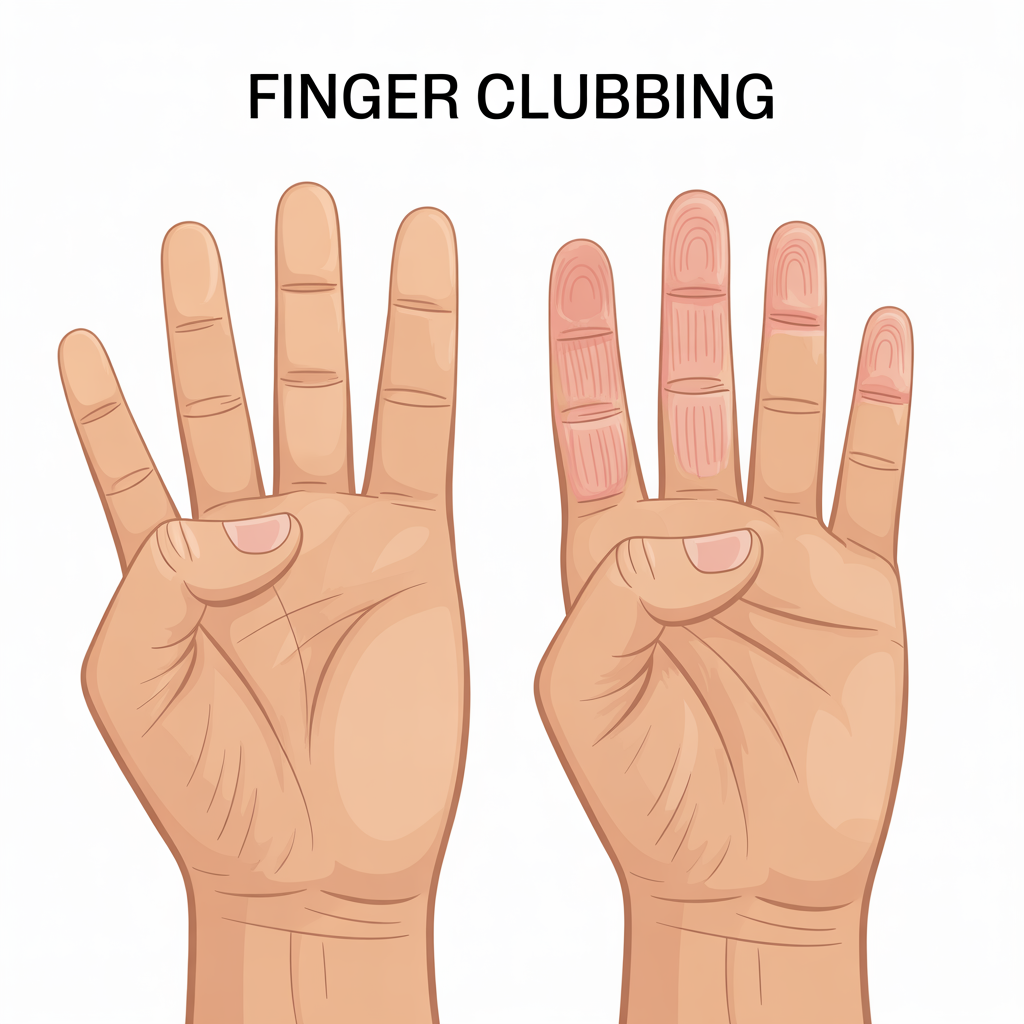
7. Changes in Nail and Finger Appearance
In some cases of advanced bronchiectasis, individuals may develop a condition called clubbing, where the fingers and toes become enlarged and the nails curve around the fingertips. This change occurs gradually over time and is related to chronic low oxygen levels in the blood.
Clubbing appears as:
- Enlarged, rounded fingertips
- Nails that curve downward around the fingertips
- A spongy feeling when the nail base is pressed
- Possible similar changes in the toes
While not everyone with bronchiectasis develops clubbing, its presence often indicates more severe or long-standing disease.
8. Unintentional Weight Loss
Some individuals with bronchiectasis may experience gradual, unintentional weight loss. This can occur due to several factors related to the condition:
- Increased caloric expenditure from the extra work of breathing
- Reduced appetite during infections or flare-ups
- Fatigue that makes meal preparation and eating more difficult
- Chronic inflammation that affects metabolism
Weight loss may be more noticeable during periods when symptoms are more severe or when infections are frequent. Maintaining adequate nutrition is important for overall health and immune function.
Conclusion
Recognizing these common bronchiectasis symptoms is important for understanding when to seek medical evaluation. While this information can help you become more aware of potential signs, it’s essential to remember that symptoms can vary significantly between individuals, and many of these signs can also be associated with other respiratory conditions.
If you’re experiencing persistent respiratory symptoms, particularly a chronic productive cough, recurring infections, or breathing difficulties, it’s important to consult with a healthcare provider for proper evaluation and diagnosis. Early identification and appropriate management of bronchiectasis can help improve quality of life and may slow the progression of the condition.
Remember that this information is for educational purposes only and should not replace professional medical advice. A healthcare provider can perform the necessary tests and examinations to determine if your symptoms are related to bronchiectasis or another condition, and can develop an appropriate treatment plan if needed.