

Neutrophils are a type of white blood cell that plays a crucial role in your immune system’s defense against infections. When neutrophil levels become elevated, a condition known as neutrophilia, your body may exhibit various symptoms that signal an underlying health concern. Understanding these high neutrophils symptoms can help you recognize when it’s time to consult with your healthcare provider for proper evaluation and guidance.
1. Persistent Fever and Chills
One of the most common high neutrophils symptoms is experiencing persistent fever, often accompanied by chills. This occurs because neutrophils are actively fighting infection or inflammation in your body. The fever typically ranges from mild to moderate temperatures, and you may notice it doesn’t respond well to over-the-counter fever reducers.
When neutrophil levels are elevated due to bacterial infections, the fever pattern may be different from viral infections. You might experience:
- Temperature spikes that come and go throughout the day
- Night sweats that soak through clothing or bedding
- Shivering episodes even when not feeling cold
- General feelings of being unwell or run-down
If you’re experiencing persistent fever lasting more than a few days, it’s important to consult your healthcare provider for proper evaluation and testing.

2. Unusual Fatigue and Weakness
Elevated neutrophil levels often coincide with overwhelming fatigue that doesn’t improve with rest. This symptom occurs because your immune system is working overtime, directing significant energy toward fighting whatever is causing the neutrophil elevation.
This type of fatigue associated with high neutrophils typically presents as:
- Exhaustion that persists despite adequate sleep
- Difficulty concentrating or thinking clearly
- Feeling drained after minimal physical activity
- Muscle weakness or heaviness in limbs
Unlike normal tiredness from a busy day, this fatigue tends to be more profound and doesn’t resolve with typical rest periods. Many people describe it as feeling like their energy has been completely depleted.
3. Respiratory Symptoms
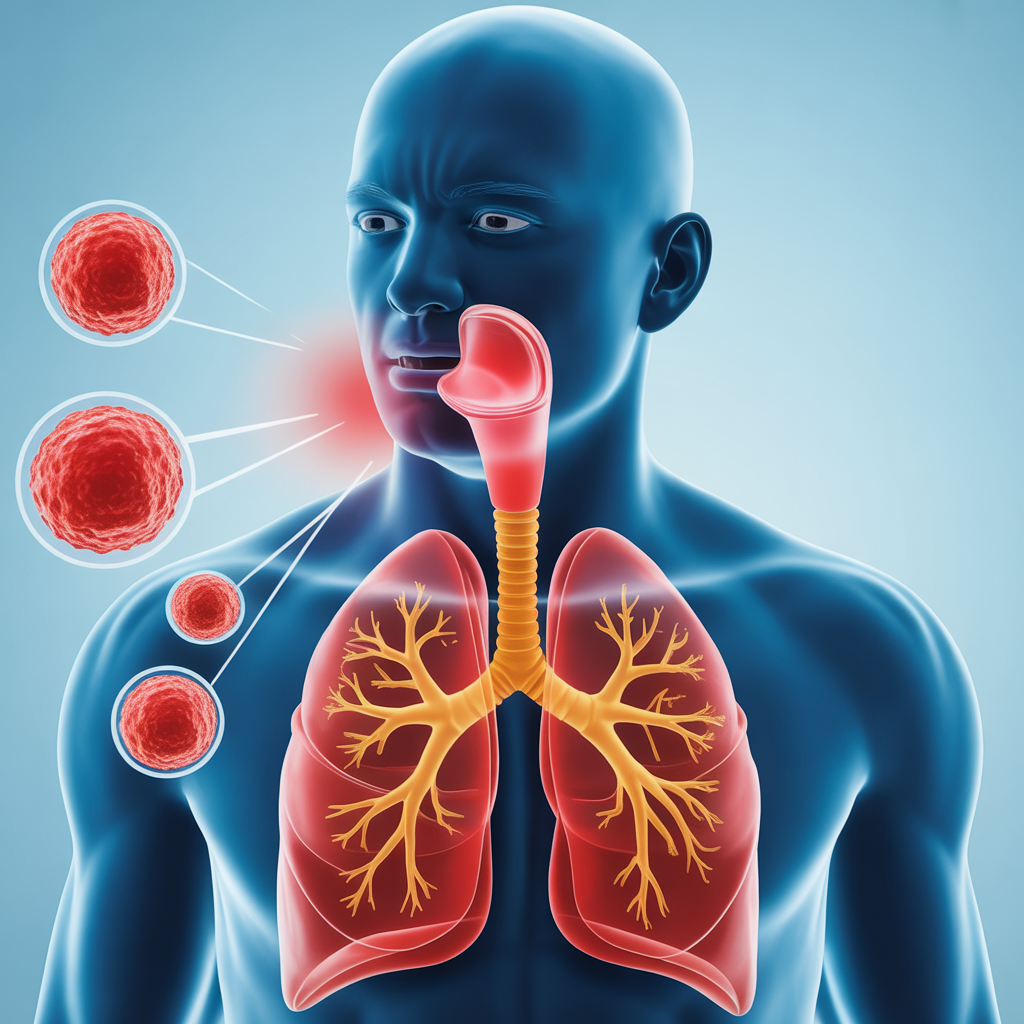
High neutrophil levels frequently manifest through various respiratory symptoms, particularly when the underlying cause involves lung or respiratory tract issues. These symptoms can range from mild to severe and may include both upper and lower respiratory tract signs.
Common respiratory manifestations include:
- Persistent cough: May be dry or productive, often worsening at night
- Shortness of breath: Difficulty breathing during normal activities or at rest
- Chest tightness: Feeling of pressure or constriction in the chest area
- Sputum production: Coughing up phlegm that may be discolored
- Sore throat: Persistent throat irritation or pain
These respiratory symptoms may worsen gradually over time and can significantly impact your daily activities and sleep quality.
4. Skin Changes and Abnormalities
Your skin can provide valuable clues about elevated neutrophil levels. Various skin changes may occur as neutrophils accumulate in tissues or as a response to underlying infections or inflammatory conditions.
Skin-related symptoms of high neutrophils may include:
- Redness and warmth: Areas of skin that appear flushed or feel warm to touch
- Swelling: Localized puffiness or generalized tissue swelling
- Rash development: New skin eruptions or changes in existing skin conditions
- Delayed wound healing: Cuts or injuries that take longer than usual to heal
- Skin tenderness: Unusual sensitivity or pain when touching certain areas
These skin changes often accompany other symptoms and may provide important diagnostic clues for healthcare providers.
5. Gastrointestinal Disturbances
Digestive system symptoms can occur when neutrophil levels are elevated, particularly if the underlying cause involves gastrointestinal infection or inflammation. These symptoms can significantly impact your comfort and nutritional status.
Common gastrointestinal symptoms include:
- Nausea and vomiting: Feeling queasy or actually vomiting, especially during acute episodes
- Abdominal pain: Cramping or constant discomfort in the stomach area
- Diarrhea: Loose or watery stools that may be frequent
- Loss of appetite: Decreased interest in food or feeling full quickly
- Bloating: Feeling of fullness or distension in the abdomen
These gastrointestinal symptoms may come and go in waves and can lead to dehydration if severe, making medical evaluation important.
6. Neurological Symptoms
In some cases, high neutrophil levels can be associated with neurological symptoms, particularly when the underlying condition affects the nervous system or when inflammation impacts brain function.
Neurological manifestations may include:
- Headaches: Persistent or severe headaches that may worsen over time
- Confusion: Difficulty thinking clearly or making decisions
- Dizziness: Feeling lightheaded or unsteady
- Memory problems: Difficulty remembering recent events or information
- Mood changes: Unusual irritability, anxiety, or depression
These neurological symptoms can be particularly concerning and warrant prompt medical attention, especially if they develop suddenly or worsen rapidly.
7. Joint and Muscle Symptoms
Elevated neutrophil levels often coincide with musculoskeletal symptoms, as these immune cells can infiltrate tissues and contribute to inflammation in joints and muscles throughout the body.
Common joint and muscle-related symptoms include:
- Joint pain: Aching or stiffness in multiple joints, particularly in the morning
- Muscle aches: Generalized soreness similar to what you might experience with flu
- Swollen joints: Visible puffiness or enlargement of joint areas
- Stiffness: Difficulty moving joints normally, especially after periods of inactivity
- Reduced range of motion: Inability to move joints through their full range
These symptoms can significantly impact your mobility and quality of life, making daily activities more challenging and uncomfortable.
Conclusion
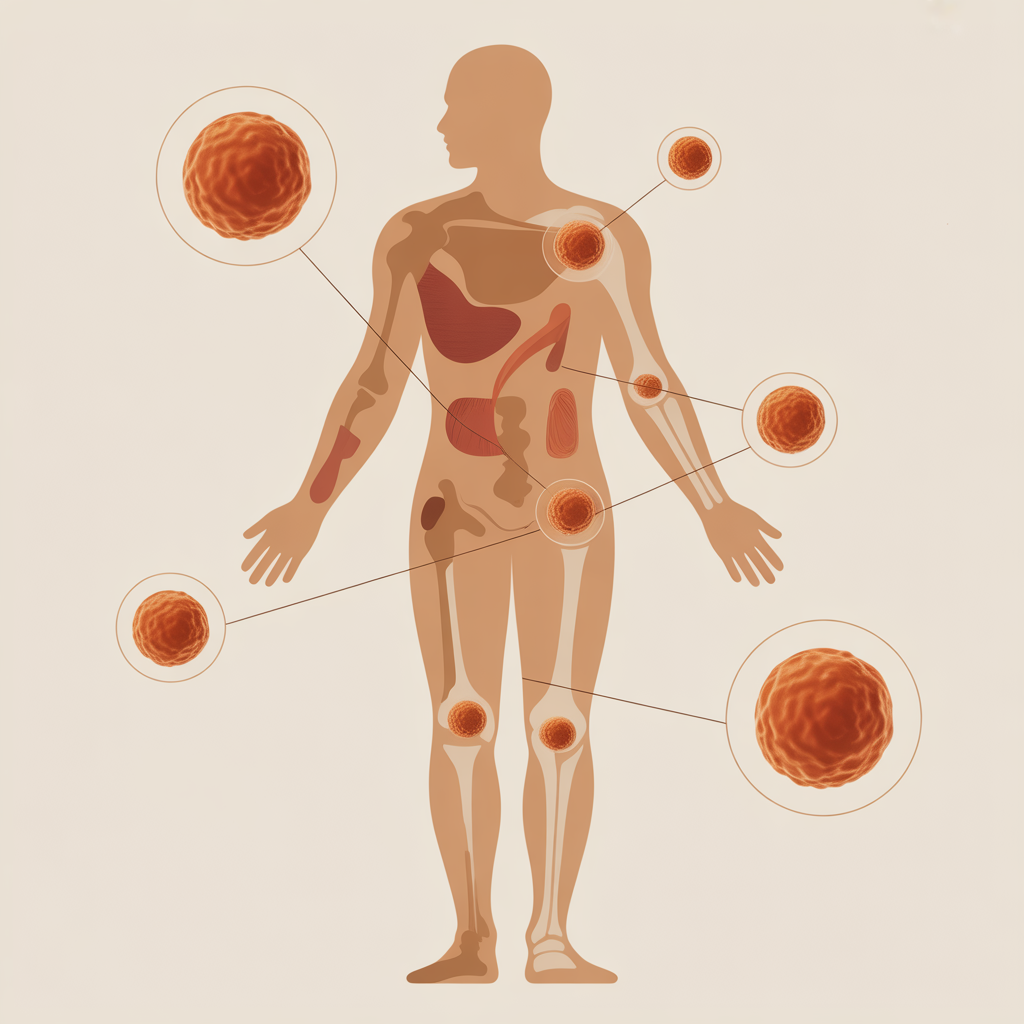
High neutrophil levels can manifest through various symptoms affecting multiple body systems. While these symptoms can provide important clues about your health status, it’s crucial to remember that they are not diagnostic on their own. Many of these symptoms can overlap with other conditions, and only proper medical evaluation including blood tests can determine if elevated neutrophils are the underlying cause.
If you’re experiencing any combination of these symptoms, especially if they persist or worsen over time, it’s important to consult with your healthcare provider. They can perform appropriate tests, including a complete blood count (CBC) with differential, to measure your neutrophil levels and determine if further investigation is needed.
Remember that early detection and appropriate treatment of underlying conditions causing elevated neutrophils can lead to better outcomes. Don’t hesitate to seek medical attention if you have concerns about your symptoms or overall health.