

Amyloidosis is a rare condition where abnormal proteins called amyloids build up in organs and tissues throughout the body. This protein accumulation can affect various organs including the heart, kidneys, liver, and nervous system, leading to a wide range of symptoms. Understanding the potential signs of amyloidosis is important for early detection, though only healthcare professionals can provide proper diagnosis. The symptoms can vary significantly depending on which organs are affected and the type of amyloidosis present.
1. Unexplained Fatigue and Weakness
Persistent fatigue and weakness are among the most common early symptoms reported by individuals with amyloidosis. This isn’t the typical tiredness you might feel after a long day, but rather a profound exhaustion that doesn’t improve with rest. The fatigue occurs because amyloid protein deposits can interfere with normal organ function, particularly affecting the heart’s ability to pump blood efficiently.
This type of fatigue may be accompanied by a general feeling of weakness in the muscles and limbs. People often describe feeling like they’re moving through thick liquid or that simple tasks require enormous effort. The weakness can be particularly noticeable when climbing stairs, lifting objects, or performing routine activities that were previously easy to manage.

2. Shortness of Breath
Breathing difficulties, medically known as dyspnea, can develop when amyloid proteins accumulate in the heart muscle or lungs. This symptom often begins subtly, with people noticing they become winded more easily during physical activities they could previously perform without difficulty. The shortness of breath may initially occur only during exertion but can progress to affect daily activities and even rest.
In cases where the heart is affected, the amyloid deposits can make the heart walls thicker and stiffer, reducing the heart’s ability to fill with blood properly. This leads to fluid backup in the lungs, causing breathing difficulties. Some individuals may also experience shortness of breath when lying flat, requiring them to sleep propped up on multiple pillows.
3. Swelling in the Legs, Ankles, and Feet
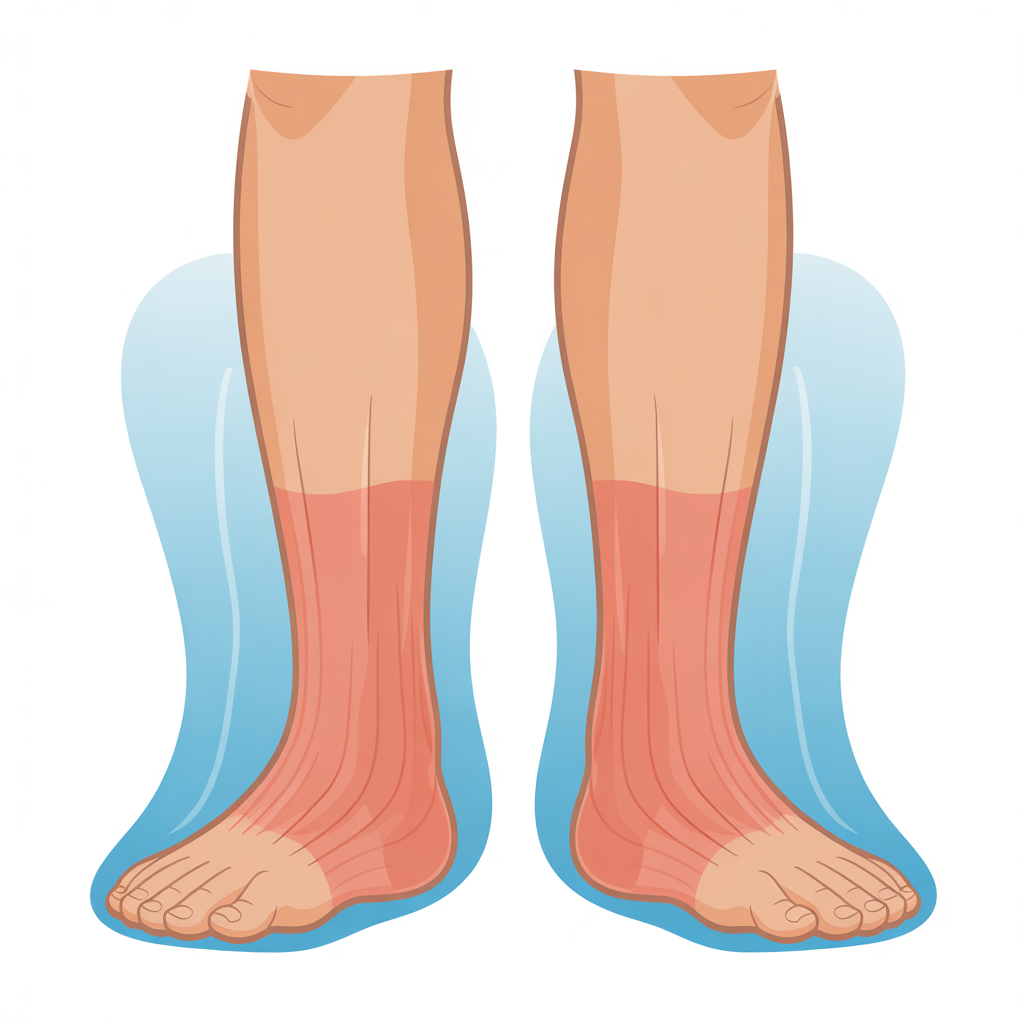
Peripheral edema, or swelling in the extremities, is a significant symptom that can indicate cardiac involvement in amyloidosis. This swelling typically begins in the ankles and feet, often being more noticeable at the end of the day. The swelling occurs because the heart may not be pumping effectively, causing fluid to accumulate in the body’s tissues.
The swelling associated with amyloidosis is usually bilateral, affecting both legs equally. It may leave indentations when pressed (called pitting edema) and can gradually worsen over time. In advanced cases, the swelling may extend up the legs to the thighs and can also affect the hands, arms, and abdominal area. This symptom often prompts individuals to seek medical attention as it can significantly impact mobility and comfort.
4. Heart Rhythm Abnormalities
Irregular heartbeats or palpitations can occur when amyloid proteins infiltrate the heart’s electrical conduction system. These rhythm disturbances can range from occasional skipped beats to more serious arrhythmias. People may experience sensations of their heart racing, fluttering, or beating irregularly, which can be particularly noticeable during rest or quiet moments.
Some individuals report feeling like their heart is “jumping” in their chest or experiencing sudden awareness of their heartbeat. These symptoms can be intermittent or persistent and may be accompanied by dizziness, lightheadedness, or chest discomfort. Heart rhythm abnormalities in amyloidosis can sometimes be the first sign that leads to medical evaluation and subsequent diagnosis.
5. Kidney Problems and Changes in Urination
When amyloid proteins deposit in the kidneys, it can lead to various urinary symptoms and kidney dysfunction. One of the earliest signs may be proteinuria, where excess protein appears in the urine, often making it appear foamy or frothy. This occurs because the damaged kidney filters allow protein to leak through when they should normally retain it in the bloodstream.
Other kidney-related symptoms may include changes in urination frequency, difficulty concentrating urine, and gradual fluid retention throughout the body. Some people may notice they’re urinating more frequently, especially at night, or that their urine output has decreased. As kidney function declines, waste products can build up in the blood, potentially causing nausea, loss of appetite, and a metallic taste in the mouth.
6. Digestive System Issues
Gastrointestinal symptoms are common when amyloid proteins affect the digestive system. These can include chronic diarrhea, constipation, nausea, vomiting, and abdominal pain. The diarrhea associated with amyloidosis is often persistent and may not respond well to typical treatments. It can be particularly troublesome, sometimes occurring multiple times daily and potentially leading to dehydration and electrolyte imbalances.
Some individuals experience alternating periods of diarrhea and constipation, along with feelings of abdominal fullness or bloating. Loss of appetite and unintended weight loss are also common, as the digestive system’s ability to properly absorb nutrients may be compromised. These symptoms can significantly impact quality of life and nutritional status, making it important to discuss persistent digestive issues with healthcare providers.
7. Numbness and Tingling in Hands and Feet
Peripheral neuropathy, characterized by numbness, tingling, or burning sensations in the hands and feet, can occur when amyloid proteins affect the peripheral nervous system. These sensations typically start in the toes and fingers and may gradually progress toward the center of the body. The numbness often begins as a mild tingling or “pins and needles” feeling that may initially come and go.
As the condition progresses, the numbness may become more constant and can be accompanied by weakness in the affected areas. Some people describe the sensation as wearing invisible gloves or socks, with decreased ability to feel temperature, texture, or pain in the affected areas. This can impact fine motor skills, making tasks like buttoning clothes, writing, or picking up small objects more difficult.
8. Skin Changes and Easy Bruising
Various skin manifestations can occur with amyloidosis, including easy bruising, particularly around the eyes and in skin folds. These bruises, called “pinch purpura,” can appear spontaneously or with minimal trauma and may take on a distinctive appearance. The skin around the eyes may develop a characteristic bruising pattern that some describe as “raccoon eyes,” though this can occur without any injury to the area.
Other skin changes may include thickening of the skin, waxy-appearing deposits, or the development of small, raised bumps. The skin may become more fragile and prone to tearing with minor trauma. Some individuals notice that their skin takes on a yellowish or orange tint, particularly on the eyelids and in natural skin creases. These skin changes can be among the more visible signs of amyloidosis and often prompt medical consultation.
9. Voice Changes and Tongue Enlargement
When amyloid proteins deposit in the tissues of the throat, tongue, or vocal cords, it can lead to noticeable changes in speech and voice quality. The voice may become hoarse, deeper, or have a different quality than usual. Some people report that their voice sounds muffled or that they have difficulty projecting their voice as they once could.
Tongue enlargement, known as macroglossia, is a distinctive feature that can occur in certain types of amyloidosis. The enlarged tongue may develop indentations along the edges from pressing against the teeth, and it can affect speech, swallowing, and eating. Some individuals notice difficulty fitting their tongue comfortably in their mouth or changes in their ability to articulate certain sounds clearly.

10. Joint Pain and Stiffness
Musculoskeletal symptoms, including joint pain, stiffness, and swelling, can develop when amyloid proteins affect the joints and surrounding tissues. This joint involvement often resembles arthritis, with morning stiffness being particularly common. The pain and stiffness may be most noticeable after periods of inactivity and may improve somewhat with gentle movement.
The joint symptoms in amyloidosis can affect multiple joints simultaneously and may be accompanied by muscle weakness or tenderness. Some individuals experience carpal tunnel syndrome, which causes numbness, tingling, and pain in the hands and wrists. The combination of joint stiffness and muscle weakness can significantly impact mobility and the ability to perform daily activities comfortably.
Conclusion
Recognizing the potential symptoms of amyloidosis is important, as early detection and appropriate medical care can help manage the condition more effectively. However, it’s crucial to understand that these symptoms can also be associated with many other medical conditions, and only qualified healthcare professionals can provide proper evaluation and diagnosis.
If you’re experiencing several of these symptoms, particularly if they’re persistent or progressively worsening, it’s important to consult with your healthcare provider. They can perform appropriate tests and evaluations to determine the underlying cause of your symptoms. Remember that amyloidosis is a complex condition that requires specialized medical expertise for proper diagnosis and management. Early medical attention for concerning symptoms is always advisable, as prompt evaluation can lead to better health outcomes regardless of the underlying cause.