

Yoni steaming, also known as vaginal steaming or V-steaming, is an ancient wellness practice that has gained renewed attention in modern times. This traditional therapy involves sitting over a pot of steaming water infused with herbs, allowing the steam to reach the vaginal area. While rooted in centuries-old cultural traditions from Korea, Africa, and Central America, yoni steaming has become increasingly popular among women seeking alternative wellness approaches. This comprehensive guide explores everything you need to know about yoni steaming, including its traditional uses, claimed benefits, safety considerations, and what medical experts have to say about this practice.
What is Yoni Steaming?
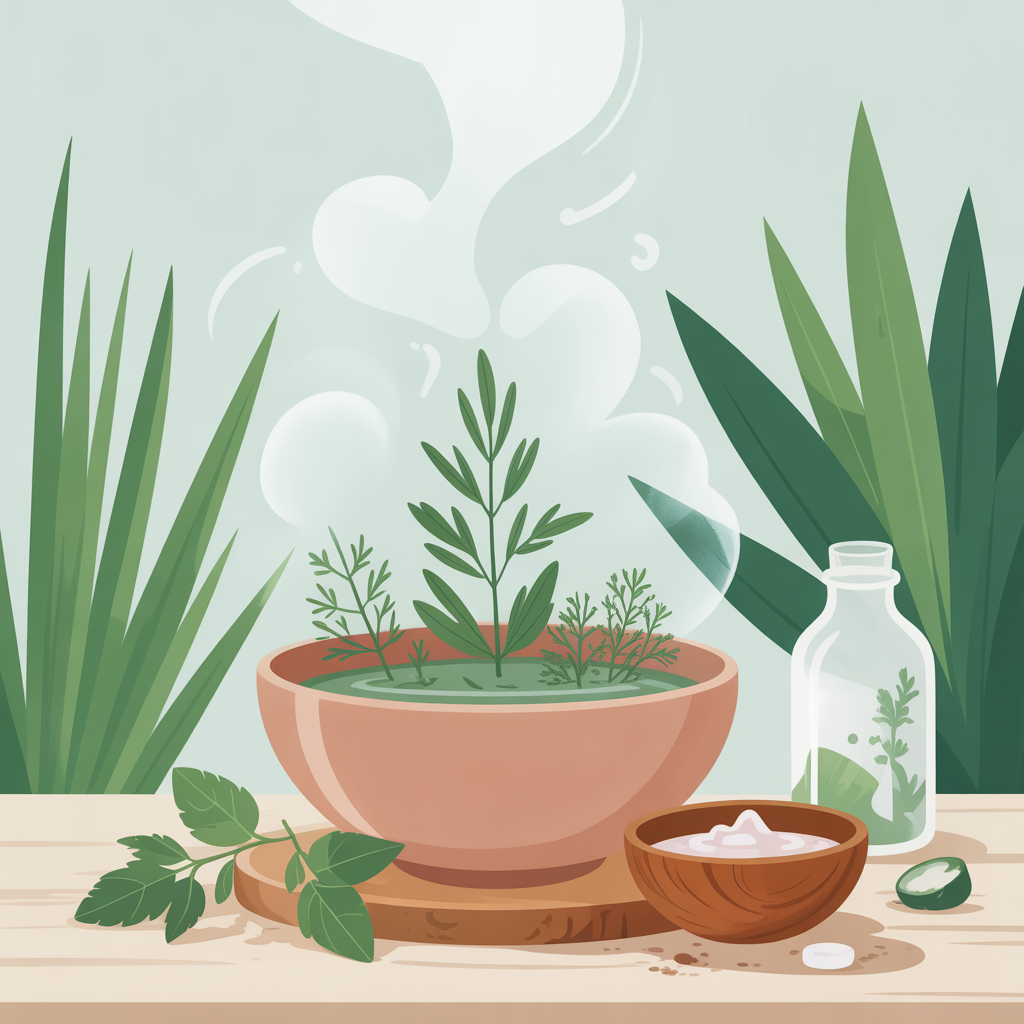
Yoni steaming, derived from the Sanskrit word “yoni” meaning sacred space or womb, is a practice where a woman sits over a container of hot water infused with medicinal herbs. The steam from this herbal mixture is directed toward the external genital area. Also known by various names including chai-yok in Korean culture, bajo in Central America, and simply vaginal steaming in Western contexts, this practice has been used for generations across different cultures.
The basic concept involves creating a controlled steam environment that practitioners believe can provide various wellness benefits. The practice typically takes place in a private, comfortable setting where the individual can relax while the herbal steam gently rises upward.
Historical Context and Cultural Traditions
Yoni steaming has deep historical roots spanning multiple continents and cultures. In Korean tradition, chai-yok has been practiced for over 700 years, particularly as part of postpartum recovery rituals. Korean women traditionally used this practice to support healing after childbirth and to maintain reproductive wellness.
Similarly, various African cultures have incorporated vaginal steaming into their traditional medicine practices, often as part of ceremonial or healing rituals. Central and South American indigenous communities have also maintained similar traditions, using local herbs and plants believed to have therapeutic properties.
The modern revival of yoni steaming began gaining momentum in Western countries during the early 2000s, particularly within holistic wellness communities and alternative health circles. Celebrity endorsements and social media have further amplified interest in this ancient practice, leading to its availability in spas and wellness centers worldwide.
How Yoni Steaming Works
The mechanism behind yoni steaming involves the application of warm, herb-infused steam to the external vaginal area. The process typically begins with heating water to a specific temperature and adding selected herbs to create an aromatic steam. The individual then positions themselves over the steam source, usually sitting on a specially designed chair or stool with an opening, or squatting over a bowl.
The steam is believed by practitioners to increase circulation to the pelvic area while the aromatic herbs may provide aromatherapy benefits. The warmth from the steam can promote relaxation and create a meditative experience. Sessions typically last between 20 to 45 minutes, depending on individual comfort and the specific protocol being followed.
Equipment and Setup Options
Traditional setups often involve simple household items: a large pot or bowl, hot water, dried herbs, and a way to sit comfortably over the steam. Many practitioners create a tent-like covering using towels or blankets to contain the steam and maintain temperature.
Modern commercial options include specially designed yoni steam chairs with built-in pots, portable steam seats, and professional-grade equipment used in spas. Some practitioners prefer DIY setups for privacy and cost-effectiveness, while others choose professional treatments for guidance and enhanced comfort.
Traditional and Claimed Benefits
Supporters of yoni steaming attribute various benefits to the practice, though it’s important to note that these claims are primarily based on traditional use and personal testimonials rather than scientific research.
Historical Uses
Traditionally, yoni steaming has been used for postpartum recovery, with practitioners believing it helps cleanse the uterus and support healing after childbirth. Some cultures have used it as part of menstrual cycle support, believing it can help regulate periods and reduce menstrual discomfort.
The practice has also been incorporated into spiritual and emotional wellness routines, with some viewing it as a form of self-care and connection to feminine energy. Many traditional practitioners consider it a way to honor and care for the reproductive system.
Modern Claims
Contemporary practitioners often cite benefits such as improved circulation to the pelvic area, stress relief through the relaxation process, and general support for vaginal health. Some claim it may help with hormonal balance, though these assertions lack scientific validation.
The aromatherapy aspect of using fragrant herbs during steaming sessions is often mentioned as providing mental and emotional benefits, contributing to overall stress reduction and relaxation.
Commonly Used Herbs and Ingredients
Various herbs are traditionally used in yoni steaming preparations, each selected for their supposed properties and aromatic qualities. Popular choices include:
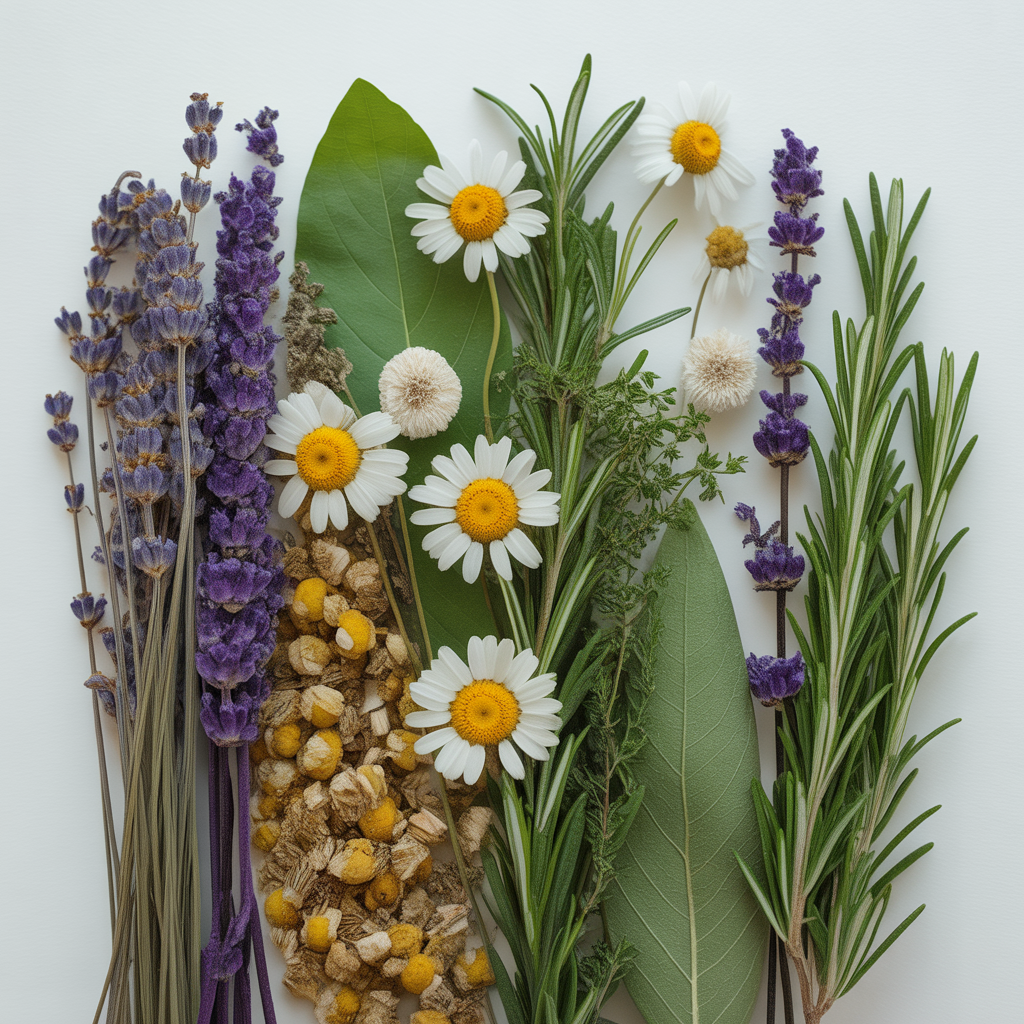
- Mugwort: Often considered the foundational herb in many steaming blends, traditionally believed to have cleansing properties
- Lavender: Known for its calming aroma and relaxation benefits
- Rosemary: Used for its strong, invigorating scent
- Calendula: Chosen for its gentle nature and pleasant fragrance
- Chamomile: Selected for its soothing and calming properties
When selecting herbs, practitioners typically consider factors such as individual sensitivities, desired aromatic experience, and traditional recommendations. Quality sourcing from reputable suppliers is emphasized, as herbs should be clean and free from contaminants.
Step-by-Step Guide to Yoni Steaming
Preparation Phase
Before beginning a yoni steaming session, careful preparation is essential for both safety and effectiveness. Choose a time when you can relax without interruption, typically allowing 45 minutes to an hour for the entire process including setup and cleanup.
Gather all necessary materials: a large heat-safe bowl or pot, filtered water, selected herbs, towels for covering and comfort, and a suitable chair or stool. Ensure your chosen space is private, comfortable, and free from drafts.
The Steaming Process
Begin by boiling 3-4 cups of water and adding 1-2 tablespoons of your chosen herb blend. Allow the herbs to steep for 5-10 minutes, then remove from heat. Test the steam temperature carefully by holding your hand at a safe distance above the water – it should feel warm and comfortable, never burning hot.
Position yourself comfortably over the steaming bowl, ensuring the steam can reach the intended area while maintaining a safe distance to prevent burns. Cover yourself with towels or blankets to create a tent-like enclosure that traps the steam while allowing you to remain comfortable.
During the session, focus on relaxation and breathing. If the steam becomes too hot or uncomfortable at any point, increase your distance from the water or take a break.
Post-Steam Care
After completing your session, remain warm and avoid immediate exposure to cold air. Drink plenty of water to stay hydrated and consider resting for a short period. Pay attention to how your body feels and note any reactions or changes.
Clean and store your equipment properly, and dispose of used herbs according to your local waste guidelines. Some practitioners keep a journal to track their experiences and any patterns they notice.
Safety Considerations and Potential Risks
While many people practice yoni steaming without incident, there are important safety considerations and potential risks to understand before trying this practice.
Potential Risks and Complications
The most immediate risk is burns from steam that is too hot. The vaginal area has sensitive tissue that can be easily damaged by excessive heat. Additionally, introducing steam and herbs to the vaginal environment may disrupt the natural balance of beneficial bacteria, potentially leading to infections or irritation.
Some individuals may experience allergic reactions to specific herbs, ranging from mild irritation to more serious responses. There’s also a risk of introducing harmful bacteria if equipment isn’t properly cleaned or if contaminated herbs are used.
Who Should Avoid Yoni Steaming
Certain individuals should avoid yoni steaming entirely or only proceed with explicit medical approval:
- Pregnant women, as the heat and herbs could potentially affect pregnancy
- Individuals with active vaginal or urinary tract infections
- Those with open wounds, cuts, or sores in the genital area
- People with certain medical conditions affecting circulation or sensation
- Anyone currently experiencing menstruation
Essential Safety Guidelines
If you choose to try yoni steaming, follow these critical safety protocols:
Always test steam temperature before positioning yourself over it. The steam should feel warm and comfortable, never hot enough to cause discomfort. Limit sessions to 20-45 minutes maximum, and stop immediately if you experience any pain, burning, or unusual sensations.
Maintain strict hygiene by thoroughly cleaning all equipment before and after use. Only use high-quality, food-grade herbs from reputable sources, and never reuse herb mixtures.
Start with shorter sessions and milder herb blends to assess your individual tolerance. Keep a record of your experiences to identify any patterns or reactions.

Medical and Expert Opinions
Gynecologist Perspectives
The medical community generally approaches yoni steaming with caution and skepticism. Most gynecologists emphasize that the vagina is a self-cleaning organ with its own delicate ecosystem of beneficial bacteria. This natural balance helps protect against infections and maintains optimal pH levels.
Medical professionals often express concern that introducing steam and herbs to the vaginal area could disrupt this natural balance, potentially leading to bacterial vaginosis, yeast infections, or other complications. They point out that the claimed benefits of yoni steaming lack scientific evidence and that the practice may do more harm than good.
Current Scientific Evidence
As of now, there are no peer-reviewed scientific studies specifically examining the safety or efficacy of yoni steaming. The lack of clinical research means that claims about benefits cannot be substantiated through evidence-based medicine standards.
Medical researchers emphasize the importance of evidence-based approaches to vaginal health and caution against practices that haven’t been scientifically validated, especially when they involve introducing foreign substances or altering the natural vaginal environment.
Alternative Medicine Perspectives
Practitioners of traditional and alternative medicine often take a more favorable view of yoni steaming, citing its long history of use across various cultures. They argue that traditional practices shouldn’t be dismissed simply because modern research hasn’t yet studied them.
However, even supportive alternative medicine practitioners typically emphasize the importance of proper training, safety protocols, and individual assessment before recommending yoni steaming to clients.
Cost and Accessibility
Professional Services
Professional yoni steaming services are available at many spas and holistic wellness centers, with prices typically ranging from $50 to $150 per session. These treatments often include consultation, herb selection, use of specialized equipment, and guidance throughout the process.
When seeking professional services, look for practitioners with appropriate training and clean, professional facilities. Ask about their safety protocols, herb sourcing, and equipment sterilization procedures.
DIY Options
Home yoni steaming setups can be quite affordable, with basic supplies costing between $20 to $50 initially. This includes herbs, a suitable pot or bowl, and basic setup materials. Ongoing costs mainly involve replenishing herb supplies.
While DIY approaches are more economical, they require careful attention to safety protocols and proper equipment cleaning. First-time practitioners may benefit from initial professional guidance before attempting home sessions.
Evidence-Based Alternatives for Vaginal Health
For those seeking to support vaginal and reproductive health, several evidence-based approaches have proven benefits:
Proven Wellness Practices
Regular pelvic floor exercises can strengthen the muscles supporting reproductive organs and may help with various pelvic health concerns. Proper hygiene practices, including gentle cleaning with mild, unscented products, support natural vaginal health without disruption.
Maintaining overall health through balanced nutrition, regular exercise, adequate sleep, and stress management contributes to reproductive wellness. Staying properly hydrated and wearing breathable, cotton underwear also supports vaginal health.
Medical Approaches
For specific vaginal health concerns, healthcare providers can recommend appropriate treatments based on individual needs. Regular gynecological checkups allow for early detection and treatment of any issues.
Probiotics, both dietary and supplemental, may help maintain healthy vaginal flora. However, any supplements or treatments should be discussed with a healthcare provider first.
Frequently Asked Questions
Is yoni steaming safe?
The safety of yoni steaming depends on various factors including proper technique, appropriate temperature control, herb selection, and individual health status. While many people practice it without problems, there are potential risks that should be carefully considered. Consulting with a healthcare provider before trying yoni steaming is advisable.
How often should yoni steaming be done?
Traditional practitioners often recommend different frequencies based on individual needs, typically ranging from once per week to once per month. However, there’s no scientific basis for these recommendations. If you choose to try yoni steaming, starting with less frequent sessions allows you to assess your body’s response.
Can yoni steaming treat medical conditions?
There is no scientific evidence that yoni steaming can treat any medical conditions. While practitioners may claim benefits for various gynecological concerns, these claims are not supported by clinical research. Anyone with specific medical conditions should consult their healthcare provider for appropriate, evidence-based treatments.
What does yoni steaming feel like?
Most people describe the sensation as warm and relaxing, similar to sitting over a warm bath. The herbal steam typically creates an aromatic, spa-like experience. However, if you experience any burning, pain, or discomfort, you should stop immediately and reassess your setup.
Making an Informed Decision
Deciding whether to try yoni steaming is a personal choice that should be made with careful consideration of the available information, potential risks, and your individual health circumstances. While the practice has cultural significance and provides relaxation for some individuals, it’s important to approach it with realistic expectations and prioritize safety.
The lack of scientific evidence supporting claimed benefits, combined with potential risks, means that yoni steaming should not be viewed as a medical treatment or substitute for professional healthcare. If you’re dealing with specific vaginal or reproductive health concerns, consulting with a qualified healthcare provider is essential for appropriate diagnosis and treatment.
For those who choose to explore yoni steaming, starting slowly with proper safety precautions and paying close attention to your body’s responses is crucial. Consider beginning with professional guidance to learn proper techniques before attempting home sessions.
Remember that maintaining vaginal health doesn’t require special treatments or interventions for most people. The vagina’s natural self-cleaning mechanisms, combined with gentle hygiene practices and overall health maintenance, are typically sufficient for optimal reproductive wellness.
Ultimately, the decision to try yoni steaming should be based on informed consideration of the available evidence, understanding of potential risks, and personal comfort level. Always prioritize safety and don’t hesitate to consult healthcare professionals when you have questions or concerns about reproductive health practices.