

Discovering white spots on your gums can be concerning and leave you wondering about their cause and significance. These pale or white patches can range from harmless irritations to indicators of more serious oral health conditions. Understanding what these spots might represent, their potential causes, and when to seek professional dental care is crucial for maintaining optimal oral health. This comprehensive guide will help you identify the various causes of white spots on gums, recognize important symptoms, and make informed decisions about when professional dental care is necessary.
What Are White Spots on Gums?
White spots on gums appear as pale, whitish, or cream-colored patches that contrast with the normal pink color of healthy gum tissue. These spots can vary significantly in size, ranging from small pinpoint lesions to larger patches covering multiple areas of the gums. They may appear as flat discolorations, slightly raised areas, or textured patches with irregular borders.
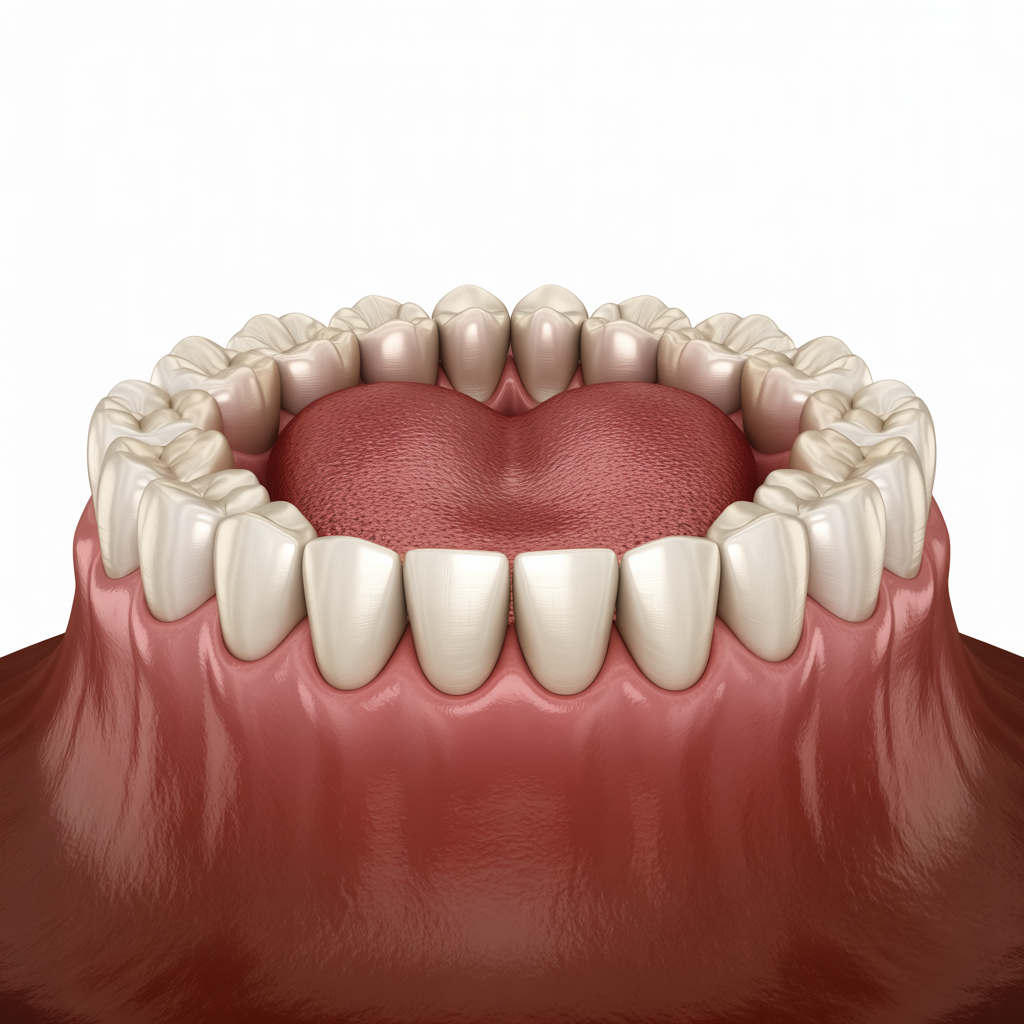
The texture of white spots can also differ depending on their underlying cause. Some may appear smooth and flat, while others might have a rough, bumpy, or ulcerated surface. These spots commonly develop along the gum line, between teeth, on the inner cheeks adjacent to the gums, or on any soft tissue surfaces within the mouth.
Healthy gums typically display a uniform pink color with a slightly stippled texture, similar to an orange peel. They should feel firm to the touch and not bleed during normal brushing or flossing. When white spots appear, they represent a deviation from this normal appearance and may indicate various underlying conditions that require attention.
Common Causes of White Spots on Gums
Minor and Temporary Causes
Canker Sores (Aphthous Ulcers)
Canker sores are among the most common causes of white spots in the mouth. These small, painful ulcers typically appear as round or oval lesions with a white or yellowish center surrounded by a red border. Common triggers include minor injuries from dental work, aggressive tooth brushing, emotional stress, hormonal changes, and certain foods like citrus fruits or tomatoes. Most canker sores heal naturally within 7-14 days without scarring.
Minor Injuries
Physical trauma to the gums can result in white spots as the tissue heals. This might occur from overly aggressive brushing with a hard-bristled toothbrush, injuries during dental procedures, accidentally biting the gums, or irritation from ill-fitting dental appliances. These injury-related white spots typically resolve as the tissue repairs itself over several days to weeks.
Food Reactions
Certain foods and beverages can cause temporary white spots through chemical irritation or allergic reactions. Spicy foods, acidic items like citrus fruits or vinegar, extremely hot beverages, or foods containing certain preservatives can cause localized tissue irritation that appears as white patches. These reactions are usually temporary and resolve once the irritating substance is removed.
Infections
Oral Thrush (Candidiasis)
Oral thrush is a fungal infection that creates white, cottage cheese-like patches on the gums, tongue, and other oral surfaces. These patches can often be wiped away, revealing red, potentially bleeding tissue underneath. Risk factors include weakened immune systems, recent antibiotic use, diabetes, dry mouth conditions, and wearing dentures. Infants, elderly individuals, and those with compromised immune systems are particularly susceptible.
Bacterial Infections
Bacterial infections can develop in the gums, particularly when plaque and tartar buildup leads to gingivitis or more advanced periodontal disease. These infections can manifest as white patches accompanied by swelling, pain, and bleeding. In some cases, bacterial infections can progress to form abscesses, which may appear as white-topped bumps filled with pus.
Serious Medical Conditions
Leukoplakia
Leukoplakia appears as thick, white patches that cannot be rubbed off and may have a slightly raised appearance. This condition is often associated with tobacco use, excessive alcohol consumption, or chronic irritation from rough teeth or dental appliances. While not immediately dangerous, leukoplakia can potentially develop into precancerous changes, making professional evaluation essential.
Lichen Planus
Oral lichen planus is an autoimmune condition that creates distinctive white, lacy patterns on the gums and other oral tissues. These patches may be accompanied by red, swollen areas and can cause burning sensations or pain. The exact cause remains unknown, but stress, certain medications, and autoimmune factors may contribute to its development.
Oral Cancer
Though less common, persistent white spots can sometimes indicate early-stage oral cancer. These lesions may appear as white patches that don’t heal, gradually increase in size, or develop irregular borders. Risk factors include tobacco use, excessive alcohol consumption, human papillomavirus (HPV) infection, and prolonged sun exposure to the lips.

Symptoms to Watch For
Primary Symptoms
White spots on gums can present with varying characteristics that provide important clues about their underlying cause. Pain levels can range from completely painless lesions to intensely painful areas that interfere with eating, drinking, or speaking. The size and growth patterns of these spots are equally important – some remain small and stable, while others may gradually enlarge or multiply over time.
Texture changes provide additional diagnostic information. Some white spots feel smooth and flat against the surrounding tissue, while others may be raised, rough, or have an irregular, bumpy surface. Color variations can also occur, with some spots appearing bright white, others more cream-colored, and some having mixed coloration with red or gray areas.
Accompanying Symptoms
Several additional symptoms may accompany white spots on gums, providing important context for proper evaluation. Bleeding gums, particularly during routine brushing or flossing, may indicate infection or inflammatory conditions. Swelling or inflammation around the white spots can suggest active infection or autoimmune processes.
Persistent bad breath that doesn’t improve with proper oral hygiene might indicate underlying infection or tissue breakdown. Difficulty eating or drinking, especially when consuming spicy, acidic, or hot foods and beverages, can suggest active inflammation or ulceration. Systemic symptoms such as fever, fatigue, or swollen lymph nodes may indicate more serious infections requiring immediate medical attention.
Duration and Changes
The timeline of white spot development and persistence provides crucial information for determining appropriate care. Most benign conditions resolve within two weeks, while persistent spots that remain unchanged or continue growing beyond this timeframe warrant professional evaluation.
Changes in appearance over time are particularly significant. Spots that become larger, develop irregular borders, change color, or begin bleeding should be examined promptly. Spreading patterns, where new white spots appear in different areas of the mouth, may indicate systemic conditions or infections that require comprehensive treatment.
When to See a Dentist
Immediate Dental Care Required
Certain situations demand prompt professional dental evaluation. Any white spots persisting longer than two weeks should be examined, as most benign conditions resolve within this timeframe. Rapidly growing or changing spots require immediate attention, as do areas causing severe pain or significant discomfort that interferes with daily activities.
Signs of active infection, including fever, significant swelling, or pus discharge, necessitate urgent care. Difficulty eating, drinking, or swallowing due to oral lesions should never be ignored, as these symptoms can indicate serious conditions requiring immediate intervention.
Routine Dental Consultation
Even minor or seemingly insignificant white spots benefit from professional evaluation, particularly if they recur frequently or cause ongoing concern. Persistent minor spots that don’t cause significant symptoms still deserve attention during routine dental visits.
Recurring white spots in the same location may indicate underlying factors that need addressing, such as chronic irritation from dental work or habits that require modification. Questions about proper oral hygiene techniques or concerns about oral health are always appropriate topics for dental consultation.
Emergency Situations
Certain symptoms associated with white spots on gums constitute dental emergencies requiring immediate care. Severe pain accompanied by significant swelling, especially if it affects facial appearance or causes difficulty opening the mouth, needs urgent attention.
Signs of spreading infection, such as red streaks extending from the gums, fever, or general feelings of illness, require immediate medical evaluation. Any difficulty breathing or swallowing associated with oral lesions is a medical emergency that may require hospital care.
Diagnosis Process
What to Expect at the Dentist
A comprehensive dental examination for white spots begins with a thorough visual inspection using specialized lighting and magnification tools. The dentist will carefully examine not only the white spots but also surrounding tissues, teeth, and other oral structures to assess overall oral health.

A detailed medical history review helps identify potential contributing factors, including recent medications, dietary changes, stress levels, tobacco or alcohol use, and any recent dental work or injuries. This information provides valuable context for understanding possible causes and developing appropriate treatment plans.
Diagnostic Tools
Depending on the appearance and characteristics of the white spots, various diagnostic tools may be employed. In some cases, a small tissue sample (biopsy) may be necessary to determine the exact nature of the lesion. This minor procedure, typically performed under local anesthesia, provides definitive diagnostic information.
Advanced imaging studies, such as specialized photographs or digital scanning, may be used to document the lesions and monitor changes over time. Laboratory tests, including cultures for fungal or bacterial infections, can help identify specific pathogens requiring targeted treatment.
Specialist Referrals
Complex cases may require consultation with specialists who have advanced training in oral conditions. Oral pathologists specialize in diagnosing diseases of the mouth and surrounding structures. Oral surgeons may be consulted for lesions requiring surgical intervention or complex biopsies.
In cases where systemic conditions are suspected, referrals to appropriate medical specialists, such as dermatologists for autoimmune conditions or oncologists for suspected malignancies, ensure comprehensive care coordination.
Treatment Options
At-Home Care
For Minor Causes
Many minor causes of white spots respond well to gentle home care measures. Maintaining excellent oral hygiene with soft-bristled toothbrushes and non-irritating toothpaste helps promote healing while preventing secondary infections. Salt water rinses, prepared by dissolving half a teaspoon of salt in warm water, can provide soothing relief and help maintain oral cleanliness.
Over-the-counter treatments, including topical anesthetics and anti-inflammatory rinses, can provide temporary symptom relief for minor lesions. Dietary modifications, such as avoiding spicy, acidic, or rough-textured foods, help prevent further irritation during the healing process.
Pain Management
Pain associated with white spots can often be managed using over-the-counter topical anesthetics specifically designed for oral use. Anti-inflammatory medications, when used as directed, can help reduce both pain and swelling associated with inflammatory conditions.
Cold compresses applied to the outside of the face can provide additional comfort for particularly painful lesions, though direct ice contact with oral tissues should be avoided to prevent tissue damage.
Professional Treatments
Medication-Based Treatments
Professional treatment options vary significantly depending on the underlying cause of white spots. Antifungal medications may be prescribed for confirmed fungal infections, available in various forms including rinses, lozenges, or topical applications.
Bacterial infections may require antibiotic therapy, which could be prescribed as topical applications, rinses, or systemic medications depending on the severity and extent of infection. Anti-inflammatory medications, including corticosteroids, may be recommended for autoimmune conditions or severe inflammatory responses.
Specialized therapeutic mouthwashes, often containing antimicrobial or anti-inflammatory agents, provide targeted treatment while maintaining oral hygiene during the healing process.
Procedural Treatments
Some conditions require procedural intervention for effective treatment. Excision or surgical removal may be necessary for lesions that don’t respond to conservative treatment or show concerning characteristics. Modern laser therapy offers precise treatment options with reduced discomfort and faster healing times for appropriate cases.
Cryotherapy, using controlled cold temperatures to destroy abnormal tissue, provides another treatment option for certain types of lesions. More extensive surgical interventions may be necessary for complex cases or when oral cancer is diagnosed.
Prevention Strategies
Oral Hygiene Best Practices
Maintaining excellent oral hygiene forms the foundation of preventing white spots on gums and other oral health problems. Proper brushing technique involves using a soft-bristled toothbrush with fluoride toothpaste, brushing for at least two minutes twice daily, and paying careful attention to the gum line where plaque tends to accumulate.
Daily flossing removes bacteria and food particles from between teeth and below the gum line, areas that toothbrushes cannot effectively reach. Using an antimicrobial mouthwash can provide additional protection against harmful bacteria while freshening breath.
Regular tongue cleaning, using either a tongue scraper or toothbrush, removes bacteria that can contribute to oral health problems and bad breath. This simple addition to daily oral hygiene routines can significantly impact overall oral health.
Lifestyle Modifications
Several lifestyle factors significantly influence oral health and the likelihood of developing white spots on gums. Smoking cessation provides one of the most important steps for improving oral health, as tobacco use dramatically increases the risk of gum disease, oral cancer, and other serious oral conditions.
Reducing alcohol consumption helps decrease the risk of oral cancer and other alcohol-related oral health problems. Excessive alcohol use can also contribute to dry mouth conditions that increase infection risk and interfere with natural oral cleansing mechanisms.
Dietary considerations include limiting sugary and acidic foods that promote bacterial growth and tooth decay. Maintaining adequate hydration supports natural saliva production, which helps cleanse the mouth and neutralize harmful acids produced by bacteria.
Effective stress management techniques can help reduce the likelihood of stress-related oral health problems, including canker sores and teeth grinding that can damage oral tissues.
Regular Dental Care
Routine professional dental care plays a crucial role in preventing oral health problems and detecting issues in their earliest, most treatable stages. Most dental professionals recommend checkups and cleanings every six months, though some individuals may require more frequent visits based on their specific risk factors and oral health needs.
Professional cleanings remove plaque and tartar buildup that cannot be eliminated through home care alone. These appointments also provide opportunities for early detection of potential problems, including the development of white spots or other concerning oral lesions.
Preventive treatments, such as fluoride applications or dental sealants, may be recommended based on individual risk factors and oral health status.
Home Care and Management
Safe Home Remedies
Several safe home remedies can provide comfort and support healing for minor white spots on gums. Salt water rinses remain one of the most effective and widely recommended home treatments, providing gentle cleansing and promoting natural healing processes.
Baking soda solutions, prepared by mixing a small amount of baking soda with water to create a paste, can help neutralize acids and provide gentle cleansing action. However, these should be used sparingly and not as a substitute for regular toothpaste.
Gentle oral care products, including alcohol-free mouthwashes and toothpastes designed for sensitive mouths, can help maintain oral hygiene without causing additional irritation to healing tissues.
Dietary modifications during healing include choosing soft, bland foods that won’t irritate damaged tissues and ensuring adequate nutrition to support the body’s natural healing processes.
What to Avoid
Certain products and practices can interfere with healing or worsen existing conditions. Harsh mouthwashes containing high concentrations of alcohol can cause additional irritation and delay healing. Similarly, abrasive toothpastes or aggressive brushing can damage delicate healing tissues.
Rough or hard foods, including chips, crackers, or crusty bread, can cause mechanical trauma to healing areas and should be avoided until lesions have completely resolved. Very hot or cold foods and beverages can also cause discomfort and should be consumed with caution.
Tobacco products in any form significantly interfere with healing processes and dramatically increase the risk of serious oral health complications. Avoiding these products is essential for optimal healing and long-term oral health.
Self-diagnosis and delays in seeking appropriate professional care can lead to progression of serious conditions that might have been easily treatable in their early stages.
Monitoring Changes
Careful monitoring of white spots helps ensure appropriate care and timely intervention if conditions worsen. Taking photographs of lesions can help track changes over time, providing valuable documentation for healthcare providers.
Maintaining a simple symptom diary, noting pain levels, size changes, or new symptoms, helps identify patterns and provides important information for professional evaluation.
Knowing when to return to a dental professional includes understanding warning signs such as increasing pain, rapid growth, failure to heal within expected timeframes, or development of new concerning symptoms.
Prognosis and Outlook
Recovery Expectations
The outlook for white spots on gums varies significantly depending on their underlying cause. Most minor conditions, including canker sores and injury-related lesions, heal completely within 7-14 days without any lasting effects or scarring.
Infectious conditions typically respond well to appropriate treatment, with most fungal infections resolving within 1-2 weeks of starting antifungal therapy and bacterial infections improving within days of beginning appropriate antibiotic treatment.
More complex conditions, such as autoimmune disorders, may require ongoing management but can often be effectively controlled with proper treatment and lifestyle modifications.
Potential Complications
Untreated conditions can lead to various complications, ranging from persistent discomfort to serious health risks. Minor infections can spread to deeper tissues or become chronic without appropriate treatment.
Precancerous conditions like leukoplakia may progress to oral cancer if left untreated, emphasizing the importance of professional evaluation and ongoing monitoring.
Some conditions have tendency toward recurrence, particularly autoimmune conditions and stress-related lesions, making ongoing preventive care and lifestyle management important for long-term success.
Long-term Oral Health
Maintaining healthy gums and preventing recurrence of white spots involves ongoing commitment to excellent oral hygiene, regular professional care, and healthy lifestyle choices.
Most individuals can achieve and maintain excellent oral health with appropriate care, even after experiencing white spots or other oral health challenges.
The overall impact on oral health is typically minimal when conditions are properly diagnosed and treated promptly, emphasizing the importance of not delaying professional evaluation when concerns arise.
Conclusion
White spots on gums can represent a wide range of conditions, from minor irritations that heal naturally to more serious conditions requiring professional intervention. Understanding the various causes, recognizing important warning signs, and knowing when to seek professional care are essential skills for maintaining optimal oral health.
Most white spots on gums are manageable with appropriate care, and early detection significantly improves treatment outcomes for all types of oral lesions. The key to successful management lies in not ignoring persistent changes in oral tissues and maintaining open communication with dental healthcare providers.
If you notice white spots on your gums that persist longer than two weeks, cause significant discomfort, or undergo changes in size or appearance, schedule a dental consultation promptly. Remember that professional evaluation can provide peace of mind for benign conditions while ensuring timely treatment for more serious issues.
Your oral health is an important component of overall wellness, and maintaining healthy gums contributes to your general health and quality of life. Don’t hesitate to seek professional guidance when questions or concerns arise about any changes in your oral tissues.