

Dealing with diarrhea can be uncomfortable and disruptive to your daily life. While many factors can trigger this common digestive issue, your food choices play a critical role in how quickly you recover. When your digestive system is compromised, eating the right foods can help soothe your stomach, prevent further irritation, and speed up your recovery process. This comprehensive guide explores the best foods to eat when you have diarrhea, which ones to avoid, and provides science-backed strategies to help you feel better faster.
Understanding Diarrhea
Diarrhea is characterized by loose, watery stools occurring more frequently than normal. Common symptoms include abdominal cramps, bloating, nausea, and an urgent need to use the bathroom. This condition typically results from viral infections (like norovirus), bacterial infections, food poisoning, medication side effects, or food intolerances.
What you eat directly impacts both the severity and duration of diarrhea. During episodes of diarrhea, your digestive system struggles to process food normally, and certain foods can either calm or aggravate your symptoms. Healthcare professionals have long recommended the BRAT diet (Bananas, Rice, Applesauce, Toast) as a starting point for managing diarrhea, though modern nutritional science offers additional insights for effective dietary management.

Best Foods to Eat When You Have Diarrhea
When experiencing diarrhea, focusing on bland, easy-to-digest foods gives your digestive system the break it needs while still providing essential nutrients. Here are the best food categories to prioritize during recovery:
Easily Digestible Carbohydrates
- White rice: Acts as a binding agent that can help firm up stools. The low fiber content makes it gentle on your digestive tract.
- Toast: Plain white bread toast (without butter) provides simple carbohydrates that are easily digested. Avoid whole grain varieties during acute episodes.
- Bananas: Rich in potassium (an important electrolyte often lost during diarrhea) and soluble fiber that helps absorb excess liquid in the intestines.
- Applesauce: Contains pectin, a soluble fiber that helps firm up stools. Make sure to choose unsweetened varieties.
- Plain crackers: Saltine or soda crackers can help absorb stomach acids and provide easily digestible calories.
Gentle Proteins
While recovering from diarrhea, you still need protein, but it should come from sources that won’t further irritate your digestive system:
- Boiled eggs: Provide high-quality, easy-to-digest complete protein without irritating the intestines.
- Baked chicken: Remove the skin and prepare without added fats or spices. The lean protein supports recovery without taxing digestion.
- Fish: Mild white fish prepared by steaming or baking offers gentle protein. Avoid frying or adding heavy sauces.
- Smooth nut butters: In small amounts, plain nut butters like peanut or almond butter can provide protein and healthy fats.
Soothing Foods
These options provide comfort while delivering essential nutrients:
- Bone broth: Offers hydration, electrolytes, and easily absorbable nutrients that support gut healing.
- Plain oatmeal: The soluble fiber in oatmeal can help normalize bowel movements. Prepare with water rather than milk during active diarrhea.
- Cooked carrots and sweet potatoes: When thoroughly cooked and puréed or mashed, these vegetables provide nutrients without the irritation of fiber.
- White potatoes: Without the skin, boiled or mashed potatoes offer a gentle source of energy and potassium.
Probiotic Foods (When Improving)
As your symptoms begin to subside, gradually introducing probiotic foods can help restore healthy gut bacteria:
- Yogurt with live cultures: Look for plain, unsweetened varieties containing active cultures like Lactobacillus acidophilus or Bifidobacterium.
- Kefir: A fermented milk drink rich in probiotics that can help restore gut flora balance. Start with small amounts.
- Other gentle probiotics: Fermented foods like mild kimchi or sauerkraut can be introduced in small quantities as you recover.
Foods to Avoid During Diarrhea
Just as important as knowing what to eat is understanding what to avoid during a bout of diarrhea. Certain foods can irritate your already sensitive digestive system or worsen your symptoms:
Common Triggers
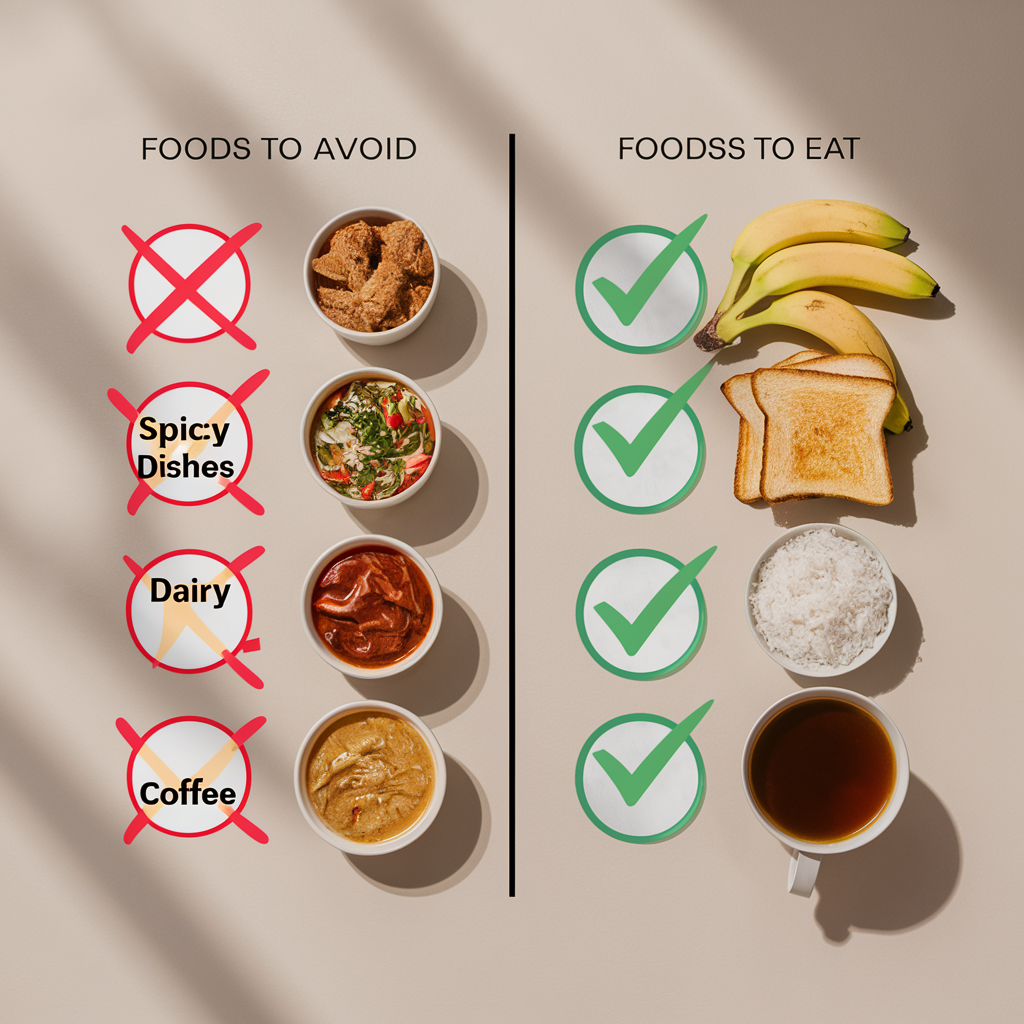
- Dairy products: The lactose in milk, cheese, and ice cream can be difficult to digest and may exacerbate diarrhea, even for people who aren’t normally lactose intolerant.
- Fried and greasy foods: High-fat foods slow digestion and can increase cramping and discomfort.
- Spicy foods: Capsaicin in spicy foods can irritate the digestive tract and worsen inflammation.
- High-fiber foods: While normally beneficial for digestive health, foods high in insoluble fiber like whole grains, nuts, and raw vegetables can worsen diarrhea by accelerating intestinal transit time.
Specific Foods to Avoid
Be particularly careful to avoid these items until your symptoms have fully resolved:
- Raw vegetables and fruits with skins: Their high fiber content can be too challenging for your digestive system.
- Beans and legumes: These foods can produce gas and worsen bloating and discomfort.
- Caffeine: Coffee, strong tea, and energy drinks stimulate the intestines and have a diuretic effect, potentially worsening dehydration.
- Alcohol: Acts as both an intestinal irritant and diuretic, making diarrhea and dehydration worse.
- Artificial sweeteners: Particularly sugar alcohols (sorbitol, mannitol, xylitol) found in sugar-free candies and gums can have a laxative effect.
Hidden Irritants
Be aware of these less obvious triggers:
- High-FODMAP foods: These fermentable carbohydrates (found in certain fruits, vegetables, and grains) can trigger digestive issues in sensitive individuals.
- Common food additives: MSG, sulfites, and certain preservatives may worsen symptoms in sensitive people.
- Sugary drinks and high-sugar foods: Excessive sugar can draw water into the intestines, worsening diarrhea.
Hydration: Critical During Diarrhea
Hydration is perhaps the most crucial aspect of managing diarrhea, as fluid and electrolyte losses can quickly lead to dehydration. Proper fluid intake should be your top priority.
Best Hydration Options
- Water: While plain water is essential, it doesn’t replace lost electrolytes. Aim for at least 8-10 cups daily during diarrhea episodes.
- Oral rehydration solutions: Products like Pedialyte or WHO oral rehydration salts provide the perfect balance of water, sugar, and electrolytes for optimal absorption.
- Electrolyte-balanced drinks: Commercial options or homemade solutions containing sodium and potassium help restore electrolyte balance.
Homemade Oral Rehydration Solution Recipe:
- 1 liter of clean drinking water
- 6 teaspoons of sugar
- 1/2 teaspoon of salt
- Optional: 1/2 cup orange juice or mashed banana for potassium
Gentle Hydrating Beverages
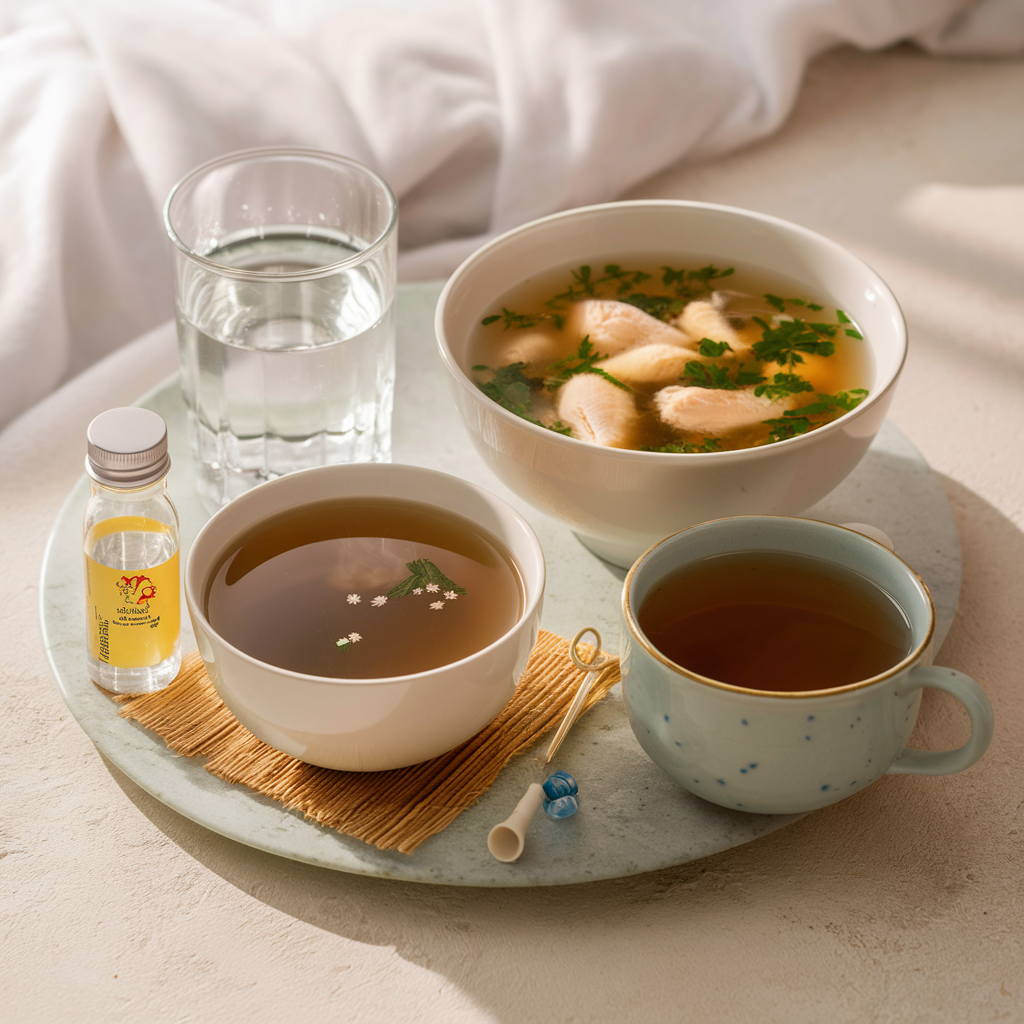
- Clear broths: Provide both fluids and sodium to help with electrolyte balance.
- Weak tea: Herbal options like chamomile or ginger tea (without caffeine) can be soothing. Avoid strong black tea.
- Coconut water: Offers natural electrolytes, though some brands contain added sugars that should be avoided.
- Diluted fruit juices: Apple or cranberry juice diluted 1:1 with water can provide some calories and hydration without excessive sugar.
Hydration Strategies
How you hydrate matters almost as much as what you drink:
- Sip frequently: Take small, frequent sips rather than gulping large amounts at once.
- Temperature matters: Room temperature liquids are often better tolerated than very cold or hot beverages.
- Watch for dehydration signs: Dark urine, dry mouth, dizziness, or reduced urination warrant immediate attention.
Meal Planning During Diarrhea
Having a structured approach to meals can help manage symptoms effectively while ensuring you get adequate nutrition during recovery.
Sample Meal Plan for Day 1-2
Breakfast:
- Plain white toast (no butter)
- Half a ripe banana
- Weak chamomile tea
Mid-Morning Snack:
- Plain saltine crackers
- Small sips of oral rehydration solution
Lunch:
- Small portion of plain white rice
- Clear chicken broth
- Applesauce (unsweetened)
Afternoon Snack:
- Plain rice cake
- Small amount of smooth peanut butter (if tolerated)
- Sips of diluted apple juice
Dinner:
- Small portion of baked chicken breast (no skin)
- Mashed potatoes (no butter or milk)
- Cooked carrots (well-cooked and soft)
Evening:
- Plain gelatin (not red or purple colored)
- Hydration with water or electrolyte solution
Key considerations: Keep portions small, eat slowly, and stay well-hydrated between meals. Focus on eating every 2-3 hours rather than larger, less frequent meals.
Progressive Diet as Symptoms Improve
As your condition improves, gradually expand your diet:
Days 3-4:
- Continue with the basic bland diet
- Slowly introduce plain yogurt with live cultures
- Try adding soft-cooked eggs
- Incorporate more varieties of cooked, peeled vegetables
Days 5-7:
- Begin adding small amounts of healthy fats like olive oil
- Introduce more protein sources if well-tolerated
- Try small portions of fresh, peeled fruits
- Consider adding well-cooked whole grains in small amounts
Signs you’re ready for more diverse foods include:
- Normal or near-normal bowel movements
- Reduced abdominal cramps
- Return of normal appetite
- Improved energy levels
Home Remedies and Supplements
Several natural remedies can complement your dietary approach to managing diarrhea:
- Ginger tea: Has anti-nausea properties and can calm the digestive tract. Steep fresh ginger slices in hot water for 5-10 minutes.
- Peppermint tea: Can reduce intestinal spasms, though should be avoided if you have reflux.
- Apple cider vinegar: Some find that 1-2 teaspoons in water helps restore gut bacteria balance, though scientific evidence is limited.
- Zinc supplements: Research suggests zinc supplementation may reduce the duration and severity of diarrhea, particularly in children.
- Probiotics: Specific strains like Saccharomyces boulardii and Lactobacillus rhamnosus GG have shown effectiveness in treating certain types of diarrhea. Consider starting these once acute symptoms begin to improve.
When to See a Doctor
While most cases of diarrhea resolve on their own within a few days, certain symptoms warrant immediate medical attention:
- Diarrhea that persists longer than 2-3 days
- Fever above 102°F (39°C)
- Severe abdominal or rectal pain
- Blood or pus in stool
- Black, tarry stools
- Signs of dehydration: extreme thirst, dry mouth, little or no urination, severe weakness, dizziness, or lightheadedness
High-risk individuals should seek medical care sooner, including:
- Infants and young children
- Adults over 65
- Pregnant women
- People with compromised immune systems
- Those with underlying chronic conditions
Prevention and Long-term Gut Health
Once recovered, focus on these strategies to prevent future episodes and support overall gut health:
- Food safety practices: Thoroughly cook foods, especially meats, and avoid cross-contamination between raw and cooked items.
- Hand hygiene: Wash hands thoroughly before handling food and after using the bathroom.
- Building a resilient microbiome: Regularly consume a diverse diet rich in fiber, fruits, vegetables, and fermented foods to support gut bacteria diversity.
- Dietary patterns for ongoing gut health: Consider a Mediterranean-style diet, rich in anti-inflammatory foods and healthy fats.
Conclusion
When dealing with diarrhea, your dietary choices can significantly impact your recovery time and comfort level. Focus on easily digestible foods like white rice, toast, bananas, and clear broths while avoiding dairy, greasy foods, caffeine, and high-fiber items. Proper hydration with water and electrolyte solutions is essential for preventing dangerous dehydration. As your symptoms improve, gradually reintroduce a wider variety of foods, paying close attention to how your body responds.
Remember that this dietary approach should be personalized—what works best may vary based on your individual situation and underlying cause of diarrhea. Most acute diarrhea episodes resolve within a few days with proper care, but don’t hesitate to seek medical attention if you experience severe or prolonged symptoms. With the right approach to diet and hydration, you can support your body’s natural healing process and return to normal digestive function more quickly.
FAQs About Eating With Diarrhea
Can I drink coffee when I have diarrhea?
It’s best to avoid coffee during diarrhea episodes. Caffeine stimulates the intestines and has diuretic properties that can worsen dehydration. Wait until your symptoms have fully resolved before reintroducing coffee, starting with small amounts.
How long should I follow the restricted diet?
Generally, follow a bland, restricted diet for 24-48 hours after diarrhea begins or until symptoms improve significantly. Then gradually reintroduce normal foods over 3-5 days, monitoring your body’s response to each addition.
Are sports drinks good for diarrhea?
Sports drinks contain electrolytes but often have high sugar content, which can worsen diarrhea. If using sports drinks, dilute them 1:1 with water. Oral rehydration solutions specifically designed for diarrhea, like Pedialyte, are more effective at replacing lost electrolytes.
Can probiotics make diarrhea worse?
While probiotics are generally beneficial for diarrhea recovery, timing matters. During acute, severe symptoms, some people might experience increased gas or discomfort when taking probiotics. It’s often best to wait until the acute phase is improving before introducing probiotic supplements or foods.
Is fasting recommended for diarrhea?
Brief periods (12-24 hours) of consuming only clear liquids can help rest the digestive system during severe diarrhea. However, extended fasting isn’t recommended as your body needs nutrients to recover. Begin eating small amounts of bland foods as soon as you can tolerate them.
Should children follow the same diet recommendations?
Children with diarrhea should follow similar dietary guidelines, but dehydration can occur more rapidly in children. Pediatric oral rehydration solutions are particularly important. Always consult a pediatrician for diarrhea in infants or if symptoms persist beyond 24 hours in older children.