

Wasp stings are a common outdoor hazard that can turn a pleasant day into a painful experience. Each year, millions of people worldwide experience these stings, with reactions ranging from mild discomfort to severe, life-threatening allergic responses. While most wasp stings cause only temporary pain and swelling, understanding how to properly identify and treat them can significantly reduce discomfort and prevent complications. This comprehensive guide will walk you through identifying wasp sting symptoms, effective home treatment options, and crucial information about when a sting requires medical attention. Whether you’re an outdoor enthusiast, a parent concerned about your child’s safety, or someone with known sensitivities to insect stings, this article provides the essential knowledge to handle wasp stings confidently and safely.
Understanding Wasp Stings
Wasps are flying insects belonging to the order Hymenoptera, which also includes bees and ants. Unlike their bee cousins, wasps are generally more aggressive and can sting multiple times, as they don’t lose their stinger during an attack. This characteristic makes wasp encounters potentially more dangerous than bee encounters.
Several wasp species commonly sting humans, including yellow jackets, hornets, and paper wasps. These social insects typically become more aggressive in late summer and early fall when their colonies reach peak population and food sources become scarcer. Most stings occur when wasps feel threatened or their nest is disturbed, often unintentionally by humans.
The wasp sting mechanism involves injecting venom through a smooth stinger that can easily withdraw from the skin. Wasp venom contains various proteins that trigger pain and inflammation. Unlike honeybees, which have barbed stingers that remain in the skin, wasps can sting repeatedly because their smooth stingers stay attached to their bodies. This ability to deliver multiple stings can make wasp encounters particularly hazardous.

Identifying Wasp Sting Symptoms
Recognizing a wasp sting correctly is the first step toward proper treatment. Initial symptoms typically appear immediately after being stung and include:
- Sharp, sudden pain that feels like a burning sensation
- A small puncture mark or hole at the sting site
- Redness and warmth surrounding the affected area
As the sting progresses, normal reaction symptoms develop within minutes to hours:
- Localized swelling that may increase for 24-48 hours
- Persistent itching and tenderness
- A raised white or yellow welt with a red outline
For most people, these normal symptoms typically subside within a few days. The pain usually peaks within the first few hours and gradually diminishes, while swelling might take 2-3 days to fully resolve. Itching can persist even as other symptoms improve.
Wasp stings can be distinguished from other insect encounters by their appearance and sensation. Bee stings often leave a stinger behind, while mosquito bites typically produce a softer bump with less intense immediate pain. Spider bites frequently create two puncture marks rather than a single point of entry.
Normal vs. Allergic Reactions
Understanding the difference between normal and allergic reactions to wasp stings is crucial for determining appropriate treatment and recognizing potentially dangerous situations.
Mild Allergic Reactions
Mild allergic reactions extend beyond typical symptoms and may include:
- Extensive swelling that spreads beyond the sting site, sometimes affecting an entire limb
- Increased redness and pain that seems disproportionate to a single sting
- Symptoms that take longer to resolve, often lasting 3-10 days
Moderate Allergic Reactions
Moderate reactions suggest a stronger allergic response and warrant closer monitoring:
- Extreme redness and swelling extending well beyond the sting area
- Hives or itchy rash appearing on parts of the body away from the sting site
- Mild nausea or stomach discomfort
- Symptoms persisting for several days or worsening after the first 48 hours
Severe Allergic Reactions (Anaphylaxis)
Anaphylaxis is a life-threatening emergency that requires immediate medical intervention. Warning signs include:
- Difficulty breathing or shortness of breath
- Swelling of the face, lips, tongue, or throat
- Dizziness, faintness, or rapid heartbeat
- Nausea, vomiting, or diarrhea
- Confusion or anxiety
Severe reactions can develop within minutes of a sting. Those with previous allergic reactions to wasp stings, people who have experienced multiple stings, and individuals with other allergic conditions are at higher risk for severe reactions.
Home Remedies and First Aid for Wasp Stings
Prompt and proper first aid can significantly reduce pain, swelling, and the risk of complications from wasp stings.
Immediate Steps After Being Stung
- Check for stingers: Although wasps rarely leave stingers behind (unlike bees), inspect the area and gently remove any stinger if present using a flat edge like a credit card or fingernail.
- Clean the area: Wash the sting site with mild soap and water to remove remaining venom and prevent infection.
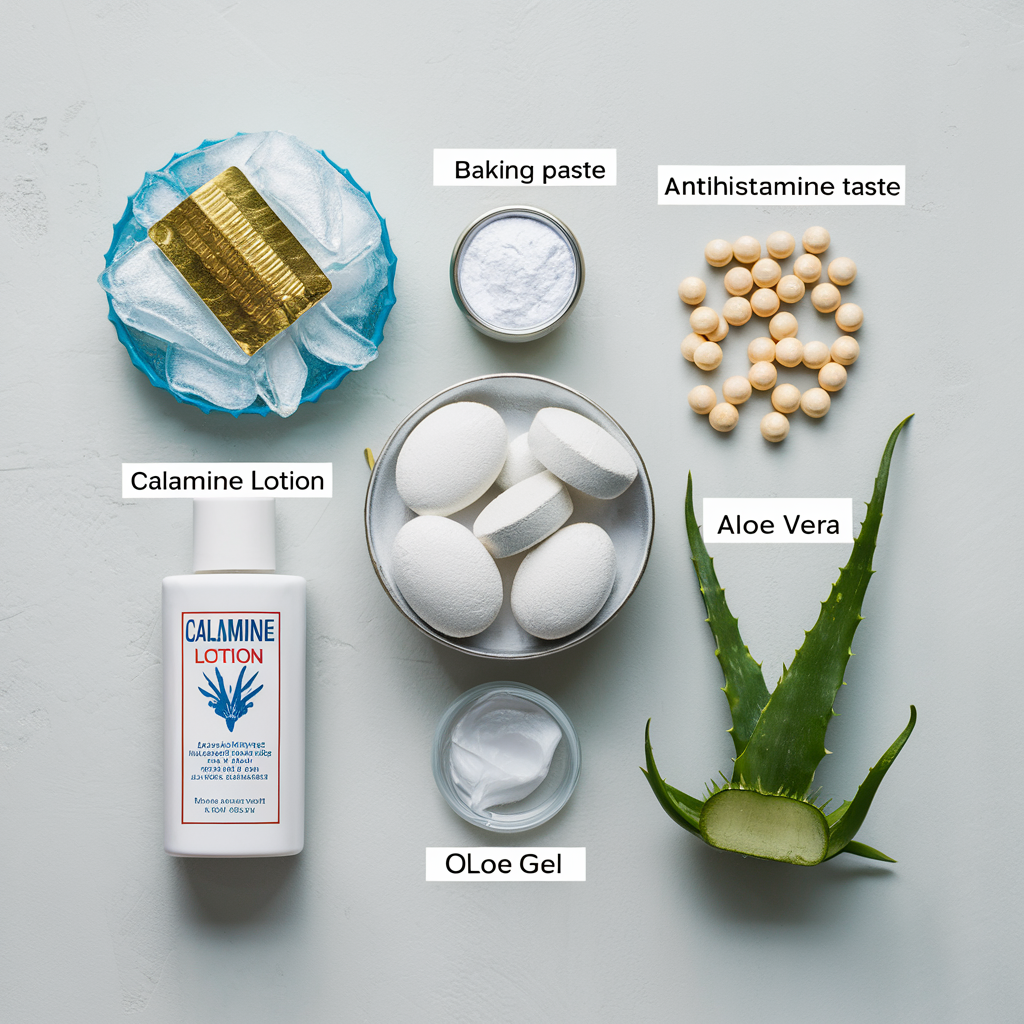
- Apply cold: Use a cold compress or ice pack wrapped in a cloth for 10-20 minutes to reduce inflammation and pain.
Effective Home Remedies
Several evidence-backed home treatments can provide relief:
- Cold therapy: Continue applying ice packs several times a day to minimize swelling.
- Over-the-counter pain relievers: Acetaminophen (Tylenol) or ibuprofen (Advil, Motrin) can help manage pain and inflammation.
- Antihistamines: Oral antihistamines like diphenhydramine (Benadryl) can reduce itching and swelling.
- Baking soda paste: Mix baking soda with a small amount of water to create a paste. Apply to the sting site to neutralize venom acidity and reduce itching.
- Calamine lotion: Apply to soothe itching and irritation.
- Aloe vera gel: Natural aloe vera has anti-inflammatory properties that can provide cooling relief.
- Honey: A thin layer of honey on the sting site may reduce inflammation due to its antibacterial properties.
What NOT to Do
Avoid these common mistakes when treating wasp stings:
- Don’t scratch the sting site, as this increases infection risk
- Don’t apply mud or saliva to the sting
- Don’t use tweezers to remove stingers, as they can squeeze more venom into the wound
- Don’t apply alcohol, ammonia, or bleach to the sting
- Don’t ignore signs of allergic reaction or infection
When to Seek Medical Attention
While most wasp stings can be treated at home, certain situations require professional medical care.
Clear Indicators for Medical Help
Seek immediate emergency medical attention if you experience:
- Any signs of anaphylaxis: Difficulty breathing, throat tightness, wheezing, dizziness, or severe swelling of face or lips
- Multiple stings: Particularly concerning for children, elderly, or those with health conditions
- Stings in sensitive areas: Eyes, inside mouth, throat, or genital areas
- Worsening symptoms: Increasing pain, swelling, or redness after 2-3 days
- Signs of infection: Increased warmth, oozing, pus, or red streaking from the sting site
- High fever: Temperature above 101°F (38°C) following a sting
Timeline for Seeking Help
The urgency of medical care depends on the symptoms:
- Immediate emergency care (call 911): For any signs of anaphylaxis or difficulty breathing
- Same-day medical attention: For multiple stings, stings in sensitive areas, or significant swelling
- Within 24-48 hours: For worsening symptoms or signs of infection
When seeking medical help, be prepared to share important details about the sting, including:
- When and where the sting occurred
- How many stings were received
- What symptoms developed and their timeline
- What treatments have been attempted
- Any history of allergic reactions to insect stings
- Current medications
Medical Treatments for Wasp Stings
When home remedies aren’t sufficient, medical professionals may provide various treatments depending on the severity of your reaction.
Standard Medical Interventions
- Prescription-strength antihistamines: To control more severe itching and allergic responses
- Corticosteroids: Oral or injected steroids to reduce inflammation in moderate to severe reactions
- Epinephrine: Administered for anaphylaxis, typically via an auto-injector (EpiPen)
- Antibiotics: Prescribed if the sting site shows signs of infection
Treatment for Multiple Stings
Multiple wasp stings require special attention, as they can cause systemic reactions even in non-allergic individuals. Medical treatment may include:
- Intravenous fluids to prevent or treat shock
- Close monitoring of vital signs and organ function
- Pain management medications
- Hospitalization if symptoms are severe or the patient has underlying health conditions
Follow-up Care
After medical treatment for a significant wasp sting reaction, your healthcare provider may recommend:
- Referral to an allergist for testing
- Prescription for an epinephrine auto-injector for future emergencies
- Education about avoiding wasps and managing potential future stings
- Follow-up appointments to ensure complete recovery
Special Considerations for High-Risk Individuals
Certain populations require extra precautions and considerations when it comes to wasp stings.
Children and Wasp Stings
Children may be at higher risk from wasp stings because:
- Their smaller body mass means venom has a more concentrated effect
- They may not effectively communicate symptoms
- They’re more likely to panic and make the encounter worse
For children, focus on prevention, prompt treatment, and close monitoring for any unusual symptoms. Use age-appropriate pain relievers and consider consulting a pediatrician even for seemingly normal reactions.
Elderly Individuals
Older adults face increased risks from wasp stings due to:
- Potentially weaker immune systems
- Higher likelihood of cardiovascular conditions that could be stressed during a reaction
- Possible medication interactions with sting treatments
- Thinner skin that may absorb venom more readily
Elderly individuals should seek medical evaluation for wasp stings more readily than younger adults, particularly if they have underlying health conditions.
Pregnant Women
While most wasp stings don’t pose special risks during pregnancy, considerations include:
- Limited medication options for treatment
- Increased concern about any severe reaction affecting both mother and baby
- Potential stress response triggering contractions in late pregnancy
Pregnant women should consult their healthcare provider after a wasp sting, particularly if experiencing anything beyond mild local reactions.
People with Compromised Immune Systems
Those with weakened immunity should:
- Take extra precautions to avoid wasp encounters
- Seek medical evaluation for even seemingly minor stings
- Be vigilant about monitoring for infections at sting sites
- Discuss preventative strategies with their healthcare provider
Prevention Strategies
Preventing wasp stings is always preferable to treating them. Effective prevention strategies include:
Avoiding Wasp Encounters
- Stay alert: Be aware of your surroundings, especially when outdoors during peak wasp season (late summer/early fall)
- Remain calm: If wasps approach, stay still or move away slowly; rapid movements trigger defensive behavior
- Dress appropriately: Wear long sleeves, pants, closed-toe shoes, and neutral colors when in wasp-prone areas
- Avoid strong scents: Skip perfumes, scented lotions, and hair products when outdoors

Wasp-Proofing Your Environment
- Seal entry points: Close gaps in home siding, windows, and door frames
- Secure food sources: Keep outdoor eating areas clean, cover trash cans, and promptly clean spills
- Remove attractants: Harvest ripe fruit promptly and clean up fallen fruit
- Regular inspection: Check eaves, decks, and outdoor structures periodically for early nest formation
Handling Wasp Nests
If you discover a wasp nest:
- Consider professional removal for large or difficult-to-reach nests
- If attempting DIY removal, do so at night when wasps are less active
- Wear protective clothing covering all skin
- Use commercial wasp sprays designed for nest treatment
- Have an escape route planned before beginning
- Never attempt removal if you have a known allergy to wasp stings
Long-term Management for Those with Wasp Allergies
For individuals with known wasp allergies, long-term management is essential for safety.
Allergy Testing and Diagnosis
If you’ve experienced symptoms suggesting a wasp sting allergy, consult an allergist for:
- Skin prick tests to confirm specific allergies
- Blood tests measuring immunoglobulin E (IgE) antibodies
- Assessment of reaction severity and risk factors
- Personalized management recommendations
Immunotherapy Options
Venom immunotherapy (VIT) can reduce sensitivity to wasp stings by approximately 95% through:
- Regular injections of gradually increasing amounts of wasp venom
- Initial build-up phase requiring frequent visits
- Maintenance phase with less frequent injections
- Typical treatment duration of 3-5 years
Emergency Preparedness
Those with confirmed wasp allergies should:
- Carry prescribed epinephrine auto-injectors (EpiPen, Auvi-Q) at all times
- Wear medical alert identification
- Ensure family members, colleagues, and friends know how to help during a reaction
- Replace epinephrine devices before their expiration date
Creating an Action Plan
Work with healthcare providers to develop a written action plan including:
- Specific steps to take if stung
- When and how to use emergency medications
- Emergency contact information
- When to call 911
- Follow-up care instructions
Myths and Facts About Wasp Stings
Many misconceptions exist about wasp stings and their treatment. Let’s separate fact from fiction:
Common Myths Debunked
- Myth: Applying mud or tobacco to a sting helps.
Fact: These folk remedies are ineffective and may increase infection risk. - Myth: All wasps die after stinging.
Fact: Unlike honeybees, wasps can sting multiple times. - Myth: If you’ve been stung before without problems, you’ll never have an allergic reaction.
Fact: Allergies can develop at any time, even after previous uneventful stings. - Myth: Wasp venom can be “sucked out” of the skin.
Fact: Venom spreads too quickly for this method to be effective. - Myth: Vinegar helps neutralize all wasp stings.
Fact: Vinegar may help with some wasp species but could worsen others; baking soda is generally more effective.
Evidence-Based Treatments
Research supports these effective treatments:
- Cold therapy reduces inflammation and pain
- Oral antihistamines decrease allergic responses
- NSAIDs help manage pain and inflammation
- Epinephrine is the only effective treatment for anaphylaxis
- Elevation of the affected area can reduce swelling
Conclusion
Wasp stings, while painful and potentially serious, can be managed effectively with proper knowledge and swift action. Understanding the difference between normal reactions and those requiring medical intervention could prove life-saving, particularly for individuals with allergies. By following appropriate first aid procedures, implementing preventive strategies, and recognizing warning signs of severe reactions, you can minimize both the likelihood and impact of wasp stings.
Remember that most wasp stings resolve without complications, but it’s always better to err on the side of caution when symptoms appear unusual or severe. Those with known allergies should work with healthcare providers to develop comprehensive management plans, including carrying emergency medication. Whether you’re treating your first wasp sting or managing a known allergy, this guide provides the essential information needed to respond confidently and appropriately.
FAQs About Wasp Stings
How long does wasp sting pain last?
For most people, intense pain from a wasp sting lasts 1-2 hours, with residual discomfort potentially continuing for 24-48 hours. Mild swelling and itching may persist for several days. If significant pain continues beyond 48 hours, consult a healthcare provider.
Can wasp stings cause fever?
A mild fever can occasionally occur with wasp stings, especially with multiple stings or in sensitive individuals. However, a high fever (above 101°F/38°C) is not typical and may indicate an infection or severe reaction requiring medical attention.
Are wasp stings more dangerous than bee stings?
Wasp stings can be more dangerous than bee stings in certain respects. Wasps can sting multiple times, potentially delivering more venom. Additionally, wasp venom contains different proteins than bee venom, and some people may react more severely to one than the other.
Can you develop an allergy to wasp stings later in life?
Yes, allergies to wasp stings can develop at any age, even if you’ve been stung previously without problems. Sometimes repeated exposures to wasp venom over time can trigger the development of an allergy. This is why any unusual reaction to a sting should be evaluated by a healthcare provider.
How to distinguish between wasp, hornet, and yellow jacket stings?
While the immediate symptoms are similar, yellow jacket stings often cause the most pain, hornets create larger areas of swelling, and paper wasps typically produce more moderate reactions. However, individual responses vary greatly, and the treatment approach remains the same regardless of which species delivered the sting.