

Establishing a consistent skin care routine is one of the most important steps you can take toward achieving healthy, radiant skin. Beyond just aesthetic benefits, proper skin care helps protect your skin from environmental damage, premature aging, and various skin conditions. Whether you’re a beginner looking to start your first routine or hoping to optimize your existing regimen, this comprehensive guide will walk you through everything you need to know about creating the perfect skin care routine for your unique needs.
Understanding Your Skin
Before diving into specific products and steps, it’s essential to understand your skin type. This knowledge forms the foundation of an effective skin care routine, as different skin types require different approaches and ingredients.
The Importance of Knowing Your Skin Type
Using products formulated for your specific skin type can significantly improve their effectiveness and prevent potential irritation. Here’s how to identify different skin types:
- Normal skin: Balanced, neither too oily nor too dry, with small pores, good circulation, and rare sensitivity
- Dry skin: Tight, flaky, rough texture, prone to fine lines, redness, and irritation
- Oily skin: Excess sebum production, enlarged pores, shiny appearance, and prone to acne and blackheads
- Combination skin: Oily in the T-zone (forehead, nose, chin) but dry or normal elsewhere
- Sensitive skin: Easily irritated, reactive to products, tends to sting or burn, frequently red or inflamed
How to Determine Your Skin Type at Home
The “bare-faced method” is a simple way to identify your skin type:
- Cleanse your face with a gentle cleanser
- Pat dry and wait 30 minutes without applying any products
- Observe how your skin feels and looks:
- If it feels tight, you likely have dry skin
- If you notice shine throughout, you likely have oily skin
- If you’re only shiny in the T-zone, you likely have combination skin
- If your skin feels comfortable and balanced, you likely have normal skin
Additionally, consider common skin concerns that might affect your routine choices, such as acne, hyperpigmentation, signs of aging, rosacea, or eczema.
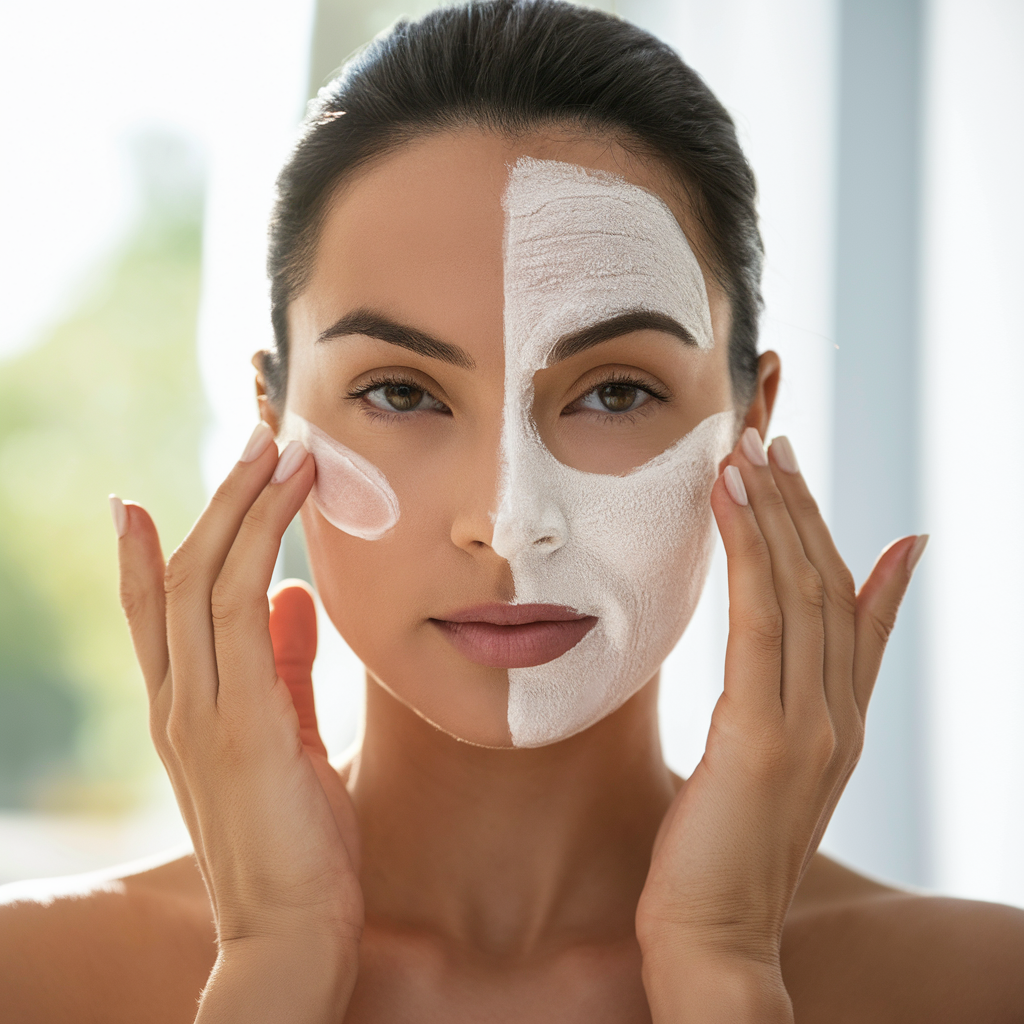
Essential Skin Care Steps: The Foundation
A complete skin care routine typically involves several key steps, though not all are necessary for everyone every day. Here are the fundamental components:
Cleansing: The Cornerstone of Any Routine
Cleansing removes dirt, oil, makeup, pollution, and dead skin cells from your face. Without proper cleansing, other products cannot penetrate effectively, and skin issues may develop. Cleanse once or twice daily using a formula appropriate for your skin type.
Toning: Purpose and Benefits
Modern toners balance skin pH after cleansing, provide hydration, and deliver beneficial ingredients. They’ve evolved from the harsh, alcohol-based formulas of the past into nourishing treatment liquids that prep skin for subsequent products.
Moisturizing: Why All Skin Types Need Hydration
Even oily skin needs moisturizer. Hydration and moisture retention are essential for maintaining skin barrier function. Moisturizers come in various textures (gels, lotions, creams, and balms) to suit different skin types.
Sun Protection: The Non-Negotiable Step
Daily SPF is the most important anti-aging and skin health step. UV exposure leads to premature aging, hyperpigmentation, and increases skin cancer risk. A broad-spectrum SPF 30+ sunscreen should be used every day, regardless of weather or season.
Treatment Products: Serums and Targeted Solutions
Serums and treatments contain concentrated active ingredients that target specific concerns like acne, dark spots, wrinkles, or dehydration. Common active ingredients include vitamins C and A (retinol), niacinamide, hyaluronic acid, and various acids.
Exfoliation: Physical vs. Chemical Methods
Exfoliation removes dead skin cells to reveal brighter skin and improve product penetration. Physical exfoliants use particles or tools to manually remove dead cells, while chemical exfoliants (AHAs, BHAs, PHAs) dissolve the bonds between cells. Most experts recommend chemical exfoliation 1-3 times weekly, depending on skin type and tolerance.
Morning Skin Care Routine: Step-by-Step
Your morning routine should focus on protection and preparation for the day ahead. Here’s an optimal order:
Step 1: Gentle Cleansing Techniques
Morning cleansing can be lighter than evening cleansing. Options include:
- A splash of water for dry or sensitive skin
- Micellar water on a cotton pad
- Gentle foaming or gel cleanser for oily/combination skin
- Cream or lotion cleanser for dry skin
Step 2: Toning Options
Apply toner with clean hands or a cotton pad. Look for ingredients like:
- Glycerin and hyaluronic acid for hydration
- Niacinamide for oil control and pore appearance
- Antioxidants for protection
- Rosewater or chamomile for soothing
Step 3: Antioxidant Serums
Morning is ideal for vitamin C serums, which:
- Provide antioxidant protection against environmental damage
- Brighten skin tone
- Boost collagen production
- Enhance sunscreen effectiveness
Apply 3-5 drops to the entire face, allowing 60 seconds for absorption.
Step 4: Eye Creams and Their Application
The delicate eye area benefits from targeted products. Morning eye creams typically focus on:
- De-puffing (caffeine, peptides)
- Brightness (vitamin C, niacinamide)
- Hydration without heaviness
Use your ring finger to gently tap (not rub) a small amount around the orbital bone.
Step 5: Moisturizer Selection by Skin Type
Choose a daytime moisturizer based on your skin type:
- Oily: Lightweight gel or lotion
- Combination: Lightweight lotion or gel-cream
- Normal: Medium-weight lotion or cream
- Dry: Richer cream with ingredients like ceramides and fatty acids
- Sensitive: Fragrance-free formulations with soothing ingredients
Step 6: Sunscreen Application
Apply sunscreen as the final step:
- Use at least SPF 30, broad-spectrum protection
- Apply ¼ teaspoon for face alone, more if including neck
- Allow to set for 15 minutes before sun exposure
- Reapply every 2 hours when outdoors or after swimming/sweating
Time-saving options include combining steps with multifunctional products like moisturizers with SPF (though dedicated sunscreen offers superior protection) or using makeup with added sun protection for touch-ups.

Evening Skin Care Routine: Step-by-Step
Evening routines focus on cleansing away the day’s accumulation and supporting overnight repair processes when skin regeneration peaks.
Step 1: Double Cleansing Method
Double cleansing ensures thorough removal of makeup, sunscreen, and pollution:
- First cleanse: Oil-based cleanser or balm to dissolve makeup and sunscreen
- Second cleanse: Water-based cleanser to remove remaining impurities and treat the skin
Step 2: Toning for PM Benefits
Evening toners can be slightly more active than morning versions, incorporating gentle exfoliating properties or hydrating ingredients to prepare skin for treatments.
Step 3: Treatment Products
Nighttime is ideal for stronger active ingredients:
- Retinoids: Vitamin A derivatives that accelerate cell turnover, stimulate collagen, and improve texture
- Exfoliating acids: AHAs (glycolic, lactic) for surface exfoliation and BHAs (salicylic) for deeper pore cleaning
- Peptides: Building blocks for collagen and elastin
- Growth factors: Advanced ingredients that support skin regeneration
Note: Do not use multiple strong actives in the same routine—alternate nights or specific treatment areas to prevent irritation.
Step 4: Eye Care for Overnight Repair
Evening eye products can be richer than daytime formulas, focusing on:
- Repair ingredients like peptides and retinol (in eye-specific formulations)
- Rich hydration with ingredients like shea butter or plant oils
- Anti-aging benefits from antioxidants
Step 5: Night Creams and Intensive Moisturizers
Evening moisturizers are typically more substantial than day formulas to support overnight recovery:
- Look for nourishing ingredients like ceramides, peptides, and fatty acids
- Consider occlusive ingredients that lock in previous products
- Dry skin benefits from oils and butter-rich formulas
- Oily skin still needs hydration—look for non-comedogenic gel creams
Step 6: Optional Treatments
Additional evening treatments might include:
- Face oils as a final step to seal in moisture
- Overnight masks 1-3 times weekly
- Spot treatments for breakouts
- Intensive treatments like lip masks or neck creams
Correct Order to Apply Products
The proper sequencing of products ensures maximum effectiveness and prevents possible negative interactions.
The Thin-to-Thick Rule Explained
Products should generally be applied from thinnest to thickest consistency, as:
- Thinner products cannot penetrate through thicker ones
- This approach maximizes absorption of active ingredients
- Each layer prepares the skin for the next
Water-Based Before Oil-Based Principle
Water-based products should precede oil-based ones because:
- Water cannot penetrate oil
- Oil-based products create a barrier on the skin
- This sequence maximizes hydration
Active Ingredients Prioritization
Apply the most potent active ingredients directly after cleansing/toning:
- pH-dependent actives (vitamin C, AHAs, BHAs) go first
- Allow these to work for 15-30 minutes if possible
- More stable actives (peptides, niacinamide) follow
- Separate potentially reactive ingredients (vitamin C and retinol) by using one in morning, one at night
Proper Waiting Times Between Products
For optimal efficacy, these waiting periods are recommended:
- 15-30 seconds between most routine steps
- 1-2 minutes after applying actives like vitamin C or acids
- 20 minutes ideally after retinoids before applying moisturizer (though not strictly necessary with modern formulations)
- 5 minutes between moisturizer and sunscreen
Common Ordering Mistakes to Avoid
- Applying sunscreen before moisturizer
- Using retinoids after oils or thick creams
- Layering too many active ingredients
- Applying vitamin C after niacinamide without waiting time
- Using facial oils before water-based serums
Skin Care Routines by Skin Type
While the general order remains similar, product selection and frequency should be customized to your skin type.
Customized Routines for Dry Skin
Key focus: Hydration, barrier repair, and gentle treatment
Morning:
- Cream or oil cleanser (or just rinse with water)
- Hydrating toner with glycerin or hyaluronic acid
- Vitamin C serum (less concentrated formulations)
- Hydrating serum with hyaluronic acid or ceramides
- Rich eye cream
- Medium to heavy moisturizer
- Sunscreen (cream formula)
Evening:
- Oil-based cleanser
- Gentle cream cleanser
- Hydrating toner
- Treatment serum (gentle retinol or bakuchiol 2-3x weekly)
- Rich eye cream
- Night cream with repair ingredients
- Facial oil to seal (optional)
- Overnight mask 1-2x weekly
Oily Skin Routine Modifications
Key focus: Balancing oil production, unclogging pores, non-comedogenic hydration
Morning:
- Gel or foaming cleanser
- Balancing toner (with niacinamide or witch hazel)
- Antioxidant serum (oil-free vitamin C)
- Lightweight hydrating serum
- Gel eye cream
- Oil-free gel moisturizer
- Mattifying sunscreen (ideally oil-free)
Evening:
- Oil-based or micellar water first cleanse
- Foaming or gel cleanser
- Exfoliating toner with BHA/salicylic acid (3-4x weekly)
- Niacinamide serum
- Retinol serum (3x weekly)
- Lightweight gel moisturizer
- Clay mask (1-2x weekly)
Combination Skin Balancing Strategies
Key focus: Targeted treatments for different zones, overall balance
Morning:
- Gentle foaming cleanser
- Hydrating or balancing toner
- Vitamin C serum
- Lightweight hydrating serum
- Gel-cream moisturizer
- Sunscreen (lotion texture)
Evening:
- Double cleanse
- Treatment toner
- Active treatment (retinol or AHA/BHA)
- Hydrating serum
- Medium-weight moisturizer
- Optional: Facial oil only on dry areas
- Multi-masking: clay on T-zone, hydrating on cheeks (weekly)
Sensitive Skin Gentle Approaches
Key focus: Minimalism, barrier support, avoidance of irritants
Morning:
- Rinse with water or micellar water
- Soothing toner (fragrance-free)
- Gentle antioxidant serum
- Simple moisturizer with minimal ingredients
- Mineral-based sunscreen (zinc oxide/titanium dioxide)
Evening:
- Gentle oil or cream cleanser
- Same soothing toner
- Barrier repair serum (ceramides, fatty acids)
- Simple night moisturizer
- Introduce actives extremely slowly (bakuchiol instead of retinol, PHAs instead of AHAs)
Seasonal Adjustments to Your Routine
Environmental factors significantly impact skin needs, requiring seasonal modifications to your routine.
Summer Skin Care Adaptations
During warmer, more humid months:
- Switch to lighter-weight products
- Consider oil-control products if humidity increases oiliness
- Use higher SPF and water-resistant sunscreens
- Reapply sunscreen more frequently
- Incorporate antioxidants to combat increased UV exposure
- Consider vitamin C with sunscreen for enhanced protection
- Use cooling products (gel masks, mists) for comfort
Winter Skin Protection Strategies
For colder, drier conditions:
- Switch to cream or oil-based cleansers
- Add facial oils to your routine
- Use richer moisturizers with occlusive properties
- Continue with SPF (UVA rays persist year-round)
- Consider humidifiers indoors
- Reduce exfoliation frequency
- Add overnight masks more frequently
Transitional Season Adjustments
During spring and fall:
- Gradually transition between seasonal routines
- Use medium-weight products
- Address seasonal allergies with soothing products
- Consider barrier-supporting ingredients
- Adjust exfoliation based on skin response
Special Treatments and Add-Ons
Beyond daily routines, periodic treatments provide enhanced benefits.
Weekly Exfoliation Best Practices
- Physical exfoliation: Use ultra-gentle methods (konjac sponges, soft cloths) no more than 1-2x weekly
- Chemical exfoliation:
- AHAs (glycolic, lactic): 1-2x weekly for normal skin
- BHAs (salicylic): 2-3x weekly for oily/acne-prone skin
- PHAs: 2-3x weekly for sensitive skin
- Enzyme exfoliants: Gentle option for all skin types, 1-2x weekly
- Don’t exfoliate if skin is irritated, sunburned, or compromised
- Always follow with hydration and increased sun protection
Face Masks: Types and Frequency Recommendations
- Clay/Purifying masks: 1x weekly for oily/combination skin
- Hydrating masks: 1-3x weekly for all skin types
- Sheet masks: 1-2x weekly for intense hydration
- Exfoliating masks: Once weekly, not combined with other exfoliation
- Sleeping masks: 1-3x weekly for overnight hydration
Professional Treatments vs. At-Home Care
Professional treatments complement home routines:
- Professional options:
- Chemical peels (stronger than at-home versions)
- Facials (extraction, massage, customized masks)
- Microdermabrasion
- LED light therapy
- Microneedling
- At-home alternatives:
- At-home chemical peels (lower strength)
- LED masks
- Facial steamers
- Dermarollers (with caution and proper technique)
Building Your Personal Routine
Creating a sustainable routine is a process that requires patience and observation.
Starting with Essentials for Beginners
Begin with these fundamentals:
- Gentle cleanser appropriate for your skin type
- Simple moisturizer
- Sunscreen
Use this minimal routine for 2-4 weeks before adding additional products.
How to Introduce New Products Safely
- Add one new product at a time
- Wait at least 1-2 weeks before introducing another
- Start active ingredients at lower concentrations
- Begin with less frequent application (2-3x weekly) before daily use
- Pay attention to how your skin responds and adjust accordingly
Patch Testing Importance and Methods
Always patch test to prevent adverse reactions:
- Apply a small amount behind your ear or on your inner forearm
- Wait 24-48 hours to check for irritation
- For products targeting facial concerns, test on a small area of the jaw or side of the face
- Be especially careful with active ingredients, fragranced products, and natural extracts
Tracking Skin Progress Effectively
- Take monthly photos in consistent lighting
- Keep a simple skin journal noting changes and reactions
- Document which products cause positive or negative effects
- Note environmental factors, stress levels, and hormonal cycles
- Be patient—most products require at least 6-8 weeks for visible results
Common Mistakes and How to Avoid Them
Even well-intentioned skin care enthusiasts make these frequent errors:
Over-Exfoliation Warning Signs
Watch for these indicators that you’re exfoliating too much:
- Increased sensitivity or stinging with routine products
- Unusual shininess without oiliness
- Tight, “squeaky clean” feeling after cleansing
- Redness, flaking, or new breakouts
- Paradoxical increased oil production
If you notice these signs, immediately reduce or eliminate exfoliation and focus on barrier repair.
Product Overuse Consequences
Using too many products can lead to:
- Irritation from ingredient interactions
- Difficulty identifying which product causes reactions
- Compromised skin barrier
- Wasteful product application (skin can only absorb so much)
- Financial inefficiency
Mixing Incompatible Ingredients
Avoid these potentially problematic combinations:
- Vitamin C + AHAs/BHAs (can cause irritation)
- Retinoids + AHAs/BHAs (excessive irritation)
- Multiple retinoid products (unnecessary and irritating)
- Vitamin C + retinoids (potential neutralization, though modern formulations are more stable)
- Benzoyl peroxide + retinoids (can deactivate the retinoid)
Inconsistency Pitfalls
Inconsistent routines undermine results:
- Most active ingredients require consistent use for benefits
- Sporadic application leads to minimal improvements
- Constantly changing products prevents accurate assessment
- Skipping sunscreen negates other anti-aging efforts
Troubleshooting Skin Issues
Even with the best routine, occasional skin issues arise. Here’s how to address them:
Dealing with Unexpected Breakouts
- Resist the urge to over-cleanse or strip the skin
- Spot treat with salicylic acid, benzoyl peroxide, or sulfur
- Don’t pick or squeeze, which increases inflammation and scarring risk
- Consider if recent product additions correlate with breakouts
- Note patterns related to hormones, diet, or stress
- Simplify routine temporarily if widespread breakouts occur
Addressing Dryness and Flaking
- Temporarily eliminate all active ingredients
- Focus on gentle cleansing and intensive hydration
- Look for products with ceramides, fatty acids, and glycerin
- Consider occlusives like petroleum jelly over moisturizer at night
- Reduce cleansing frequency and water temperature
- Use a humidifier in dry environments
When to See a Dermatologist
Professional help is recommended for:
- Persistent acne that doesn’t respond to over-the-counter treatment
- Sudden, severe breakouts or rashes
- Changes in moles or skin growths
- Extreme dryness or irritation that doesn’t improve with simple measures
- Prescription-strength treatment needs
- Guidance on procedures or professional treatments
- Annual skin cancer screenings
Conclusion
Creating an effective skin care routine is a personal journey that combines science, consistency, and self-awareness. The perfect routine isn’t necessarily the most elaborate or expensive, but rather one that addresses your specific skin needs and that you can maintain consistently.
Remember these key principles:
- Understanding your unique skin type and concerns forms the foundation of effective care
- Consistency matters more than complexity
- Protection (particularly sun protection) is non-negotiable
- Patience is essential—give products time to work
- Adjust your routine as your skin changes with seasons, age, and environment
- Listen to your skin’s feedback and adapt accordingly
Your skin care routine should evolve as your skin changes and as you discover what works best for you. Be willing to experiment within reason, but always prioritize skin health over trends. With the right approach and products, you can achieve and maintain your healthiest, most radiant skin at any age.
FAQs About Skin Care Routines
How long before seeing results from a new skin care routine?
It typically takes 4-6 weeks to see noticeable results from most skin care products, as this corresponds to your skin’s natural renewal cycle. Some products like hydrators may show immediate effects, while others like retinoids can take 3-6 months for full benefits. Consistency is key for seeing meaningful improvements.
Can I skip steps occasionally in my routine?
Yes, with caveats. Cleansing, moisturizing, and sun protection are least skippable. If you’re exhausted, at minimum remove makeup and apply moisturizer. Treatment products generally require consistency, but occasional missed applications won’t significantly impact results.
Do I need different day and night products?
Not necessarily, but there are benefits to different formulations. Daytime products should prioritize protection, while evening products can focus on repair and renewal. At minimum, have separate sunscreen for day and consider night-specific treatments like retinol for evenings.
How often should I change my routine?
Don’t change your entire routine frequently. Adjust seasonally as needed and update when your skin concerns change. If products work well for you, there’s no need to change them. Introduce new active ingredients or address new concerns one at a time.
Are expensive products always better?
Definitely not. Price doesn’t necessarily correlate with efficacy. Many affordable brands offer scientifically-backed formulations with quality ingredients. What matters most is choosing products with proven ingredients in effective concentrations suitable for your skin concerns, regardless of price point.
What’s the minimum effective routine?
A basic effective routine includes three steps: cleanser, moisturizer, and sunscreen (during the day). If adding one more product would provide significant benefits, consider a treatment serum targeting your primary skin concern (such as vitamin C for antioxidant protection or niacinamide for multiple benefits).