

Magnesium supplements have become increasingly popular, with over 15% of adults in the United States taking them regularly. However, recent data from poison control centers show a concerning 20% increase in magnesium-related calls over the past five years. While magnesium is essential for optimal health, consuming too much can lead to serious complications ranging from digestive upset to life-threatening cardiac issues. This comprehensive guide will help you understand the risks of magnesium overconsumption, recognize the warning signs of toxicity, and learn how to safely incorporate magnesium into your health routine. Whether you’re currently taking supplements or considering them, understanding proper dosage limits and potential side effects is crucial for maintaining your wellbeing.
Understanding Magnesium and Its Role in the Body
Magnesium is involved in over 300 enzymatic reactions throughout the human body, making it one of the most crucial minerals for optimal health. This essential nutrient plays vital roles in muscle and nerve function, helping to regulate muscle contractions and nerve transmission. It’s also fundamental in blood sugar regulation, working alongside insulin to maintain healthy glucose levels and supporting protein synthesis necessary for tissue repair and growth.
Energy production is another critical function where magnesium shines. It acts as a cofactor in the conversion of food into ATP (adenosine triphosphate), the body’s primary energy currency. Without adequate magnesium, cellular energy production becomes compromised, leading to fatigue and reduced physical performance.
Daily magnesium requirements vary significantly based on age and gender. Adult men typically need 400-420mg daily, while adult women require 310-320mg. Pregnant women need slightly more at 350-360mg daily, and breastfeeding mothers require 310-320mg. Children’s needs range from 80mg for toddlers to 410mg for adolescent boys.
The key difference between natural and supplemental magnesium sources lies in absorption rates and bioavailability. Food sources like leafy greens, nuts, seeds, and whole grains provide magnesium in forms that are naturally balanced with other nutrients. Supplemental magnesium, while convenient, can be absorbed more rapidly and in larger quantities, increasing the risk of overconsumption.
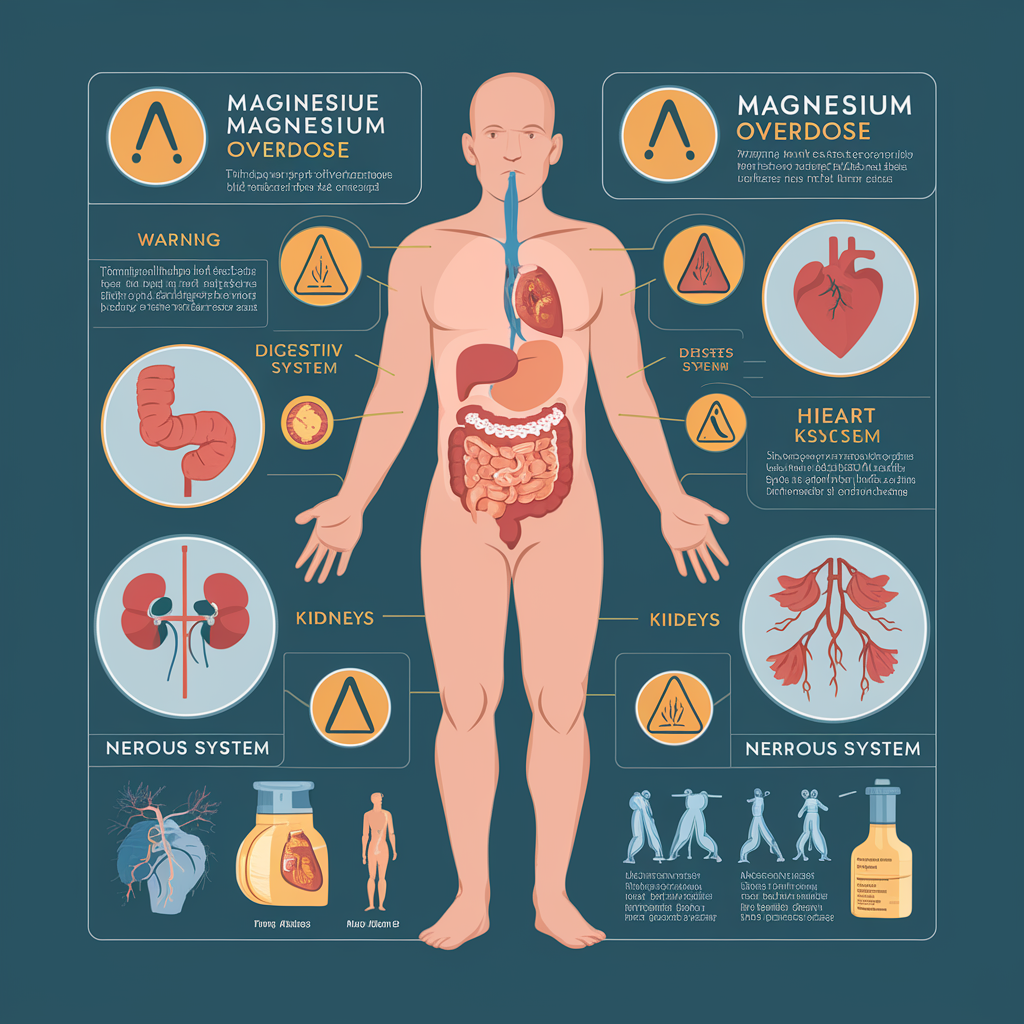
Magnesium Overdose: Causes and Risk Factors
Magnesium toxicity, medically known as hypermagnesemia, typically occurs when blood magnesium levels exceed 2.6 mg/dL (1.05 mmol/L). The primary cause is excessive supplementation, often when individuals take multiple magnesium-containing products without realizing their cumulative effect. High-dose medications containing magnesium, such as certain antacids and laxatives, can also contribute significantly to overdose risk.
Kidney dysfunction represents a major risk factor because healthy kidneys efficiently excrete excess magnesium through urine. When kidney function is compromised, this natural protective mechanism fails, allowing magnesium to accumulate to toxic levels. Medical procedures involving magnesium administration, such as certain obstetric treatments or cardiac interventions, can also lead to elevated levels if not carefully monitored.
Several populations face heightened risk for magnesium toxicity. Elderly individuals often have reduced kidney function and may take multiple medications containing magnesium. People with chronic kidney disease cannot effectively eliminate excess magnesium, making even moderate supplementation potentially dangerous. Those taking multiple magnesium-containing products, including supplements, antacids, and laxatives, may unknowingly exceed safe limits.
Common scenarios leading to overdose include self-medicating with high-dose magnesium supplements for conditions like constipation or muscle cramps, combining multiple magnesium sources without medical supervision, and using magnesium-rich Epsom salt baths excessively, especially if consumed orally or absorbed through compromised skin.
Signs and Symptoms of Too Much Magnesium
Early Warning Signs
The first indicators of magnesium excess typically manifest in the digestive system. Diarrhea is often the earliest and most common symptom, occurring as the body attempts to eliminate excess magnesium through the intestines. This is frequently accompanied by nausea and vomiting, which can further complicate the situation by causing dehydration and electrolyte imbalances.
Abdominal cramping and loss of appetite are also early warning signs that shouldn’t be ignored. These gastrointestinal symptoms usually appear within hours of consuming too much magnesium and serve as the body’s natural warning system.
Moderate Symptoms
As magnesium levels continue to rise, more serious symptoms emerge. Muscle weakness becomes noticeable, often starting in the extremities and progressing centrally. Patients frequently report feelings of fatigue and lethargy that seem disproportionate to their activity level.
Cardiovascular symptoms become apparent at moderate toxicity levels. Low blood pressure (hypotension) may develop, causing dizziness and lightheadedness. Irregular heartbeat patterns, including bradycardia (slow heart rate), can occur and require immediate medical attention.
Severe Symptoms (Medical Emergency)
Severe magnesium toxicity represents a medical emergency requiring immediate intervention. Difficulty breathing may develop as respiratory muscles become affected by excess magnesium. Extreme muscle weakness can progress to paralysis, making it impossible to move voluntarily.
The most dangerous complications include cardiac arrest, where the heart stops beating effectively, and coma, indicating severe neurological depression. These symptoms typically occur when blood magnesium levels exceed 12 mg/dL and carry significant mortality risk without immediate treatment.

Side Effects and Health Complications
Gastrointestinal effects represent the most common side effects of excess magnesium intake. The osmotic effect of unabsorbed magnesium draws water into the intestines, leading to loose stools and diarrhea. This can result in dehydration, electrolyte imbalances, and nutrient malabsorption if prolonged.
Cardiovascular complications can be particularly serious. Magnesium affects cardiac conduction, and excess amounts can disrupt normal heart rhythm. Hypotension may become severe enough to compromise blood flow to vital organs. In extreme cases, complete heart block or cardiac arrest may occur.
Neurological impacts include confusion, drowsiness, and in severe cases, loss of consciousness. Magnesium affects neurotransmitter function and nerve conduction, leading to altered mental status and impaired reflexes.
Magnesium can interact with various medications, affecting their absorption and effectiveness. It can reduce the absorption of certain antibiotics, bisphosphonates, and thyroid medications. Conversely, some medications like diuretics and proton pump inhibitors can affect magnesium levels.
Long-term health consequences of chronic magnesium excess may include kidney damage, particularly in individuals with pre-existing kidney disease. Persistent diarrhea can lead to malnutrition and other electrolyte imbalances. The condition becomes dangerous when cardiovascular or respiratory function is compromised.
Safe Magnesium Dosage Guidelines
Recommended Daily Allowances (RDA)
The Recommended Daily Allowances for magnesium are carefully established based on extensive research. For infants 0-6 months, the adequate intake is 30mg daily, increasing to 75mg for 7-12 months. Children 1-3 years need 80mg, while those 4-8 years require 130mg daily.
Adolescents have higher requirements due to rapid growth. Girls 9-13 years need 240mg, increasing to 360mg for ages 14-18. Boys 9-13 years require 240mg, jumping to 410mg for ages 14-18. Adult men need 400-420mg daily, while adult women require 310-320mg.
Pregnant women have increased needs: 350mg for ages 14-18 and 360mg for ages 19-30. Breastfeeding women need 310mg (ages 14-18) or 320mg (ages 19-30). Elderly individuals may need the same amounts as younger adults, but absorption efficiency often decreases with age.
Upper Intake Limits (UL)
The FDA has established Upper Intake Limits specifically for supplemental magnesium to prevent toxicity. For adults and children over 9 years, the UL is 350mg daily from supplements only. This limit doesn’t include magnesium from food sources, as dietary magnesium rarely causes toxicity in healthy individuals.
Different forms of magnesium have varying absorption rates and bioavailability. Magnesium oxide, while common and inexpensive, has relatively poor absorption (4-10%). Magnesium citrate offers better absorption (16-20%), while magnesium glycinate provides excellent bioavailability with minimal digestive side effects.
Different Types of Magnesium and Their Safety Profiles
Understanding different magnesium forms is crucial for safe supplementation. Magnesium oxide contains the highest elemental magnesium content but has poor absorption and commonly causes digestive upset. It’s often used in lower-quality, inexpensive supplements and antacids.
Magnesium citrate offers improved absorption and is less likely to cause severe diarrhea, though loose stools may still occur. It’s commonly used in magnesium supplements and as a gentle laxative. Magnesium glycinate (bisglycinate) is chelated to amino acids, providing superior absorption with minimal digestive side effects, making it ideal for sensitive individuals.
Magnesium chloride can be used both orally and topically. Topical application through oils or baths may provide benefits while avoiding digestive issues, though absorption through intact skin is limited. Oral magnesium chloride has good bioavailability but may cause stomach upset in sensitive individuals.

How to Prevent Magnesium Toxicity
Safe Supplementation Practices
Preventing magnesium toxicity begins with careful label reading. Always check the elemental magnesium content, not just the total compound weight. Start with lower doses (100-200mg) and gradually increase if needed, allowing your body to adjust. Take magnesium supplements with food to improve tolerance and reduce digestive upset.
Timing matters significantly. Divide larger doses throughout the day rather than taking them all at once. This approach improves absorption and reduces the risk of digestive side effects. Avoid taking magnesium within 2 hours of certain medications to prevent absorption interference.
Monitoring Your Intake
Track all magnesium sources, including supplements, medications, and fortified foods. Many people overlook hidden sources like antacids, laxatives, and some multivitamins. Keep a supplement diary or use smartphone apps designed for tracking nutrient intake.
Regular monitoring becomes especially important for high-risk individuals. Those with kidney disease, elderly patients, and people taking multiple medications should work closely with healthcare providers to establish safe intake levels and monitoring schedules.
What to Do if You Suspect Magnesium Overdose
If you suspect magnesium overdose, take immediate action. Stop all magnesium supplementation and contact a healthcare provider or poison control center. For mild symptoms like diarrhea, increase fluid intake to prevent dehydration and consider seeking medical advice if symptoms persist or worsen.
Seek emergency medical care immediately if you experience severe symptoms such as difficulty breathing, extreme muscle weakness, irregular heartbeat, or altered consciousness. Provide healthcare providers with complete information about all magnesium sources, including supplements, medications, and approximate dosages taken.
Treatment typically involves supportive care and may include IV fluids, calcium gluconate to counteract magnesium’s effects, and in severe cases, dialysis to remove excess magnesium from the blood. Recovery time varies depending on severity and how quickly treatment begins.
Special Considerations and Populations
Kidney Disease Patients
Individuals with kidney disease face significantly enhanced risk factors for magnesium toxicity. Even normal supplement doses can become dangerous when kidney function is impaired. These patients require modified dosing guidelines, often needing to avoid magnesium supplements entirely unless specifically prescribed and monitored by a nephrologist.
Medical supervision is essential for kidney disease patients. Regular blood tests to monitor magnesium levels become crucial, and any supplementation must be carefully coordinated with other treatments and medications.
Pregnancy and Breastfeeding
Pregnant women have increased magnesium needs but must be cautious about supplementation. Safe limits during pregnancy should not exceed the established UL of 350mg from supplements. Some pregnant women may need higher amounts for specific medical conditions, but this should only occur under medical supervision.
Breastfeeding mothers also need adequate magnesium, but excessive intake can affect breast milk composition and potentially harm the nursing infant. Both mother and baby face risks from magnesium overconsumption during this critical period.
Expert Recommendations and Best Practices
Healthcare providers consistently recommend starting with dietary sources before considering supplements. A balanced diet rich in magnesium-containing foods like leafy greens, nuts, seeds, and whole grains often provides adequate amounts for most people.
Pharmacists emphasize the importance of quality supplement selection. Look for third-party tested products from reputable manufacturers. Avoid products making unrealistic claims or containing excessive doses. Red flags include supplements containing more than 400mg of elemental magnesium per serving or products lacking proper labeling.
Medical professionals stress the importance of individualized approaches. What works for one person may not be appropriate for another, especially considering factors like age, health status, medications, and dietary intake.
Frequently Asked Questions
Can you overdose on magnesium from food alone?
Magnesium toxicity from food sources alone is extremely rare in healthy individuals. The kidneys efficiently regulate magnesium levels, and foods contain other nutrients that help balance absorption. However, people with kidney disease may need to monitor even dietary magnesium intake.
How long does it take for magnesium levels to normalize?
In healthy individuals, excess magnesium is typically eliminated within 24-48 hours through increased urinary excretion. However, recovery from severe toxicity may take several days, especially if kidney function is compromised.
What medications interact with magnesium?
Magnesium can interact with antibiotics (quinolones, tetracyclines), bisphosphonates, thyroid medications, and certain heart medications. It can also enhance the effects of muscle relaxants and blood pressure medications.
Is topical magnesium safer than oral supplements?
Topical magnesium generally poses less risk of systemic toxicity, but absorption through intact skin is limited. It may be beneficial for localized muscle tension but shouldn’t be considered equivalent to oral supplementation for addressing deficiency.
How do I know if my magnesium supplement is too strong?
Start with digestive symptoms like loose stools or diarrhea, which often indicate you’re taking too much. Other early signs include nausea, fatigue, or muscle weakness. If you experience these symptoms, reduce your dose and consult a healthcare provider.
Conclusion
Understanding the risks and benefits of magnesium supplementation is essential for safe and effective use. While magnesium is crucial for optimal health, too much can lead to serious complications ranging from digestive upset to life-threatening cardiac issues. The key takeaways for safe magnesium use include respecting established upper limits, starting with lower doses, monitoring for early warning signs, and seeking professional guidance when in doubt.
A balanced approach that considers individual needs, health status, and other medications provides the best foundation for safe supplementation. Remember that more isn’t always better, and the goal should be meeting your body’s needs without exceeding safe limits. When to seek professional guidance includes any concerns about dosing, persistent side effects, or if you have underlying health conditions that may affect magnesium metabolism.
Final safety reminders emphasize the importance of reading labels carefully, avoiding multiple magnesium sources without medical supervision, and being particularly cautious if you have kidney disease or take medications that interact with magnesium. By following these guidelines and working with healthcare providers when appropriate, you can safely harness magnesium’s benefits while avoiding the risks of overconsumption.