

Testosterone is a vital hormone that affects numerous aspects of health in both men and women. While widely recognized for its role in male development and sexual function, testosterone’s influence extends far beyond these areas. As we age, our testosterone levels naturally fluctuate, creating different baselines throughout our lives. Understanding these normal ranges can help identify potential health issues and guide appropriate interventions. This comprehensive guide explores testosterone levels by age for both men and women, explaining what’s normal, when to be concerned, and how various factors influence this crucial hormone.
Understanding Testosterone Basics
Testosterone is a steroid hormone primarily produced in the testes for men and, in smaller amounts, in the ovaries for women. The adrenal glands also produce small quantities in both sexes. As the principal male sex hormone, testosterone belongs to a class called androgens, but it plays essential roles in all bodies regardless of sex.
In men, testosterone drives the development of male sexual characteristics during puberty, including deepening voice, facial hair growth, and genital development. It continues to regulate sperm production, sex drive, muscle mass, bone density, red blood cell production, and fat distribution throughout life.
Women produce about 5-10% of the testosterone amount found in men, but this smaller quantity remains crucial for bone strength, ovarian function, sexual desire, and overall energy levels.
Testosterone levels are typically measured in nanograms per deciliter (ng/dL) or nanomoles per liter (nmol/L) of blood. The most common and accurate testing method is a blood test that measures “total testosterone” (both free and bound forms in the bloodstream). Free testosterone tests specifically measure the unbound, biologically active hormone.
Normal Testosterone Levels in Men by Age
Testosterone production in males increases dramatically during puberty, peaks in early adulthood, and then gradually declines with age. Understanding these natural patterns helps distinguish between normal age-related changes and potential health concerns.
Adolescents (12-17 years): Boys experience a significant surge in testosterone during puberty. Levels typically range from 100-1,200 ng/dL, with wide variations as development progresses. This surge drives the physical changes associated with male puberty.
Young adults (18-25 years): Testosterone peaks during this period, with healthy ranges typically between 400-1,000 ng/dL. Most men experience their highest lifetime levels during these years.
Adults (26-40 years): Levels remain relatively stable but may begin a slight decline, typically ranging from 400-950 ng/dL.
Middle-aged men (41-55 years): A more noticeable decline begins, with average levels between 350-890 ng/dL. Some men may experience symptoms of lower testosterone during this period.
Older men (56-70 years): The decline continues with typical ranges of 300-720 ng/dL. About 30% of men in this age group have levels below what’s considered normal for younger men.
Elderly men (71+ years): Levels typically range from 200-600 ng/dL, with greater individual variation.
Most medical professionals consider levels below 300 ng/dL in adult men to be low (hypogonadism), potentially warranting further investigation if symptoms are present. However, what constitutes “low” should always be considered in context with age and individual health factors.
Normal Testosterone Levels in Women by Age
Women have much lower testosterone levels than men, but these smaller amounts play crucial roles in female health. Like men, women experience age-related changes in testosterone production, particularly around reproductive transitions.
Adolescent girls (12-17 years): During puberty, girls experience a modest increase in testosterone, with levels typically between 10-40 ng/dL. This contributes to growth spurts, bone development, and the emergence of some secondary sexual characteristics.
Young adult women (18-25 years): Levels generally range from 15-70 ng/dL, with variations occurring throughout the menstrual cycle.
Adult women (26-40 years): Testosterone typically remains stable at 15-70 ng/dL, with slight fluctuations related to menstrual cycles. Levels are generally highest around ovulation.
Perimenopausal women (41-50 years): As women approach menopause, testosterone may decrease gradually, with ranges typically between 10-55 ng/dL. However, the decline is less dramatic than estrogen’s drop.
Postmenopausal women (51+ years): After menopause, levels typically range from 5-40 ng/dL. By this stage, women produce most of their testosterone in the adrenal glands rather than the ovaries.
During pregnancy, women experience elevated testosterone levels, which can increase up to 80% above baseline. These higher levels contribute to fetal development but return to normal after childbirth.
It’s important to note that while men’s testosterone levels are approximately 7-10 times higher than women’s, even small variations outside the normal female range can cause noticeable symptoms and health effects.
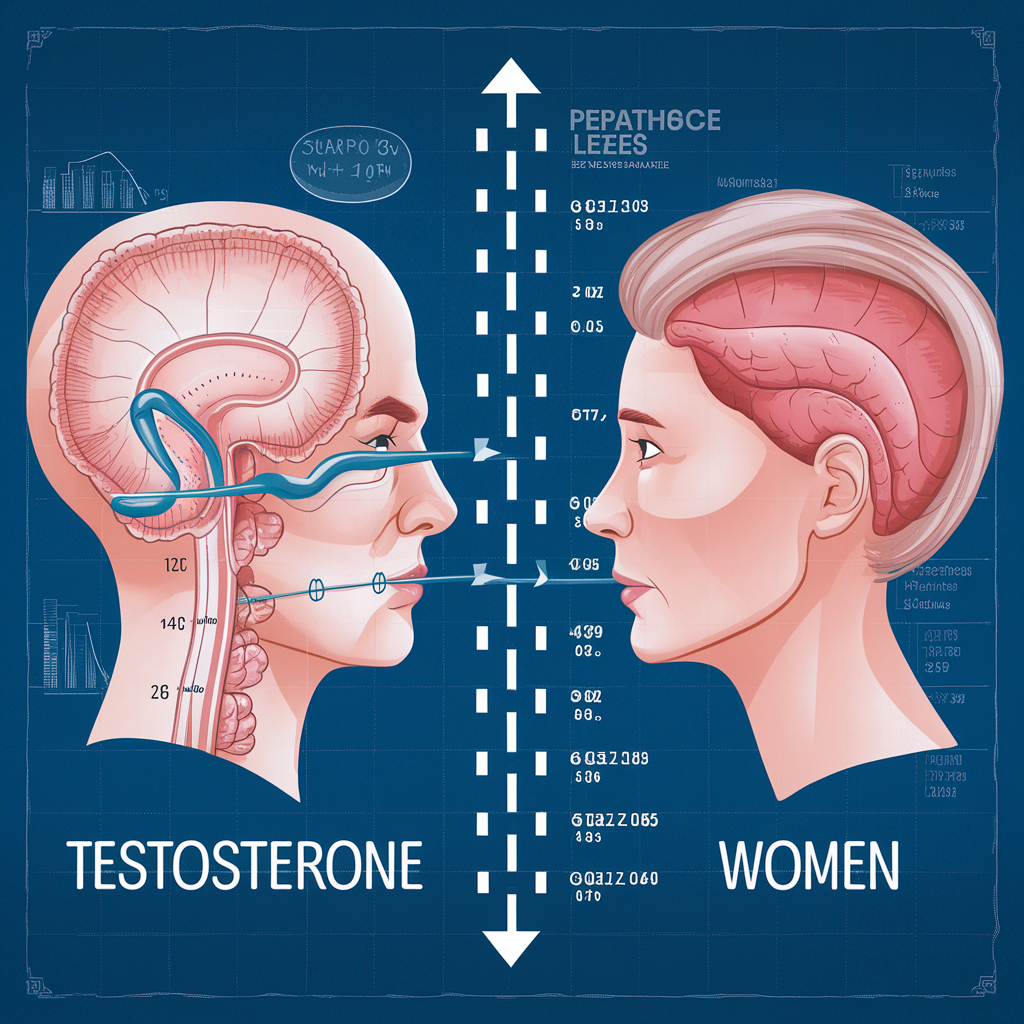
Health Effects of Testosterone in Men
Testosterone influences virtually every system in the male body, with effects that extend far beyond sexual function. Understanding these impacts helps clarify why maintaining appropriate levels is crucial for overall health.
Physical effects: Testosterone directly influences muscle protein synthesis, promoting muscle growth and strength. It also supports bone mineral density, helping prevent osteoporosis and fractures. The hormone influences fat distribution, with higher levels generally associated with less abdominal fat and better body composition.
Sexual function and reproductive health: Testosterone drives libido (sex drive) and is necessary for normal erectile function, though not the only factor involved. It’s essential for sperm production and overall reproductive health.
Mental and emotional impacts: The hormone affects mood regulation, with low levels often associated with irritability, depression, and reduced sense of well-being. It influences energy levels, motivation, and certain aspects of cognitive function, including spatial abilities and memory.
Signs of low testosterone may include decreased sex drive, erectile dysfunction, fatigue, reduced muscle mass, increased body fat, decreased bone density, mood changes, and diminished cognitive function. When these symptoms coincide with below-normal levels, a diagnosis of hypogonadism may be appropriate.
Signs of excessive testosterone (less common naturally but can occur with supplement abuse) include aggressive behavior, acne, hair loss, elevated red blood cell counts, reduced testicular size, decreased sperm production, and increased risk of cardiovascular problems.
Health Effects of Testosterone in Women
Though present in smaller amounts, testosterone significantly impacts women’s health and well-being. The delicate hormonal balance between testosterone and estrogen influences numerous bodily functions.
Role in overall health: Testosterone contributes to muscle and bone maintenance, helps regulate menstruation, and supports general tissue health. It works alongside estrogen to maintain reproductive health and general vitality.
Impact on libido and sexual function: Testosterone is a primary driver of sexual desire in women. It enhances genital sensitivity and contributes to sexual satisfaction. Low levels often correlate with reduced sexual interest and arousal.
Effects on mood and cognition: The hormone influences energy levels, motivation, and mood stability. Some research suggests it may help maintain certain cognitive functions, particularly spatial awareness.
Muscle strength and bone density: Testosterone contributes to maintaining muscle mass and strength in women, though to a lesser degree than in men. It also supports bone mineral density, reducing fracture risk alongside estrogen.
Signs of low testosterone in women may include decreased libido, reduced sexual satisfaction, fatigue, muscle weakness, diminished motivation, and mood changes including depression.
Signs of excessive testosterone include irregular menstrual cycles, acne, excess facial and body hair (hirsutism), male-pattern baldness, deepening voice, and clitoral enlargement. Conditions like polycystic ovary syndrome (PCOS) often involve elevated testosterone levels.
Factors That Influence Testosterone Levels
Multiple factors beyond age can impact testosterone production and regulation. Understanding these influences helps explain individual variations and identify modifiable factors.
Genetic factors: Family history influences baseline testosterone levels and how they change with age. Certain genetic conditions can affect testosterone production or function.
Lifestyle influences:
– Exercise and physical activity: Regular resistance training can temporarily boost testosterone, while excessive endurance exercise may lower it. Moderate, consistent exercise generally supports healthy levels.
– Diet and nutrition: Nutritional deficiencies, particularly zinc, vitamin D, and magnesium, can impair testosterone production. Extreme calorie restriction reduces levels, while obesity is associated with lower testosterone in men.
– Sleep quality and patterns: Testosterone production peaks during REM sleep. Chronic sleep deprivation or poor sleep quality can significantly reduce levels.
– Stress levels: Chronic stress elevates cortisol, which can suppress testosterone production. Stress management supports hormonal balance.
Medical conditions that affect testosterone include hypogonadism, pituitary disorders, thyroid dysfunction, diabetes, obesity, liver or kidney disease, HIV/AIDS, and certain genetic conditions.
Medications that can alter hormone levels include opioids, glucocorticoids (like prednisone), certain antidepressants, chemotherapy drugs, and some blood pressure medications.
Environmental factors such as exposure to endocrine-disrupting chemicals in plastics, pesticides, and industrial chemicals may impair testosterone production or function.
When to Be Concerned About Testosterone Levels
While testosterone naturally fluctuates with age, certain patterns and symptoms warrant medical attention. Distinguishing between normal changes and problematic imbalances is key to appropriate intervention.
Warning signs of abnormally low testosterone in men include severe fatigue unrelated to activity level, complete loss of libido, erectile dysfunction not responsive to standard treatments, development of breast tissue (gynecomastia), significant reduction in muscle mass despite activity, and bone fractures with minimal trauma.
Symptoms of problematically high testosterone include extreme mood swings or aggression, excessive acne in adulthood, significant hair loss, enlarged prostate with urinary symptoms, and abnormal blood test results showing elevated red blood cell counts.
Age-specific concerns: For adolescents, delayed puberty or failure to develop secondary sexual characteristics may indicate testosterone deficiency. In younger adults, unexplained low levels warrant thorough investigation as they’re less likely to be age-related. In older adults, distinguishing between normal age-related decline and clinical deficiency requires careful symptom assessment.
When to seek medical attention: Consider consulting a healthcare provider if you experience persistent symptoms of hormone imbalance, particularly when they affect quality of life. Sudden changes in sexual function, energy levels, or mood that persist beyond a few weeks deserve evaluation.
Temporary vs. chronic issues: Temporary dips in testosterone can occur due to illness, extreme stress, poor sleep, or intense physical training. These typically resolve when the underlying cause is addressed. Persistent low or high levels over multiple tests suggest a chronic condition requiring medical management.
Testing and Monitoring Testosterone Levels
Accurate assessment of testosterone levels requires appropriate testing methods and interpretation within the context of age, sex, and individual health factors.
Available test types:
– Blood tests: The most accurate method measures total testosterone (both free and bound forms). Specialized tests can measure free testosterone specifically, which represents the biologically active form.
– Saliva tests: Less invasive but also less reliable than blood tests. May be used for initial screening or repeated monitoring.
Test preparation: For the most accurate results, testing should typically occur in the morning when levels are naturally highest, especially for men. Fasting is not usually required, but extreme exercise, alcohol consumption, or certain medications should be avoided shortly before testing.
Interpreting results requires considering the reference ranges for your age and sex. A single low reading may not be diagnostic; repeated measurements showing consistently abnormal levels provide more reliable information. Results should always be interpreted in the context of symptoms and overall health.

Monitoring recommendations: For men with diagnosed testosterone deficiency, levels are typically checked 3-6 months after starting treatment, then annually thereafter. Women being treated for specific conditions related to testosterone imbalance may need monitoring every 3-6 months until stable.
Home testing options have become increasingly available through mail-in kits. While convenient, these generally provide less comprehensive information than clinical testing and may have greater variability. They’re best used for preliminary screening or between clinical visits, not as replacements for medical evaluation.
Management and Treatment Options
Approaches to managing testosterone imbalances depend on the cause, severity, age, and individual health considerations. Treatment options range from lifestyle modifications to medical interventions.
Lifestyle modifications to naturally support testosterone levels include:
– Maintaining healthy body weight (addressing obesity if present)
– Regular resistance training and moderate cardiovascular exercise
– Adequate sleep (7-8 hours nightly)
– Stress management techniques
– Balanced nutrition with sufficient protein, healthy fats, and micronutrients
– Limiting alcohol consumption
– Avoiding tobacco and recreational drugs
Medical treatments for low testosterone include several forms of testosterone replacement therapy (TRT):
– Injections: Administered every 1-2 weeks, providing fluctuating levels
– Transdermal applications: Daily gels or patches delivering steady hormone levels
– Subcutaneous pellets: Implanted every 3-6 months for consistent delivery
– Oral testosterone: Less commonly used due to potential liver effects
– Nasal applications: Newer options requiring multiple daily doses
Benefits of testosterone therapy when appropriately prescribed can include improved energy, increased muscle mass, enhanced bone density, better libido and sexual function, and improved mood and cognitive function. However, risks may include sleep apnea, increased red blood cell production (polycythemia), acne, breast enlargement, testicular shrinkage, reduced fertility, and potential cardiovascular effects in certain populations.
Approaches for high testosterone depend on the underlying cause. For conditions like PCOS in women, treatments may include hormonal birth control, metformin, spironolactone, or lifestyle modifications. For tumors producing excess testosterone, surgical removal may be necessary.
Age-specific treatment considerations are important, as therapy goals and risk profiles differ across life stages. For adolescents with delayed puberty, treatment focuses on enabling normal development. For men in their reproductive years, fertility preservation may be a priority. For older adults, balancing symptom relief against potential risks becomes central to treatment decisions.
Frequently Asked Questions
Is testosterone replacement therapy safe for older men?
Safety depends on individual health status. Men with pre-existing heart disease, uncontrolled high blood pressure, sleep apnea, or prostate cancer require careful consideration. Benefits and risks should be thoroughly discussed with healthcare providers.
Does natural testosterone decline always require treatment?
No. Age-related decline without significant symptoms may not require medical intervention. Treatment is generally considered when low levels coincide with symptoms that impact quality of life.
What’s the relationship between testosterone and prostate health?
While testosterone doesn’t cause prostate cancer, it can stimulate existing cancer cells. Men with a history of prostate cancer typically need specialized consideration before starting testosterone therapy.
How do testosterone levels affect women’s fertility?
Both excessively high and low levels can disrupt ovulation and menstrual regularity. Balanced testosterone contributes to normal reproductive function.
Should athletes monitor their testosterone levels differently?
Athletes engaged in intense training may experience temporary fluctuations in testosterone. Monitoring can help distinguish between normal training effects and potential deficiencies requiring attention.
How do transgender hormone therapies affect testosterone levels?
Transgender men taking testosterone typically aim for male-range levels. Transgender women using estrogen and anti-androgens typically have testosterone suppressed to female ranges. Specialized monitoring protocols are recommended for these populations.
Are over-the-counter testosterone boosters effective?
Most supplements lack substantial evidence for significantly increasing testosterone. Some may contain ingredients with modest effects on hormone levels, but prescription treatments remain far more effective for diagnosed deficiencies.
Does insurance typically cover testosterone testing and treatment?
Coverage varies significantly by provider. Testing is generally covered when medically indicated. Treatment coverage depends on diagnosis, documentation of symptoms, and specific insurance policies.
Conclusion
Testosterone plays a vital role throughout life for both men and women, with natural fluctuations occurring across different age ranges. Understanding these normal patterns helps distinguish between expected changes and potential health concerns requiring attention.
For men, testosterone levels peak in early adulthood and gradually decline thereafter, while women maintain lower but essential levels that shift during reproductive transitions. These changes affect physical health, sexual function, mood, cognition, and overall vitality.
Multiple factors beyond age—including genetics, lifestyle choices, medical conditions, and environmental exposures—influence testosterone balance. Many of these factors can be modified to support healthier hormone levels naturally.
When considering potential testosterone imbalances, individualized assessment is crucial. What constitutes “normal” varies widely, and treatment decisions should consider overall health status, symptoms, personal goals, and potential risks and benefits.
If you’re experiencing symptoms that may relate to testosterone imbalance, consult with healthcare professionals who can provide appropriate testing, interpretation, and personalized recommendations. Endocrinologists, urologists, and reproductive specialists offer specialized expertise for complex hormonal concerns.
References
1. American Urological Association. (2018). Evaluation and Management of Testosterone Deficiency.
2. Bhasin, S., et al. (2018). Testosterone Therapy in Men With Hypogonadism: An Endocrine Society Clinical Practice Guideline. Journal of Clinical Endocrinology & Metabolism, 103(5), 1715-1744.
3. Davis, S. R., & Wahlin-Jacobsen, S. (2015). Testosterone in women—the clinical significance. The Lancet Diabetes & Endocrinology, 3(12), 980-992.
4. Harvard Health Publishing. (2019). Testosterone—What It Does And Doesn’t Do.
5. Mayo Clinic. (2021). Testosterone therapy: Potential benefits and risks as you age.
6. National Institutes of Health. (2020). Understanding How Testosterone Affects Men.
7. The Endocrine Society. (2018). Clinical Practice Guidelines for Hypogonadism.
8. World Health Organization. (2022). Laboratory manual for the examination and processing of human semen.