

Soy lecithin has become one of the most widely used food additives and dietary supplements in the modern food industry, appearing in everything from chocolate bars to infant formula. This versatile compound, derived from soybeans, serves as both an emulsifier in food production and a potential health-supporting supplement. Whether you’re curious about its presence in your favorite foods or considering it as a dietary supplement, understanding soy lecithin’s benefits, uses, and safety profile is essential for making informed decisions about your health and nutrition.
What is Soy Lecithin?
Definition and Basic Properties
Soy lecithin is a natural phospholipid compound extracted from soybeans that belongs to a group of fatty substances called phosphatides. Scientifically, lecithin consists primarily of phosphatidylcholine, phosphatidylethanolamine, and phosphatidylinositol, which are essential components of cell membranes throughout the human body. These phospholipids play crucial roles in cellular function, helping maintain membrane structure and facilitating the transport of nutrients and waste products across cell walls.
The compound gets its name from the Greek word “lekithos,” meaning egg yolk, where lecithin was first discovered in 1845. However, soy lecithin offers a plant-based alternative that has become the preferred choice for many food manufacturers and health-conscious consumers due to its vegetarian-friendly nature and cost-effectiveness compared to egg-derived lecithin.
Types and Forms
Soy lecithin is available in several forms to meet different commercial and consumer needs:
- Liquid soy lecithin: A viscous, honey-like substance that’s commonly used in commercial food production and baking applications
- Powdered soy lecithin: A dry, granular form that’s easier to measure and incorporate into dry mixtures and supplement formulations
- Granulated soy lecithin: Coarser granules that are popular among health food stores and home bakers
- Standardized varieties: Products with guaranteed phospholipid content for consistent quality and potency
Production Process
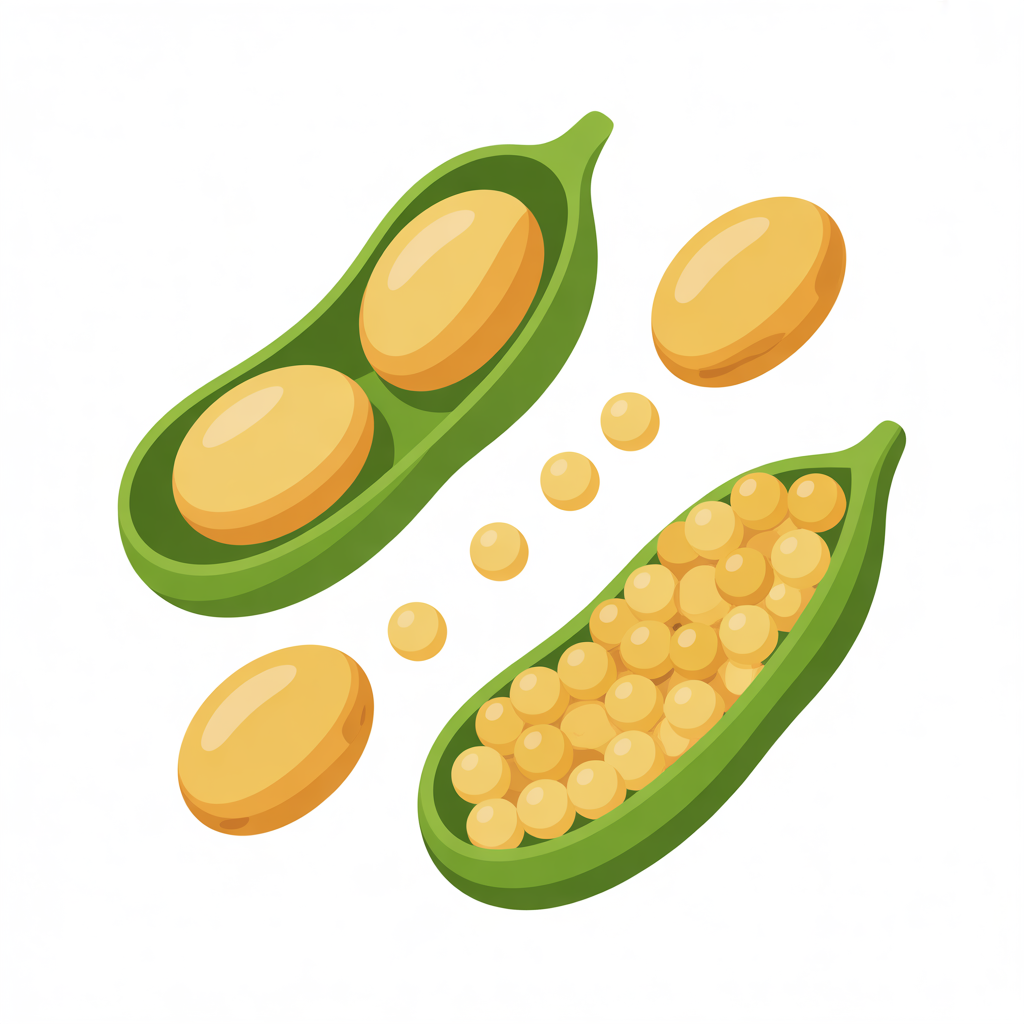
The extraction of soy lecithin from soybeans involves a multi-step process that begins with crushing and processing soybeans to extract soybean oil. During this oil extraction process, lecithin naturally separates as a byproduct. The crude lecithin undergoes further purification through processes including degumming, bleaching, and deodorizing to remove impurities and create the final product.
Quality control standards ensure that commercial soy lecithin meets food safety requirements and maintains consistent phospholipid content. Many manufacturers also offer organic and non-GMO certified versions to meet specific consumer preferences and dietary requirements.
Health Benefits of Soy Lecithin
Cardiovascular Health
Research suggests that soy lecithin may support cardiovascular health through several mechanisms. The phosphatidylcholine content in soy lecithin may help support healthy cholesterol levels by acting as an emulsifier, potentially helping to prevent cholesterol from adhering to arterial walls. Some studies indicate that regular consumption of lecithin may contribute to maintaining healthy blood lipid profiles.
The compound may also support overall heart health by providing essential fatty acids that are important for cardiovascular function. However, it’s important to note that while these benefits show promise, maintaining a heart-healthy diet, regular exercise, and consulting with a healthcare professional remain the most important steps for cardiovascular wellness.
Brain and Cognitive Function
One of the most studied aspects of soy lecithin relates to its potential cognitive benefits. The phosphatidylcholine in lecithin serves as a precursor to choline, an essential nutrient that plays a vital role in brain function, memory formation, and neurotransmitter synthesis. Adequate choline intake is particularly important during pregnancy and early childhood development for proper brain development.
Some research suggests that lecithin supplementation may support memory function and cognitive performance, particularly in older adults. The compound may also play a role in maintaining the structural integrity of brain cell membranes, which is crucial for optimal neurological function.
Liver Health
Soy lecithin may support liver health through its role in fat metabolism and cellular membrane maintenance. The phospholipids in lecithin are essential components of liver cell membranes and may help support the liver’s natural detoxification processes. Some studies suggest that lecithin supplementation may be beneficial for individuals with non-alcoholic fatty liver conditions, though more research is needed to establish definitive benefits.
The compound may also help support the liver’s ability to process and metabolize fats, which is crucial for maintaining healthy liver function and overall metabolic health.
Other Potential Benefits
Beyond cardiovascular, cognitive, and liver health, soy lecithin may offer additional health benefits:
- Skin health: The essential fatty acids in lecithin may help maintain skin hydration and barrier function
- Digestive support: As an emulsifier, lecithin may aid in the digestion and absorption of fat-soluble vitamins
- Athletic performance: Some athletes use lecithin supplements to support energy metabolism and recovery
Common Uses and Applications
Food Industry Applications
Soy lecithin serves as a crucial ingredient in countless food products due to its excellent emulsifying properties. As an emulsifier, it helps bind together ingredients that would naturally separate, such as oil and water, creating smoother textures and improved product stability.
In the baking industry, soy lecithin improves dough handling properties, extends shelf life, and creates more uniform textures in breads, cakes, and pastries. Chocolate manufacturers rely heavily on soy lecithin to create the smooth, creamy texture that consumers expect, while reducing the amount of cocoa butter needed in production.
The compound is also essential in the production of margarine, spreads, and various processed foods, where it helps maintain consistency and prevents ingredient separation during storage.

Supplement Industry
In the dietary supplement market, soy lecithin is available in various forms including soft gel capsules, powders, and granules. Many people choose lecithin supplements to support brain health, cardiovascular wellness, or general nutritional needs. The supplement industry often combines lecithin with other nutrients like omega-3 fatty acids, vitamin E, or other phospholipids to create comprehensive formulations.
Healthcare professionals may recommend lecithin supplements for individuals who have difficulty obtaining adequate choline from their diet or for those seeking to support specific aspects of their health under professional guidance.
Industrial and Commercial Uses
Beyond food and supplements, soy lecithin finds applications in numerous industrial sectors. The cosmetics industry utilizes lecithin in skincare products and moisturizers due to its emulsifying properties and potential skin benefits. Pharmaceutical companies use lecithin as an excipient in various formulations to improve drug delivery and stability.
Even non-food industries, including paint and coating manufacturers, employ lecithin as a natural emulsifier and stabilizing agent in their products.
Soy Lecithin in Everyday Foods
Common Food Products Containing Soy Lecithin
Soy lecithin appears in an extensive range of everyday food products, often serving as a behind-the-scenes ingredient that improves texture, stability, and shelf life. Common items containing soy lecithin include:
- Chocolate and candy products
- Baked goods including breads, cakes, and cookies
- Infant formulas and nutrition drinks
- Margarine and butter alternatives
- Salad dressings and mayonnaise
- Ice cream and frozen desserts
- Protein powders and nutritional supplements
- Instant foods and mixes
Reading Food Labels
When examining food labels, soy lecithin typically appears in the ingredients list simply as “soy lecithin” or sometimes as “lecithin” with a note indicating its soy origin. The ingredient usually appears toward the end of the ingredients list, indicating that it’s present in relatively small quantities compared to primary ingredients.
For individuals with soy allergies or those following specific dietary protocols, understanding how to identify soy lecithin on labels is crucial for making appropriate food choices.
Dosage and How to Use
Recommended Dosages
While there isn’t an established recommended daily allowance for soy lecithin, typical supplement dosages range from 1-2 grams daily for general health support. Some studies have used higher doses ranging from 3-5 grams daily for specific health applications, though these amounts should only be used under professional guidance.
For those using lecithin granules or powder, common serving sizes range from 1-2 tablespoons daily, which typically provides between 1,200-2,400 mg of lecithin. Individual needs may vary based on age, health status, and specific health goals.
Best Practices for Consumption
Soy lecithin supplements can be taken with or without food, though some people find that taking them with meals may reduce the likelihood of minor digestive discomfort. The granular form can be easily mixed into smoothies, yogurt, or sprinkled over cereal, while powder forms blend well into beverages.
For optimal absorption and to minimize potential digestive effects, it’s advisable to start with smaller doses and gradually increase as tolerated. Staying well-hydrated when taking lecithin supplements is also recommended.
Supplement Selection
When choosing a soy lecithin supplement, look for products from reputable manufacturers that provide clear labeling about phospholipid content and purity. Third-party testing for contaminants and potency verification can provide additional assurance of product quality.
Consider whether organic or non-GMO certification is important for your dietary preferences, and check expiration dates to ensure freshness. Proper storage in a cool, dry place helps maintain the supplement’s stability and effectiveness.
Safety and Side Effects
General Safety Profile
Soy lecithin is generally recognized as safe (GRAS) by food safety authorities and has a long history of use in food products without significant adverse effects in the general population. Most people can consume soy lecithin through foods and supplements without experiencing negative effects when used appropriately.
Long-term use studies suggest that soy lecithin consumption at typical dietary levels appears to be safe for most individuals. However, as with any supplement, individual responses may vary, and it’s always wise to consult with a healthcare professional before starting any new supplementation regimen.
Potential Side Effects
While generally well-tolerated, some individuals may experience mild side effects when consuming soy lecithin supplements, particularly at higher doses. Potential side effects may include:
- Mild digestive discomfort, including bloating or loose stools
- Nausea, particularly when taken on an empty stomach
- Stomach upset or feeling of fullness
- Rarely, skin reactions in sensitive individuals
These effects are typically mild and often resolve by reducing the dosage or taking the supplement with food.
Who Should Be Cautious
Certain groups should exercise particular caution or consult healthcare providers before using soy lecithin supplements:
- Pregnant and breastfeeding women: While food amounts are generally considered safe, supplement doses should be discussed with healthcare providers
- Individuals with soy allergies: Though highly refined soy lecithin contains minimal soy proteins, those with severe allergies should consult allergists
- People with hormone-sensitive conditions: Due to potential trace amounts of soy compounds, consultation with healthcare providers is recommended
- Those taking blood-thinning medications: Professional guidance is advised due to potential interactions
Dietary Considerations and Restrictions
Soy Allergies
One of the most important considerations regarding soy lecithin involves its relationship to soy allergies. The good news for most people with soy allergies is that highly refined soy lecithin typically contains extremely low levels of soy proteins, which are the components responsible for allergic reactions.
Many individuals with soy allergies can tolerate soy lecithin without problems, as the refining process removes most allergenic proteins. However, those with severe soy allergies or uncertain tolerance levels should consult with allergists or healthcare providers before consuming products containing soy lecithin.
GMO Concerns
Since most commercial soybeans are genetically modified, conventional soy lecithin is typically derived from GMO sources. For consumers who prefer to avoid GMO products, certified organic or specifically labeled non-GMO soy lecithin options are available, though they may be more expensive than conventional versions.
The choice between GMO and non-GMO soy lecithin often comes down to personal preference, as current scientific evidence suggests that GMO and non-GMO soy lecithin are nutritionally equivalent.
Dietary Restrictions
Soy lecithin is suitable for most dietary restrictions:
- Vegetarian and vegan diets: Soy lecithin is plant-based and appropriate for these dietary choices
- Kosher and halal considerations: Many soy lecithin products carry appropriate certifications
- Paleo and keto diets: While opinions vary, many followers of these diets accept soy lecithin, particularly in small quantities as found in foods
Alternatives to Soy Lecithin
Plant-Based Alternatives
For individuals who prefer alternatives to soy lecithin or have soy allergies, several plant-based options are available:
Sunflower lecithin has gained popularity as the primary alternative to soy lecithin. Extracted from sunflower seeds, it offers similar emulsifying properties without soy-related concerns. Sunflower lecithin is often preferred by those following strict allergy protocols or seeking non-GMO options, as most sunflower crops are not genetically modified.
Other alternatives include lecithin derived from rapeseed, corn, and other plant sources, though these are less commonly available in consumer products.
Synthetic Alternatives
Food manufacturers sometimes use synthetic emulsifiers as alternatives to natural lecithin. These laboratory-created compounds can provide similar functional benefits in food production, though they may not offer the potential health benefits associated with natural phospholipids.
The choice between natural and synthetic emulsifiers often depends on specific product requirements, cost considerations, and consumer preferences for natural ingredients.
Scientific Research and Evidence
Current Research Status
The scientific literature on soy lecithin includes numerous studies examining its potential health benefits and safety profile. Research has focused primarily on its cardiovascular effects, cognitive benefits, and liver health support, with varying levels of evidence supporting different applications.
Clinical trials have shown promising results for lecithin’s potential role in supporting healthy cholesterol levels and cognitive function, particularly in older adults. However, many studies have been relatively small or short-term, indicating the need for larger, longer-duration research to establish more definitive conclusions.
Evidence Quality
The quality of evidence supporting soy lecithin’s health benefits varies depending on the specific application. Some benefits, such as its role as a source of choline for brain health, are well-established based on our understanding of choline’s importance in human nutrition.
Other potential benefits, while promising, require additional research to establish clear cause-and-effect relationships. Expert recommendations generally support the safe use of soy lecithin as part of a balanced diet while encouraging individuals to maintain realistic expectations about its potential health benefits.
Frequently Asked Questions
Is soy lecithin safe for daily consumption?
Yes, soy lecithin is generally safe for daily consumption for most people. It’s widely used in foods and has a good safety profile when consumed in typical amounts. However, as with any supplement, it’s wise to follow recommended dosages and consult with healthcare providers if you have specific health concerns.
Can soy lecithin help with weight loss?
While soy lecithin may support fat metabolism and liver function, there’s limited evidence to suggest it directly promotes weight loss. Any weight management benefits would likely be indirect, supporting overall metabolic health as part of a comprehensive diet and exercise program.
Is it suitable for people with soy allergies?
Many people with soy allergies can tolerate highly refined soy lecithin because the refining process removes most allergenic proteins. However, individuals with severe soy allergies should consult with their allergists before consuming products containing soy lecithin.
How does it compare to sunflower lecithin?
Both soy and sunflower lecithin provide similar emulsifying properties and potential health benefits. Sunflower lecithin is often preferred by those avoiding soy or GMO products, while soy lecithin is more widely available and typically less expensive.
Can children take soy lecithin supplements?
Children can generally consume soy lecithin through foods, but supplement use should be discussed with pediatric healthcare providers. Children’s nutritional needs differ from adults, and professional guidance ensures appropriate dosing and safety.
Does it interact with medications?
Soy lecithin has few known medication interactions, but individuals taking blood-thinning medications or other prescriptions should consult their healthcare providers before starting lecithin supplements to ensure safety and avoid potential interactions.
Conclusion
Soy lecithin stands out as a versatile and generally safe compound that serves important functions both in food production and as a dietary supplement. Its widespread use in the food industry demonstrates its effectiveness as an emulsifier, while emerging research suggests potential benefits for cardiovascular health, cognitive function, and liver support.
For most people, soy lecithin consumption through foods poses no concerns and may provide modest health benefits as part of a balanced diet. Those considering lecithin supplements should start with appropriate dosages, choose quality products, and be aware of potential side effects, though these are typically mild and uncommon.
While soy lecithin offers promising health benefits, it’s important to maintain realistic expectations and remember that no single supplement can replace the fundamental pillars of good health: a balanced diet, regular physical activity, adequate sleep, and stress management. Individuals with specific health concerns, allergies, or those taking medications should consult with qualified healthcare professionals before adding soy lecithin supplements to their routine.
Whether you encounter soy lecithin in your favorite chocolate bar or consider it as a supplement for health support, understanding its benefits, uses, and safety profile empowers you to make informed decisions that align with your individual health goals and dietary preferences.