

Sarsaparilla has been used for centuries as a powerful herbal remedy across various traditional medicine systems worldwide. This woody vine, with its distinctive root system, has gained attention for its potential to address numerous health concerns ranging from inflammatory conditions like arthritis to persistent skin problems. Despite its long history of traditional use, modern science is only beginning to uncover the evidence behind sarsaparilla’s purported benefits. This comprehensive guide explores everything you need to know about sarsaparilla – from its rich historical background to its science-backed benefits, proper usage guidelines, and important safety considerations to help you determine if this herb deserves a place in your wellness routine.
Introduction to Sarsaparilla
Sarsaparilla (Smilax genus) is a perennial woody vine belonging to the Smilacaceae family. The name “sarsaparilla” typically refers to various species of the Smilax genus, with the most commonly used medicinal varieties including Smilax ornata, Smilax regelii, Smilax glabra, and Smilax officinalis. The plant is characterized by its thorny stems, heart-shaped leaves, and small clusters of flowers that develop into berries.
Historically, sarsaparilla gained popularity in the 16th century when European explorers discovered its use among indigenous populations in Central and South America. Native peoples had been using the plant’s root for various medicinal purposes long before colonial contact. By the 19th century, sarsaparilla had become a common ingredient in tonics and was widely marketed as a “blood purifier” and treatment for conditions ranging from syphilis to rheumatism.
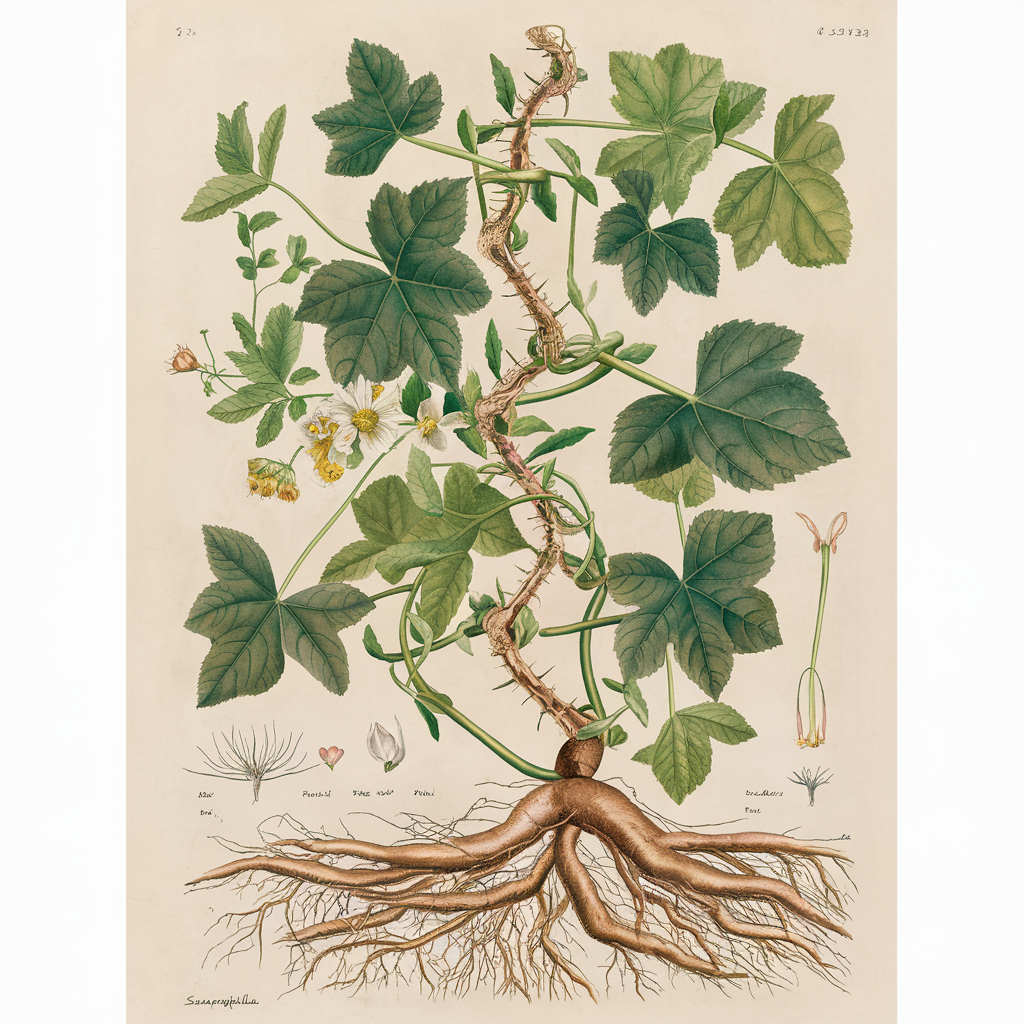
Sarsaparilla grows predominantly in tropical and subtropical regions across the globe. Wild species can be found throughout Central and South America, parts of North America, the Caribbean, and regions of Asia including China, Taiwan, and India. The plant thrives in humid forest environments with well-drained soil and partial shade. Today, commercial cultivation occurs primarily in countries like Mexico, Honduras, Jamaica, and parts of Southeast Asia.
What gives sarsaparilla its medicinal properties is its rich chemical composition. The roots contain several bioactive compounds including:
- Saponins (particularly sarsaponin)
- Flavonoids
- Steroidal glycosides
- Plant sterols (sitosterol and stigmasterol)
- Ferulic acid derivatives
- Various minerals and trace elements
These compounds, particularly the saponins, are believed to be responsible for many of sarsaparilla’s therapeutic effects, especially its anti-inflammatory and skin-healing properties.
Traditional Uses of Sarsaparilla Across Cultures
Sarsaparilla has a rich history of traditional use spanning multiple continents and healing traditions. Indigenous peoples of Central and South America were the first to harness its medicinal properties, using it primarily for skin ailments, fever, and digestive complaints. The root was prepared through decoction – a method of boiling the roots to extract their medicinal compounds.
In Ayurvedic medicine, certain Smilax species have been used as a cooling tonic and blood purifier. Known as “Chopchini” in some Ayurvedic texts, it was prescribed for inflammatory conditions and to address imbalances in the body’s doshas, particularly pitta (associated with heat and metabolism).
Traditional Chinese Medicine (TCM) has utilized Smilax glabra (known as Tu Fu Ling) for centuries. In TCM, sarsaparilla is categorized as having cooling properties and is used to clear heat and toxins from the body. It’s commonly prescribed for conditions characterized by dampness and heat, including skin eruptions, inflammatory disorders, and certain types of arthritis.
Native American healing traditions employed sarsaparilla for numerous purposes. Tribes across North America used various local Smilax species to treat skin conditions, promote wound healing, address joint pain, and as a general tonic for wellness. The Cherokee, for example, used sarsaparilla root decoctions for blood purification and treating skin eruptions.
Across these diverse traditional medicine systems, sarsaparilla has been consistently used for several key applications:
Joint and Arthritis Relief
Sarsaparilla has a long-standing reputation for alleviating joint pain and inflammation. Traditional healers prescribed it for various forms of arthritis, rheumatism, and general joint stiffness. The anti-inflammatory compounds in the root were believed to reduce swelling and pain while improving mobility.
Skin Condition Treatment
Perhaps its most widespread traditional use has been for skin conditions. Sarsaparilla was employed to address:
- Psoriasis: The herb was used both internally and externally to reduce the scaling, redness, and irritation associated with psoriasis.
- Eczema: Traditional applications included decoctions for drinking and topical preparations to soothe itchy, inflamed skin.
- Acne and other skin issues: Its purported blood-purifying properties made it a common remedy for persistent acne, boils, and other dermatological concerns.
Other Traditional Applications
Beyond joint and skin health, traditional healers used sarsaparilla for:
- Blood purification: It was widely regarded as a blood cleanser, used to address conditions believed to stem from “impure blood.”
- Digestive ailments: Preparations were used to treat indigestion, gas, bloating, and liver complaints.
- Fever and infections: Its cooling properties made it useful for reducing fevers and addressing certain infectious conditions.
- Reproductive health: In some traditions, it was used to address hormonal imbalances and as a tonic for both male and female reproductive systems.
Evidence-Based Health Benefits
While traditional uses of sarsaparilla are extensive, modern scientific research has begun to investigate these claims with varying degrees of support. Here’s what current evidence suggests about sarsaparilla’s potential health benefits:
Anti-inflammatory Properties
The anti-inflammatory effects of sarsaparilla have received significant scientific attention. Laboratory studies have demonstrated that certain compounds in sarsaparilla, particularly its saponins and flavonoids, can inhibit inflammatory pathways in the body.
Research specific to arthritis and joint pain has shown promise but remains preliminary. In animal studies, sarsaparilla extracts have been shown to reduce inflammatory markers and alleviate symptoms similar to those of rheumatoid arthritis. The mechanisms appear to involve the inhibition of pro-inflammatory cytokines and the modulation of immune responses that contribute to joint inflammation.
These effects are attributed to compounds like astilbin and sarsaponin, which have demonstrated the ability to suppress inflammatory pathways such as NF-κB and COX-2. However, large-scale human clinical trials are still needed to confirm these benefits in treating arthritis in humans.
Skin Health Benefits
Sarsaparilla’s use for skin conditions has some scientific backing. Studies investigating its effects on psoriasis have found that certain compounds in sarsaparilla may help by:
- Binding to endotoxins that may trigger psoriasis flares
- Reducing the rapid cell proliferation characteristic of psoriasis
- Decreasing inflammation in the skin
Research on sarsaparilla for eczema is more limited, though its anti-inflammatory properties could theoretically help manage symptoms. For acne, preliminary studies suggest that sarsaparilla’s antibacterial properties may help combat Propionibacterium acnes, a bacterium implicated in acne development, while its anti-inflammatory effects could reduce redness and swelling.
Antioxidant Properties
Sarsaparilla contains numerous compounds with antioxidant activity, including flavonoids, phenolic acids, and plant sterols. These antioxidants help neutralize free radicals, potentially reducing oxidative stress and cellular damage. Laboratory analyses have confirmed the significant antioxidant capacity of various sarsaparilla extracts, though how these translate to health benefits in humans requires further study.
Potential Immune System Support
Some research suggests that sarsaparilla may modulate immune function. Studies have shown that certain compounds in the plant can both stimulate and regulate immune responses, potentially helping the body fight infections while preventing excessive inflammatory reactions. These immunomodulatory effects might explain some of sarsaparilla’s traditional uses for infections and as a general tonic.
Hormonal Effects
Sarsaparilla contains plant sterols that are structurally similar to human hormones. While these compounds were once thought to have significant effects on hormone levels, current research suggests any direct hormonal impacts are likely minimal. Nevertheless, some studies indicate that sarsaparilla may help the body metabolize and eliminate excess hormones, potentially offering indirect benefits for hormone-related conditions.
Digestive Health Benefits
Traditional use of sarsaparilla for digestive complaints finds some support in research showing that the herb may:
- Have mild antibacterial effects against certain gastrointestinal pathogens
- Protect the liver from certain types of damage in animal studies
- Potentially support healthy digestive function through its anti-inflammatory properties
Limitations of Current Research
Despite these promising findings, it’s important to note several limitations in the current research:
- Many studies have been conducted in laboratories or on animals, with few well-designed human clinical trials
- Sample sizes in existing human studies tend to be small
- Variations in sarsaparilla species and extract preparations make cross-study comparisons difficult
- Long-term effects and optimal dosages remain largely undetermined
As research continues, our understanding of sarsaparilla’s evidence-based benefits will likely evolve, potentially validating more of its traditional uses.
Sarsaparilla Preparations and Dosage
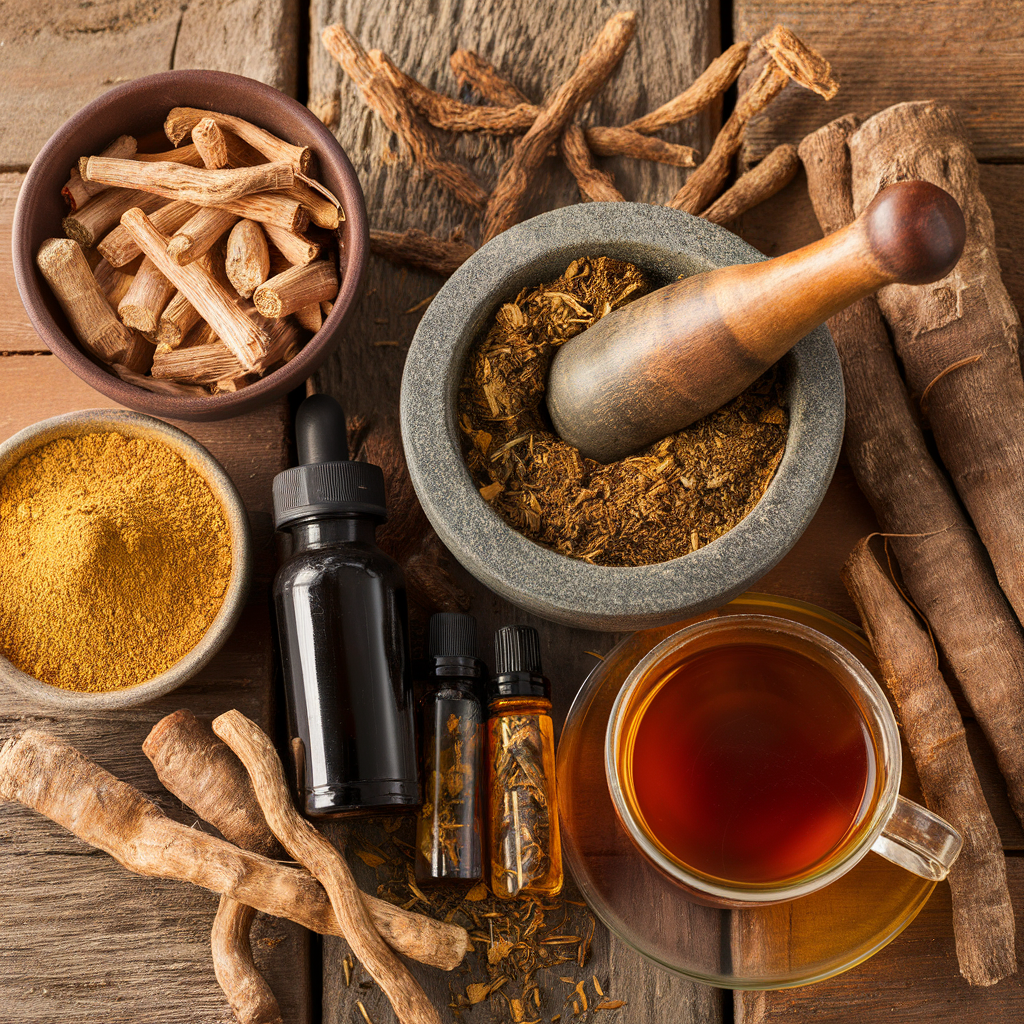
Sarsaparilla is available in several forms, each with different preparation methods and recommended dosages:
Common Forms Available
- Dried Root: The whole or cut dried root can be purchased for making homemade preparations. This is the most traditional form but requires more preparation work.
- Tinctures: Liquid extracts made by soaking sarsaparilla root in alcohol or glycerin. Tinctures offer concentrated doses and longer shelf life.
- Capsules and Tablets: Powdered root or standardized extracts in convenient pill form, allowing for precise dosing.
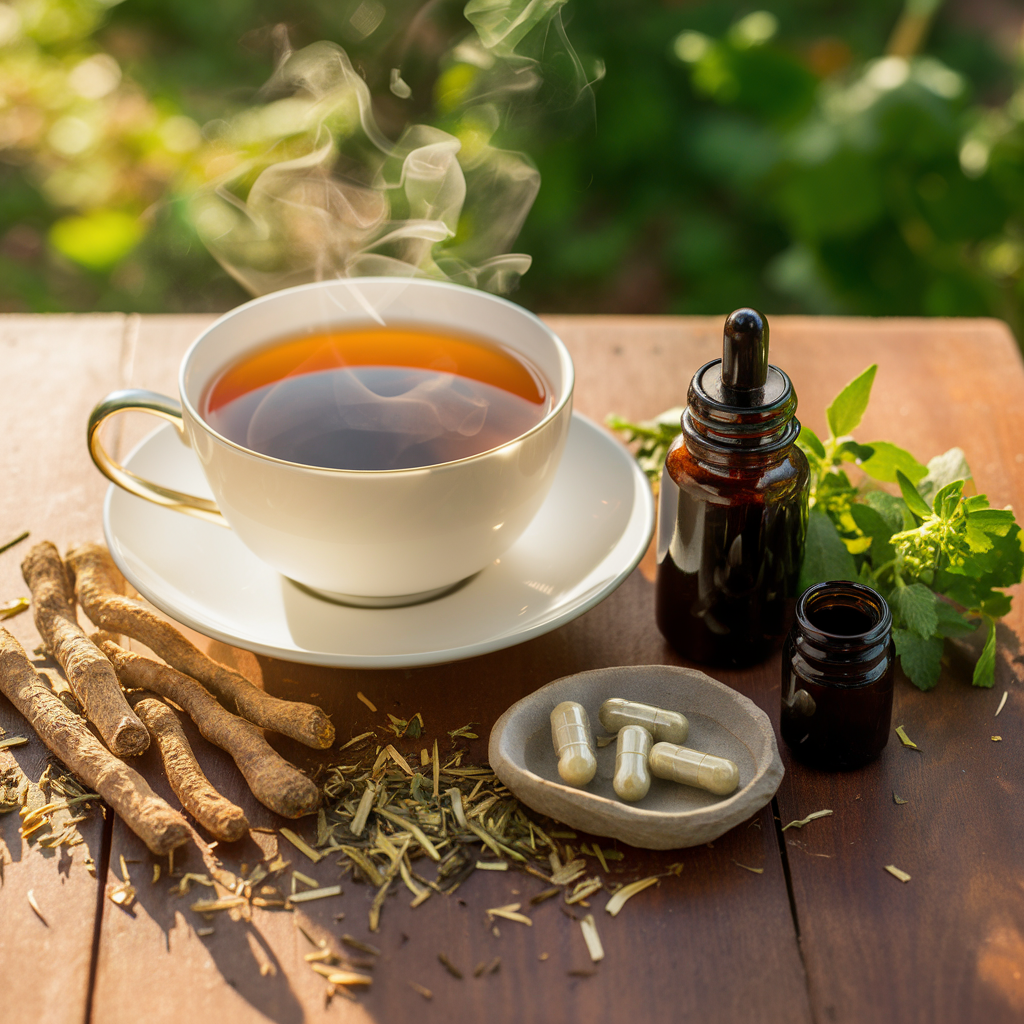
- Teas and Infusions: Dried root pieces or tea bags specifically for brewing medicinal teas.
Recommended Dosages
Dosage recommendations vary based on the form used and the condition being addressed:
- Dried Root Decoction: Typically 1-2 teaspoons (2-4 grams) of dried root per cup of water, simmered for 15-20 minutes. This may be consumed 2-3 times daily.
- Tincture: Generally 2-4 ml (approximately 40-80 drops) taken 2-3 times daily, often diluted in water.
- Capsules/Tablets: Follow manufacturer recommendations, usually 400-500 mg taken 2-3 times daily.
For specific conditions, dosages may vary:
- Skin conditions: Higher doses are sometimes recommended, up to 6 grams daily of dried root equivalent.
- Arthritis and joint pain: Moderate doses of 3-4 grams daily, often combined with other anti-inflammatory herbs.
- General tonic use: Lower doses of 1-2 grams daily may be sufficient.
How to Prepare Sarsaparilla Tea
To prepare a traditional sarsaparilla decoction:
- Place 1-2 teaspoons (2-4 grams) of dried sarsaparilla root in a small saucepan.
- Add 2 cups of cold water.
- Bring to a gentle boil, then reduce heat and simmer covered for 15-20 minutes.
- Strain the liquid and allow to cool slightly before drinking.
- The tea can be consumed 2-3 times daily. Honey or lemon may be added to improve the flavor.
Incorporating Sarsaparilla into Your Wellness Routine
For optimal results when using sarsaparilla:
- Start with lower doses and gradually increase as needed.
- Take consistently for at least 4-6 weeks to evaluate effects for chronic conditions.
- Consider cycling usage (e.g., 6 weeks on, 2 weeks off) for long-term use.
- Combine with complementary herbs when appropriate (consult a herbalist for personalized guidance).
- Document any changes in symptoms to track effectiveness.
Duration of Use Considerations
The appropriate duration for using sarsaparilla depends on the condition being treated:
- For acute conditions, short-term use of 1-2 weeks may be sufficient.
- For chronic conditions like psoriasis or arthritis, longer periods of 6-12 weeks may be needed to evaluate effectiveness.
- Long-term continuous use beyond 3 months should be discussed with a healthcare provider.
Potential Side Effects and Risks
While sarsaparilla is generally considered safe for most people when used appropriately, it’s important to be aware of potential side effects and contraindications:
Common Side Effects
Most side effects of sarsaparilla are mild and may include:
- Digestive upset, including stomach discomfort or nausea
- Increased urination due to its mild diuretic effects
- Temporary worsening of skin conditions before improvement (known as a “healing crisis”)
- Headache or dizziness in sensitive individuals
Allergic Reactions
Though rare, allergic reactions to sarsaparilla can occur. People with known allergies to plants in the Smilacaceae family should avoid sarsaparilla. Signs of allergic reaction may include:
- Skin rash or hives
- Itching or swelling, especially of the face, tongue, or throat
- Severe dizziness
- Difficulty breathing
If any of these symptoms occur, discontinue use immediately and seek medical attention.
Drug Interactions
Sarsaparilla may interact with certain medications:
- Diuretics: May enhance the effects of diuretic medications, potentially leading to electrolyte imbalances.
- Anti-inflammatory drugs: Potential additive effects when combined with NSAIDs or other anti-inflammatory medications.
- Diabetes medications: May affect blood sugar levels, necessitating careful monitoring.
- Hormone-sensitive medications: Due to its plant sterols, sarsaparilla might theoretically interact with hormonal treatments.
To avoid harmful interactions:
- Always inform healthcare providers about all supplements you’re taking
- Consider spacing the timing of medications and sarsaparilla by at least 2 hours
- Monitor for unusual symptoms when starting sarsaparilla alongside other medications
- Discontinue use before surgical procedures (typically 2 weeks prior)
Contraindications
Sarsaparilla should be avoided by certain individuals:
- Pregnant and breastfeeding women: Due to insufficient safety data and potential hormonal effects, sarsaparilla is not recommended during pregnancy or lactation.
- People with kidney disorders: The saponins in sarsaparilla may irritate kidney tissue in those with pre-existing kidney disease.
- Individuals with asthma: Some reports suggest sarsaparilla may exacerbate asthma symptoms in sensitive individuals.
- Those with hormone-sensitive conditions: People with conditions affected by hormones (such as certain cancers, endometriosis, or uterine fibroids) should use caution.
Quality and Contamination Concerns
When purchasing sarsaparilla products, be aware of potential quality issues:
- Adulteration with other plant species is relatively common
- Contamination with heavy metals or pesticides can occur, especially in products sourced from unregulated markets
- Standardization of active compounds varies widely between products
To minimize these risks, purchase from reputable suppliers who provide third-party testing results and clear information about sourcing and manufacturing practices.
Signs of Adverse Reactions
Watch for these warning signs that may indicate you should discontinue use:
- Persistent digestive distress lasting more than a few days
- Unusual fatigue or weakness
- Changes in urination patterns or urine color
- Worsening of the condition you’re treating
- Development of new, unexplained symptoms
Sarsaparilla vs. Other Herbal Remedies
When considering sarsaparilla, it’s helpful to understand how it compares to other herbal options for similar conditions:
Comparison with Similar Herbs for Arthritis
For arthritis and joint pain, several herbs are commonly used:
- Turmeric: Has stronger clinical evidence for anti-inflammatory effects than sarsaparilla, with well-documented mechanisms of action.
- Devil’s Claw: Specifically studied for osteoarthritis with moderate evidence of effectiveness.
- Boswellia: Research shows promising results for both osteoarthritis and rheumatoid arthritis.
- Sarsaparilla: Has traditional use for joint pain but less clinical evidence than the above options.
Sarsaparilla may be most effective when combined with these other anti-inflammatory herbs rather than used alone for arthritis.
Comparison with Other Skin Condition Treatments
For skin conditions, sarsaparilla can be compared to:
- Oregon Grape Root: Contains berberine and has specific research supporting its use for psoriasis.
- Burdock: Traditionally used for skin conditions with similar “blood-purifying” properties to sarsaparilla.
- Red Clover: Often used for eczema and psoriasis, with some research supporting its anti-inflammatory effects on skin.
- Sarsaparilla: Has specific potential benefits for psoriasis through binding endotoxins and moderating cell proliferation.
For psoriasis specifically, sarsaparilla may have unique advantages due to its mechanism of binding endotoxins that can trigger flares.
Cost-effectiveness Analysis
When considering value for money:
- Sarsaparilla is moderately priced compared to other herbal remedies.
- Tinctures typically offer the best value in terms of active compound concentration per dollar.
- Capsules are generally more expensive but offer convenience and precise dosing.
- Raw dried root is usually the most economical but requires more preparation time.
For chronic conditions requiring long-term use, the cost difference between sarsaparilla and conventional treatments can be substantial, potentially making it a more economical option despite less robust clinical evidence.
Synergistic Effects with Other Herbs
Sarsaparilla is often most effective when used in formulations with complementary herbs:
- For skin conditions, combinations with burdock, yellow dock, and red clover may enhance detoxification effects.
- For arthritis, combining with turmeric, ginger, and devil’s claw may provide more comprehensive anti-inflammatory benefits.
- For general detoxification, pairing with dandelion root and milk thistle can support liver function alongside sarsaparilla’s blood-purifying properties.
These combinations follow traditional herbal principles of synergy, where the combined effect may exceed the sum of individual herbs used separately.
Buying Guide for Sarsaparilla Products
Selecting high-quality sarsaparilla products requires attention to several important factors:
How to Identify Quality Products
Look for these indicators of quality when purchasing sarsaparilla:
- Species identification: Products should clearly state which Smilax species is used (e.g., Smilax ornata, Smilax regelii).
- Part used: Confirm that the product contains root material, not stems or leaves.
- Extraction method: For liquid products, look for information about the extraction process and solvent used.
- Standardization: Higher-quality products may be standardized to specific saponin or flavonoid content.
- Third-party testing: Certificates of analysis or other evidence of independent quality testing.
- Organic certification: Reduces the risk of pesticide contamination.
Sustainable and Ethical Sourcing
Ethical considerations when purchasing sarsaparilla include:
- Wild harvesting pressure has led to population declines of some Smilax species in their native habitats.
- Look for companies that practice sustainable harvesting or use cultivated rather than wild-harvested plants.
- Fair trade certification or transparent information about sourcing practices indicates ethical production.
- Some companies partner with indigenous communities to support traditional harvesting rights and knowledge.
Reading Labels and Understanding Marketing Claims
Be wary of exaggerated marketing claims and learn to interpret product labels:
- Claims of “cures” or guaranteed results for specific conditions should be viewed skeptically.
- Terms like “premium,” “pure,” or “high strength” have no standardized definitions in the supplement industry.
- Check supplement facts panels for actual amounts of sarsaparilla per serving.
- Be aware that “wild crafted” doesn’t necessarily mean higher quality, and may indicate sustainability concerns.
- Differentiate between traditional uses (which may be mentioned in marketing) and clinically proven benefits (which are more limited).
Reputable Brands and Products
While specific brand recommendations may change over time, look for companies with:
- Longevity in the herbal products industry
- Transparent manufacturing practices
- Professional herbalist involvement in product development
- Good Manufacturing Practice (GMP) certification
- Positive reviews from customers and healthcare practitioners
- Willingness to share detailed information about their products when requested
Price Considerations
Price variations between sarsaparilla products typically reflect:
- Concentration of the extract (higher ratios generally cost more)
- Organic certification (typically adds 20-30% to the cost)
- Additional testing and quality control measures
- Sustainable harvesting practices
- Packaging (glass containers generally cost more than plastic)
The lowest-priced options may represent poor value if they contain low-quality material or unclear species identification. Conversely, the most expensive products don’t always offer proportionally better quality. Look for a reasonable middle ground with clear quality indicators.
Frequently Asked Questions About Sarsaparilla
Is sarsaparilla the same as root beer?
While sarsaparilla was an original flavoring ingredient in some early root beers, modern root beer typically contains artificial flavors or sassafras rather than true sarsaparilla. Traditional sarsaparilla beverages were made from the root of Smilax species, while commercial “sarsaparilla” soft drinks today rarely contain the actual herb. The medicinal preparations of sarsaparilla are much more concentrated than these beverages and have a more bitter, earthy taste.
Can sarsaparilla help with weight loss?
There is limited scientific evidence supporting sarsaparilla as a weight loss aid. While some sources claim it can boost metabolism or reduce water retention, these effects are not well-documented in clinical studies. Any mild diuretic effect might cause temporary weight fluctuations due to water loss, but this doesn’t represent true fat loss. More research is needed before sarsaparilla can be recommended specifically for weight management.
How long does it take to see benefits?
The timeframe for experiencing benefits from sarsaparilla varies by condition:
- For skin conditions like psoriasis, initial improvements may be noticed within 2-4 weeks, with more significant results after 6-8 weeks of consistent use.
- For joint pain and inflammation, some people report modest relief within 1-2 weeks, but 4-6 weeks is more typical for meaningful improvement.
- For general “detoxification” or “blood purifying” effects, subjective improvements in energy or well-being are sometimes reported within 1-3 weeks.
Individual response varies considerably based on the severity of the condition, dosage used, and individual physiology.
Is wild-harvested better than cultivated?
Wild-harvested sarsaparilla is often marketed as superior, but this isn’t necessarily true. While wild plants may sometimes contain higher levels of protective compounds developed in response to environmental stressors, cultivated sarsaparilla has several advantages:
- More sustainable and less impact on native ecosystems
- Potentially lower risk of contamination from environmental pollutants
- More consistent chemical composition due to controlled growing conditions
- Better traceability and quality control
Quality depends more on proper harvesting, processing, and storage than on whether the plant was wild or cultivated.
Can children use sarsaparilla?
Sarsaparilla is generally not recommended for children under 12 years of age except under the guidance of a qualified healthcare practitioner. There is insufficient safety data for pediatric use, and children may be more sensitive to the active compounds. If used for older children under professional guidance, dosages should be adjusted based on weight (typically 1/4 to 1/2 of the adult dose depending on age and size). Parents should be particularly cautious with children who have hormonal conditions, kidney issues, or allergies to other plants.
Conclusion
Sarsaparilla represents an interesting intersection of traditional herbal wisdom and emerging scientific research. Its long history of use across multiple healing traditions speaks to its perceived value, particularly for inflammatory conditions like arthritis and persistent skin problems such as psoriasis. The herb’s rich chemical profile, including saponins, flavonoids, and plant sterols, provides a scientific rationale for many of its traditional applications.
Current evidence most strongly supports sarsaparilla’s potential for:
- Managing inflammatory skin conditions, especially psoriasis
- Providing anti-inflammatory and antioxidant benefits
- Supporting detoxification processes in the body
However, it’s important to approach sarsaparilla with realistic expectations. Research remains preliminary for many of its purported benefits, and individual responses vary considerably. The herb is generally safe for most adults when used appropriately, but side effects and interactions are possible, particularly for those with pre-existing health conditions or who are taking medications.
Before adding sarsaparilla to your wellness routine, consider consulting with a healthcare provider knowledgeable about herbal medicine, particularly if you:
- Have chronic health conditions
- Take prescription medications
- Are pregnant or breastfeeding
- Plan to use it for children
- Intend to use it long-term
Future research will likely continue to illuminate sarsaparilla’s mechanisms of action and therapeutic potential. Ongoing clinical trials may provide stronger evidence for specific applications and optimal dosing protocols. As interest in traditional plant medicines continues to grow within the scientific community, sarsaparilla may eventually transition from primarily traditional use to evidence-based therapeutic option for certain conditions.
Whether you’re exploring sarsaparilla for specific health concerns or general wellness, approach it as part of a holistic strategy that includes appropriate medical care, healthy lifestyle practices, and informed decision-making about complementary approaches to health.