

The rhythmic motion of rowing has captured the fitness world’s attention, and for good reason. Rowing machines offer a unique combination of full-body engagement and low-impact exercise that few other pieces of equipment can match. Whether you’re a fitness beginner looking for an effective workout or a seasoned athlete seeking cross-training benefits, understanding the comprehensive advantages of rowing can transform your approach to health and wellness. This complete guide will explore every aspect of rowing machine benefits, from cardiovascular improvements and muscle development to mental health gains and practical lifestyle advantages.
What is a Rowing Machine and How Does It Work?
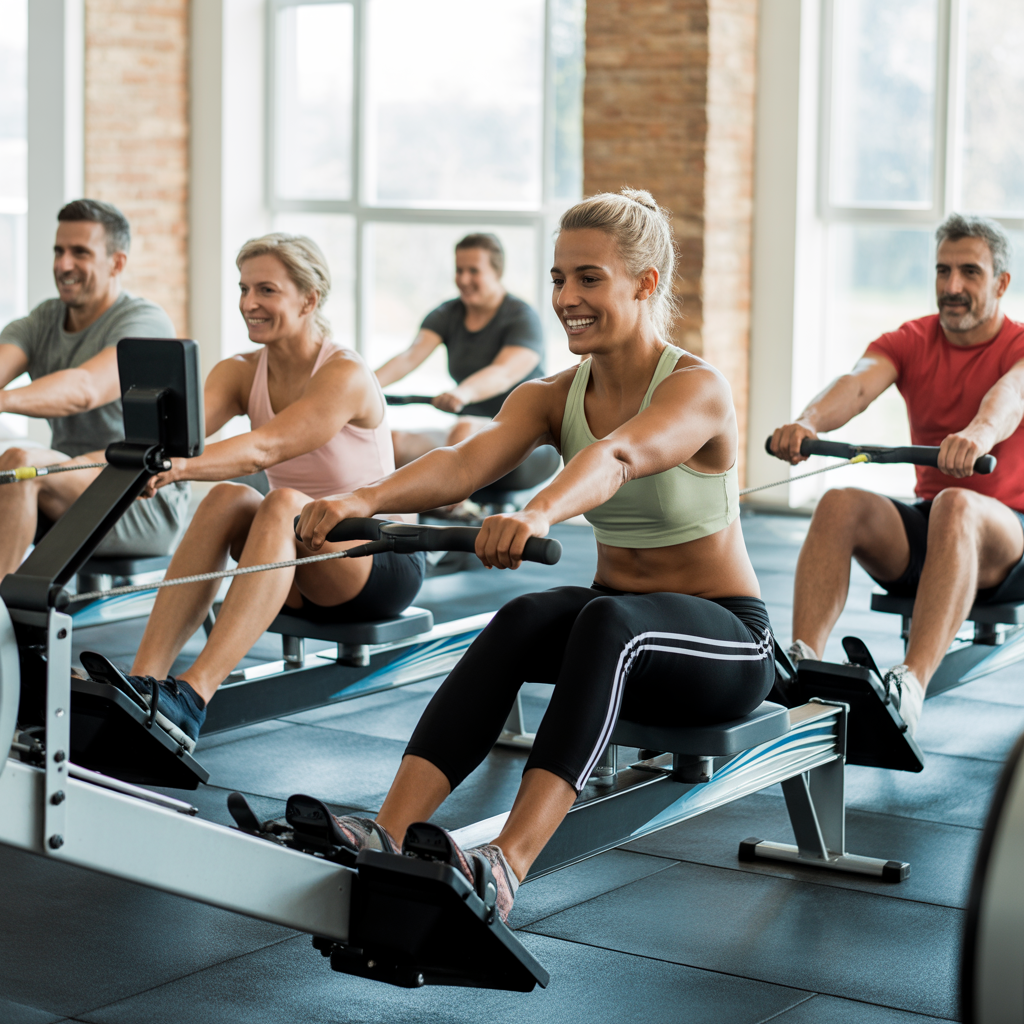
A rowing machine, also known as an ergometer or “erg,” simulates the motion and resistance of water rowing in a controlled indoor environment. The fundamental movement pattern involves a coordinated sequence: the catch (starting position), drive (power phase), finish (end position), and recovery (return to start).
Basic Mechanics and Movement Pattern
The rowing stroke engages your body in a specific sequence that maximizes efficiency and power output. Starting with your legs, the movement progresses through your core, and finishes with your arms and back. This sequential activation ensures optimal force generation while minimizing injury risk.
Types of Rowing Machines
Modern rowing machines utilize different resistance mechanisms:
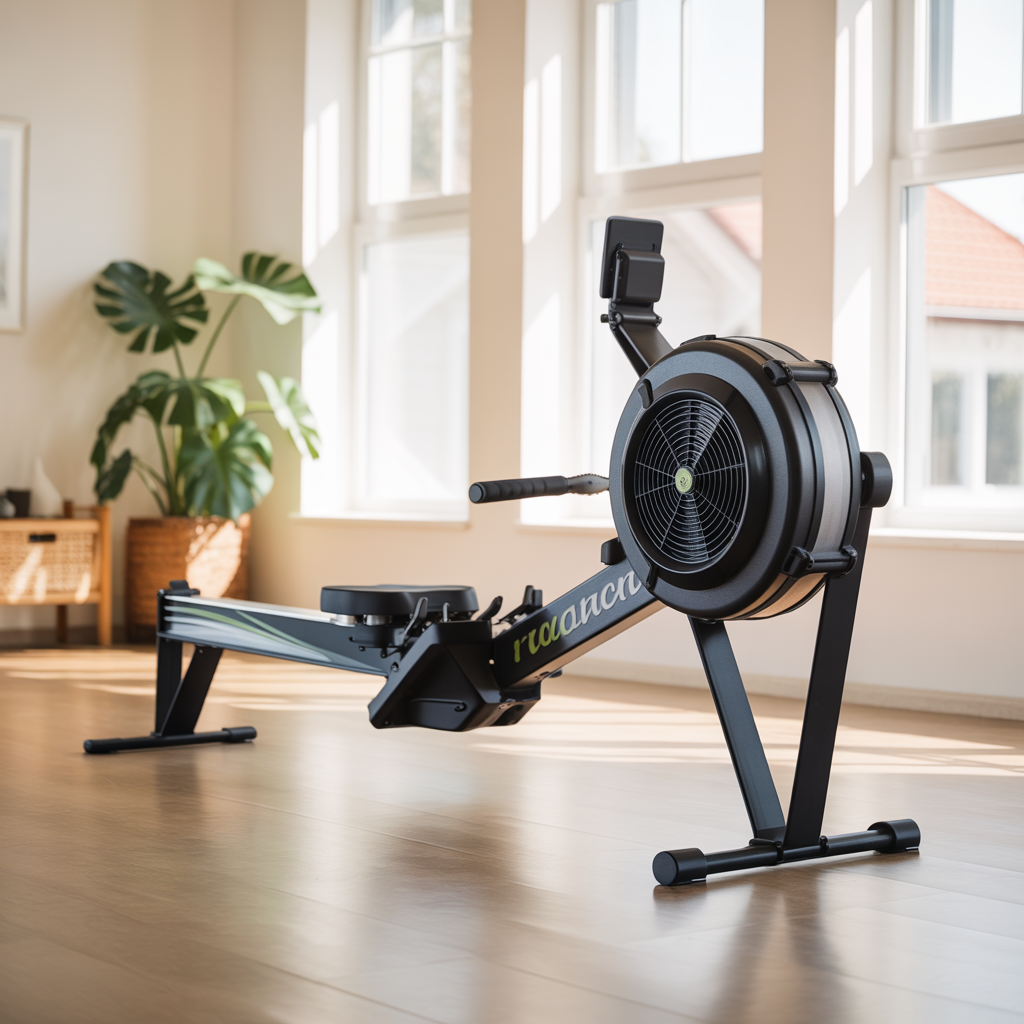
- Air resistance: Uses a flywheel with fan blades for variable resistance that increases with intensity
- Water resistance: Employs a water-filled tank for smooth, natural-feeling resistance
- Magnetic resistance: Utilizes magnetic fields for quiet, consistent resistance levels
- Hydraulic resistance: Uses hydraulic cylinders for compact, affordable resistance
Muscles Targeted During Rowing
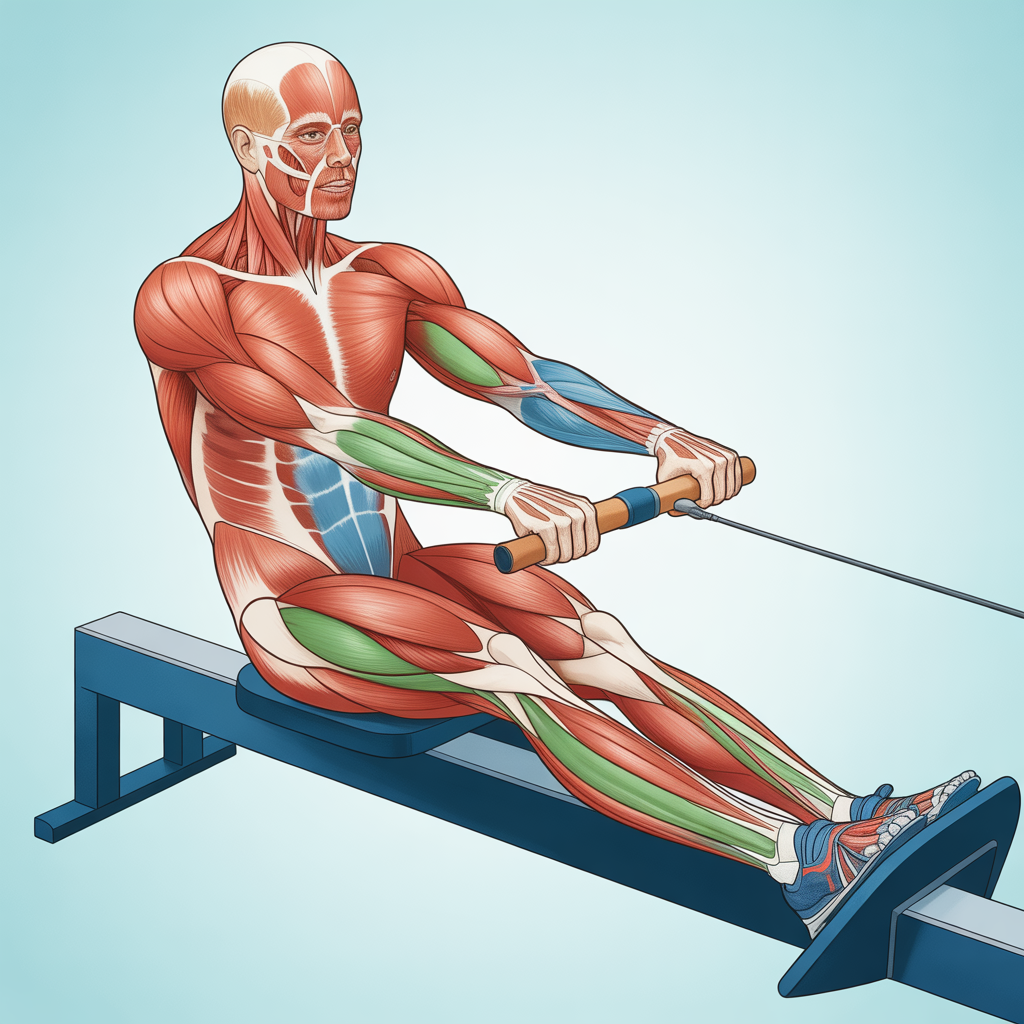
Rowing is truly a full-body exercise, engaging approximately 85% of your body’s muscle groups simultaneously. The primary muscles activated include your quadriceps, hamstrings, glutes, core, latissimus dorsi, rhomboids, trapezius, deltoids, and biceps.
Physical Health Benefits
Cardiovascular Benefits
Regular rowing exercise provides exceptional cardiovascular benefits that extend far beyond basic fitness improvements. The continuous, rhythmic nature of rowing creates an ideal environment for heart health enhancement.
Research demonstrates that consistent rowing can significantly improve your cardiovascular system’s efficiency. The sustained aerobic activity strengthens your heart muscle, enabling it to pump blood more effectively throughout your body. This improvement translates to better circulation, which ensures optimal oxygen and nutrient delivery to all your tissues.
One of the most notable cardiovascular benefits is the potential for improved blood pressure management. The combination of aerobic exercise and muscle strengthening that rowing provides can contribute to healthier blood pressure levels over time. Additionally, rowing helps increase your VO2 max – your body’s maximum oxygen consumption capacity – which is considered one of the best indicators of cardiovascular fitness.
The risk reduction for heart disease represents another significant advantage. Regular aerobic exercise like rowing has been associated with reduced risk factors for cardiovascular disease, including improved cholesterol profiles and better arterial health.
Full-Body Muscle Development
Unlike many exercise machines that target specific muscle groups, rowing machines provide comprehensive muscle development throughout your entire body. This total-body engagement creates balanced strength development and improved functional fitness.
Upper Body Development: Your back muscles, including the latissimus dorsi, rhomboids, and middle trapezius, work intensively during the pulling phase of each stroke. Your shoulders and arms, particularly the posterior deltoids and biceps, contribute significantly to the rowing motion. Meanwhile, your core muscles maintain stability and transfer power throughout the movement.
Lower Body Engagement: Your legs provide the primary power source for rowing. The quadriceps initiate the drive phase, while your glutes and hamstrings contribute to hip extension. Even your calves participate in maintaining proper foot positioning and contributing to the overall power transfer.
The muscle development from rowing tends toward lean, functional strength rather than excessive bulk. This creates an athletic physique with improved muscle endurance and practical strength that translates to daily activities.
Weight Loss and Calorie Burning
Rowing machines excel at calorie burning, making them exceptional tools for weight management and fat loss. The high-intensity, full-body nature of rowing can burn between 400-800 calories per hour, depending on your body weight, intensity level, and fitness status.
The metabolic benefits extend beyond the workout itself. High-intensity rowing sessions create an “afterburn effect” or excess post-exercise oxygen consumption (EPOC), where your body continues burning calories at an elevated rate for hours after your workout ends.
Rowing supports fat loss while helping preserve lean muscle mass. This combination is crucial for long-term weight management, as muscle tissue burns more calories at rest than fat tissue. Compared to many other cardio exercises, rowing provides superior muscle engagement, making it more effective for body composition improvements.
Low-Impact Joint Benefits
One of rowing’s most significant advantages is its low-impact nature. Unlike running or high-impact aerobics, rowing places minimal stress on your joints while still providing intense cardiovascular and strength benefits.
The seated position and smooth, controlled movements make rowing particularly gentle on your knees, ankles, and hips. This characteristic makes it an excellent choice for individuals with joint concerns, those recovering from injuries, or anyone seeking to minimize wear and tear on their joints while maintaining fitness.
For individuals with arthritis or other joint conditions, rowing can provide beneficial movement and strengthening without exacerbating symptoms. The controlled range of motion helps maintain joint mobility while building supportive muscle strength.
Performance and Fitness Benefits
Endurance and Stamina
Rowing machines excel at building both cardiovascular and muscular endurance. The sustained, rhythmic nature of rowing challenges your aerobic system while simultaneously requiring muscular endurance from multiple muscle groups.
This dual challenge creates improvements in your body’s ability to deliver oxygen to working muscles and your muscles’ capacity to utilize that oxygen efficiently. These adaptations translate to better performance in daily activities and enhanced athletic performance across various sports.
The endurance benefits of rowing extend beyond basic stamina. Regular rowing improves your lactate threshold – the point at which lactic acid begins accumulating in your muscles. A higher lactate threshold allows you to sustain higher intensities for longer periods.
Strength and Power
While primarily considered a cardiovascular exercise, rowing also develops significant functional strength and power. The resistance provided by the rowing machine, combined with the full-body movement pattern, creates strength adaptations throughout your kinetic chain.
The explosive nature of proper rowing technique develops power – the ability to generate force quickly. This power development improves athletic performance and enhances your ability to perform dynamic movements in sports and daily activities.
Functional strength gained through rowing translates directly to real-world movements. The coordination between legs, core, and upper body that rowing requires mirrors many daily activities and athletic movements, making you stronger and more capable in various situations.
Flexibility and Mobility
The rowing motion promotes flexibility and mobility improvements throughout your body. The full range of motion required for proper rowing technique encourages joint mobility and muscle flexibility.
Hip flexibility improves significantly through regular rowing, as the movement requires substantial hip flexion and extension. This improvement can benefit your posture and reduce lower back tension.
Spinal mobility also benefits from the rowing motion, as your spine moves through flexion and extension while maintaining stability. This dynamic movement helps maintain spinal health and reduces stiffness.
Mental Health and Wellness Benefits
Stress Relief and Mental Health
Rowing provides exceptional mental health benefits that extend far beyond physical fitness improvements. The rhythmic, meditative nature of rowing creates a unique environment for stress relief and mental wellness enhancement.
Regular rowing exercise helps reduce stress hormones like cortisol while promoting the release of endorphins – your body’s natural mood elevators. This biochemical response can significantly improve your overall mood and help combat feelings of anxiety and depression.
The repetitive, rhythmic motion of rowing has meditative qualities that many practitioners find deeply calming. This meditative aspect allows for mental clarity and stress reduction that many find difficult to achieve through other forms of exercise.
Consistency in rowing practice can contribute to improved emotional regulation and resilience to daily stressors. The combination of physical exertion and rhythmic movement creates an ideal environment for mental health maintenance.
Cognitive Benefits
Rowing exercise provides significant cognitive benefits that enhance mental performance and brain health. The coordination required between your legs, core, and upper body during rowing enhances mind-body connection and improves overall motor control.
Regular aerobic exercise like rowing increases blood flow to the brain, which supports cognitive function and may help protect against age-related cognitive decline. The improved circulation delivers essential nutrients and oxygen to brain tissues.
Focus and concentration improvements are common among regular rowers. The requirement to maintain proper technique while monitoring intensity and form develops sustained attention abilities that transfer to other areas of life.
Many rowing enthusiasts report better sleep quality, which further supports cognitive function and overall mental health. The physical exhaustion combined with stress relief creates ideal conditions for restorative sleep.
Practical and Lifestyle Benefits
Convenience and Accessibility
Rowing machines offer unparalleled convenience for home fitness routines. Unlike many cardiovascular exercises, rowing is completely weather-independent, allowing consistent training regardless of outdoor conditions.
The time efficiency of rowing makes it ideal for busy lifestyles. A 20-30 minute rowing session can provide comprehensive cardiovascular and strength benefits that might require multiple pieces of equipment or longer workout sessions with other forms of exercise.
Rowing machines accommodate all fitness levels, from complete beginners to elite athletes. The adjustable intensity allows gradual progression and ensures that everyone can benefit from rowing regardless of their starting fitness level.
Versatility and Workout Options
Modern rowing machines offer incredible workout versatility. High-Intensity Interval Training (HIIT) protocols work exceptionally well with rowing, allowing for intense calorie burning and cardiovascular improvement in shorter time periods.
Steady-state cardio sessions provide excellent endurance building and fat-burning benefits. The ability to maintain consistent intensity for extended periods makes rowing ideal for aerobic base building.
Interval training variations are virtually limitless with rowing machines. You can adjust work-to-rest ratios, intensity levels, and duration to create specific training adaptations and prevent workout monotony.
Progressive workout programs allow systematic improvement over time. Most rowing machines include built-in programs or compatibility with fitness apps that guide progression and track improvements.
Cost-Effectiveness
Investing in a quality rowing machine provides exceptional long-term value. Unlike gym memberships that require ongoing monthly fees, a rowing machine represents a one-time investment that can serve your fitness needs for many years.
Quality rowing machines are built to last, with many models featuring warranties and construction designed for years of regular use. This durability makes them cost-effective compared to other fitness solutions.
Multiple family members can utilize the same rowing machine, making it an excellent investment for household fitness. The adjustable settings accommodate different body sizes and fitness levels within the same family.
Rowing Machine Benefits for Specific Groups
Beginners
Rowing machines are exceptionally beginner-friendly, despite their comprehensive nature. The learning curve for basic rowing technique is manageable, and the low-impact nature reduces injury risk during the learning process.
New users can start with short, low-intensity sessions and gradually progress as fitness improves and technique develops. This progressive approach ensures sustainable fitness development without overwhelming beginners.
The immediate feedback provided by most rowing machines helps beginners understand their progress and maintain motivation. Metrics like distance, time, and stroke rate provide clear indicators of improvement.
Athletes and Advanced Users
Competitive athletes benefit tremendously from rowing machine cross-training. The full-body, low-impact nature provides cardiovascular conditioning without adding significant stress to weight-bearing joints.
Sport-specific conditioning applications make rowing valuable for athletes in various disciplines. The power development, core strength, and cardiovascular benefits translate well to many sports performance improvements.
Competition preparation often includes rowing for athletes seeking peak conditioning. The measurable, progressive nature of rowing allows precise training periodization and performance monitoring.
Seniors and Special Populations
Older adults find rowing particularly beneficial due to its low-impact, seated nature combined with comprehensive fitness benefits. The controlled movement pattern reduces fall risk while providing necessary cardiovascular and strength maintenance.
Rehabilitation applications make rowing valuable for individuals recovering from certain injuries or managing chronic conditions. The adjustable intensity and controlled movement pattern allow therapeutic exercise progression.
Chronic condition management often benefits from regular, moderate-intensity exercise like rowing. The cardiovascular improvements and stress reduction can support overall health management strategies.
Maximizing Rowing Machine Benefits
Proper Form and Technique
Achieving maximum benefits from rowing requires attention to proper form and technique. The sequence should always be legs, core, then arms during the drive phase, and reverse this order during recovery.
Key form points include maintaining a straight back, keeping shoulders relaxed, and ensuring smooth, controlled movements throughout the stroke. Proper foot positioning and grip on the handle are equally important for optimal power transfer and safety.
Common mistakes include rushing the recovery phase, using excessive arm motion, or maintaining poor posture. These errors reduce efficiency and can lead to discomfort or injury over time.
Safety considerations include proper warm-up and cool-down protocols, gradual intensity increases, and attention to body signals during exercise. If you experience pain or discomfort, it’s essential to assess your technique and consider consulting with a fitness professional.
Workout Programming
Beginner routines should start with 10-15 minute sessions at comfortable intensity levels, focusing primarily on technique development and adaptation. Frequency of 2-3 times per week allows adequate recovery while building fitness progressively.
Intermediate and advanced programs can incorporate longer sessions, higher intensities, and varied training protocols. HIIT workouts, long steady-state sessions, and technical drills provide different training stimuli for continued improvement.
Frequency and duration recommendations vary based on fitness goals and current conditioning. General fitness maintenance might require 3-4 sessions per week of 20-30 minutes, while specific athletic goals may demand more frequent or longer sessions.
Tracking Progress
Important metrics to monitor include stroke rate, split times, distance covered, and heart rate response. These measurements provide objective feedback on fitness improvements and technique development.
Goal setting strategies should include both short-term technique goals and longer-term fitness objectives. Progressive targets help maintain motivation and ensure continued improvement over time.
Technology integration through fitness apps and rowing machine connectivity can enhance the experience and provide detailed analytics for performance optimization.
Potential Drawbacks and Considerations
Learning Curve for Proper Technique
While rowing is accessible to beginners, developing proper technique requires practice and attention to detail. Rushing this learning process can limit benefits and potentially cause discomfort.
Potential for Back Strain
Incorrect form, particularly poor posture or improper sequencing, can place excessive stress on the lower back. This risk emphasizes the importance of technique education and gradual progression.
Space and Storage Considerations
Quality rowing machines require significant space for use and storage. Potential buyers should carefully measure available space and consider whether their living situation accommodates a rowing machine.
Initial Investment Cost
High-quality rowing machines represent a significant upfront investment. While cost-effective long-term, the initial expense may be prohibitive for some individuals.
Rowing Machine vs. Other Exercise Equipment
Comparison with Treadmills
While treadmills excel at lower body cardiovascular conditioning, rowing machines provide superior full-body engagement. Rowing also offers better upper body strengthening and core development compared to walking or running.
Impact considerations favor rowing machines for individuals with joint concerns. The low-impact nature of rowing contrasts sharply with the repetitive impact of treadmill use.
Comparison with Ellipticals
Both ellipticals and rowing machines offer low-impact, full-body exercise. However, rowing provides greater strength development and more natural movement patterns compared to the artificial motion of elliptical machines.
Calorie burning potential generally favors rowing machines due to the greater muscle mass engagement and potential for higher intensity intervals.
Comparison with Stationary Bikes
Stationary bikes focus primarily on lower body conditioning, while rowing machines engage the entire body. This difference makes rowing more time-efficient for comprehensive fitness development.
Upper body involvement in rowing creates better postural benefits and more balanced muscle development compared to cycling-focused exercise.
Why Rowing Machines Excel
The unique combination of full-body engagement, low-impact nature, high calorie burn, and strength development makes rowing machines exceptionally versatile. Few other pieces of equipment can match this comprehensive benefit profile.
Getting Started: Choosing the Right Rowing Machine
Key Features to Consider
Resistance type significantly impacts the rowing experience and should align with your preferences for feel, noise level, and maintenance requirements. Display features, build quality, and folding capabilities are also important considerations.
Budget Considerations
Rowing machine prices range from basic hydraulic models under $200 to premium air and water resistance machines exceeding $1000. Higher-quality machines generally provide better durability, smoother operation, and enhanced features.
Space Requirements
Standard rowing machines require approximately 9 feet of length and 2 feet of width for use. Many models offer folding capabilities for storage, but you should verify available space before purchasing.
Top Recommendations by Category
Budget-conscious buyers should consider magnetic resistance models that offer good performance at reasonable prices. Premium buyers benefit from air or water resistance machines that provide superior feel and durability.
Conclusion
The comprehensive benefits of rowing machines make them exceptional investments in your health and fitness journey. From cardiovascular improvements and full-body muscle development to mental health benefits and practical convenience, rowing offers advantages that few other exercise modalities can match.
The transformation potential extends beyond simple fitness improvements. Regular rowing can enhance your quality of life through better cardiovascular health, increased strength and endurance, improved mental well-being, and the convenience of effective home-based exercise.
Whether you’re beginning your fitness journey or looking to enhance an existing routine, rowing machines provide a path to comprehensive health improvements. The key lies in starting with proper technique, progressing gradually, and maintaining consistency in your rowing practice.
Take the first step toward transforming your fitness and health by exploring rowing machine options that fit your needs, space, and budget. Your body and mind will thank you for choosing this remarkably effective form of exercise.
Frequently Asked Questions (FAQs)
How often should I use a rowing machine?
For general fitness, aim for 3-4 rowing sessions per week, allowing at least one day of rest between intense sessions. Beginners should start with 2-3 times per week and gradually increase frequency as fitness improves.
How many calories does rowing burn?
Rowing can burn 400-800+ calories per hour depending on your body weight, intensity level, and fitness status. A 155-pound person typically burns about 520 calories in one hour of moderate rowing.
Is rowing good for weight loss?
Yes, rowing is excellent for weight loss due to its high calorie burn, full-body muscle engagement, and metabolic benefits. The combination of cardiovascular exercise and strength training helps burn fat while preserving lean muscle mass.
Can beginners use rowing machines?
Absolutely. Rowing machines are beginner-friendly with adjustable resistance levels and a relatively easy-to-learn basic technique. Start with short sessions at low intensity while focusing on proper form.
What muscles does rowing work?
Rowing works approximately 85% of your body’s muscles, including quadriceps, hamstrings, glutes, core, latissimus dorsi, rhomboids, trapezius, deltoids, biceps, and forearms in a single, coordinated movement.
Is rowing better than running?
Rowing and running each have unique advantages. Rowing provides full-body engagement and is low-impact, while running is more accessible and requires no equipment. For comprehensive fitness and joint health, rowing often has advantages.
How long should rowing workouts be?
Workout length depends on your fitness level and goals. Beginners should start with 10-15 minutes, while intermediate users can row for 20-30 minutes. Advanced users may row for 45-60 minutes or more, depending on their specific training objectives.