

Nail ridges affect approximately 20% of adults worldwide, with the prevalence increasing significantly after age 40. These linear grooves or raised lines on your fingernails might seem like a minor cosmetic concern, but they can actually provide valuable insights into your overall health status. Understanding what ridges in fingernails mean, their underlying causes, and appropriate treatment options can help you maintain both healthy nails and identify potential health issues early.
Understanding Nail Ridges: Types and Characteristics
Vertical Ridges (Longitudinal Ridges)
Vertical ridges run from the base of your nail to the tip, appearing as thin lines that extend lengthwise across the nail plate. These longitudinal ridges are extremely common and often considered a normal part of the aging process. As we age, our nails naturally lose moisture and become less smooth, leading to the development of these vertical lines.
Normal vertical ridges are typically shallow, uniform in appearance, and present on multiple nails. They become more pronounced with age due to decreased cell turnover and reduced oil production in the nail matrix. However, when vertical ridges become deeply grooved, appear suddenly, or are accompanied by other nail changes like discoloration or brittleness, they may indicate underlying health concerns.

Horizontal Ridges (Transverse Ridges)
Horizontal ridges, also known as Beau’s lines, run perpendicular to nail growth and appear as indented lines that cross the width of the nail. These ridges are generally more concerning than vertical ones because they typically indicate that nail growth was temporarily disrupted due to illness, stress, or injury.
Beau’s lines form when the nail matrix (the area where nail cells are produced) experiences trauma or stress, causing a temporary interruption in normal nail growth. The timing of the health event can often be determined by measuring the distance of the ridge from the cuticle, as fingernails grow approximately 3mm per month.
Visual Guide for Identification
To properly identify nail ridges, examine your nails in good lighting. Normal age-related vertical ridges appear as fine, parallel lines running from cuticle to tip. Concerning ridges may appear as deep grooves, be accompanied by nail splitting, or show color changes. Horizontal ridges are more obvious, appearing as distinct indented lines that cross the entire width of the nail.
Common Causes of Nail Ridges
Vertical Ridges Causes
Natural aging process is the most common cause of vertical nail ridges. As we age, our body’s ability to produce keratin (the protein that makes up nails) decreases, and blood circulation to the nail bed may diminish. This results in thinner, more brittle nails with visible vertical lines.
Genetics play a significant role in nail ridge development, with some individuals being predisposed to more pronounced ridging due to hereditary factors. Nutritional deficiencies, particularly biotin, protein, and iron deficiencies, can also contribute to vertical ridge formation by weakening the nail structure.
Dehydration and poor nail care practices, such as excessive use of harsh chemicals or frequent exposure to water without proper protection, can lead to nail damage and ridge development. Minor trauma from aggressive manicures or repeated impacts can also cause vertical ridging.
Horizontal Ridges Causes
Acute illness or fever is one of the primary causes of horizontal nail ridges. When your body fights a significant illness, it redirects energy and resources away from non-essential functions like nail growth, resulting in Beau’s lines. High fevers, pneumonia, heart attacks, and other severe illnesses commonly cause these horizontal disruptions.
Severe physical or emotional stress can trigger horizontal ridge formation. Major life events, surgery, extreme dieting, or prolonged periods of high stress can all impact nail growth patterns. Chemotherapy and certain medications that affect cell division can also cause pronounced horizontal ridges across multiple nails.
Nutritional deficiencies and malnutrition severe enough to impact overall health often manifest as horizontal ridges. Injury to the nail matrix from trauma, aggressive cuticle cutting, or infection can create localized horizontal ridges on affected nails.
Underlying Health Conditions
Systemic diseases such as diabetes, thyroid disorders, and cardiovascular conditions can manifest through nail changes, including ridge formation. Autoimmune diseases like rheumatoid arthritis, lupus, and alopecia areata may cause both vertical and horizontal nail ridges as part of their symptom complex.
Liver and kidney problems can affect nail health by altering protein synthesis and nutrient absorption. Respiratory infections, particularly those severe enough to cause hypoxia (low oxygen levels), can trigger horizontal ridge formation as the body prioritizes oxygen delivery to vital organs.
What Nail Ridges Reveal About Your Health
Health Indicators and Timing
The placement of horizontal ridges on your nails can help healthcare providers determine when a health event occurred. Since fingernails grow at a predictable rate, measuring the distance between the ridge and the cuticle can pinpoint the timing of illness or stress to within a few weeks.
The depth and width of ridges often correlate with the severity of the underlying condition. Deeper, more pronounced ridges typically indicate more significant health disruptions, while shallow ridges may suggest minor stress or illness.
When multiple nails show similar ridge patterns, it usually indicates a systemic health issue rather than localized trauma. Single nail involvement is more likely to result from direct injury or localized infection.

Age-Related Changes vs. Health Issues
Distinguishing between normal age-related nail changes and health-related ridges is crucial for appropriate response. Age-related vertical ridges typically develop gradually, are present on multiple nails, and are not accompanied by other concerning symptoms.
Health-related ridges often appear suddenly, may be deeper or more pronounced than typical age-related changes, and might be accompanied by other nail abnormalities such as color changes, increased brittleness, or changes in nail thickness.
Nutritional Status Reflection
Specific nutrient deficiencies can create characteristic nail ridge patterns. Iron deficiency may cause vertical ridges along with nail thinning and spoon-shaped nails. Protein deficiency can result in horizontal white lines (Muehrcke’s lines) and overall nail weakness.
Biotin deficiency specifically affects nail strength and can contribute to both vertical ridging and increased nail brittleness. Zinc deficiency may cause white spots along with ridge formation, while vitamin C deficiency can lead to splinter hemorrhages under the nails.
When to See a Doctor
Warning Signs Requiring Medical Attention
Sudden appearance of multiple horizontal ridges across several nails warrants medical evaluation, especially if you cannot recall a recent illness or significant stress event. This pattern may indicate an underlying systemic condition that requires diagnosis and treatment.
Ridges accompanied by other symptoms such as nail color changes (blue, green, or black discoloration), persistent pain, swelling around the nail, or signs of infection should prompt immediate medical consultation. Changes in nail thickness, complete nail separation, or bleeding under the nail are also concerning signs.
If ridges appear alongside other health symptoms like unexplained fatigue, weight changes, hair loss, or skin problems, these could indicate autoimmune or endocrine disorders requiring professional evaluation.
Professional Evaluation Process
During a medical examination for nail ridges, healthcare providers will assess the pattern, timing, and extent of ridge formation. They may inquire about recent illnesses, medications, dietary habits, and family history of nail or systemic diseases.
Diagnostic tests may include blood work to check for nutritional deficiencies, thyroid function, autoimmune markers, and signs of systemic disease. In some cases, nail clippings or scrapings may be examined for fungal infections or other abnormalities.
Depending on findings, you may be referred to specialists such as dermatologists for skin and nail conditions, rheumatologists for autoimmune concerns, or endocrinologists for hormonal imbalances.
Treatment and Management Options
Medical Treatments
Treatment for nail ridges primarily focuses on addressing underlying causes. If systemic diseases are identified, appropriate medical management of these conditions often leads to improvement in nail appearance over time. This may include thyroid hormone replacement, blood sugar control for diabetes, or immunosuppressive therapy for autoimmune conditions.
Topical treatments may include prescription moisturizers containing urea or lactic acid to improve nail hydration and flexibility. In cases of fungal infection contributing to nail changes, antifungal medications may be prescribed.
Professional nail therapies, such as medical-grade nail treatments or specialized manicures performed by trained technicians, can help improve nail appearance while addressing underlying health issues.
Nutritional Interventions
Addressing nutritional deficiencies is crucial for improving nail health and reducing ridge formation. Biotin supplements (2.5-10mg daily) have shown effectiveness in strengthening nails and reducing brittleness, though results typically take 3-6 months to become apparent.
Iron supplementation may be necessary for individuals with confirmed iron deficiency, but should only be taken under medical supervision to avoid iron overload. Zinc, vitamin C, and protein intake should be optimized through diet or supplements as recommended by healthcare providers.
A balanced diet rich in lean proteins, healthy fats, and a variety of fruits and vegetables provides essential nutrients for nail health. Foods particularly beneficial for nails include eggs, fish, nuts, leafy greens, and citrus fruits.
Lifestyle Modifications
Proper hydration is essential for nail health, with recommendations of 8-10 glasses of water daily to maintain nail flexibility and prevent brittleness. Adequate hydration helps maintain the nail’s moisture content and can reduce the appearance of vertical ridges.
Stress management techniques such as meditation, yoga, regular exercise, and adequate sleep can help prevent stress-related nail changes. Chronic stress can disrupt normal nail growth, so implementing effective stress reduction strategies is beneficial for overall nail health.
Quality sleep (7-9 hours nightly) supports cellular repair processes, including those involved in nail growth and maintenance. Poor sleep can contribute to various health issues that may manifest through nail changes.
Home Remedies and Natural Treatments
Topical Treatments and Nail Care
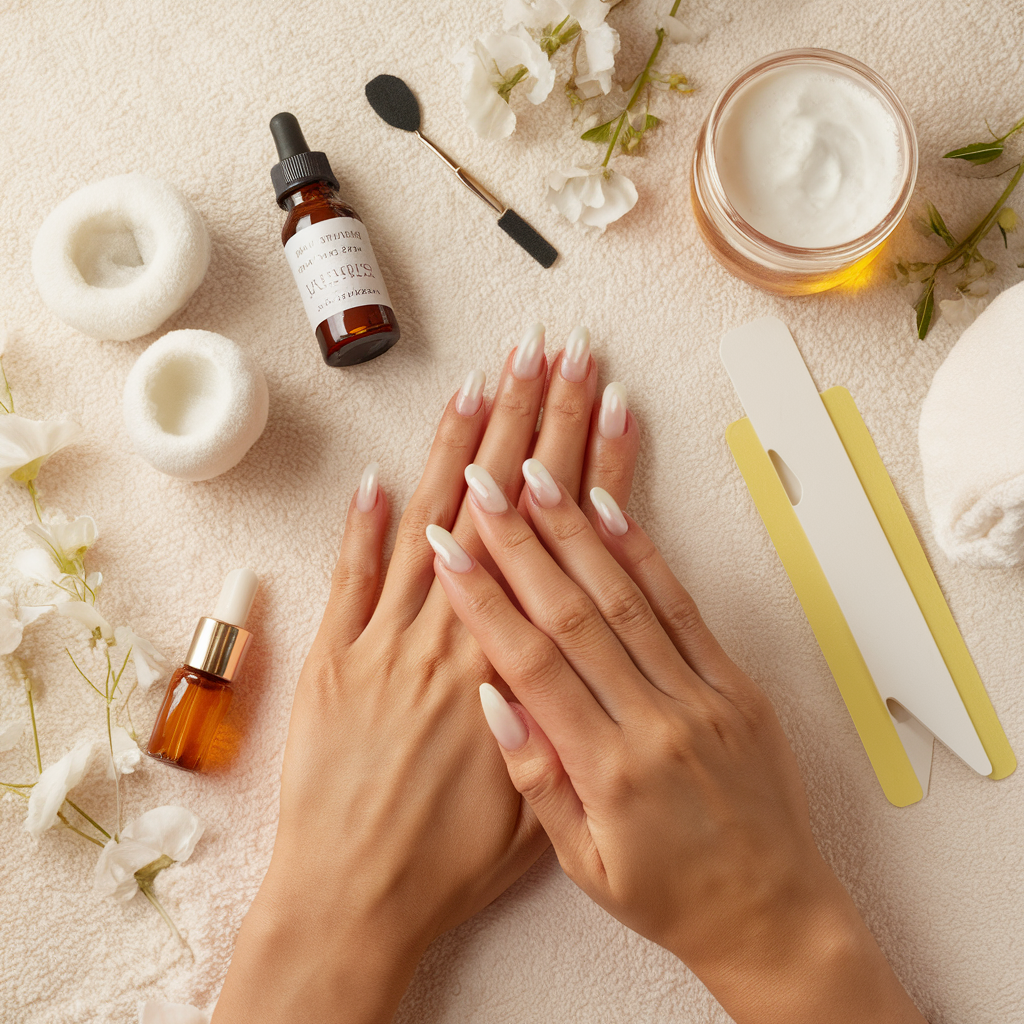
Regular moisturizing with nail and cuticle oils can help improve nail flexibility and reduce the appearance of ridges. Natural oils such as jojoba, vitamin E, and coconut oil are particularly effective for nail hydration. Apply these oils daily, massaging gently into the nail plate and surrounding skin.
DIY nail masks using ingredients like honey, avocado, or olive oil can provide intensive moisturizing treatment. These natural ingredients contain vitamins and fatty acids that nourish the nail and promote healthy growth.
Proper cuticle care is essential for healthy nail growth. Gently push back cuticles after softening with warm water or cuticle oil, but avoid cutting them aggressively as this can lead to infection and nail damage.
Comprehensive Nail Care Routine
Establish a gentle nail hygiene routine that includes regular cleaning with mild soap and water, followed by thorough drying. Use appropriate nail tools, including glass or crystal nail files that are less harsh than metal files and file in one direction to prevent splitting.
Avoid products containing harsh chemicals such as formaldehyde, toluene, and dibutyl phthalate, which can weaken nails and contribute to ridge formation. Choose nail polishes and removers labeled as “3-free” or “5-free” to minimize chemical exposure.
Trim nails regularly using sharp, clean nail clippers, cutting straight across and then gently rounding the corners. This prevents ingrown nails and reduces the risk of breaks that could lead to ridge formation.
Natural Supplements and Remedies
Collagen supplements may support nail strength and growth, as collagen is a key component of nail structure. While research is still emerging, some studies suggest that collagen peptides can improve nail growth and reduce brittleness.
Essential fatty acids from fish oil or flaxseed oil supplements can support overall nail health by providing nutrients necessary for cell membrane integrity and inflammation reduction.
Herbal remedies such as horsetail extract (rich in silica) and nettle (containing various minerals) have traditionally been used to support nail and hair health, though scientific evidence for their effectiveness is limited.
Prevention Strategies
Daily Nail Care Prevention
Implement a consistent moisturizing routine using quality nail and cuticle products. Apply moisturizer or nail oil at least once daily, preferably before bedtime when hands are less likely to be washed frequently.
Practice gentle nail filing techniques, always filing in one direction rather than back and forth, which can cause splitting and weaken the nail structure. Use fine-grit files and avoid over-filing, which can thin the nail plate.
Maintain proper cuticle health by keeping them moisturized and gently pushing them back regularly. Healthy cuticles protect the nail matrix from bacteria and injury that could disrupt nail growth.
Protective Measures
Wear protective gloves when performing household tasks involving chemicals, cleaning products, or prolonged water exposure. Rubber or nitrile gloves protect nails from harsh substances that can weaken the nail structure and contribute to ridge formation.
Avoid using nails as tools for opening packages, scratching, or prying objects. These activities can cause trauma to the nail matrix and lead to both immediate damage and long-term ridge formation.
When trimming nails, use proper techniques with sharp, clean tools. Dull tools can crush the nail rather than cutting cleanly, leading to splits and potential ridge development.
Lifestyle Factors for Prevention
Maintain a balanced diet rich in protein, vitamins, and minerals essential for nail health. Include foods high in biotin (eggs, nuts), iron (lean meats, spinach), and vitamin C (citrus fruits, berries) to support healthy nail growth.
Regular exercise improves circulation, which benefits nail health by ensuring adequate nutrient delivery to the nail matrix. Good circulation also supports the removal of toxins that could potentially affect nail growth.
Implement effective stress reduction techniques as part of your daily routine. Chronic stress can disrupt nail growth and contribute to various health issues that may manifest through nail changes, including ridge formation.
Professional Nail Care Considerations
When to Seek Professional Nail Care
Professional manicures can be beneficial for nail health when performed by trained technicians using proper sanitation procedures. However, inform your manicurist about any nail concerns and request gentle treatment, especially around the cuticle area.
Medical pedicures performed by podiatrists or specialized nail technicians may be appropriate for individuals with significant nail problems or underlying health conditions affecting nail growth.
Professional treatments for ridge reduction, such as nail buffing systems or specialized smoothing treatments, can temporarily improve appearance but should not replace addressing underlying causes.
Cosmetic Solutions
Ridge-filling base coats can temporarily smooth the nail surface and provide a better foundation for nail polish application. These products contain ingredients that fill in minor imperfections and create a smoother appearance.
Professional nail treatments may include hydrating masks, specialized nail serums, or professional-grade buffing systems that can temporarily reduce the appearance of ridges while supporting nail health.
Long-term cosmetic management focuses on maintaining nail health through proper care and nutrition rather than relying solely on cosmetic products to mask underlying issues.
Monitoring and Long-term Care
Tracking Changes and Progress
Monitor your nail ridges by taking photographs monthly to document changes over time. This visual record can help you and your healthcare provider assess whether ridges are improving, worsening, or remaining stable.
Keep a journal noting any health events, dietary changes, new medications, or stress factors that might correlate with changes in nail appearance. This information can be valuable for identifying triggers and patterns.
Improvements in nail ridges typically take 3-6 months to become apparent, as it takes time for healthy nail to grow from the matrix to the tip of the finger. Be patient with treatment results and maintain consistent care routines.
Maintenance Routine for Long-term Health
Establish a sustainable long-term nail care routine that includes daily moisturizing, weekly nail maintenance, and monthly professional assessment if needed. Consistency is key to maintaining healthy nails and preventing ridge formation.
Schedule regular health check-ups to monitor for underlying conditions that might affect nail health. Early detection and treatment of systemic diseases can prevent or minimize nail changes including ridge formation.
Make lifestyle adjustments that support overall health, as healthy nails are often a reflection of good general health. This includes maintaining proper nutrition, managing stress, getting adequate sleep, and staying hydrated.
Conclusion
Ridges in fingernails serve as important indicators of both normal aging processes and potential health concerns. While vertical ridges are often simply a sign of natural aging, horizontal ridges may signal underlying health issues requiring medical attention. Understanding the difference between normal and concerning nail changes empowers you to take appropriate action when needed.
The key to managing nail ridges lies in addressing underlying causes rather than focusing solely on cosmetic appearance. Whether the cause is nutritional deficiency, stress, aging, or an underlying health condition, appropriate treatment can often lead to improvement in nail health and appearance over time.
If you notice sudden changes in your nail ridges, especially horizontal ridges appearing across multiple nails, don’t hesitate to consult with a healthcare provider. Early intervention can help identify and treat underlying health issues while preventing further nail damage.
Remember that healthy nails are a reflection of overall health. By maintaining good nutrition, managing stress, staying hydrated, and following proper nail care practices, you can support both your nail health and general wellbeing. With patience and consistent care, most nail ridge issues can be effectively managed or improved.