

Finding a bump or pimple-like growth in the vaginal area can be concerning for many women, but it’s important to know that such occurrences are quite common and usually nothing to worry about. The vulvar area, like other parts of your body, contains hair follicles, sebaceous glands, and sensitive skin that can develop various types of bumps. Understanding what causes these bumps, how to identify different types, and when to seek medical attention can help you manage your intimate health with confidence. This comprehensive guide will walk you through everything you need to know about vaginal pimples and bumps, empowering you to make informed decisions about your health care.
Understanding Vaginal Anatomy and Normal vs. Abnormal Bumps
Before diving into specific types of bumps, it’s crucial to understand the basic anatomy of the female genital area. The term “vaginal pimple” is often used colloquially, but it’s more accurate to refer to bumps on the vulva – the external genital area that includes the labia, clitoris, and the area around the vaginal opening. The vagina itself is the internal canal.
The vulvar skin contains the same structures found elsewhere on your body: hair follicles, sebaceous (oil) glands, and sweat glands. These structures can sometimes become blocked, inflamed, or infected, leading to the formation of bumps that may resemble pimples. Normal variations in vulvar skin include small bumps around hair follicles, tiny oil glands, and natural skin texture variations.
A true “pimple” in this area would be similar to facial acne – a blocked pore filled with oil, dead skin cells, and sometimes bacteria. However, many bumps in the genital area are actually other types of skin conditions that may look similar to pimples but have different causes and treatments.
Types of Bumps That May Appear on the Vaginal Area
True Pimples (Acne)
Actual acne in the genital area is relatively uncommon but can occur, especially during hormonal fluctuations. These appear as small, raised bumps that may be white-topped (whiteheads) or have a dark center (blackheads). Inflammatory acne may appear red, swollen, and tender to the touch.

Folliculitis
This is one of the most common causes of pimple-like bumps in the genital area. Folliculitis occurs when hair follicles become infected or inflamed, often appearing as small, red, pus-filled bumps around hair follicles. This condition is frequently triggered by shaving, waxing, or tight clothing that creates friction.
Sebaceous Cysts
These are closed sacs filled with keratin (a protein found in skin) that can develop when sebaceous glands become blocked. Sebaceous cysts are typically painless, round, and can range from small to quite large. Unlike pimples, they don’t usually come to a head and may persist for weeks or months.
Bartholin’s Gland Cysts
Located on either side of the vaginal opening, Bartholin’s glands can sometimes become blocked, forming cysts. These typically appear as painless swellings near the vaginal opening but can become infected and painful if bacteria enter the cyst.
Common Causes of Vaginal Pimples
Hormonal Factors
Hormonal fluctuations play a significant role in the development of bumps and pimples in the genital area. During menstruation, pregnancy, or due to conditions affecting hormone levels, your skin’s oil production can increase, leading to blocked pores and bumps. Women may notice these bumps appearing cyclically with their menstrual periods.
Hygiene and Lifestyle Factors
Paradoxically, both inadequate hygiene and over-cleansing can contribute to bump formation. Using harsh soaps, douching, or scrubbing too vigorously can disrupt the natural balance of bacteria and oils in the genital area. Additionally, wearing tight, non-breathable clothing or synthetic fabrics can trap moisture and create friction, leading to irritation and bump formation.
Hair removal practices, particularly shaving, are a common trigger for folliculitis and ingrown hairs in the genital area. The combination of sharp razor blades, sensitive skin, and the warm, moist environment can create perfect conditions for bacterial growth and inflammation.
Bacterial and Fungal Causes
The genital area naturally harbors various bacteria and fungi. When the balance of these microorganisms is disrupted – due to factors like antibiotics, hormonal changes, or compromised immune function – overgrowth can occur, potentially leading to bumps, rashes, and other skin issues.
Contact Dermatitis
Allergic reactions or irritation from personal care products, laundry detergents, fabric softeners, or even certain fabrics can cause inflammation and bump-like lesions in the genital area. Common irritants include fragranced products, latex, and certain preservatives in personal care items.
Symptoms and How to Identify Different Types
Visual Identification Guide
Different types of bumps have characteristic appearances that can help with identification:
- True pimples: Small, raised bumps with white or blackened centers, similar to facial acne
- Folliculitis: Small, red bumps often clustered around hair follicles, may have pus-filled centers
- Sebaceous cysts: Larger, round, flesh-colored bumps that move slightly when pressed
- Bartholin’s cysts: Swelling on one or both sides of the vaginal opening, may be large and tender
Associated Symptoms
Pay attention to accompanying symptoms, as they can provide important clues about the nature of the bump:
- Pain level: True pimples and infected cysts are often painful, while simple sebaceous cysts are usually painless
- Itching: May indicate allergic reactions, yeast infections, or certain types of dermatitis
- Discharge: Unusual vaginal discharge accompanying bumps may suggest a different underlying condition
- Fever: Systemic symptoms like fever could indicate a more serious infection requiring immediate medical attention
When to Seek Medical Attention
Red Flag Symptoms
Certain symptoms warrant immediate medical evaluation:
- Rapid growth or sudden changes in the appearance of bumps
- Severe pain that interferes with walking, sitting, or daily activities
- Signs of spreading infection: red streaking, warmth, or expanding areas of redness
- Multiple bumps appearing suddenly across a wide area
- Bumps accompanied by fever, chills, or feeling generally unwell
Persistent Symptoms
Even without alarming symptoms, you should consider medical consultation if:
- Bumps persist for more than two weeks without improvement
- The same area repeatedly develops bumps
- Bumps interfere with urination, sexual activity, or daily comfort
- You notice changes in the size, color, or texture of existing bumps
Uncertainty About Diagnosis
When in doubt, it’s always better to seek professional medical advice. Healthcare providers can perform proper examinations, potentially including cultures or other tests, to determine the exact nature of bumps and recommend appropriate treatment. This is particularly important if you’re sexually active, as some bumps may be related to sexually transmitted infections that require specific treatment.
Home Care and Treatment Options
Safe Home Remedies
For minor, non-infected bumps, several home care measures can provide relief:
- Warm compresses: Apply a clean, warm, damp cloth to the area for 10-15 minutes several times daily to encourage drainage and reduce inflammation
- Gentle cleansing: Use mild, unscented soap and warm water to keep the area clean without over-washing
- Over-the-counter treatments: Topical treatments containing ingredients like benzoyl peroxide or salicylic acid may help with true acne-type bumps, but should be used sparingly and with caution in the sensitive genital area
What NOT to Do
Certain practices can worsen bumps or lead to complications:
- Never squeeze or pop bumps: This can introduce bacteria, cause scarring, or push infection deeper into tissues
- Avoid harsh scrubbing: Aggressive cleaning can further irritate sensitive skin
- Don’t use inappropriate products: Avoid using facial acne treatments, hydrogen peroxide, or alcohol-based products on genital skin
- Resist picking or scratching: This can lead to secondary bacterial infections
Hygiene Best Practices
Maintaining appropriate hygiene can help prevent future bumps:
- Wash the area gently with mild, unscented soap and water daily
- Pat dry thoroughly after bathing or swimming
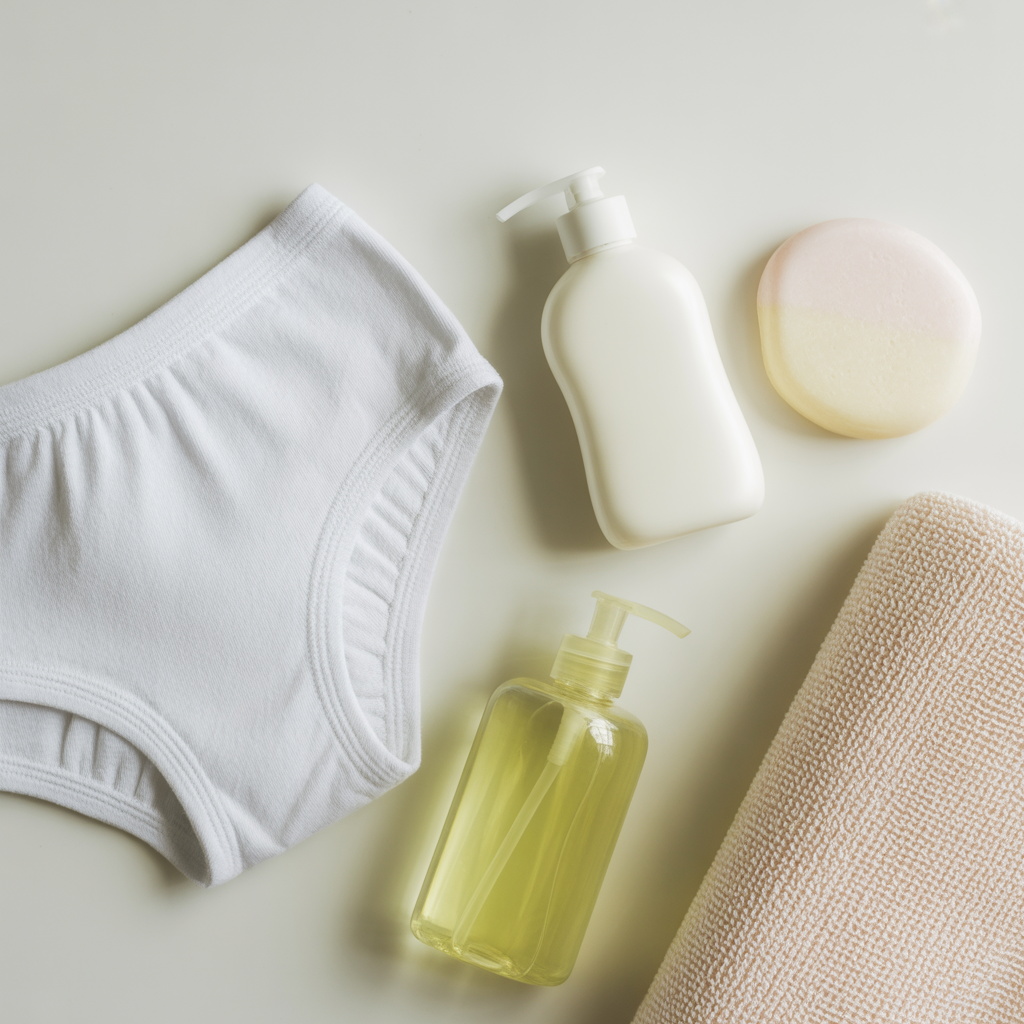
- Wear breathable, cotton underwear
- Change out of wet or sweaty clothing promptly
- Avoid douching or using feminine hygiene sprays
Medical Treatment Options
Topical Treatments
Healthcare providers may prescribe various topical treatments depending on the specific diagnosis. These might include antibiotic creams for bacterial infections, antifungal preparations for yeast-related issues, or anti-inflammatory medications for certain types of dermatitis.
Oral Medications
In cases of more extensive or recurrent infections, oral medications may be necessary. These could include antibiotics for bacterial infections or other systemic treatments depending on the underlying cause. Hormonal treatments might be considered for women whose bumps are clearly related to hormonal fluctuations.
In-Office Procedures
Some types of bumps may require professional intervention, such as drainage of large cysts, removal of persistent lesions, or other minor surgical procedures. These are typically performed in a medical office with appropriate sterile techniques.

Prevention Strategies
Daily Hygiene Practices
Establishing a gentle but effective hygiene routine is key to preventing many types of bumps:
- Use mild, fragrance-free soaps specifically designed for sensitive areas
- Avoid over-washing, which can disrupt natural protective barriers
- Rinse thoroughly to remove all soap residue
- Pat dry gently with a clean towel
Clothing and Lifestyle Choices
Your clothing choices can significantly impact genital health:
- Choose breathable, natural fabrics like cotton for underwear
- Avoid overly tight clothing that creates friction
- Change out of workout clothes promptly after exercise
- Consider going without underwear occasionally to allow air circulation
- Wash new underwear before wearing to remove potential irritants
Hair Removal Best Practices
If you choose to remove pubic hair, follow these guidelines to minimize irritation:
- Use sharp, clean razors and replace them frequently
- Shave in the direction of hair growth, not against it
- Use shaving cream or gel designed for sensitive skin
- Consider alternative hair removal methods if shaving consistently causes problems
- Apply a gentle, unscented moisturizer after hair removal
- Avoid tight clothing immediately after shaving
Distinguishing from STIs and Other Conditions
Common Misidentifications
Several sexually transmitted infections can cause bumps or lesions that might be confused with pimples:
- Herpes: Typically appears as clusters of small, painful blisters that break open to form ulcers
- Genital warts: Usually appear as small, flesh-colored or gray growths that may have a cauliflower-like texture
- Molluscum contagiosum: Presents as small, round, flesh-colored bumps with a characteristic dimpled center
While these conditions have distinct characteristics, proper diagnosis requires professional medical evaluation, especially if you’re sexually active or have had new partners recently.
When STI Testing May Be Recommended
Healthcare providers may recommend STI testing in certain situations:
- New or multiple sexual partners
- Unusual presentations of bumps or lesions
- Partner reporting similar symptoms
- Presence of other symptoms like unusual discharge or painful urination
Frequently Asked Questions
Are vaginal pimples normal?
Yes, bumps and pimple-like lesions in the genital area are quite common and usually not a cause for concern. The vulvar area contains hair follicles and oil glands that can sometimes become blocked or irritated, leading to bump formation.
Can I pop a pimple on my vagina?
No, you should never attempt to pop or squeeze bumps in the genital area. This can introduce bacteria, cause scarring, push infection deeper into tissues, or lead to more serious complications. If a bump is bothersome, consult a healthcare provider for safe treatment options.
How long do they typically last?
The duration varies depending on the type and cause of the bump. Minor irritation-related bumps may resolve within a few days to a week, while cysts or other lesions may persist for weeks or longer. If a bump lasts more than two weeks without improvement, consider seeking medical evaluation.
Will they affect my sex life?
Small, non-infected bumps typically don’t interfere with sexual activity, though you may want to wait until any irritation resolves. However, if bumps are painful, located in areas that would be affected by sexual activity, or if you’re unsure of the cause, it’s wise to consult a healthcare provider before resuming sexual activity.
Can they be prevented completely?
While not all bumps can be prevented, you can significantly reduce your risk by maintaining good hygiene, wearing breathable clothing, using gentle hair removal techniques, and avoiding potential irritants. However, some factors like hormonal fluctuations are beyond your control.
Conclusion
Discovering a bump or pimple-like growth in the genital area is a common experience that affects many women throughout their lives. Understanding that such occurrences are typically normal and manageable can help reduce anxiety and empower you to take appropriate action when needed. The key is learning to distinguish between minor, self-limiting issues and situations that require professional medical attention.
Remember that your body’s signals are important, and developing familiarity with your normal anatomy helps you recognize when something is different. Most bumps in the genital area are benign and respond well to conservative care or simple medical treatments. However, when in doubt, don’t hesitate to consult with a qualified healthcare provider who can provide personalized advice based on your specific situation.
Taking a proactive approach to your intimate health, including practicing good hygiene, making thoughtful clothing choices, and being aware of potential triggers, can help prevent many types of bumps from occurring. Most importantly, remember that seeking medical attention for concerns about your genital health is not only normal but recommended – healthcare providers are trained to address these issues professionally and can provide the guidance you need to maintain optimal intimate health.