

Experiencing a pill stuck in your throat can be an alarming situation that affects millions of Americans each year. Studies indicate that approximately 40% of adults have difficulty swallowing pills at some point in their lives, with various factors contributing to this common yet concerning issue. Whether you’re dealing with a large capsule, an oddly-shaped tablet, or simply having an off day with your swallowing technique, understanding what’s happening and knowing the right steps to take can make all the difference in resolving the situation safely and preventing future occurrences.
Understanding Why Pills Get Stuck in Your Throat
Common Causes Behind Pill Lodging
Several factors can contribute to a pill becoming lodged in your throat, and understanding these causes is the first step toward prevention and resolution. Pill characteristics play a significant role in swallowing difficulties. Large pills, those with irregular shapes, or medications with specific coatings can be more challenging to swallow than others. Some tablets have a chalky texture that can stick to the throat’s moist surfaces, while others may have a coating that becomes slippery when wet, paradoxically making them harder to control during swallowing.
Swallowing technique issues represent another major category of causes. Many people don’t use enough water when taking pills – healthcare professionals recommend at least 8 ounces of room-temperature water. The position of your head also matters significantly; tilting your head too far back or forward can actually make swallowing more difficult by disrupting the natural pathway of the esophagus.
Individual factors can increase your likelihood of experiencing a stuck pill. Dry mouth, whether from dehydration, certain health conditions, or even anxiety about taking medication, reduces the natural lubrication needed for smooth swallowing. Age-related changes in swallowing muscles and reflexes can also contribute to difficulties, making this issue more common in older adults.
Medical conditions such as esophageal disorders, gastroesophageal reflux disease (GERD), or dysphagia (difficulty swallowing) can create physical barriers or reduce the effectiveness of your swallowing mechanism, making pills more likely to become lodged.
Anatomy and Mechanism Behind Swallowing
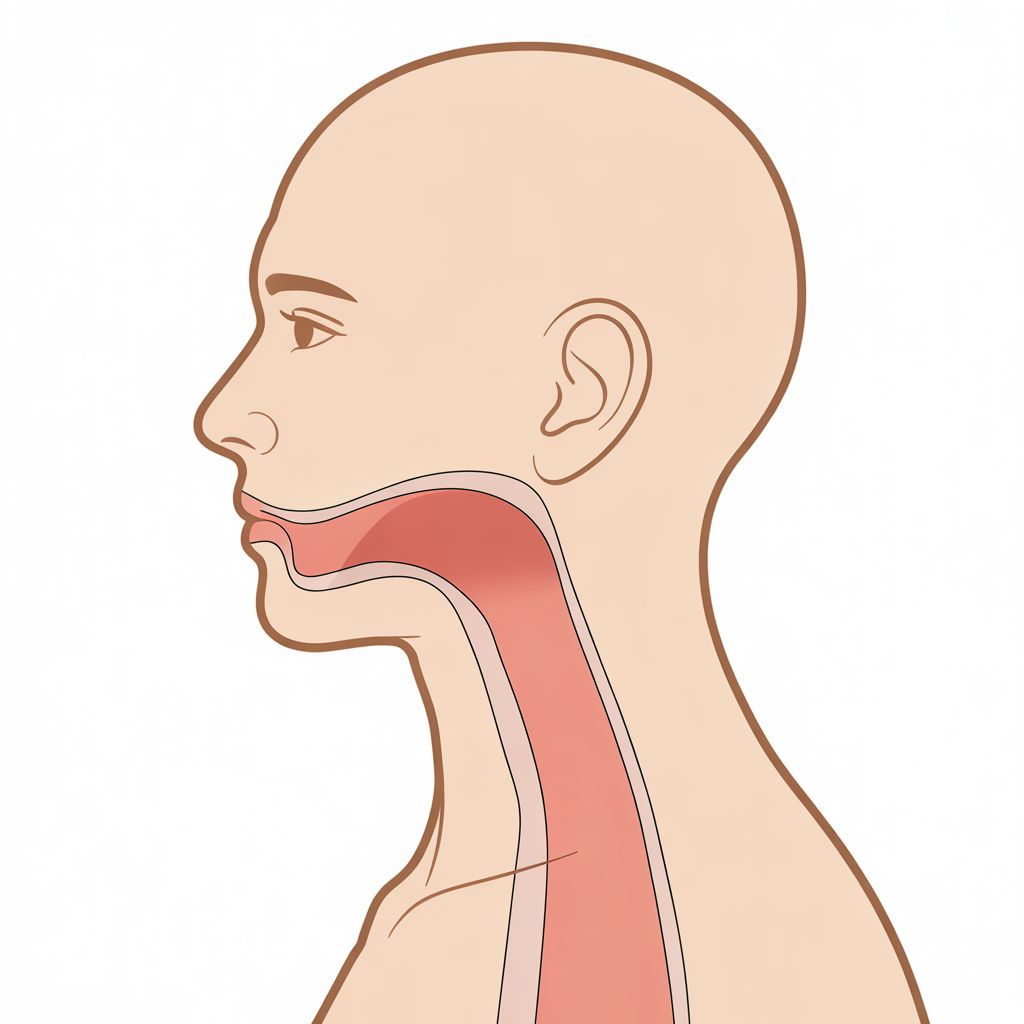
Understanding the basic anatomy involved in swallowing can help you appreciate why pills sometimes get stuck. Your throat consists of two main areas: the pharynx (the back of your mouth and upper throat) and the esophagus (the tube that connects your throat to your stomach). During normal swallowing, your tongue pushes food or medication toward the back of your mouth, triggering a complex series of muscle contractions that propel the item down your esophagus.

Pills typically become lodged at one of several common points: the base of the tongue, the entrance to the esophagus, or at points where the esophagus naturally narrows. These areas are more prone to trapping items that aren’t properly lubricated or are moving too slowly through the swallowing process.
Recognizing the Signs and Symptoms
Physical Sensations You May Experience
When a pill becomes stuck in your throat, you’ll likely experience several distinctive sensations. A scratchy or uncomfortable feeling in your throat is often the first sign, accompanied by the persistent sensation that something is lodged there. You might find it difficult to swallow saliva normally, and some people report a metallic or bitter taste that persists even after drinking water.
These sensations can range from mildly annoying to quite distressing, but it’s important to remain calm and assess the severity of your symptoms before taking action.
Warning Signs Requiring Immediate Medical Attention
While most cases of stuck pills can be resolved safely at home, certain warning signs indicate you need immediate medical attention. Severe symptoms that require emergency care include difficulty breathing, severe chest pain, or complete inability to swallow anything, including your own saliva.
If you experience persistent symptoms lasting more than 2 hours, or if pain worsens rather than improves, it’s time to contact a healthcare provider. Any signs of choking or airway obstruction require immediate emergency medical intervention – call 911 without delay.
Safe Immediate Steps to Take
First Response Actions
When you first realize a pill is stuck in your throat, your immediate response can significantly impact the outcome. Here’s what to do:
1. Stay calm and take a moment to assess the situation. Panicking can worsen the problem by causing you to tense up your throat muscles or attempt unsafe removal methods.
2. Drink water in the right way. Start with small sips of room-temperature water, allowing each sip to settle before taking another. Avoid gulping large amounts initially, as this can sometimes push the pill further down or cause discomfort.
3. Try soft food methods that have proven effective for many people. A small piece of soft bread can help push the pill down, or you can try the “banana method” – eating a small piece of ripe banana that can help carry the pill along. Some people find success with a marshmallow, which provides gentle pressure while being soft enough not to cause additional obstruction.
4. Maintain proper body positioning by sitting upright with your chin slightly down. This position helps align your throat and esophagus for optimal swallowing.
Additional Safe Techniques
Gentle coughing can sometimes help dislodge a stuck pill by using your body’s natural mechanisms. Don’t force violent coughing, but allow natural cough reflexes to work if they occur.
Repeated controlled swallows can also be effective. Focus on making deliberate swallowing motions, even without liquid, as this can help move the pill along its intended path.
Consider the time factor carefully. Sometimes, simply waiting 10-15 minutes while sipping water slowly can allow natural throat movements and saliva production to resolve the issue.
Important Actions to Avoid
Knowing what NOT to do is just as crucial as knowing the right steps. Never attempt to probe your throat with your fingers, as this can push the pill deeper or cause injury. Avoid drinking carbonated beverages immediately, as the bubbles can cause discomfort or interfere with your swallowing mechanism.
Don’t lie down flat, as this position works against gravity and can make swallowing more difficult. Resist the urge to panic or force violent coughing, which can potentially worsen the situation.
When to Seek Medical Help
Emergency Situations
Certain situations require immediate emergency medical attention. Call 911 if you experience severe difficulty breathing, complete inability to swallow anything, signs of choking or airway obstruction, or severe chest pain that doesn’t improve.
These symptoms could indicate that the pill has caused a serious obstruction or injury that requires professional medical intervention.
Contacting Your Healthcare Provider
For less severe but concerning symptoms, contact your healthcare provider if symptoms persist beyond 2-4 hours, if you experience recurring episodes of pills getting stuck, if pain worsens instead of improving, or if you notice signs of infection or injury such as fever or throat swelling.
Medical Interventions Available
Healthcare professionals have several safe and effective methods for removing stuck pills. They can perform professional assessments to determine the exact location and nature of the obstruction, use specialized removal procedures if necessary, and conduct diagnostic tests to identify any underlying conditions that might be contributing to recurring problems.
Prevention Strategies
Mastering Proper Pill-Taking Technique
Prevention is always better than treatment, and developing proper pill-taking techniques can dramatically reduce your risk of experiencing stuck pills. Water amount is crucial – use at least 8 ounces of room-temperature water for each medication. Cold water can cause throat muscles to contract, while very warm water might be uncomfortable.
Head position should be slightly forward or neutral, not tilted back. The optimal angle allows gravity to help while maintaining the natural alignment of your throat and esophagus.
Timing matters – take pills one at a time rather than attempting to swallow multiple medications simultaneously. Create a relaxed environment by sitting upright in a comfortable chair without distractions.
Exploring Pill Modification Options
Some pills can be safely modified to make them easier to swallow, but this should always be done under professional guidance. Crushing guidelines vary significantly between medications – some can be safely crushed and mixed with applesauce or yogurt, while others must remain whole to function properly.
Liquid alternatives are available for many medications. Ask your pharmacist or healthcare provider if your medication comes in liquid form, which can be much easier to swallow.

Pill-splitting using proper tools can sometimes help with large tablets, but again, this requires professional approval as some medications are designed to release their contents over time and shouldn’t be altered.
Alternative Methods and Aids
Pill-swallowing aids such as special cups, straws, or devices designed specifically for this purpose can be very helpful for people who regularly struggle with pill-taking.
Coating agents like a small amount of honey, applesauce, or specialized pill-swallowing gels can help pills slide down more easily. These should be used sparingly and only with appropriate medications.
Practice techniques can help people develop better swallowing skills. Some people benefit from practicing with small, safe items like mini chocolate chips or small candies designed for this purpose.
Special Considerations for Different Groups
Age-Specific Approaches
Children require special consideration when it comes to pill-swallowing. Age-appropriate techniques might include starting with smaller items, using flavored liquids, or working with pediatric formulations designed for easier administration.
Elderly individuals often face unique challenges including decreased saliva production, changes in swallowing reflexes, and multiple medications. Adaptations might include extra hydration, more time between pills, and careful positioning.
Adults with disabilities may need specialized approaches depending on their specific needs and capabilities. Working closely with healthcare providers and occupational therapists can help develop personalized strategies.
Medication-Specific Concerns
Time-release medications present particular challenges because they cannot be crushed or altered without potentially dangerous consequences. These medications must be swallowed whole, making proper technique even more critical.
Large medications might require special handling techniques such as taking them with thicker liquids or using specific swallowing methods that help guide them down more effectively.
People taking multiple medications need strategies for managing complex regimens, including spacing pills appropriately and ensuring adequate hydration throughout the process.
Long-term Solutions and Professional Support
Working with Healthcare Providers
If you regularly experience difficulty swallowing pills, it’s important to discuss this with your healthcare providers. They can review your medications to identify alternatives, assess whether underlying conditions might be contributing to the problem, and provide referrals to specialists when appropriate.
Swallowing Therapy Options
Professional swallowing therapy can be beneficial for people with ongoing difficulties. Speech-language pathologists specialize in swallowing disorders and can provide targeted exercises and techniques to improve your swallowing function.
Various types of therapy are available, from simple technique training to more comprehensive programs for people with medical conditions affecting swallowing. Most people see significant improvement with professional guidance and consistent practice.
Taking Action: Your Path Forward
Dealing with a pill stuck in your throat doesn’t have to be a frightening experience when you’re armed with the right knowledge and techniques. Remember that most cases resolve safely with simple home remedies like drinking water, eating soft foods, or simply waiting patiently while staying hydrated.
The key is knowing when to try home methods versus when to seek professional help. Trust your instincts – if something feels seriously wrong or if symptoms persist or worsen, don’t hesitate to contact a healthcare provider or seek emergency care.
Prevention remains your best strategy. By developing proper pill-taking techniques, working with your healthcare providers to optimize your medications, and addressing any underlying swallowing difficulties, you can significantly reduce the likelihood of future occurrences.
Remember that experiencing occasional difficulty with pill swallowing is common and usually manageable. However, if it becomes a recurring problem, professional evaluation can help identify solutions that will make medication management easier and safer for you. Your healthcare team is there to support you in finding the best approaches for your individual needs and circumstances.