

Niacinamide, a powerful derivative of vitamin B3, has revolutionized the skincare industry with its remarkable ability to address multiple skin concerns simultaneously. From reducing acne and minimizing pores to fighting signs of aging and evening skin tone, this versatile ingredient has become a holy grail for skincare enthusiasts worldwide. Whether you’re dealing with oily, dry, sensitive, or mature skin, niacinamide offers gentle yet effective solutions that can transform your complexion. In this comprehensive guide, we’ll explore everything you need to know about niacinamide benefits for skin, proper usage, potential side effects, and how to incorporate this game-changing ingredient into your daily skincare routine for optimal results.
What is Niacinamide and Why It’s Taking the Skincare World by Storm
Niacinamide, scientifically known as nicotinamide, is an active form of vitamin B3 (niacin) that plays a crucial role in cellular energy metabolism and skin health. Unlike niacin, which can cause uncomfortable flushing and irritation, niacinamide is remarkably well-tolerated and gentle on the skin, making it suitable for all skin types, including sensitive and reactive skin.
This water-soluble vitamin differs significantly from other forms of B3, particularly in its stability and bioavailability when applied topically. While niacin converts to niacinamide in the body, using niacinamide directly provides more predictable and controlled benefits for skincare applications.
The popularity of niacinamide in skincare has exploded in recent years, driven by extensive scientific research demonstrating its efficacy and the growing consumer demand for evidence-based skincare ingredients. Major beauty brands and dermatologists now regularly recommend niacinamide as a cornerstone ingredient for healthy, balanced skin.

The Science Behind Niacinamide: How It Works on Your Skin
Understanding how niacinamide works at the cellular level helps explain why it’s so effective for multiple skin concerns. Niacinamide serves as a precursor to nicotinamide adenine dinucleotide (NAD+), a coenzyme essential for cellular energy production and DNA repair processes.
When applied topically, niacinamide penetrates the skin barrier and gets incorporated into cellular metabolism, where it:
- Enhances the skin’s natural barrier function by stimulating ceramide synthesis
- Regulates sebum production through its influence on sebaceous gland activity
- Provides anti-inflammatory effects by inhibiting the transfer of melanosomes
- Promotes collagen synthesis, supporting skin structure and elasticity
- Improves skin hydration by reducing transepidermal water loss
The bioavailability of niacinamide varies between topical and oral applications. Topical niacinamide achieves higher concentrations in the skin with minimal systemic absorption, making it more targeted and effective for skincare purposes. Research shows that concentrations between 2-20% are optimal for topical use, with 10% being the sweet spot for most skin types.
Proven Benefits of Niacinamide for Skin Health
Acne Treatment and Prevention
One of niacinamide’s most celebrated benefits is its effectiveness in treating and preventing acne. Clinical studies have consistently shown that niacinamide can reduce acne lesions by up to 60% when used consistently over 8-12 weeks.
The anti-acne mechanisms include:
- Sebum regulation: Niacinamide reduces excess oil production without over-drying the skin
- Anti-inflammatory action: It calms inflamed acne lesions and reduces redness
- Antimicrobial effects: Helps control acne-causing bacteria on the skin surface
- Pore refinement: Regular use leads to visibly smaller-appearing pores
Compared to traditional acne treatments like benzoyl peroxide or salicylic acid, niacinamide is significantly gentler and doesn’t cause the dryness, peeling, or photosensitivity often associated with these treatments.
Anti-Aging and Wrinkle Reduction
Niacinamide’s anti-aging benefits are backed by substantial research showing its ability to stimulate collagen production and improve skin elasticity. A landmark study published in the International Journal of Cosmetic Science demonstrated that 5% niacinamide significantly reduced fine lines and wrinkles after 12 weeks of use.
The anti-aging effects include:
- Increased collagen and elastin synthesis
- Improved skin texture and smoothness
- Enhanced skin firmness and elasticity
- Reduction in appearance of fine lines and wrinkles
- Better skin resilience against environmental damage
Hyperpigmentation and Dark Spot Treatment
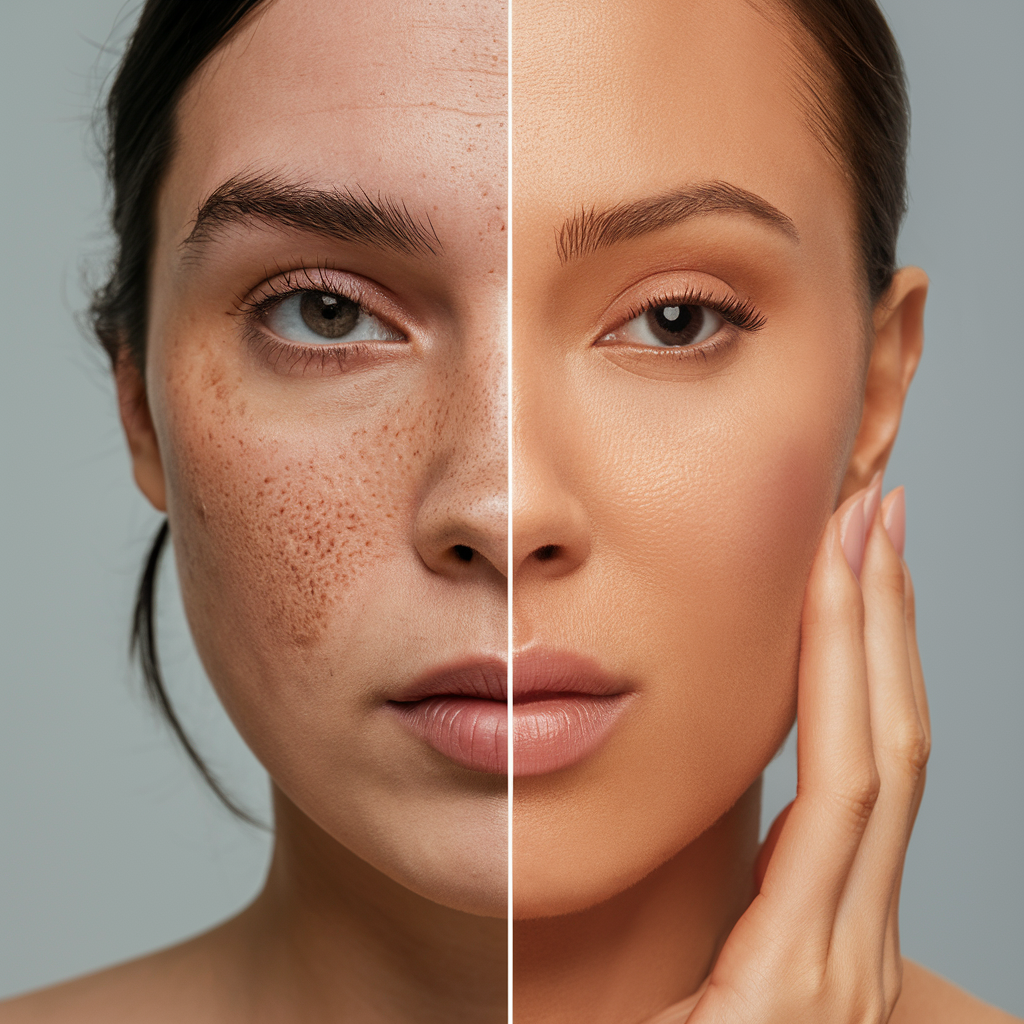
Niacinamide is particularly effective for treating various forms of hyperpigmentation, including post-inflammatory hyperpigmentation (PIH), melasma, and age spots. It works by inhibiting the transfer of melanin from melanocytes to keratinocytes, effectively reducing dark spot formation and evening skin tone.
Research shows that 5% niacinamide can reduce hyperpigmentation by up to 35-68% over 4 months of consistent use. This makes it an excellent alternative to hydroquinone for those seeking gentler depigmenting options.
Skin Barrier Enhancement and Moisture Retention
One of niacinamide’s most fundamental benefits is its ability to strengthen the skin barrier. By increasing ceramide production and improving the skin’s lipid bilayer structure, niacinamide helps:
- Reduce transepidermal water loss by up to 24%
- Improve skin hydration levels
- Enhance protection against environmental stressors
- Reduce sensitivity and reactivity
- Support the skin’s natural repair processes
Forms and Applications of Niacinamide
Topical Niacinamide Products
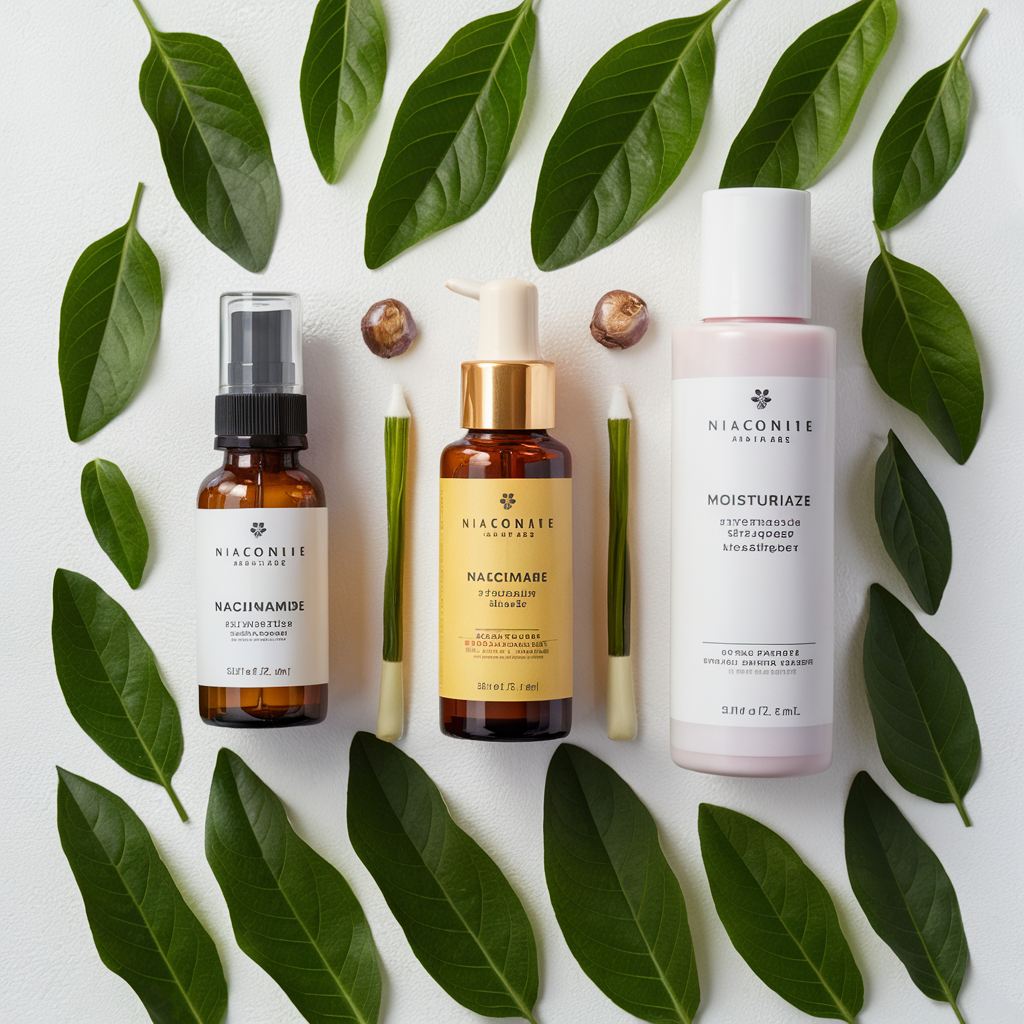
Niacinamide is available in various topical formulations, each offering different benefits and concentrations:
Serums: The most popular and concentrated form, typically available in 5%, 10%, and 20% concentrations. Serums allow for precise dosing and easy layering with other skincare products.
Moisturizers: Often contain 2-5% niacinamide combined with hydrating ingredients like hyaluronic acid and ceramides. Ideal for those who prefer simplified routines.
Cleansers and Toners: Usually contain lower concentrations (1-2%) but provide gentle, daily exposure to niacinamide benefits.
Masks and Treatments: Higher concentration treatments designed for weekly or bi-weekly use to address specific concerns.
Supplement Forms
Oral niacinamide supplements are available, typically in doses ranging from 500mg to 1000mg daily. However, topical application is generally more effective for skincare purposes due to:
- Higher local concentrations in the skin
- Reduced risk of systemic side effects
- More predictable and controlled delivery
- Direct targeting of skin concerns
Combination Products
Niacinamide works synergistically with many other skincare ingredients. Popular and effective combinations include:
- Niacinamide + Hyaluronic Acid: Enhanced hydration and barrier repair
- Niacinamide + Zinc: Improved acne treatment and oil control
- Niacinamide + Retinol: Comprehensive anti-aging benefits with reduced irritation
- Niacinamide + Vitamin C: Antioxidant protection with brightening effects
How to Use Niacinamide Effectively in Your Skincare Routine
Building a Niacinamide Skincare Routine
Incorporating niacinamide into your skincare routine is straightforward due to its gentle nature and compatibility with other ingredients. Here’s a step-by-step approach:
Morning Routine:
- Gentle cleanser
- Niacinamide serum (wait 5-10 minutes)
- Hyaluronic acid or hydrating serum
- Moisturizer
- Broad-spectrum SPF 30+ sunscreen
Evening Routine:
- Double cleanse (oil cleanser + water-based cleanser)
- Niacinamide serum (wait 5-10 minutes)
- Other treatment products (retinol, AHA/BHA)
- Hydrating serum
- Night moisturizer
Application Techniques and Best Practices
Proper application of niacinamide ensures maximum effectiveness:
- Amount: Use 2-3 drops of serum or a pea-sized amount of cream for the entire face
- Application method: Gently pat and press into clean, slightly damp skin
- Frequency: Start with once daily, gradually increasing to twice daily as tolerated
- Layering: Apply to clean skin before heavier creams and oils
- Wait time: Allow 5-10 minutes between applying niacinamide and subsequent products
Combining with Other Skincare Ingredients
Niacinamide’s compatibility with other ingredients is one of its greatest strengths. However, some considerations should be kept in mind:
Safe combinations:
- Hyaluronic acid – enhances hydration
- Peptides – supports anti-aging benefits
- Antioxidants (Vitamin C, E) – provides comprehensive protection
- Retinol/Retinoids – reduces irritation while maintaining efficacy
- Alpha and Beta Hydroxy Acids – can be used together with proper timing
Timing considerations:
- Use niacinamide before heavier creams and oils
- If using with Vitamin C, apply Vitamin C first, wait 10-15 minutes, then apply niacinamide
- When combining with retinol, start with alternate nights to assess tolerance
Potential Side Effects and Safety Considerations
Common Side Effects
Niacinamide is generally well-tolerated, but some individuals may experience mild side effects, particularly when starting treatment or using higher concentrations:
- Mild irritation: Temporary redness, stinging, or burning sensation
- Skin sensitivity: Increased reactivity to other products or environmental factors
- Initial breakouts: Some people experience a brief purging period as skin adjusts
- Allergic reactions: Rare but possible, including contact dermatitis or hives
Who Should Exercise Caution
While niacinamide is suitable for most people, certain groups should take extra precautions:
- Extremely sensitive skin: Start with lower concentrations (2-5%) and patch test first
- Pregnant and breastfeeding women: Generally considered safe topically, but consult healthcare providers
- Those with liver conditions: Particularly relevant for oral supplements
- People taking certain medications: Consult with healthcare providers about potential interactions
Minimizing Adverse Effects
To reduce the risk of side effects:
- Always perform a patch test before full-face application
- Start with lower concentrations and gradually increase
- Introduce niacinamide slowly, beginning with every other day
- Use a gentle, fragrance-free moisturizer to support skin barrier
- Discontinue use if persistent irritation occurs
- Consider consulting a dermatologist for personalized advice
Choosing the Right Niacinamide Product
Concentration Guidelines
Selecting the appropriate niacinamide concentration depends on your skin type, concerns, and experience level:
2-5% for sensitive skin: Ideal for beginners, sensitive skin types, or those new to active ingredients. Provides gentle introduction to niacinamide benefits without overwhelming the skin.
10% for most skin types: The optimal concentration for most people, offering significant benefits for acne, aging, and hyperpigmentation without excessive irritation risk.
20% for specific concerns: Higher concentrations may be beneficial for stubborn acne or hyperpigmentation, but should only be used by experienced users with resilient skin.
Product Quality Factors
When selecting niacinamide products, consider these quality indicators:
- Formulation stability: Look for products in opaque, airtight packaging
- pH levels: Optimal pH range is 5.0-7.0 for niacinamide stability and effectiveness
- Additional ingredients: Complementary ingredients like hyaluronic acid, zinc, or ceramides
- Third-party testing: Products tested for purity and potency
- Brand reputation: Established brands with good track records and customer reviews
Clinical Research and Scientific Evidence
Major Clinical Trials
The efficacy of niacinamide is supported by numerous peer-reviewed studies:
Acne treatment studies: Multiple randomized controlled trials have demonstrated niacinamide’s effectiveness in reducing inflammatory and non-inflammatory acne lesions. A 2017 study published in the Journal of Cosmetic Dermatology showed that 10% niacinamide gel was as effective as 4% clindamycin gel for treating acne vulgaris.
Anti-aging research: A 2005 study in the British Journal of Dermatology found that 5% niacinamide significantly improved skin texture, fine lines, and hyperpigmentation in women aged 35-60 over 12 weeks.
Barrier function studies: Research published in the Journal of Cosmetic Science demonstrated that niacinamide applications increased ceramide levels by 34% and free fatty acids by 67%, significantly improving barrier function.
Comparative Studies
Head-to-head studies comparing niacinamide with other treatments have shown:
- Vs. Hydroquinone: Niacinamide showed comparable depigmenting effects with better tolerance
- Vs. Retinol: Similar anti-aging benefits with less irritation and photosensitivity
- Vs. Salicylic Acid: Comparable acne-fighting effects with gentler action
- Combination studies: Enhanced efficacy when combined with other actives
Expert Recommendations and Professional Insights
Dermatologist Perspectives
Leading dermatologists consistently recommend niacinamide as a versatile, evidence-based skincare ingredient. Dr. Andrea Suarez, a renowned dermatologist, notes that “niacinamide is one of the few ingredients that truly delivers on its promises across multiple skin concerns while maintaining an excellent safety profile.”
Common professional recommendations include:
- Starting with 10% concentration for most patients
- Using niacinamide as a base ingredient in comprehensive skincare routines
- Combining with complementary ingredients for enhanced results
- Recommending niacinamide for patients who cannot tolerate other actives
Product Recommendations by Skin Type
Oily/Acne-Prone Skin:
- 10% niacinamide serums with zinc
- Oil-free, lightweight formulations
- Products containing additional sebum-regulating ingredients
Dry/Sensitive Skin:
- 5% niacinamide in hydrating bases
- Combination products with hyaluronic acid and ceramides
- Cream or lotion formulations over serums
Mature/Aging Skin:
- 10% niacinamide with peptides and antioxidants
- Anti-aging focused formulations
- Products suitable for combination with retinoids
Frequently Asked Questions About Niacinamide
How long does it take to see results from niacinamide?
Most people begin seeing improvements in skin texture and oil control within 2-4 weeks of consistent use. More significant changes in acne, hyperpigmentation, and signs of aging typically become apparent after 8-12 weeks of regular application. Patience and consistency are key to achieving optimal results.
Can I use niacinamide with retinol and vitamin C?
Yes, niacinamide can be safely combined with both retinol and vitamin C. In fact, niacinamide may help reduce the irritation often associated with retinol use. When using with vitamin C, apply vitamin C first, wait 10-15 minutes, then apply niacinamide. This prevents any potential pH conflicts and ensures optimal absorption of both ingredients.
Is niacinamide safe during pregnancy and breastfeeding?
Topical niacinamide is generally considered safe during pregnancy and breastfeeding. Unlike retinoids or high-concentration salicylic acid, niacinamide doesn’t pose known risks to developing babies. However, as with any skincare ingredient during pregnancy, it’s advisable to consult with your healthcare provider before use.
Can teenagers use niacinamide?
Absolutely. Niacinamide is an excellent choice for teenage skin due to its gentle nature and effectiveness in treating acne. It’s particularly beneficial for teens who experience irritation from traditional acne treatments like benzoyl peroxide or salicylic acid. Start with lower concentrations (5%) and gradually increase as needed.
What should I do if niacinamide isn’t working for me?
If you don’t see results after 12 weeks of consistent use, consider:
- Increasing the concentration gradually
- Checking product quality and expiration dates
- Evaluating your overall skincare routine for conflicts
- Consulting a dermatologist for personalized advice
- Considering underlying skin conditions that may require professional treatment
The Future of Niacinamide in Skincare
As skincare science continues to advance, niacinamide remains at the forefront of innovative formulations and research. Emerging studies are exploring new applications, including its potential in treating inflammatory skin conditions like eczema and psoriasis, as well as its role in protecting against environmental damage and pollution.
New delivery systems, such as encapsulated niacinamide and time-release formulations, are being developed to enhance stability and efficacy. Additionally, researchers are investigating optimal combinations with other proven ingredients to create more comprehensive skincare solutions.
The growing body of evidence supporting niacinamide’s benefits continues to solidify its position as a cornerstone ingredient in modern skincare routines. As more people discover its versatility and gentleness, niacinamide is likely to remain a popular choice for addressing multiple skin concerns simultaneously.
Conclusion: Maximizing Niacinamide Benefits for Your Skin
Niacinamide stands out as one of the most versatile and well-researched ingredients in skincare, offering proven benefits for virtually every skin type and concern. From its gentle yet effective approach to treating acne and reducing signs of aging to its ability to strengthen the skin barrier and even skin tone, niacinamide delivers consistent results with minimal risk of adverse effects.
The key to success with niacinamide lies in choosing the right concentration for your skin type, introducing it gradually into your routine, and maintaining consistent use. Whether you’re dealing with oily, acne-prone skin, signs of aging, hyperpigmentation, or simply want to maintain healthy, balanced skin, niacinamide can be an invaluable addition to your skincare arsenal.
Remember that skincare is highly individual, and what works for one person may not work for another. Start with a lower concentration, listen to your skin, and don’t hesitate to consult with a dermatologist if you have specific concerns or underlying skin conditions. With patience, consistency, and the right approach, niacinamide can help you achieve the healthy, radiant skin you’ve been seeking.
As you embark on your niacinamide journey, keep realistic expectations, track your progress, and enjoy the process of discovering how this remarkable ingredient can transform your skin health and confidence.