

Healthy blood circulation plays a crucial role in male sexual health and overall well-being. Many men experience circulation issues that can affect their confidence and quality of life, often seeking natural solutions to support their vascular health. This comprehensive guide explores evidence-based natural supplements and lifestyle approaches that may help improve blood flow and circulation. It’s important to note that this information is for educational purposes only, and you should always consult with a qualified healthcare professional before starting any supplement regimen, especially if you have underlying health conditions or take medications.
Understanding Blood Flow and Circulation
How Blood Circulation Affects Male Sexual Health
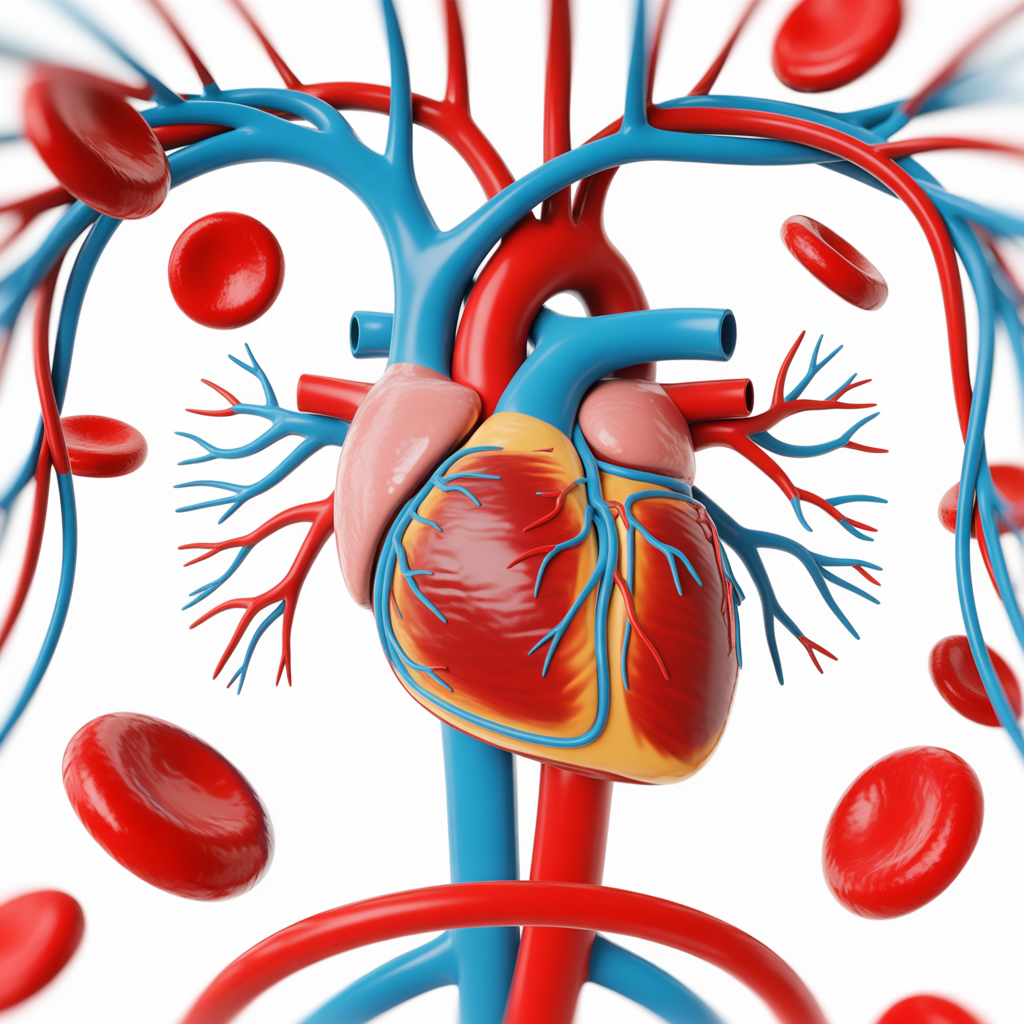
Blood circulation is fundamental to proper physiological function throughout the body. The vascular system relies on complex mechanisms involving nitric oxide, a crucial molecule that promotes vasodilation – the widening of blood vessels that allows for increased blood flow. When blood vessels can properly dilate and contract, circulation improves, supporting overall cardiovascular health.
The relationship between cardiovascular health and sexual function is well-established in medical literature. Healthy blood vessels, proper endothelial function, and adequate nitric oxide production all contribute to optimal circulation. Understanding these mechanisms helps explain why addressing overall vascular health can have positive effects on multiple aspects of well-being.
Common Causes of Poor Blood Flow
Several factors can contribute to circulation issues, and identifying these causes is essential for developing an effective approach to improvement:
- Age-related changes: As we age, blood vessels naturally lose some elasticity, and nitric oxide production may decline
- Lifestyle factors: Smoking damages blood vessels, while sedentary lifestyles and poor dietary choices can impair circulation
- Medical conditions: Diabetes, hypertension, and cardiovascular disease can significantly impact blood flow
- Stress and psychological factors: Chronic stress can affect vascular function and overall circulation
Top Natural Supplements for Blood Flow Enhancement
L-Arginine
L-Arginine is an amino acid that serves as a precursor to nitric oxide production in the body. This semi-essential amino acid has been extensively studied for its potential cardiovascular benefits.
Scientific Evidence: Multiple clinical studies have examined L-Arginine’s effects on vascular health. Research suggests that L-Arginine supplementation may support healthy blood flow by enhancing nitric oxide production, which promotes vasodilation.
Dosage and Sources: Studies typically use doses ranging from 3-6 grams daily. Natural dietary sources include turkey, chicken, pumpkin seeds, soybeans, and peanuts. However, therapeutic doses usually require supplementation.
Safety Considerations: L-Arginine is generally well-tolerated, but some people may experience digestive upset, bloating, or diarrhea at higher doses. Those with herpes should exercise caution, as L-Arginine may potentially trigger outbreaks.
L-Citrulline
L-Citrulline is another amino acid that the body converts to L-Arginine, potentially offering superior absorption and bioavailability compared to direct L-Arginine supplementation.
Research Backing: Studies indicate that L-Citrulline supplementation can effectively increase plasma arginine levels and may support vascular health more efficiently than L-Arginine itself.
Recommended Dosage: Research typically uses 3-6 grams daily. Watermelon is the richest natural source of L-Citrulline, though supplementation is usually necessary for therapeutic effects.
Safety Profile: L-Citrulline is generally well-tolerated with fewer digestive side effects compared to L-Arginine.
Ginseng (Panax Ginseng)
Panax Ginseng has been used in traditional medicine for centuries and has gained scientific attention for its potential cardiovascular and circulatory benefits.
Active Compounds: Ginsenosides are the primary active compounds responsible for ginseng’s effects. These compounds may support healthy blood flow and overall vascular function.
Modern Research: Clinical trials have investigated ginseng’s effects on circulation and general wellness, with some studies showing promising results for cardiovascular health support.
Dosage Guidelines: Standardized ginseng extracts typically recommend 200-400mg daily of extract containing 4-7% ginsenosides.
Precautions: Ginseng may interact with blood-thinning medications and can cause insomnia in some individuals. It may also affect blood sugar levels.
Ginkgo Biloba
Ginkgo Biloba is renowned for its potential to support peripheral circulation and has been studied extensively for its vascular health benefits.
Circulation Benefits: Ginkgo may help improve peripheral blood flow by supporting healthy blood vessel function and potentially enhancing circulation to various parts of the body.
Scientific Support: Research on ginkgo has shown mixed but generally positive results for circulation support, though more high-quality studies are needed.
Recommended Forms: Standardized extracts containing 24% flavone glycosides and 6% terpene lactones are most commonly used in research.
Safety Considerations: Ginkgo has blood-thinning properties and may interact with anticoagulant medications. Some people may experience headaches, dizziness, or stomach upset.
Pomegranate Extract
Pomegranate is rich in antioxidants and has shown promise for supporting vascular health through multiple mechanisms.
Antioxidant Properties: Pomegranate contains powerful antioxidants that may help protect blood vessels from oxidative stress and support endothelial function.
Nitric Oxide Support: Some research suggests that pomegranate may help support healthy nitric oxide levels, which is crucial for proper vasodilation.
Supplementation: Look for standardized extracts with high concentrations of ellagic acid and punicalagins, the key active compounds.

Horny Goat Weed (Epimedium)
This traditional herb contains icariin as its primary active compound and has been used historically to support male vitality.
Active Compound: Icariin is believed to be the primary bioactive compound responsible for the herb’s effects on circulation.
Traditional Use: Horny Goat Weed has been used in traditional Chinese medicine for centuries to support energy and vitality.
Modern Research: While research is limited, some preliminary studies suggest potential benefits for circulation, though more high-quality research is needed.
Supporting Vitamins and Minerals
Vitamin D
Vitamin D plays a crucial role in vascular health, with deficiency linked to various cardiovascular issues.
Vascular Health Connection: Adequate vitamin D levels are important for proper endothelial function and may support healthy blood pressure and circulation.
Deficiency Implications: Low vitamin D levels have been associated with various cardiovascular problems, making adequate intake important for overall vascular health.
Supplementation: Most adults need 1000-4000 IU daily, but blood testing can help determine individual needs.
Vitamin C
This essential vitamin supports collagen synthesis and provides antioxidant protection for blood vessels.
Circulation Benefits: Vitamin C helps maintain the integrity of blood vessel walls and supports the production of nitric oxide.
Daily Requirements: Adults typically need 90mg (men) to 75mg (women) daily, though higher amounts may be beneficial for vascular support.
Vitamin E
As a fat-soluble antioxidant, Vitamin E helps protect blood vessels from oxidative damage.
Forms Available: Natural vitamin E (d-alpha-tocopherol) is generally preferred over synthetic forms.
Dosage Considerations: 15mg daily is the RDA, but therapeutic doses may range from 100-400 IU.
Zinc
This essential mineral supports various physiological processes, including hormone production and vascular health.
Circulation Benefits: Adequate zinc levels are important for proper endothelial function and overall vascular health.
Deficiency Signs: Poor wound healing, frequent infections, and reduced sense of taste or smell may indicate zinc deficiency.
Sources: Oysters, beef, pumpkin seeds, and legumes are excellent food sources, while supplements typically provide 15-30mg daily.
Combination Supplements and Formulas
Many manufacturers offer combination products that include multiple circulation-supporting ingredients in a single supplement.
Multi-ingredient Products: These formulas often combine amino acids, herbs, vitamins, and minerals for comprehensive circulation support.
Synergistic Effects: Some ingredients may work better together than individually, potentially enhancing overall effectiveness.
Quality Considerations: Look for products from reputable manufacturers that provide clear dosing information and third-party testing results.
Lifestyle Factors That Enhance Supplement Effectiveness
Dietary Recommendations
A circulation-friendly diet can significantly enhance the effectiveness of natural supplements.
Beneficial Foods:
- Beets: Rich in nitrates that convert to nitric oxide
- Dark leafy greens: Excellent source of nitrates and antioxidants
- Berries: Packed with circulation-supporting antioxidants
- Watermelon: Natural source of L-Citrulline
- Dark chocolate: Contains flavonoids that support vascular health
Foods to Limit: Processed foods, excessive sodium, added sugars, and trans fats can negatively impact circulation.
Mediterranean Diet Benefits: This eating pattern, rich in fruits, vegetables, whole grains, and healthy fats, has been extensively studied for its cardiovascular benefits.
Exercise and Physical Activity
Regular physical activity is one of the most effective ways to improve circulation naturally.
Cardiovascular Exercise: Activities like brisk walking, jogging, cycling, and swimming help strengthen the heart and improve blood flow throughout the body.
Pelvic Floor Exercises: Kegel exercises for men can help strengthen the muscles involved in circulation and may support overall pelvic health.
Resistance Training: Weight training supports healthy hormone levels and improves overall circulation.

Stress Management
Chronic stress can significantly impact circulation and overall cardiovascular health.
Stress-Circulation Connection: High stress levels can cause blood vessels to constrict and may interfere with healthy circulation patterns.
Effective Techniques:
- Deep breathing exercises
- Meditation and mindfulness practices
- Regular relaxation time
- Adequate sleep (7-9 hours nightly)
- Social support and healthy relationships
Safety Considerations and Precautions
Drug Interactions
Natural supplements can interact with prescription medications, making professional consultation essential.
Blood Pressure Medications: Supplements that affect circulation may interact with antihypertensive drugs, potentially causing blood pressure to drop too low.
Blood Thinners: Many circulation-supporting supplements have mild blood-thinning properties that could enhance the effects of anticoagulant medications.
Other Medications: Always consult with your healthcare provider before combining supplements with any prescription medications.
Pre-existing Conditions
Certain health conditions require special consideration when using circulation supplements.
Cardiovascular Disease: Those with heart conditions should work closely with their cardiologist before starting any new supplements.
Diabetes: Some supplements may affect blood sugar levels, requiring careful monitoring.
Kidney or Liver Conditions: These organs process supplements, so impaired function may require dosage adjustments.
Side Effects to Monitor
Common Mild Effects: Digestive upset, headaches, or dizziness are relatively common with circulation supplements.
Serious Warning Signs: Severe allergic reactions, chest pain, or significant changes in blood pressure require immediate medical attention.
Choosing Quality Supplements
Third-Party Testing
Independent testing ensures supplement quality and safety.
Purity Verification: Testing for heavy metals, pesticides, and other contaminants is crucial for safety.
Potency Confirmation: Third-party testing verifies that products contain the amounts of active ingredients listed on labels.
Reputable Organizations: Look for testing by NSF International, USP (United States Pharmacopeia), or ConsumerLab.
Manufacturing Standards
GMP Certification: Good Manufacturing Practices ensure consistent quality and safety in supplement production.
FDA Oversight: While supplements aren’t regulated like drugs, FDA-registered facilities follow stricter guidelines.
Label Reading
Active Ingredients: Look for standardized extracts with clearly stated concentrations of active compounds.
Inactive Ingredients: Avoid unnecessary fillers, artificial colors, and potential allergens.
Expiration Dates: Check dates to ensure potency and avoid expired products.
When to Consult a Healthcare Provider
Professional medical guidance is essential in many situations:
- Persistent Issues: If circulation problems don’t improve with lifestyle changes and natural supplements
- Underlying Conditions: Any existing health conditions require professional evaluation before starting supplements
- Medication Interactions: Always consult about potential interactions with current medications
- Monitoring Progress: Regular check-ups help ensure approaches are working safely and effectively
Frequently Asked Questions
How long before seeing results?
Most people may notice initial improvements within 2-4 weeks of consistent supplementation, though full benefits often take 2-3 months to develop.
Can natural supplements replace prescription medications?
Natural supplements should not replace prescribed medications without medical supervision. They may be used as complementary support under professional guidance.
Are natural supplements safe for long-term use?
Most high-quality natural supplements are safe for long-term use when taken as directed, but periodic evaluation by a healthcare provider is recommended.
What’s the best time to take these supplements?
Timing varies by supplement. Some are best taken with food to reduce stomach upset, while others may be more effective on an empty stomach.
Can I combine multiple circulation supplements?
Many supplements can be safely combined, but it’s important to avoid exceeding recommended doses and to consult with a healthcare provider about potential interactions.
Conclusion
Natural supplements can be valuable tools for supporting healthy circulation and overall vascular health. The most promising options include L-Arginine, L-Citrulline, Panax Ginseng, Ginkgo Biloba, and pomegranate extract, along with supporting vitamins and minerals. However, supplements work best as part of a comprehensive approach that includes a healthy diet, regular exercise, stress management, and adequate sleep.
Remember that natural doesn’t always mean safe for everyone. Individual responses to supplements can vary significantly, and potential interactions with medications or health conditions make professional consultation essential. Start with lifestyle improvements, choose high-quality supplements from reputable manufacturers, and work with your healthcare provider to develop a safe and effective approach to supporting your vascular health.
Taking the first step toward better circulation and overall health starts with making informed decisions and seeking appropriate medical guidance. With the right combination of natural support and professional oversight, many men can successfully improve their circulation and overall well-being through safe, natural methods.