

Mite bites can be frustrating and difficult to identify, often causing confusion with other skin conditions. These microscopic arachnids are responsible for various types of skin irritations that affect millions of people worldwide. Understanding how to properly identify mite bites is crucial for effective treatment and prevention. This comprehensive guide will help you distinguish between different types of mite bites, recognize their distinctive characteristics, and understand when professional medical attention is necessary.
Understanding Mites: The Microscopic Culprits
What Are Mites?
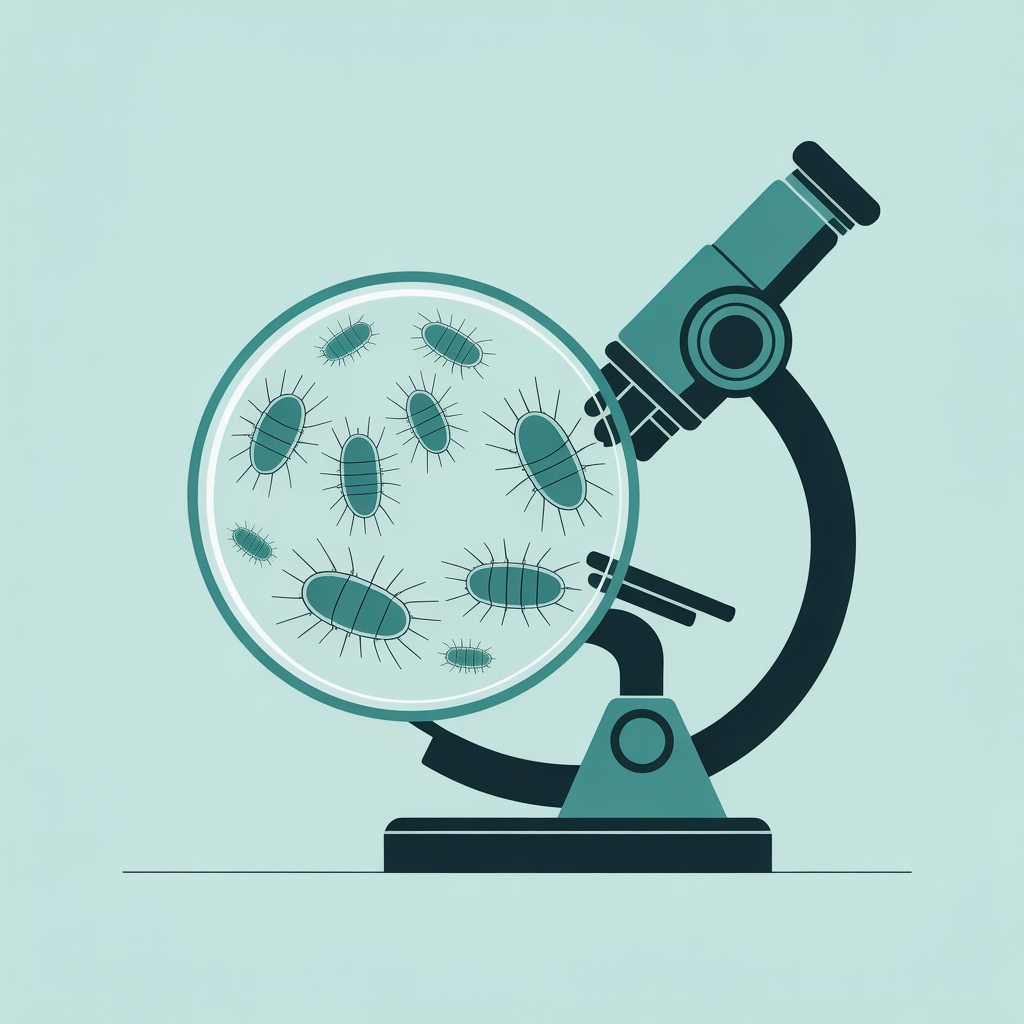
Mites are tiny arachnids, closely related to spiders and ticks, measuring typically between 0.1 to 0.5 millimeters in length. These microscopic creatures are virtually invisible to the naked eye and thrive in various environments including homes, gardens, and on animals. Their small size allows them to easily go unnoticed until their bites become apparent on human skin.
Most mites prefer warm, humid environments and can be found in bedding, upholstered furniture, carpets, and areas where dust accumulates. They feed on various organic materials, including dead skin cells, plant matter, and in some cases, blood from their hosts.
Why Mites Bite Humans
Mites bite humans for several reasons, primarily related to their feeding behavior and survival needs. Some mites feed directly on human blood or skin cells, while others bite defensively when they come into contact with human skin. Understanding their feeding patterns and lifecycle helps explain why certain times of year or specific conditions may lead to increased mite activity.
Peak mite activity typically occurs during warmer months when humidity levels are higher, though indoor mites can be active year-round in controlled environments. Factors such as poor ventilation, high humidity, and the presence of organic debris can create ideal conditions for mite populations to flourish.
Types of Mites That Bite Humans
Dust Mites
Dust mites are among the most common household mites, primarily feeding on dead skin cells that humans naturally shed. While dust mites themselves rarely bite, they can cause significant allergic reactions that may be mistaken for bite marks. These reactions typically appear as small, red, itchy bumps that can persist for several days.
Dust mite reactions are most commonly found on areas of the body that come into direct contact with infested bedding or furniture, such as the back, arms, and legs. The symptoms often worsen at night or upon waking, as prolonged contact with dust mite allergens occurs during sleep.
Scabies Mites (Sarcoptes scabiei)
Scabies mites are highly contagious parasites that burrow into the upper layer of human skin to lay eggs. These mites create distinctive tunnel-like patterns under the skin, appearing as thin, wavy lines that are often accompanied by small red bumps or blisters. The burrows are typically found in warm, moist areas of the body such as between fingers, wrists, elbows, and genital areas.
Scabies infestations spread through direct skin-to-skin contact and can affect entire households or communities. The intense itching associated with scabies is often worse at night and may persist for weeks even after successful treatment.
Chigger Mites (Trombiculidae)
Chigger mites are seasonal pests most active during warm, humid months. These mites typically attach to clothing and migrate to areas where clothing fits tightly against the skin, such as waistbands, sock lines, and underarm areas. Chigger bites appear as small, red welts that develop into intensely itchy bumps within hours of exposure.
Unlike other mites, chiggers do not burrow into the skin but attach to hair follicles and inject enzymes that break down skin cells for feeding. The resulting bites often form clusters and can remain itchy for up to two weeks.
Bird Mites
Bird mites typically infest homes when bird nests are present near or within structures. These mites can enter homes through small cracks and openings, particularly when their natural bird hosts abandon nests. Bird mite bites often appear as small, red, itchy bumps that may occur in clusters or linear patterns.
Bird mite infestations are often seasonal, coinciding with bird nesting periods in spring and early summer. The bites may be accompanied by a crawling sensation on the skin, and symptoms typically worsen at night when mites are most active.
Rodent Mites
Rodent mites enter human environments when their preferred rodent hosts are eliminated or when rodent populations fluctuate. These mites can survive for extended periods without their primary hosts and may bite humans as an alternative food source. Rodent mite bites typically appear as small, red, intensely itchy bumps that may develop into larger welts.
The distribution of rodent mite bites often reflects the areas where rodent activity was highest, such as near food storage areas, basements, or attics. These bites may persist for several days and can become secondarily infected if scratched excessively.
Mite Bite Identification Guide
Visual Characteristics
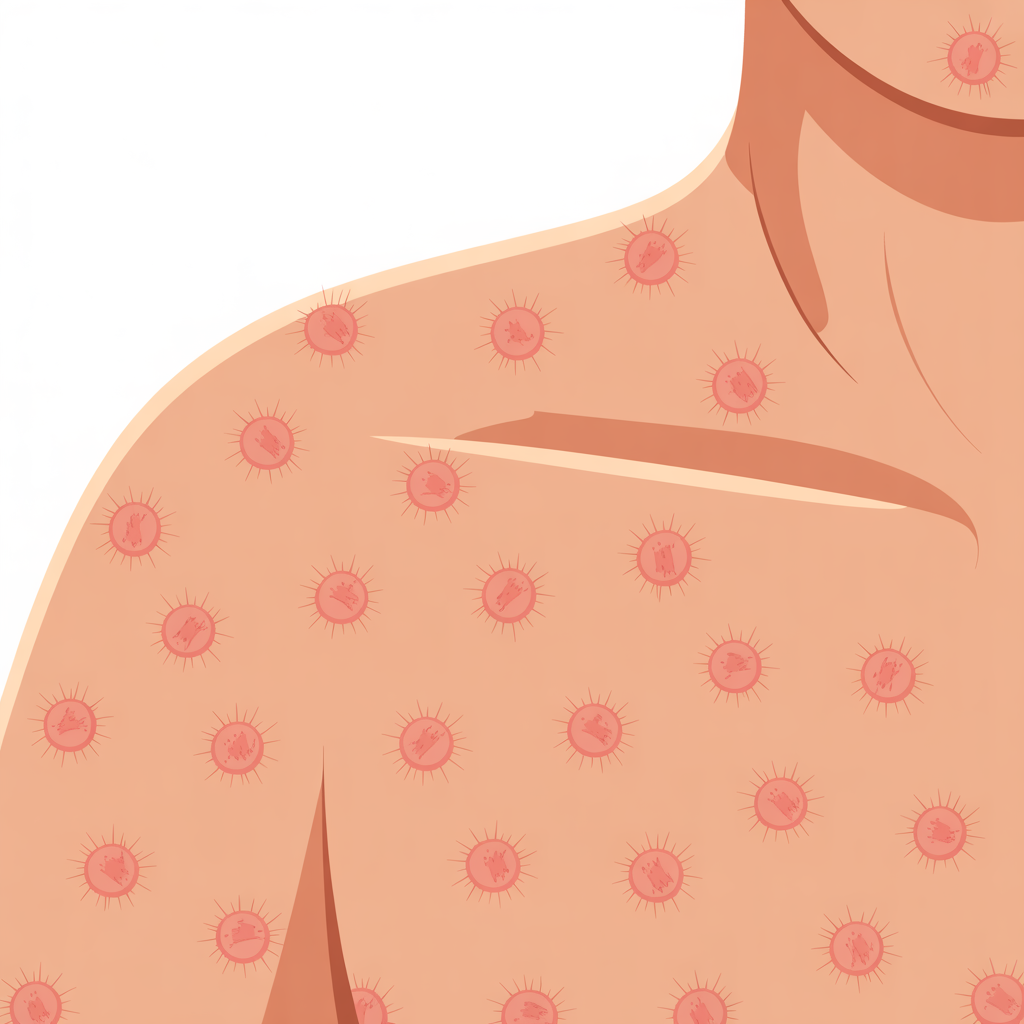
Mite bites typically appear as small, red bumps ranging from 1-5 millimeters in diameter. Fresh bites often present as bright red or pink welts with a central point where the mite attached. As the bites age, they may darken to a deeper red or brown color before gradually fading over several days to weeks.
The size and appearance of mite bites can vary significantly depending on the individual’s immune response and the specific type of mite involved. Some people may develop larger, more inflamed reactions, while others may have minimal visible symptoms despite experiencing significant itching.
Physical Symptoms
The most common symptom of mite bites is intense itching that often worsens at night or when the affected area becomes warm. This itching can be so severe that it disrupts sleep and daily activities. The affected areas may also experience mild to moderate swelling, particularly in individuals with sensitive skin or allergic tendencies.
Additional symptoms may include a burning or stinging sensation at the bite site, especially during the first few hours after exposure. Some individuals may also experience a crawling sensation on their skin, even in areas without visible bites.
Location Patterns on the Body
Mite bite locations often provide important clues for identification. Dust mite reactions typically occur on areas that contact bedding, such as the back, shoulders, and arms. Chigger bites commonly appear along clothing lines, particularly where garments fit snugly against the skin.
Scabies mites prefer warm, moist areas such as the webbing between fingers, wrists, elbows, and genital regions. Bird and rodent mites may bite anywhere on exposed skin but often target areas with thinner skin or increased blood flow.
Distinguishing Mite Bites from Other Skin Conditions
Mite Bites vs. Flea Bites
Flea bites typically appear as small, red bumps with a central red spot, often arranged in clusters or lines. While both flea and mite bites cause intense itching, flea bites tend to be more uniform in size and often occur on the lower legs and feet. Mite bites can appear anywhere on the body and may vary more significantly in size and appearance.
Mite Bites vs. Mosquito Bites
Mosquito bites usually appear as larger, raised welts that develop quickly after being bitten and may subside within a few hours to days. Mite bites are typically smaller, more persistent, and may not appear immediately after exposure. Mosquito bites also tend to be more isolated, while mite bites often occur in clusters or patterns.
Mite Bites vs. Bed Bug Bites
Bed bug bites often appear in linear patterns or clusters of three, earning them the nickname “breakfast, lunch, and dinner” bites. They are typically larger than mite bites and may develop into significant welts. Bed bug bites also tend to occur on exposed areas during sleep, while mite bites can appear anywhere clothing or bedding contacts the skin.
Other Skin Conditions to Consider
Several other skin conditions can be mistaken for mite bites, including eczema, contact dermatitis, and allergic reactions. Eczema typically appears as dry, scaly patches with defined borders, while allergic reactions may present as larger, more diffuse areas of redness and swelling. Bacterial skin infections may also mimic mite bites but typically show signs of progression such as increased warmth, pus formation, or red streaking.
When to Seek Medical Attention
Warning Signs and Red Flags
While most mite bites resolve on their own with proper care, certain symptoms warrant immediate medical attention. Signs of bacterial infection include increasing redness, warmth, swelling, pus formation, or red streaking extending from the bite area. Fever, chills, or swollen lymph nodes may indicate a systemic infection requiring prompt treatment.
Severe allergic reactions, while rare, can occur and may manifest as widespread rash, difficulty breathing, or swelling of the face, lips, or tongue. These symptoms require emergency medical care.
Professional Diagnosis
A healthcare professional should evaluate persistent or worsening symptoms that do not respond to basic treatment measures. Dermatologists can perform specialized tests, including skin scrapings or biopsies, to definitively identify mite infestations and rule out other skin conditions.
Professional diagnosis is particularly important when multiple family members are affected, when symptoms persist despite treatment efforts, or when the bite pattern suggests a potential scabies infestation.

Immediate Treatment and Relief
First Aid Measures
The first step in treating mite bites is thorough cleansing of the affected area with soap and water to remove any remaining mites and reduce the risk of secondary infection. Avoid hot water, which can increase itching and inflammation. Pat the area dry gently with a clean towel.
Apply cold compresses or ice packs wrapped in cloth to the affected areas for 10-15 minutes several times daily to reduce swelling and numb the itching sensation. Resist the urge to scratch, as this can lead to secondary bacterial infections and prolonged healing.
Over-the-Counter Remedies
Several over-the-counter treatments can provide relief from mite bite symptoms. Topical treatments such as calamine lotion, hydrocortisone cream, or anti-itch creams containing ingredients like menthol or camphor can help reduce itching and inflammation when applied according to package directions.
Oral antihistamines may help reduce itching and allergic responses, particularly for individuals with multiple bites or those who experience significant reactions. Cool baths with colloidal oatmeal or baking soda can also provide temporary relief from widespread itching.
Prevention Strategies
Home Environment Management
Effective mite prevention begins with maintaining a clean, dry home environment. Regular vacuuming of carpets, upholstery, and bedding helps remove mites and their food sources. Pay special attention to areas where dust accumulates, such as under beds, behind furniture, and in closets.
Controlling humidity levels below 50% can significantly reduce mite populations, as most mites require higher humidity to survive and reproduce. Use dehumidifiers in damp areas and ensure proper ventilation throughout the home.
Personal Protection
When spending time outdoors in areas known for chigger activity, wear long-sleeved shirts, long pants, and closed-toe shoes. Tuck pants into socks and shirts into pants to create barriers that prevent mites from reaching the skin. Light-colored clothing makes it easier to spot mites before they attach.
Regular showering and changing clothes immediately after outdoor activities can help remove mites before they have a chance to bite. Pay special attention to areas where clothing was tight against the skin.
Eliminating Mite Sources
Address underlying sources of mite infestations by removing bird nests from around the home, sealing entry points that allow rodents access, and maintaining proper pet hygiene. Regular pet grooming and veterinary care can prevent mites from transferring from animals to humans.
Wash bedding, curtains, and clothing in hot water (130°F or higher) weekly to kill mites and remove allergens. Items that cannot be washed can be placed in the dryer on high heat for 15-20 minutes or frozen for 24 hours.
Long-term Management and Monitoring
Monitoring for Re-infestation
Establish regular inspection routines to detect early signs of mite activity. Check bedding, furniture, and areas where pets spend time for signs of mite presence such as small moving specks, bite patterns on family members, or increased allergic symptoms.
Keep a record of bite occurrences, including location, timing, and severity, to help identify patterns and potential sources of infestation. This information can be valuable for healthcare providers and pest control professionals.
Environmental Modifications
Consider long-term environmental modifications to make your home less hospitable to mites. Replace carpeting with hard flooring where possible, use allergen-proof covers on mattresses and pillows, and maintain consistent temperature and humidity levels throughout the home.
Professional pest control services may be necessary for severe or persistent infestations, particularly those involving scabies mites or when multiple family members are affected. These professionals can provide targeted treatments and ongoing monitoring services.
Frequently Asked Questions
How long do mite bites take to heal? Most mite bites heal within 1-3 weeks, depending on the individual’s immune response and the type of mite involved. Scabies infestations may take longer to resolve and require specific treatment.
Can mites live in human hair? While most mites prefer other environments, some species can temporarily inhabit human hair, particularly in cases of severe infestation or poor hygiene. Regular shampooing typically prevents this.
Are mite bites contagious? The bites themselves are not contagious, but certain types of mites, particularly scabies mites, can spread from person to person through direct contact or shared bedding and clothing.
When do mite bites typically occur? Mite bite timing varies by species. Dust mite reactions often worsen at night, chigger bites typically occur during outdoor activities in warm weather, and scabies symptoms may develop gradually over weeks.
Conclusion
Proper identification of mite bites is essential for effective treatment and prevention of future infestations. By understanding the distinctive characteristics of different mite species, their preferred habitats, and typical bite patterns, individuals can better protect themselves and their families from these microscopic pests.
Remember that while most mite bites can be managed with proper hygiene and over-the-counter treatments, persistent or severe symptoms warrant professional medical evaluation. Early identification and appropriate treatment not only provide relief from uncomfortable symptoms but also prevent the spread of infestations to other family members and areas of the home.
Maintaining a clean, dry environment and following prevention strategies significantly reduces the likelihood of mite encounters. When in doubt about any skin condition or persistent symptoms, consult with a healthcare professional for accurate diagnosis and personalized treatment recommendations.