

Understanding your maximum heart rate is crucial for optimizing your fitness training, ensuring exercise safety, and achieving your health goals. Whether you’re a beginner starting your fitness journey or an experienced athlete fine-tuning your performance, knowing how to calculate, test, and apply your maximum heart rate can transform your workouts from guesswork into science-based training.
What is Maximum Heart Rate?
Maximum heart rate (max HR) represents the highest number of times your heart can beat per minute during intense physical activity. This physiological limit occurs when your cardiovascular system reaches its peak capacity to deliver oxygen-rich blood to working muscles. Unlike resting heart rate, which measures your heart’s baseline activity, maximum heart rate indicates your heart’s upper performance threshold.
Your maximum heart rate serves as a fundamental reference point for creating effective training programs. It helps determine appropriate exercise intensities, prevents overexertion, and ensures you’re working within safe parameters while maximizing training benefits.
Common Misconceptions About Maximum Heart Rate
Many people believe that exceeding their calculated maximum heart rate is dangerous or impossible. However, formulas provide estimates, and individual variations are common. Some athletes can safely exceed their calculated max HR, while others may reach their true maximum below the estimated value.
Another misconception is that a higher maximum heart rate always indicates better fitness. In reality, max HR is primarily determined by age and genetics, not fitness level. A well-trained athlete may have a lower maximum heart rate than a sedentary person of the same age.
The Science Behind Maximum Heart Rate
During exercise, your heart rate increases to meet the growing demand for oxygen and nutrients in working muscles. As exercise intensity rises, your heart beats faster and pumps more blood with each contraction. However, there’s a physiological ceiling to how fast your heart can effectively beat.
This limitation occurs because the heart muscle needs time to fill with blood between beats. When the heart rate becomes too rapid, the filling time decreases, reducing the amount of blood pumped per beat and ultimately limiting cardiac output. This explains why maximum heart rate represents a true physiological boundary.
Age-Related Changes in Heart Function
Maximum heart rate typically decreases with age due to several physiological changes. The heart muscle becomes less responsive to electrical signals, and the autonomic nervous system’s influence on heart rate diminishes. Additionally, the heart’s ability to respond to stress hormones like epinephrine decreases over time.
These age-related changes occur gradually, with most people experiencing a decline of approximately 6-10 beats per minute per decade after age 25. However, regular exercise can help maintain cardiovascular function and may slow this decline.

How to Calculate Your Maximum Heart Rate
Several formulas exist for estimating maximum heart rate, each with varying degrees of accuracy and application. Understanding these methods helps you choose the most appropriate calculation for your situation.
Popular Maximum Heart Rate Formulas
Traditional Formula (220 – Age): The most widely known method subtracts your age from 220. For example, a 40-year-old would have an estimated max HR of 180 beats per minute. While simple and convenient, this formula has a standard deviation of ±10-12 beats per minute.
Tanaka Formula (208 – 0.7 × Age): Developed through extensive research, this formula often provides more accurate estimates, especially for older adults. Using the same 40-year-old example: 208 – (0.7 × 40) = 180 beats per minute.
Fox Formula: Several variations exist, including gender-specific calculations. The basic Fox formula is 220 – age, but modified versions account for individual differences in fitness levels and gender.
Accuracy Considerations
All formulas provide estimates with inherent limitations. The traditional 220 – age formula can be inaccurate by 10-15 beats per minute in either direction. Newer formulas like Tanaka’s may offer improved accuracy but still represent population averages rather than individual values.
Factors such as genetics, fitness level, and training history can cause significant variations from calculated values. Some individuals may have maximum heart rates 20-30 beats per minute higher or lower than formula predictions.
Factors That Affect Maximum Heart Rate
Non-Modifiable Factors
Age: The primary determinant of maximum heart rate, with values typically declining throughout adulthood. This decrease reflects natural changes in cardiac function and nervous system control.
Genetics: Family history significantly influences maximum heart rate. Some people inherit naturally higher or lower maximum heart rates regardless of age or fitness level.
Gender: Research suggests women may have slightly higher maximum heart rates than men of the same age, though individual variations often overshadow gender differences.
Modifiable Factors
Fitness Level: While maximum heart rate itself doesn’t increase significantly with training, cardiovascular fitness affects how efficiently your heart works at submaximal intensities. Well-trained individuals often have lower resting heart rates and can sustain higher percentages of their maximum heart rate.
Environmental Conditions: Altitude, temperature, and humidity can influence heart rate responses. At higher altitudes, your heart rate may increase at given intensities due to reduced oxygen availability. Hot, humid conditions also elevate heart rate as your body works to maintain core temperature.
Body Composition: Excess body weight can affect cardiovascular efficiency, potentially influencing heart rate responses during exercise. However, this primarily affects submaximal heart rates rather than true maximum values.
Testing Your Actual Maximum Heart Rate
While formulas provide convenient estimates, testing your actual maximum heart rate offers personalized accuracy for training purposes. However, maximum heart rate testing requires proper preparation, safety precautions, and ideally professional supervision.
Benefits of Actual Testing
Real testing eliminates the guesswork inherent in formulas and provides your true physiological maximum. This accuracy becomes especially important for serious athletes or individuals whose calculated values seem inconsistent with their training experiences.
Individual variations can be substantial. Some people naturally have maximum heart rates 15-20 beats per minute different from formula predictions. Knowing your actual maximum heart rate allows for more precise training zone calculations and better workout planning.
Safe Testing Protocols
Before attempting any maximum heart rate test, consult with a healthcare professional, especially if you have any medical conditions, are over 35 years old, or haven’t exercised regularly. A pre-exercise health screening can identify potential risks and ensure testing safety.
Professional supervision is recommended for maximum heart rate testing. Qualified exercise physiologists or certified trainers can monitor your responses, ensure proper protocols, and provide emergency assistance if needed.
Testing Methods
Graded Exercise Test (GXT): The gold standard for maximum heart rate testing, typically performed in a laboratory setting. The test involves gradually increasing exercise intensity on a treadmill or stationary bike until you reach exhaustion or predetermined stopping criteria.
Field Tests: Less formal but more practical options include time trials or progressive intensity runs. These tests can be performed outdoors but require careful attention to warning signs and safety protocols.

Heart Rate Training Zones
Understanding heart rate training zones transforms your maximum heart rate from a simple number into a practical training tool. These zones represent different exercise intensities, each providing specific physiological benefits and training adaptations.
The Five Heart Rate Training Zones
Zone 1 – Active Recovery (50-60% max HR): This low-intensity zone promotes recovery while maintaining light activity. It’s ideal for warm-ups, cool-downs, and recovery days between harder training sessions.
Zone 2 – Aerobic Base (60-70% max HR): Often called the “fat-burning zone,” this moderate intensity improves aerobic capacity and endurance. Most recreational exercisers should spend significant time in this zone.
Zone 3 – Aerobic Threshold (70-80% max HR): This zone challenges your aerobic system while remaining primarily aerobic. It’s effective for building cardiovascular fitness and endurance.
Zone 4 – Lactate Threshold (80-90% max HR): High-intensity training that improves your body’s ability to clear lactate and maintain harder efforts. This zone is crucial for competitive athletes.
Zone 5 – Neuromuscular Power (90-100% max HR): Maximum intensity efforts that develop power and speed. These should be brief intervals with adequate recovery.
Creating Your Personal Training Zones
Calculate your zones using either your tested maximum heart rate or formula-based estimate. For example, if your max HR is 180 beats per minute, your Zone 2 would be 108-126 beats per minute (60-70% of 180).
Remember that these zones serve as guidelines rather than rigid boundaries. Individual responses vary, and factors like fatigue, stress, and environmental conditions can affect your heart rate at given intensities.
Using Maximum Heart Rate for Training
Beginner Training Applications
New exercisers should focus primarily on Zones 1-3, building aerobic capacity and establishing consistent training habits. Starting with 20-30 minutes of Zone 2 exercise, 3-4 times per week, provides excellent health benefits while minimizing injury risk.
Heart rate monitoring helps beginners avoid the common mistake of exercising too intensely too soon. Many people naturally exercise at intensities that are too high for optimal fat burning and endurance development.
Advanced Training Strategies
Experienced athletes can use heart rate zones for periodization, systematically varying training intensities throughout training cycles. This approach optimizes adaptations while preventing overtraining and staleness.
High-intensity interval training (HIIT) effectively utilizes Zones 4-5 for brief periods, followed by recovery in Zones 1-2. This method improves both aerobic and anaerobic capacity while maintaining training variety.
Sport-Specific Applications
Different sports emphasize different heart rate zones. Endurance runners spend most training time in Zones 2-3, with occasional forays into higher zones. Cyclists might focus more on sustainable power outputs corresponding to specific heart rate zones.
Team sport athletes benefit from training across all zones, reflecting the variable demands of their sports. Soccer players, for example, need both aerobic endurance and the ability to perform repeated high-intensity efforts.
Heart Rate Monitoring Technology
Modern technology offers various options for monitoring heart rate during exercise, each with unique advantages and limitations. Understanding these differences helps you choose the most appropriate monitoring method for your needs.
Types of Heart Rate Monitors
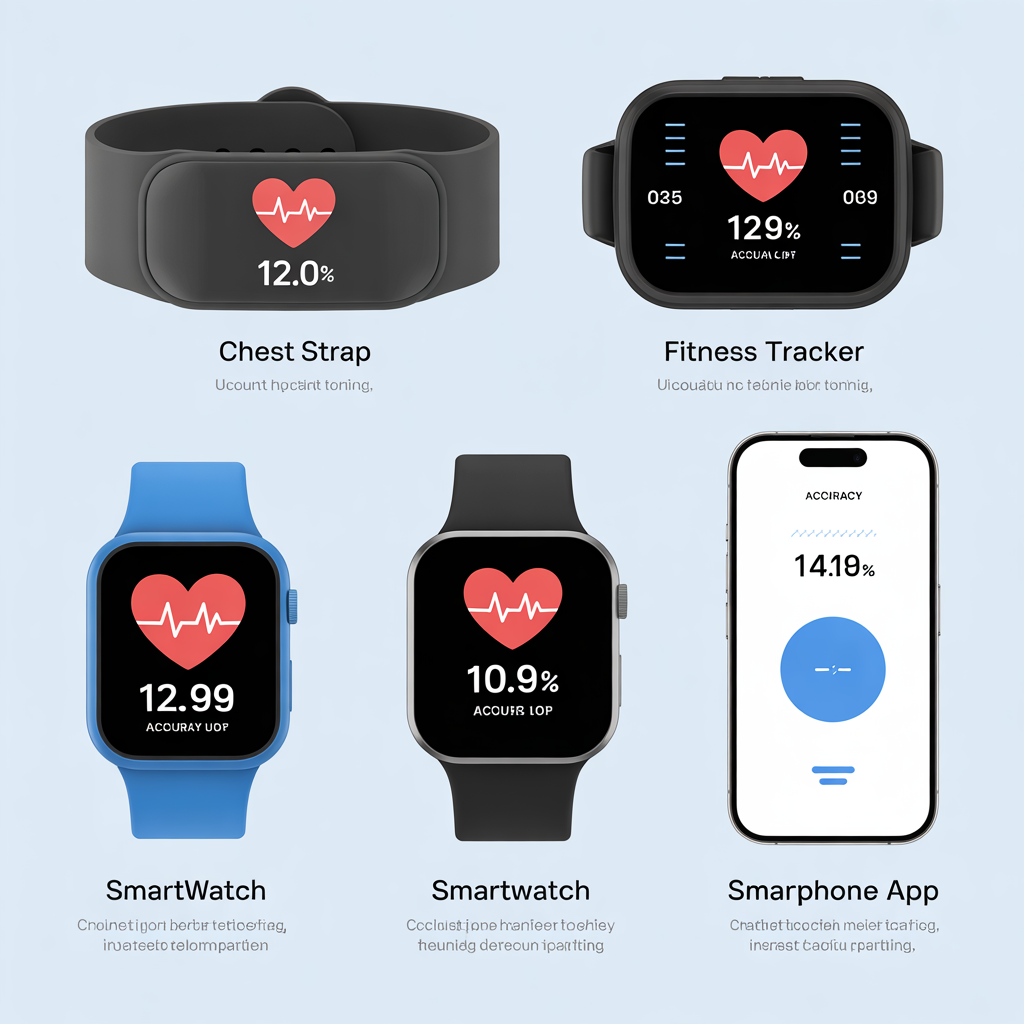
Chest Strap Monitors: Generally considered the most accurate for exercise monitoring, chest straps detect electrical activity from your heart. They provide real-time data with minimal lag and work well during all types of exercise.
Wrist-Based Optical Sensors: Found in fitness trackers and smartwatches, these devices use light to detect blood flow changes. While convenient, they may be less accurate during high-intensity exercise or activities involving arm movement.
Smartphone Apps: Some apps can estimate heart rate using your phone’s camera, though accuracy varies significantly. These are best for occasional checks rather than continuous monitoring during exercise.
Accuracy Considerations
Chest strap monitors typically offer the highest accuracy, with errors of 1-3 beats per minute under ideal conditions. Wrist-based devices have improved significantly but may still show larger variations, especially during intense exercise.
Factors affecting accuracy include skin tone, ambient light, movement, and proper device positioning. Regular calibration and understanding your device’s limitations ensure more reliable data.
Safety Guidelines and Precautions
While heart rate training offers numerous benefits, safety must always be the top priority. Understanding when to consult medical professionals and recognizing warning signs protects your health during exercise.
When to Consult a Healthcare Provider
Adults over 35 should consult a physician before beginning intense exercise programs or attempting maximum heart rate testing. Individuals with known heart conditions, diabetes, high blood pressure, or other chronic diseases require medical clearance regardless of age.
Certain medications can affect heart rate responses to exercise. If you take any medications, discuss with your healthcare provider how they might influence your heart rate during physical activity.
Warning Signs During Exercise
Stop exercising immediately if you experience chest pain, severe shortness of breath, dizziness, nausea, or unusual fatigue. These symptoms may indicate your heart is working beyond safe limits or that other health issues require attention.
Irregular heart rhythms, palpitations, or heart rates that seem unusually high or low for your perceived effort level also warrant stopping exercise and seeking medical evaluation.
Safe Training Practices
Follow the principle of progressive overload, gradually increasing exercise intensity and duration over time. Sudden increases in training load can lead to injury or cardiovascular stress.
Include adequate recovery time between intense training sessions. Your heart, like any muscle, needs time to recover and adapt to training stress. Overtraining can actually decrease performance and increase injury risk.
Common Questions and Troubleshooting
Frequently Asked Questions
“Is my max heart rate normal?” Maximum heart rate varies significantly between individuals. If your tested or estimated max HR differs from friends or online calculators, this is typically normal variation rather than cause for concern.
“Why can’t I reach my calculated max HR?” Several factors can prevent reaching calculated maximum heart rate, including insufficient motivation during testing, medications that limit heart rate response, or individual genetic variations.
“Should I train at max heart rate?” Training at true maximum heart rate should be rare and brief. Most training benefits come from working in submaximal zones, with only occasional ventures into Zone 5 for specific adaptations.
“How does max HR change with fitness?” Maximum heart rate typically doesn’t increase with fitness training. However, your ability to sustain high percentages of maximum heart rate improves, and your resting heart rate usually decreases.
Troubleshooting Common Issues
If your heart rate monitor shows inconsistent readings, check battery levels, ensure proper positioning, and clean sensors regularly. Electromagnetic interference from other devices can also affect readings.
Unusual heart rate responses might indicate overtraining, dehydration, illness, or other health issues. If your heart rate seems consistently higher or lower than expected, consult a healthcare professional.
Special Considerations
Age-Specific Guidelines
Children and Adolescents: Young people typically have higher maximum heart rates than adults, often exceeding 200 beats per minute. However, formal maximum heart rate testing is rarely necessary for youth, who can safely exercise based on perceived exertion.
Older Adults (65+): While maximum heart rate decreases with age, older adults can still benefit significantly from heart rate-based training. Conservative approaches emphasizing Zones 1-3 provide excellent health benefits with minimal risk.
Gender Differences
Research suggests women may have slightly higher maximum heart rates than men of the same age, though individual variations are more significant than gender differences. Hormonal fluctuations during menstrual cycles can also affect heart rate responses to exercise.
During pregnancy, heart rate responses to exercise change significantly. Pregnant women should work closely with healthcare providers to establish safe exercise guidelines rather than relying on pre-pregnancy heart rate zones.
Medical Conditions
Individuals with heart disease may have altered maximum heart rate responses and should only exercise under medical supervision. Certain heart conditions and medications can significantly affect heart rate during exercise.
People with diabetes should monitor blood sugar levels alongside heart rate, as exercise affects glucose metabolism. Those with high blood pressure may need medication adjustments as fitness improves.
Conclusion
Understanding your maximum heart rate provides a scientific foundation for safe, effective exercise training. Whether you use simple formulas or undergo professional testing, this knowledge empowers you to optimize your workouts while maintaining safety.
Remember that maximum heart rate is just one tool in your fitness toolkit. Combine heart rate data with perceived exertion, training goals, and professional guidance for the most comprehensive approach to exercise programming.
Start by calculating your estimated maximum heart rate using the formulas provided, then experiment with different training zones to find what works best for your fitness goals. As you progress, consider professional testing for greater accuracy and personalized training guidance.
Most importantly, listen to your body and consult healthcare professionals when in doubt. Your maximum heart rate should serve as a guide for achieving your fitness goals safely and effectively, not as a rigid boundary that creates anxiety or limits your enjoyment of physical activity.
With consistent application of heart rate training principles, you’ll develop a deeper understanding of your body’s responses to exercise and create more effective, enjoyable workout routines that support your long-term health and fitness goals.