

Magnesium glycinate has emerged as one of the most popular and effective forms of magnesium supplementation available today. As an essential mineral involved in over 300 biochemical reactions in the body, magnesium plays a crucial role in everything from muscle function and nerve transmission to energy production and DNA synthesis. However, despite its importance, an estimated 50-75% of Americans don’t get enough magnesium from their diet. Magnesium glycinate stands out among supplement options due to its exceptional bioavailability and minimal digestive side effects. This comprehensive guide explores everything you need to know about this remarkable form of magnesium – from its unique chemical structure and superior absorption to its evidence-based benefits for sleep, anxiety, muscle recovery, and beyond. Whether you’re new to supplements or looking to optimize your magnesium intake, this article will help you understand why magnesium glycinate might be the ideal choice for addressing your health needs.
Introduction to Magnesium Glycinate
What is Magnesium Glycinate?
Magnesium glycinate (also called magnesium bisglycinate) is a chelated form of magnesium that combines the mineral magnesium with the amino acid glycine. This specialized formulation was developed to improve absorption and reduce the gastrointestinal distress commonly associated with other magnesium supplements. Glycine itself has calming properties on the brain, making this combination particularly beneficial for those seeking relaxation and improved sleep quality.
Chemical Composition and Structure
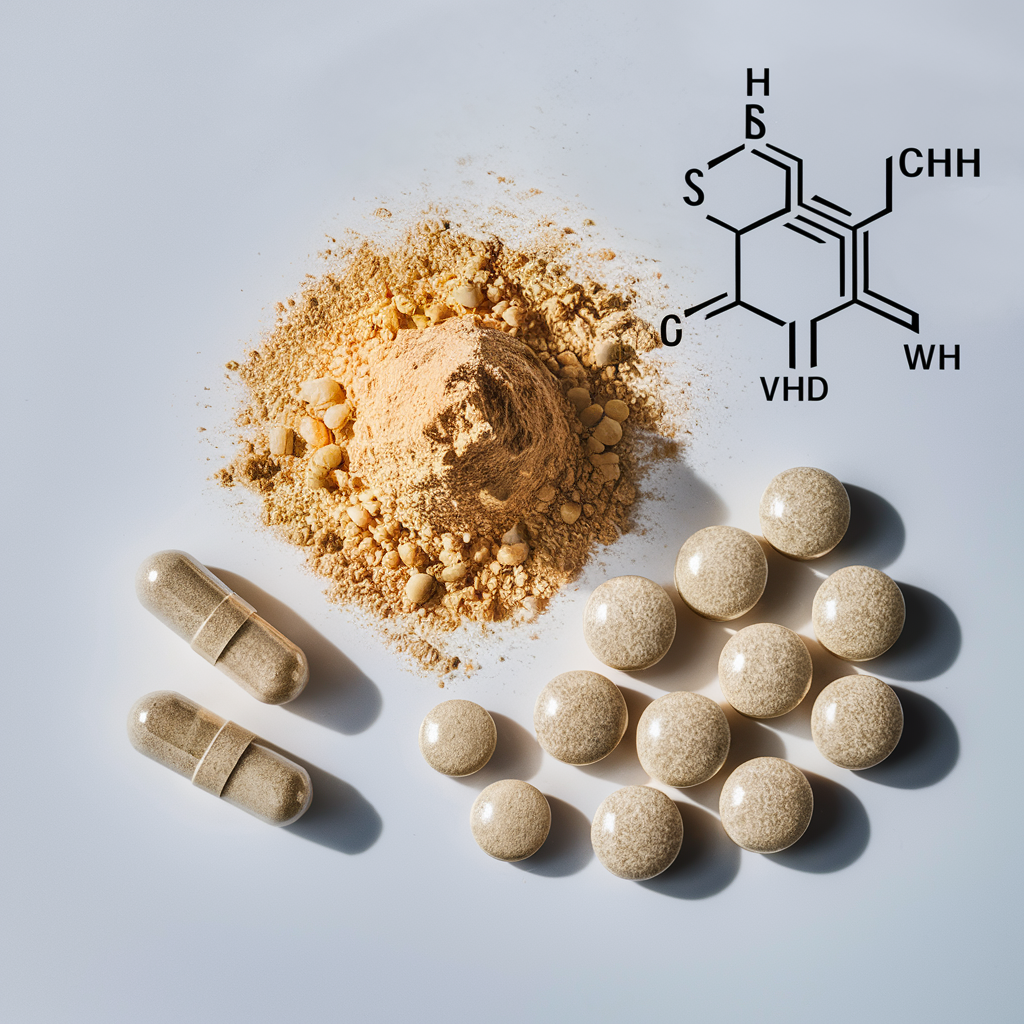
In magnesium glycinate, the magnesium ion is bound to two glycine molecules, forming a stable chelate compound. This chemical structure protects the magnesium from binding with other substances in the digestive tract that might inhibit its absorption. The molecular formula is Mg(C₂H₄NO₂)₂, indicating the combination of one magnesium atom with two glycine molecules.
How It Differs from Other Magnesium Supplements
Unlike magnesium oxide or citrate, which are known for their laxative effects, magnesium glycinate is gentle on the digestive system. The glycine component facilitates absorption in the intestinal wall through different pathways than other magnesium forms, leading to higher bioavailability. Additionally, while forms like magnesium oxide are inexpensive but poorly absorbed (offering around 4% bioavailability), magnesium glycinate can provide bioavailability rates of up to 80%.
Brief History and Development
The development of chelated minerals began in the mid-20th century, with magnesium glycinate emerging as researchers sought to overcome the poor absorption and side effects of conventional magnesium supplements. Dr. Albion Laboratories pioneered much of the research in mineral chelation technology, establishing patented processes for creating stable mineral amino acid chelates, including magnesium glycinate, in the 1970s. Since then, it has gained popularity as research confirmed its enhanced absorption profile and therapeutic benefits.
Understanding Magnesium as an Essential Mineral
Magnesium’s Role in the Human Body
Magnesium is the fourth most abundant mineral in the human body and is involved in over 300 enzymatic reactions. It plays crucial roles in:
- Energy production (ATP synthesis and utilization)
- Protein synthesis and DNA/RNA formation
- Muscle contraction and relaxation
- Nerve function and neurotransmitter regulation
- Blood glucose control and insulin metabolism
- Blood pressure regulation
- Bone formation and maintenance
- Heart rhythm stability
Common Magnesium Deficiency Symptoms
Magnesium deficiency (hypomagnesemia) can manifest in numerous ways, often subtle at first before progressing to more serious symptoms:
- Muscle cramps, twitches, and tremors
- Fatigue and weakness
- Mental health changes (anxiety, irritability, depression)
- Insomnia and poor sleep quality
- Headaches and migraines
- Irregular heartbeat
- High blood pressure
- Low bone density
- Loss of appetite and nausea
Prevalence of Magnesium Deficiency
Studies suggest that approximately 50-75% of Americans do not meet the recommended daily intake of magnesium. This widespread deficiency is attributed to several factors: soil depletion reducing magnesium content in crops, food processing that removes magnesium, increased consumption of refined foods, certain medications that deplete magnesium, and chronic stress that accelerates magnesium excretion. Clinical magnesium deficiency may affect up to 20% of the population, with higher rates among hospitalized patients and the elderly.
Conditions Associated with Low Magnesium Levels
Research has established links between magnesium deficiency and numerous health conditions, including:
- Cardiovascular disease and hypertension
- Type 2 diabetes and metabolic syndrome
- Osteoporosis
- Migraine headaches
- Anxiety disorders and depression
- Fibromyalgia and chronic fatigue syndrome
- Asthma
- Attention deficit hyperactivity disorder (ADHD)
- Pre-eclampsia during pregnancy
Bioavailability of Magnesium Glycinate
Definition of Bioavailability in Supplements
Bioavailability refers to the proportion of a nutrient or substance that is absorbed and utilized by the body after ingestion. For supplements, this measures how effectively the active ingredient enters circulation and reaches its target tissues. High bioavailability means more of the nutrient becomes available for biological processes, resulting in greater therapeutic potential per dose.
Why Magnesium Glycinate is Highly Bioavailable
Magnesium glycinate achieves superior bioavailability through several mechanisms:
- The glycine amino acid chelate protects magnesium from binding with substances in the digestive tract (like phytates or oxalates) that would normally reduce absorption
- Glycine facilitates transport across intestinal cell membranes through specific amino acid transporters
- The chelated form remains stable in the acidic environment of the stomach
- The bond between magnesium and glycine allows the mineral to be released slowly in the small intestine where absorption is optimal
- Glycine itself enhances overall mineral absorption pathways
Comparison with Other Magnesium Forms
Different magnesium forms vary significantly in bioavailability and effects:
- Magnesium Oxide: 4-5% bioavailability, commonly used in inexpensive supplements, strong laxative effect, poor therapeutic value
- Magnesium Citrate: 15-16% bioavailability, moderate laxative effect, often used for constipation relief
- Magnesium Glycinate: Up to 80% bioavailability, minimal laxative effect, excellent for therapeutic supplementation
- Magnesium Chloride: 12% bioavailability, moderate absorption, often used in topical applications
- Magnesium L-Threonate: Good bioavailability with superior brain penetration, specifically developed for cognitive benefits
- Magnesium Malate: Good bioavailability, often recommended for muscle fatigue conditions
Absorption Mechanisms in the Digestive System
Magnesium absorption occurs primarily in the small intestine through two main pathways:
- Passive paracellular absorption: Magnesium ions move between intestinal cells, driven by electrochemical gradients and concentration differences. This pathway becomes saturated at higher doses.
- Active transcellular transport: Magnesium is actively transported through intestinal cells via specific carrier proteins, particularly TRPM6 and TRPM7 channels.
Magnesium glycinate utilizes both pathways but also benefits from additional amino acid transporters that recognize the glycine component. This multi-pathway absorption mechanism contributes to its superior bioavailability. Approximately 30-50% of ingested magnesium glycinate is typically absorbed, compared to just 4% of magnesium oxide.
Key Health Benefits of Magnesium Glycinate
Sleep Improvement
How it Affects Sleep Quality
Magnesium glycinate has emerged as a valuable natural sleep aid due to its dual mechanisms of action. First, magnesium helps regulate neurotransmitters directly involved in sleep, particularly by binding to GABA receptors (the same receptors targeted by sleep medications like Ambien). This binding has a calming effect on the nervous system. Second, magnesium helps regulate melatonin production and transport, the hormone responsible for sleep-wake cycles. Additionally, the glycine component has independent sleep-enhancing properties, shown to reduce core body temperature, which signals the body to prepare for sleep.
Impact on Insomnia
Clinical research demonstrates that magnesium supplementation can significantly improve insomnia symptoms. A double-blind placebo-controlled study published in the Journal of Research in Medical Sciences found that elderly participants receiving magnesium supplements experienced:
- Increased sleep time
- Greater sleep efficiency (percentage of time in bed actually sleeping)
- Reduced early morning awakening
- Higher melatonin concentrations
- Decreased cortisol levels (stress hormone that can interfere with sleep)
These benefits were particularly pronounced in those with existing sleep difficulties. The glycine component in magnesium glycinate provides additional benefits, with research showing it can improve subjective sleep quality and reduce daytime sleepiness even in people who have experienced sleep restriction.
Optimal Timing for Sleep Benefits
For maximum sleep improvement, magnesium glycinate is best taken 1-2 hours before bedtime. This timing allows for optimal absorption and utilization during the sleep cycle. Some studies suggest splitting the dosage, with a portion taken with dinner and the remainder closer to bedtime. The typical effective dosage range for sleep benefits is 300-400mg of elemental magnesium (equivalent to approximately 1500-2000mg of magnesium glycinate compound).
Research and Studies
The sleep-enhancing effects of magnesium glycinate are supported by multiple studies:
- A 2012 study in the Journal of Research in Medical Sciences found magnesium supplementation improved sleep efficiency, sleep time, and reduced early morning awakening in elderly subjects with insomnia
- Research published in Pharmacological Reports demonstrated glycine’s ability to improve sleep quality through modulation of body temperature
- A 2018 systematic review in Nutrients confirmed magnesium’s role in maintaining normal sleep architecture, particularly through GABA pathway regulation
- A study in Neuropsychiatric Disease and Treatment showed magnesium supplementation improved sleep onset, quality, and duration in patients with long-term sleep disorders
Anxiety and Stress Reduction
Neurological Mechanisms
Magnesium glycinate helps alleviate anxiety and stress through several neurological pathways:
- Regulation of the hypothalamic-pituitary-adrenal (HPA) axis, which controls stress hormone production
- Modulation of NMDA receptors, preventing excessive neuronal excitation associated with anxiety
- Enhancement of GABA activity, the primary inhibitory neurotransmitter that produces calming effects
- Reduction of inflammatory markers in the brain that contribute to anxiety states
- Stabilization of neuronal membranes, preventing excessive firing
Additionally, glycine itself functions as an inhibitory neurotransmitter in the brain stem and spinal cord, further contributing to the anxiety-reducing effects of this supplement form.
Clinical Evidence for Anxiety Management
Several clinical trials support magnesium’s efficacy for anxiety reduction:
- A randomized controlled trial published in PLoS One found that magnesium supplementation significantly reduced mild-to-moderate anxiety in adults
- Research in the Journal of the American Board of Family Medicine demonstrated magnesium’s effectiveness for addressing anxiety symptoms with minimal side effects
- A study in Nutrients showed magnesium supplementation reduced subjective anxiety in highly stressed individuals within just two weeks
- A 2017 systematic review concluded that existing evidence supports magnesium’s potential as an anxiety intervention, particularly in vulnerable populations
Stress Response Modulation
Magnesium glycinate helps regulate the body’s stress response in several ways:
- Reducing cortisol secretion during stress exposure
- Preventing stress-induced calcium influx into neurons, which can cause excitotoxicity
- Supporting adrenal gland function, which can become depleted during chronic stress
- Increasing stress resilience by enhancing GABA activity
- Reducing the physical manifestations of stress (muscle tension, racing heart)
Importantly, stress itself depletes magnesium stores, creating a vicious cycle where stress causes magnesium deficiency, which in turn increases stress sensitivity. Supplementation with highly bioavailable magnesium glycinate can help break this cycle.
Comparison with Anti-Anxiety Medications
While not a replacement for prescribed medications in severe anxiety disorders, magnesium glycinate offers several advantages over conventional anti-anxiety drugs:
- No risk of dependence or addiction
- No cognitive impairment or sedation at therapeutic doses
- No withdrawal symptoms when discontinuing
- Multiple health benefits beyond anxiety reduction
- Suitable for long-term use without tolerance development
- Can be used alongside conventional treatments (with healthcare provider approval)
Some clinicians use magnesium glycinate as an adjunct therapy, allowing for reduced dosages of conventional medications, or during medication tapering protocols.
Muscle Function and Recovery
Prevention of Muscle Cramps
Magnesium plays a critical role in normal muscle function by regulating muscle contraction and relaxation. It acts as a natural calcium blocker, preventing excessive calcium from entering muscle cells and causing hypercontraction. Magnesium deficiency is strongly associated with increased muscle cramping, particularly nocturnal leg cramps.
Clinical evidence supporting magnesium for cramp prevention includes:
- A randomized controlled trial showing significant reduction in pregnancy-associated leg cramps with magnesium supplementation
- Studies demonstrating effectiveness for exercise-induced cramping in athletes
- Research showing reduced frequency and intensity of nocturnal leg cramps in elderly patients with magnesium therapy
Magnesium glycinate’s high bioavailability makes it particularly effective for addressing chronic muscle cramping compared to less absorbable forms.
Role in Muscle Relaxation
Beyond cramp prevention, magnesium facilitates proper muscle relaxation through:
- Regulation of calcium-dependent muscle contractions
- Support of energy production needed for muscle relaxation (ATP synthesis)
- Modulation of neuromuscular junction activity
- Reduction of excessive acetylcholine release, which can cause muscle hyperactivity
This makes magnesium glycinate valuable for conditions involving muscle tension, including fibromyalgia, myofascial pain syndrome, and tension headaches. The glycine component provides additional muscle-relaxing benefits through its action as an inhibitory neurotransmitter.
Benefits for Athletes and Active Individuals
For those engaged in regular physical activity, magnesium glycinate offers several performance and recovery advantages:
- Enhanced energy production during exercise through improved ATP synthesis
- Reduced oxygen requirements during physical activity
- Better lactic acid clearance, potentially delaying fatigue
- Improved muscle oxygenation through vasodilation effects
- Enhanced protein synthesis for muscle repair
- Protection against exercise-induced oxidative stress
Athletes often have increased magnesium requirements due to losses through sweat and increased utilization during intense activity, making supplementation particularly beneficial for this population.
Post-Exercise Recovery Effects
Magnesium glycinate supports recovery after exercise through multiple mechanisms:
- Reduction of exercise-induced inflammation
- Enhanced glycogen replenishment in muscles
- Support for protein synthesis during the recovery window
- Reduction in delayed-onset muscle soreness (DOMS)
- Improved sleep quality, when most muscle repair occurs
Research in the Journal of Sports Sciences demonstrated that magnesium supplementation reduced inflammatory markers and muscle damage indicators following intense exercise, while a study in Nutrients showed improved recovery times in athletes with adequate magnesium status.
Additional Health Benefits
Cardiovascular Health
Magnesium supports heart health through multiple pathways:
- Regulation of heart rhythm and prevention of arrhythmias
- Dilation of blood vessels, reducing blood pressure
- Prevention of calcium deposition in arteries
- Reduction of inflammation in blood vessel walls
- Improved lipid profiles (increased HDL, reduced LDL and triglycerides)
A meta-analysis of 22 studies published in Hypertension found that magnesium supplementation produced “a small but clinically significant reduction” in blood pressure. The highly bioavailable nature of magnesium glycinate makes it particularly effective for cardiovascular support.
Bone Density Support
While calcium receives most attention for bone health, magnesium is equally crucial, playing several vital roles:
- Conversion of vitamin D to its active form, necessary for calcium absorption
- Regulation of parathyroid hormone, which governs bone breakdown
- Activation of alkaline phosphatase, required for bone formation
- Formation of the hydroxyapatite crystal structure in bone
- Balancing the bone mineralization process
Population studies consistently show that higher magnesium intake is associated with greater bone mineral density, particularly in older women. Magnesium glycinate provides a highly absorbable form that can effectively support bone metabolism.
Migraine Prevention
Magnesium deficiency appears in up to 50% of migraine sufferers, and supplementation has demonstrated preventive effects through:
- Reduction of cerebral vasospasm
- Prevention of cortical spreading depression (the neurological event behind migraine auras)
- Blocking of pain-transmitting chemicals in the brain
- Regulation of neurotransmitters involved in migraine pathophysiology
The American Headache Society and the American Academy of Neurology have given magnesium a “Level A” rating (their highest) for migraine prevention. For migraine sufferers, magnesium glycinate offers the advantage of high bioavailability without the digestive side effects that could exacerbate nausea during migraine episodes.
Blood Sugar Regulation
Magnesium plays an essential role in glucose metabolism through:
- Enhancing insulin receptor sensitivity
- Facilitating glucose transport into cells
- Supporting enzymes involved in glucose utilization
- Protecting pancreatic beta cells from oxidative stress
Multiple studies show that magnesium supplementation improves insulin sensitivity and glycemic control in both diabetic and pre-diabetic individuals. A meta-analysis in Diabetes Care demonstrated that higher magnesium intake reduces the risk of developing type 2 diabetes by 14-23%. The gentle absorption profile of magnesium glycinate makes it suitable for consistent, long-term use for metabolic health.
Mood Stabilization
Beyond anxiety reduction, magnesium glycinate supports broader mood regulation:
- Modulation of NMDA receptors involved in mood disorders
- Support for serotonin production and function
- Reduction of neuroinflammation associated with depression
- Stabilization of the HPA axis for stress hormone balance
- Enhanced neuroplasticity and brain adaptability
Clinical research has shown magnesium supplementation can reduce symptoms of depression, sometimes as effectively as antidepressant medications for mild-to-moderate cases. The glycine component provides additional mood-supporting benefits through its role as a co-factor for neurotransmitter production.
Optimal Dosage Guidelines
Recommended Daily Allowance (RDA) for Magnesium
The Recommended Dietary Allowance (RDA) for magnesium varies by age and gender:
- Adult men: 400-420mg per day
- Adult women: 310-320mg per day (350-360mg during pregnancy)
- Adults over 30: requirements increase slightly
- Teenagers: 360-410mg for boys, 300-360mg for girls
- Children: varying from 80mg (1-3 years) to 240mg (9-13 years)
However, these values represent the minimum needed to prevent deficiency, not necessarily optimal intake. Many integrative health practitioners suggest that optimal intake may be 500-700mg daily for adults, particularly given modern dietary patterns and stress levels that increase magnesium requirements.
Specific Dosage Recommendations for Magnesium Glycinate
When supplementing with magnesium glycinate specifically, it’s important to distinguish between the compound weight and elemental magnesium content. Typically, magnesium glycinate contains about 14-20% elemental magnesium by weight. Common dosage recommendations include:
- For general maintenance: 200-400mg elemental magnesium (approximately 1,000-2,000mg of magnesium glycinate compound)
- For correcting deficiency: 400-600mg elemental magnesium (approximately 2,000-3,000mg of magnesium glycinate compound)
- For specific therapeutic purposes (sleep, anxiety): 300-450mg elemental magnesium (approximately 1,500-2,250mg of magnesium glycinate compound)
Always check product labels to determine the elemental magnesium content versus the total compound weight to ensure accurate dosing.
Dosage Adjustments Based on Individual Factors
Age and Gender
Dosage needs vary across the lifespan:
- Elderly individuals often require higher doses due to decreased absorption efficiency and increased excretion
- Postmenopausal women may benefit from higher intake (400-500mg elemental) for bone protection
- Men generally require slightly higher doses than women of the same age
- Adolescents in growth phases may need adult-level dosing despite their age
Health Conditions
Several health conditions warrant dosage adjustments:
- Kidney disease: Usually requires REDUCED dosage and medical supervision
- Diabetes: Often benefits from INCREASED dosage (400-500mg elemental)
- Cardiovascular conditions: May require higher therapeutic dosages (400-600mg elemental)
- Fibromyalgia and chronic fatigue: Typically responds to higher ranges (400-600mg elemental)
- Malabsorption conditions: May require increased dosages or split dosing protocols
Specific Symptoms Being Addressed
Dosage can be tailored to the primary health concern:
- Sleep improvement: 300-400mg elemental (taken 1-2 hours before bedtime)
- Anxiety reduction: 300-450mg elemental (often divided throughout the day)
- Muscle recovery: 350-500mg elemental (with higher amounts after intense exercise)
- Migraine prevention: 400-600mg elemental (consistent daily dosing)
- Constipation: Note that magnesium glycinate has minimal laxative effect compared to other forms
Body Weight
While not always linearly correlated, body weight can influence dosage needs:
- Individuals over 200 pounds may need doses at the higher end of recommended ranges
- Those under 120 pounds might start at the lower end of ranges
- A rough calculation some practitioners use: 4-6mg of elemental magnesium per kilogram of body weight
Divided Dosing vs. Single Daily Dose
Research suggests that divided dosing improves overall absorption and utilization:
- Single doses above 300mg elemental magnesium may exceed the absorption capacity of intestinal transporters
- Divided doses (2-3 times daily) typically result in higher total absorption
- Morning and evening splits work well for most people (breakfast and dinner)
- For sleep benefits, a larger portion of the daily dose can be taken in the evening
- Taking with meals generally improves tolerance and absorption
Timing Considerations for Maximum Benefit
Strategic timing can enhance specific benefits:
- For sleep: 200-300mg elemental magnesium 1-2 hours before bedtime
- For anxiety: Divided doses morning and afternoon
- For muscle recovery: Within 30 minutes post-exercise
- For general supplementation: With meals to enhance absorption and minimize potential digestive effects
- For migraine prevention: Consistent timing daily rather than as-needed dosing
Avoid taking magnesium glycinate simultaneously with certain medications, particularly antibiotics, bisphosphonates, and some thyroid medications, as it may interfere with their absorption. Generally, a 2-hour separation is recommended.
Absorption Optimization
Factors Affecting Magnesium Absorption
Several factors can enhance or inhibit magnesium absorption:
- Enhancing factors:
- Vitamin D adequacy (increases magnesium transport proteins)
- Balanced protein intake
- Healthy digestive function
- Adequate stomach acid
- Presence of certain B vitamins
- Inhibiting factors:
- High doses of zinc or calcium supplements taken simultaneously
- Excess phosphorus consumption (sodas, processed foods)
- High consumption of phytates (unsoaked grains, beans)
- Certain medications (PPIs, diuretics)
- Excessive alcohol consumption
- Chronic stress
Food Interactions
Certain foods can impact magnesium absorption:
- Beneficial interactions:
- Medium-chain triglycerides (coconut oil) may enhance absorption
- Protein-containing meals generally improve mineral uptake
- Prebiotic foods support gut bacteria that enhance mineral absorption
- Fermented foods may improve overall nutrient bioavailability
- Detrimental interactions:
- High-oxalate foods (spinach, rhubarb) can bind to magnesium
- Unsoaked nuts and seeds contain phytates that reduce absorption
- Very high-fiber meals may temporarily reduce mineral uptake
- Excessive coffee or black tea consumption can increase magnesium excretion
- High-sugar foods increase urinary magnesium losses
Supplements That Enhance or Inhibit Absorption
Certain supplements can affect magnesium utilization:
- Supportive supplements:
- Vitamin D3 (enhances magnesium transport)
- Vitamin B6 (supports magnesium utilization in cells)
- Probiotics (improve mineral absorption in the gut)
- Digestive enzymes (if digestive function is compromised)
- Potentially interfering supplements:
- Calcium supplements (when taken simultaneously in large amounts)
- Iron supplements (should be separated by 2 hours)
- Zinc in high doses (competitive absorption)
- Some fiber supplements (psyllium, methylcellulose)
How to Maximize Bioavailability
Strategies to optimize magnesium glycinate absorption include:
- Take with meals containing some healthy fat and protein
- Divide daily dosage (typically 2-3 smaller doses rather than one large dose)
- Ensure adequate vitamin D status (supplementing if necessary)
- Address any digestive issues that may impair absorption
- Consider taking with a small amount of apple cider vinegar or lemon juice to enhance absorption if stomach acid is low
- Maintain adequate hydration throughout the day
- Take supplemental calcium at a different time than magnesium
- Choose a high-quality supplement with demonstrated dissolution testing
Signs of Effective Absorption
You can gauge whether your body is effectively utilizing magnesium glycinate by monitoring these improvements:
- Reduced muscle cramps and twitches
- Improved sleep quality and ease of falling asleep
- Decreased stress response and anxiety
- Better energy levels and reduced fatigue
- Improved regularity of bowel movements (without diarrhea)
- Reduction in headache frequency or intensity
- Stabilized blood pressure (if previously elevated)
- Improved exercise recovery
It typically takes 6-8 weeks of consistent supplementation to replenish cellular magnesium levels and experience full benefits, although some effects may be noticeable within days.
Potential Side Effects and Safety Considerations
Common Side Effects
Magnesium glycinate is generally well-tolerated, with fewer side effects than many other magnesium forms. However, some individuals may experience:
- Mild digestive discomfort (typically temporary and dose-related)
- Slight drowsiness (beneficial if taken for sleep, but consider timing if this is unwanted)
- Headaches (rare, usually when starting high doses)
- Changes in bowel movements (typically less pronounced than with other forms)
- Lowered blood pressure (potentially beneficial, but monitor if already on blood pressure medication)
Most of these side effects can be mitigated by starting with lower doses and gradually increasing, or by dividing the daily dose into smaller amounts taken with meals.
Rare Adverse Reactions
Though uncommon, more serious reactions can occur, particularly with excessive dosing:
- Cardiac irregularities (primarily in those with kidney disease)
- Hypermagnesemia (magnesium toxicity – almost exclusively in those with impaired kidney function)
- Severe hypotension (significant drop in blood pressure)
- Respiratory depression (in extreme overdose scenarios)
- Allergic reactions to supplement ingredients (rare, typically related to excipients rather than magnesium itself)
Maximum Tolerable Upper Intake
The established Tolerable Upper Intake Level (UL) for supplemental magnesium is:
- Adults: 350-400mg of elemental magnesium daily from supplements (beyond food sources)
- Adolescents: 350mg
- Children 9-13 years: 110mg
- Children 4-8 years: 65mg
However, these limits primarily apply to forms with strong laxative effects. Magnesium glycinate is often tolerated at higher doses due to its superior absorption and minimal digestive effects. Many practitioners safely recommend up to 600-800mg of elemental magnesium from glycinate form, particularly for therapeutic purposes and when introduced gradually.
Drug Interactions
Magnesium glycinate may interact with certain medications:
- Antibiotics: Tetracyclines, fluoroquinolones may form complexes with magnesium, reducing their efficacy
- Bisphosphonates: Medications for osteoporosis can be less effective when taken with magnesium
- Diuretics: Some increase magnesium excretion (loop diuretics), while others reduce it (potassium-sparing diuretics)
- Proton pump inhibitors: Long-term use can reduce magnesium absorption
- Anti-diabetic medications: Magnesium may enhance their blood-sugar lowering effects
- Blood pressure medications: Potential additive effects requiring monitoring
- Muscle relaxants: Possible enhanced effects
As a general rule, separate magnesium glycinate supplementation from medications by at least 2 hours, and consult with healthcare providers about potential interactions.
Contraindications and Precautions
Magnesium glycinate is contraindicated or requires careful monitoring in the following conditions:
- Kidney failure or severe kidney disease: Impaired ability to excrete magnesium can lead to dangerous accumulation
- Myasthenia gravis: High doses may worsen muscle weakness in some cases
- Heart block: High magnesium levels can affect cardiac conduction
- Severely low blood pressure: Monitor closely as magnesium has vasodilatory effects
- Pre-surgery: Often discontinued 1-2 weeks before scheduled surgery due to effects on muscle relaxation and blood pressure
- Bowel obstruction: Any supplement should be used cautiously
Pregnant and breastfeeding women generally benefit from appropriate magnesium supplementation, but should consult healthcare providers for personalized dosing.
Choosing the Right Magnesium Glycinate Supplement
Quality Indicators to Look For
When selecting a magnesium glycinate supplement, evaluate these quality markers:
- True glycinate form: Some products labeled “magnesium glycinate” are actually blends with cheaper forms like oxide
- Elemental magnesium content: Clearly stated amount of actual magnesium (not just compound weight)
- Chelated or bisglycinate form: Terms indicating proper bonding between magnesium and glycine
- Free from fillers and allergens: Minimal excipients, particularly important for sensitive individuals
- Dissolution testing: Evidence that the supplement properly dissolves for absorption
- Manufacturing standards: GMP (Good Manufacturing Practice) certification
- Sourcing information: Transparency about where and how ingredients are obtained
Third-Party Testing Importance
Independent verification provides crucial quality assurance:
- Confirms actual magnesium content matches label claims
- Verifies absence of contaminants (heavy metals, pesticides, microbes)
- Ensures product is free from undeclared ingredients
- Validates that the supplement disintegrates appropriately
- Provides assurance of stability throughout shelf life
Look for certifications from organizations like USP, NSF International, ConsumerLab, or Labdoor, which indicate the product has undergone rigorous testing by independent laboratories.
Forms Available
Magnesium glycinate comes in several forms, each with distinct advantages:
- Capsules: Most common, convenient, taste-neutral, precise dosing
- Tablets: Cost-effective but may contain more binders and fillers, occasionally less digestible
- Powder: Allows for flexible dosing, often more economical, good for those who have difficulty swallowing capsules, but may have taste considerations
- Liquid: Rapid absorption, good for those with digestive issues, convenient, but typically more expensive and may have taste/preservation concerns
- Effervescent tablets: Pleasant delivery method, good absorption, but often contain sweeteners or flavorings
The best form depends on personal preference, convenience needs, and any specific absorption concerns. Those with digestive issues may benefit most from liquid or powder forms.
Cost Considerations
When evaluating the price of magnesium glycinate supplements:
- Calculate cost per serving of elemental magnesium rather than comparing sticker prices
- Consider that higher-quality, verified products justifiably cost more than unverified alternatives
- Bulk sizes typically offer better value but ensure you can use the product before expiration
- Subscription services from reputable companies often provide 10-15% savings
- Powder forms generally provide the most economical cost per dose
- Balance cost against quality markers and third-party verification
A reasonable price range for quality magnesium glycinate is $0.15-0.40 per 100mg of elemental magnesium, with specialized formulations and premium brands at the higher end.
Reading Labels Effectively
To accurately assess a magnesium glycinate supplement, focus on these label elements:
- Look for “elemental magnesium” content (the actual amount of magnesium provided)
- Check that glycinate or bisglycinate is the only form listed (not blended with oxide or citrate)
- Verify dosage instructions and how they relate to the RDA
- Review inactive ingredients for potential allergens or fillers
- Check for clear manufacturer information and contact details
- Look for specific claims about bioavailability or absorption rates
- Verify country of manufacturing and sourcing information
Be wary of products that don’t clearly state the elemental magnesium content or that use proprietary blends that obscure the actual amount of each ingredient.
Comparing Magnesium Glycinate to Other Forms
Magnesium Citrate
Bioavailability: Moderate (15-16%)
Primary benefits: Good value, reasonably absorbable, effective for constipation
Drawbacks: Pronounced laxative effect, not ideal for therapeutic uses beyond constipation
Best uses: Occasional constipation relief, budget-conscious supplementation
How it compares to glycinate: More likely to cause loose stools, less effective for anxiety/sleep, lower bioavailability, typically less expensive
Magnesium Oxide
Bioavailability: Very low (4-5%)
Primary benefits: Inexpensive, high elemental magnesium content by weight, strong laxative effect when desired
Drawbacks: Poor absorption, strong laxative effect, limited therapeutic value beyond constipation
Best uses: Occasional constipation, antacid properties, budget supplementation
How it compares to glycinate: Significantly lower absorption, more digestive side effects, minimal therapeutic value for anxiety/sleep/muscle function, much less expensive
Magnesium Threonate
Bioavailability: High, with unique blood-brain barrier penetration
Primary benefits: Enhanced brain penetration, support for cognitive function, neuroprotective effects
Drawbacks: More expensive, lower elemental magnesium content by weight, limited research compared to other forms
Best uses: Cognitive support, age-related memory issues, neurological applications
How it compares to glycinate: Better for specific brain-related benefits, similar gentle digestive profile, typically more expensive, less research for sleep/anxiety compared to glycinate
Magnesium Malate
Bioavailability: Moderately high
Primary benefits: May support energy production, potentially beneficial for muscle pain conditions
Drawbacks: Less research on specific benefits compared to other forms
Best uses: Fatigue conditions, fibromyalgia, exercise recovery
How it compares to glycinate: Similar gentle digestive profile, potentially better for energy and muscle pain specifically, fewer studies on sleep/anxiety benefits, comparable cost
Magnesium Taurate
Bioavailability: High
Primary benefits: Specific cardiovascular support, gentle on digestion
Drawbacks: Limited availability, fewer studies compared to more common forms
Best uses: Cardiovascular conditions, blood pressure support
How it compares to glycinate: Similar gentle profile, potentially superior specifically for heart health, less research for sleep/anxiety, typically more expensive
Which Form for Which Purpose
Guidelines for selecting the optimal magnesium form based on health goals:
- For sleep and anxiety: Glycinate is optimal due to the combined benefits of magnesium and glycine
- For constipation: Citrate or oxide are more effective
- For muscle recovery: Glycinate or malate are top choices
- For cognitive function: Threonate has unique brain-targeting benefits
- For cardiovascular health: Taurate or glycinate
- For general supplementation with sensitive digestion: Glycinate offers the best balance
- For migraine prevention: Glycinate or threonate
- For athletic performance: Malate or glycinate
Some practitioners recommend combining forms for comprehensive benefits, such as glycinate for general use with occasional threonate for cognitive support.
Special Populations and Considerations
Magnesium Glycinate for Pregnant Women
Pregnancy increases magnesium requirements significantly, and deficiency is common during this period. Magnesium glycinate offers several advantages for pregnant women:
- Helps prevent or treat pregnancy-related leg cramps (affects up to 30% of pregnant women)
- May reduce the risk of preeclampsia when deficiency is present
- Supports proper fetal development, particularly neurological development
- Can help manage pregnancy-related anxiety and sleep disturbances
- Gentle on the digestive system when nausea is a concern
The recommended elemental magnesium intake during pregnancy is 350-360mg daily (total from all sources). Magnesium glycinate supplementation should be discussed with prenatal healthcare providers, but is generally considered one of the safest forms during pregnancy.
Use in Elderly Populations
Older adults are particularly vulnerable to magnesium deficiency due to:
- Decreased intestinal absorption efficiency
- Increased renal magnesium excretion
- Higher likelihood of taking medications that deplete magnesium
- Often lower dietary magnesium intake
- Higher incidence of conditions that affect magnesium status
Magnesium glycinate is often ideal for this population because:
- Enhanced absorption compensates for age-related absorption decline
- Minimal digestive disturbance in a population prone to GI sensitivity
- Benefits for sleep quality, which often deteriorates with age
- Support for muscle function and prevention of age-related muscle cramps
- Potential cognitive benefits in a population at risk for cognitive decline
Dosing should start at the lower end of recommendations (100-200mg elemental) and increase gradually while monitoring for benefits and tolerance.
Athletes and Fitness Enthusiasts
Those engaged in regular physical activity have increased magnesium requirements due to:
- Losses through sweat (potentially 10-20% of daily needs in heavy training)
- Increased utilization for energy production and muscle function
- Greater need for recovery processes
- Elevated metabolism of many nutrients
Magnesium glycinate offers specific advantages for this population:
- Support for muscle recovery and reduced delayed-onset muscle soreness
- Potential improvements in energy production and exercise efficiency
- Enhanced sleep quality for optimal recovery
- Reduction in muscle cramps during and after exertion
- Support for proper hydration status (magnesium is an electrolyte)
Athletes may benefit from slightly higher dosages (400-500mg elemental) and strategic timing around training sessions for optimal results.
People with Specific Health Conditions
Magnesium glycinate may offer particular benefits for certain conditions:
- Fibromyalgia: May reduce pain sensitivity and muscle discomfort
- Migraine: Preventative effects when taken consistently
- Anxiety disorders: Particularly beneficial due to combined effects of magnesium and glycine
- Depression: Growing evidence for magnesium’s mood-stabilizing effects
- Type 2 diabetes: Supports insulin sensitivity and glucose metabolism
- Hypertension: Moderate blood pressure-lowering effects
- PMS: Particularly effective for mood and cramp symptoms
- ADHD: Emerging research suggests potential benefits for attention
Dosing and timing should be tailored to the specific condition and coordinated with treatment plans from healthcare providers.
Children and Adolescents
Young people may benefit from magnesium glycinate when indicated, though considerations differ:
- Requires appropriate dosage adjustment based on age and weight
- May be particularly helpful for growing children experiencing “growing pains”
- Supportive for adolescents with academic stress and sleep difficulties
- Useful for youth athletes with increased needs
- Emerging research on benefits for attention and focus challenges
General dosing guidelines (elemental magnesium):
- Ages 1-3: 65-80mg daily (total from all sources)
- Ages 4-8: 110-130mg daily
- Ages 9-13: 240mg daily
- Adolescents: 360-410mg daily (males), 300-360mg daily (females)
Always consult with a pediatric healthcare provider before supplementing in children.
Practical Usage Tips
Incorporating into Daily Routines
Establish consistent habits for optimal results:
- Take with breakfast and dinner if using divided doses
- Set reminders on your phone until it becomes habitual
- Store in a visible location as a visual cue
- Consider pairing with another daily activity (e.g., brushing teeth, morning coffee)
- Use pill organizers if taking multiple supplements
- For sleep benefits, incorporate into an evening wind-down routine
- Keep a small supply in multiple locations (home, work, travel bag) to maintain consistency
Combining with Other Supplements
Optimal combinations and timing considerations:
- Synergistic combinations:
- Vitamin D3 (enhances magnesium utilization)
- Vitamin K2 (works with magnesium for calcium regulation)
- B complex (supports magnesium-dependent pathways)
- Taurine (enhances cellular magnesium uptake)
- Fish oil (complementary anti-inflammatory effects)
- Timing separations:
- Take calcium supplements at a different time (2+ hours apart)
- Separate from iron supplements by at least 2 hours
- Take away from high-dose zinc supplements
Tracking Benefits and Adjustment Strategies
Monitor your response to optimize supplementation:
- Keep a simple journal of symptoms you’re targeting (sleep quality, anxiety levels, muscle cramps)
- Note improvements or changes after beginning supplementation
- Track any side effects to determine if dosage adjustment is needed
- Consider periodic breaks to reassess baseline needs
- Adjust timing based on observed effects (e.g., if morning doses cause drowsiness, shift to evening)
- If using for specific therapeutic effects, rate symptoms on a 1-10 scale to track trends
Common Mistakes to Avoid
Prevent these frequent supplementation errors:
- Taking on an empty stomach if you experience digestive discomfort
- Using inconsistent timing, which reduces overall effectiveness
- Expecting immediate results (cellular magnesium repletion takes weeks)
- Taking calcium and magnesium together in high doses
- Using magnesium glycinate for constipation (it’s not the optimal form for this purpose)
- Exceeding recommended doses without professional guidance
- Ignoring potential medication interactions
- Not checking elemental magnesium content (vs. compound weight)
Long-term Usage Considerations
For sustained benefits and safety:
- Periodic reassessment of dosage needs as health status changes
- Monitoring for signs of excessive supplementation (though rare with glycinate form)
- Continuing to emphasize magnesium-rich foods alongside supplementation
- Considering occasional lab testing of magnesium status (RBC magnesium being most accurate)
- Adjusting dosage with seasonal variations (increased needs with summer sweating)
- Updating healthcare providers about ongoing supplementation
- Recognizing that needs may increase during periods of stress or intensive exercise
Frequently Asked Questions
Can Magnesium Glycinate Be Taken Long-term?
Yes, magnesium glycinate is considered safe for long-term use when taken at appropriate dosages. Unlike some supplements that may lose effectiveness over time or build up to toxic levels, magnesium is continually utilized and excreted by the body. Long-term supplementation is often necessary to maintain optimal cellular magnesium levels, especially given the widespread deficiency in modern diets. The glycinate form is particularly well-suited for extended use due to its gentle profile and lack of adaptation effect. Periodic reassessment of dosage and needs is recommended, particularly if health status changes significantly.
Best Time of Day to Take Magnesium Glycinate
The optimal timing depends on your primary goal for supplementation:
- For sleep improvement: 1-2 hours before bedtime is ideal, allowing absorption to begin as you prepare for sleep
- For anxiety management: Divided doses morning and evening often work best, providing sustained levels throughout the day
- For muscle recovery: Post-workout dosing can be beneficial
- For general supplementation: With meals to enhance absorption and minimize any potential digestive effects
If taking a single daily dose, evening administration tends to provide the broadest range of benefits for most people, capitalizing on the relaxation effects while supporting overnight recovery processes.
How Quickly Should Benefits Be Noticed?
The timeline for experiencing benefits varies based on several factors:
- Initial effects: Some people notice improved relaxation, sleep, or reduced muscle tension within 24-72 hours
- Substantial benefits: Typically emerge within 2-3 weeks of consistent supplementation
- Full effectiveness: Complete restoration of cellular magnesium status may take 6-8 weeks or longer, especially when correcting long-standing deficiency
- Condition-specific timelines:
- Sleep improvements: Often noticeable within 3-7 days
- Anxiety reduction: Typically gradual over 2-4 weeks
- Muscle cramp prevention: Usually evident within 1-2 weeks
- Migraine prevention: May require 1-3 months of consistent use
Individuals with severe deficiency typically notice more dramatic improvements more quickly than those with marginal deficiency.
Can It Replace Prescription Medications?
Magnesium glycinate is not intended to replace prescribed medications without professional guidance. However, it may:
- Serve as a complementary approach alongside conventional treatments
- Allow for reduction in medication dosages in some cases (only under physician supervision)
- Help address underlying factors contributing to certain conditions
- Reduce the need for as-needed medications for symptoms like muscle cramps or occasional insomnia
Always consult with healthcare providers before making any changes to prescribed medication regimens. Some conditions that may benefit from complementary magnesium supplementation include mild-moderate anxiety, insomnia, muscle cramps, migraine, and certain types of cardiac arrhythmias, but management should always be coordinated with professional care.
Differences Between Chelated Magnesium and Magnesium Glycinate
“Chelated magnesium” is a broader term that can include several forms where magnesium is bound to an organic carrier to enhance absorption. Magnesium glycinate is a specific type of chelated magnesium where the carrier is the amino acid glycine.
Other chelated forms include:
- Magnesium bisglycinate (another name for magnesium glycinate)
- Magnesium lysinate (bound to lysine)
- Magnesium aspartate (bound to aspartic acid)
- Magnesium orotate (bound to orotic acid)
While all chelated forms generally offer better absorption than non-chelated forms like oxide, magnesium glycinate is often preferred for its specific benefits from the glycine component and its extensive research backing. Some products labeled only as “chelated magnesium” may contain various amino acid chelates or blends, so checking specific ingredients is important when targeting the benefits unique to the glycinate form.
Conclusion
Summary of Key Benefits
Magnesium glycinate stands out as a premier form of magnesium supplementation, offering a comprehensive range of evidence-based benefits:
- Superior bioavailability compared to most other magnesium forms
- Exceptional tolerance with minimal digestive side effects
- Effective support for sleep quality and insomnia management
- Significant anxiety and stress reduction properties
- Enhanced muscle recovery and reduced cramping
- Cardiovascular support through multiple mechanisms
- Neurological benefits including migraine prevention
- Metabolic advantages including improved insulin sensitivity
- Bone health support through optimal mineral balance
The glycine component provides additional benefits beyond those of magnesium alone, creating a synergistic effect particularly valuable for neurological and sleep-related concerns.
Final Recommendations on Usage
For optimal results with magnesium glycinate supplementation:
- Start with 200-300mg of elemental magnesium daily, gradually increasing if needed
- Consider divided dosing for enhanced absorption and sustained benefits
- Take with meals containing some protein and healthy fats when possible
- Be consistent – daily supplementation produces better results than occasional use
- Allow 6-8 weeks of regular use for full benefits to manifest
- Choose high-quality, verified supplements from reputable manufacturers
- Consider your primary health goals when determining timing and dosage
- Continue to emphasize magnesium-rich foods alongside supplementation
For most adults, 300-400mg of elemental magnesium from glycinate form represents an optimal daily intake, though individual needs may vary based on health status, activity level, and specific therapeutic goals.
When to Consult Healthcare Providers
While magnesium glycinate is generally safe, consultation with healthcare providers is recommended in these situations:
- If you have kidney disease or impaired kidney function
- When taking multiple medications that might interact with magnesium
- If experiencing unexplained symptoms that might relate to magnesium imbalance
- Before using high doses (above 400mg elemental magnesium daily)
- When supplementing in children or during pregnancy
- If you have heart rhythm abnormalities
- When using magnesium as part of a treatment approach for diagnosed conditions
- If symptoms worsen or new symptoms develop after beginning supplementation
Consider requesting testing of magnesium status if deficiency is suspected, preferably RBC (red blood cell) magnesium testing rather than standard serum tests, which miss most cases of deficiency.
Future Research Directions
Ongoing and future research on magnesium glycinate is exploring several promising areas:
- Specific applications in neurological conditions including dementia prevention
- Potential roles in addressing treatment-resistant depression
- Effects on athletic performance optimization
- Benefits for attention disorders across the lifespan
- Cardiovascular disease prevention mechanisms
- Interactions with the gut microbiome and implications for absorption
- Personalized dosing approaches based on genetic factors affecting magnesium metabolism
- Synergistic effects with other nutrients and therapeutic compounds
As research methods become more sophisticated and interest in integrative approaches grows, our understanding of magnesium glycinate’s full therapeutic potential continues to expand, making it one of the most promising nutritional supplements for addressing many common health concerns.