

Love handles – those stubborn fat deposits that seem to cling to your waist and hips no matter what you do. If you’ve ever struggled with these persistent bulges around your midsection, you’re not alone. Millions of people worldwide battle with love handles, searching for effective ways to eliminate them and achieve a trimmer, more confident silhouette. This comprehensive guide will explore everything you need to know about love handles, from understanding their root causes to implementing science-backed strategies for prevention and removal.
Understanding Love Handles: The Science Behind Stubborn Fat
What Are Love Handles and Why Are They Called That?
Love handles, medically known as flanks, refer to the excess fat deposits that accumulate around the sides of your waist, just above your hip bones. The term “love handles” originated from the idea that these areas provide a convenient place for a romantic partner to hold onto during intimate moments. However, despite their endearing name, most people find them anything but loveable.
Anatomically, love handles are located in the oblique region of your torso, extending from your lower ribs to your hip bones. This area corresponds to where your external oblique muscles are positioned, though the fat sits above these muscles in the subcutaneous layer. Unlike other fat deposits that may be more evenly distributed, love handles tend to be particularly noticeable because they create a distinct bulge that can be visible even through clothing.
Types of Fat Involved in Love Handle Formation
Understanding the type of fat that creates love handles is crucial for developing an effective removal strategy. Love handles primarily consist of subcutaneous fat – the layer of fat that sits directly beneath your skin but above your muscles. This differs from visceral fat, which surrounds your internal organs and poses greater health risks.
Subcutaneous fat in the love handle area is particularly stubborn because it has fewer blood vessels and nerve connections compared to other fat deposits. This reduced circulation makes it more difficult for your body to mobilize and burn this fat during exercise or caloric restriction. Additionally, fat cells in this region tend to be more resistant to the hormones that typically signal fat breakdown.
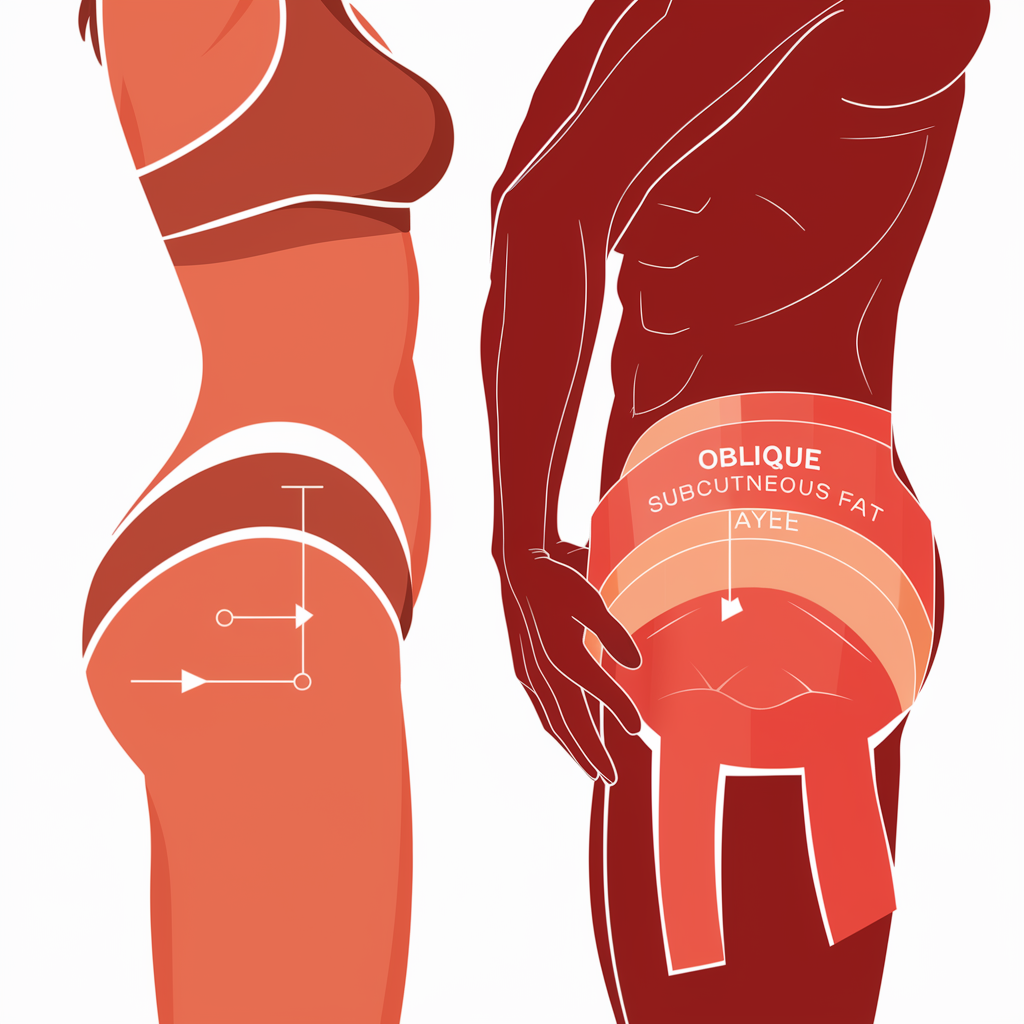
Gender differences also play a significant role in love handle development. Men typically store more fat in their abdominal region, including love handles, due to higher levels of cortisol receptors in these areas. Women, while more prone to storing fat in their hips and thighs, can also develop love handles, especially during hormonal changes such as menopause when estrogen levels decline.
Root Causes of Love Handles
Lifestyle Factors Contributing to Love Handle Development
The primary driver behind love handle formation is consuming more calories than your body burns, creating a caloric surplus that gets stored as fat. However, certain lifestyle factors make you more prone to storing this excess energy specifically in the love handle area.
Poor dietary choices significantly contribute to love handle development. Diets high in refined sugars, processed foods, and trans fats not only provide excess calories but also promote inflammation and insulin resistance. These conditions make your body more likely to store fat around your midsection. Additionally, irregular eating patterns, such as skipping meals followed by large portions, can disrupt your metabolism and promote fat storage.
A sedentary lifestyle compounds these dietary issues. Prolonged sitting, which is common in modern office jobs, can weaken your core muscles and reduce overall caloric expenditure. When your core muscles are weak, the fat in your love handle area becomes more prominent and noticeable. Lack of regular cardiovascular exercise means your body has fewer opportunities to burn stored fat for energy.
Biological and Hormonal Factors
Age-related changes significantly impact love handle development. As you age, your metabolism naturally slows down, meaning you burn fewer calories at rest. Simultaneously, you typically lose muscle mass through a process called sarcopenia, which further reduces your metabolic rate. This combination makes it easier to accumulate fat while making it harder to burn it off.
Hormonal imbalances play a crucial role in love handle formation. Chronically elevated cortisol levels, often resulting from chronic stress, promote fat storage specifically in the abdominal region, including love handles. Cortisol also increases appetite and cravings for high-calorie foods, creating a cycle that perpetuates fat accumulation.
Insulin resistance, often developed through poor dietary habits and sedentary lifestyle, makes your body more efficient at storing fat and less efficient at burning it. When your cells become resistant to insulin, your body produces more of this hormone, which promotes fat storage and makes weight loss more difficult.
Genetic and Medical Factors
Genetics play a significant role in determining where your body preferentially stores fat. Some people are genetically predisposed to store more fat in their midsection, including love handles, while others may store it primarily in their hips, thighs, or other areas. While you can’t change your genetics, understanding your predisposition can help you develop more targeted strategies.
Certain medical conditions can also contribute to love handle development. Hypothyroidism slows your metabolism, making weight gain more likely. Polycystic ovary syndrome (PCOS) in women can lead to insulin resistance and increased abdominal fat storage. Some medications, including certain antidepressants, corticosteroids, and diabetes medications, can promote weight gain and alter fat distribution patterns.
Health Implications of Love Handles
Physical Health Risks Associated with Love Handles
While love handles primarily consist of subcutaneous fat, which is generally less harmful than visceral fat, their presence often indicates overall excess body weight that can pose health risks. Research has shown that increased waist circumference, which includes the love handle area, is associated with higher risks of cardiovascular disease, type 2 diabetes, and metabolic syndrome.
The relationship between love handles and health risks isn’t just cosmetic. Excess fat around the midsection can increase inflammation throughout your body, contributing to insulin resistance and elevated blood pressure. Additionally, carrying extra weight in this area can strain your cardiovascular system and increase your risk of developing sleep apnea.
Postural and Mobility Implications
Love handles can contribute to postural problems and movement dysfunctions. When excess fat accumulates around your midsection, it can alter your center of gravity and place additional stress on your lower back. This can lead to compensatory movement patterns that may result in chronic lower back pain and reduced mobility.
Furthermore, the presence of love handles often indicates weak core muscles underneath the fat layer. A weak core can’t properly stabilize your spine during daily activities and exercise, increasing your risk of injury and reducing your overall functional capacity.
Science-Backed Prevention Strategies
Nutritional Prevention Approaches
Preventing love handles starts with maintaining a healthy relationship with food and establishing sustainable eating patterns. The foundation of prevention is achieving and maintaining caloric balance – consuming roughly the same number of calories that your body burns each day.
Macronutrient optimization plays a crucial role in prevention. Aim to consume adequate protein (0.8-1.2 grams per kilogram of body weight) to maintain muscle mass and support metabolism. Choose healthy fats from sources like nuts, avocados, and olive oil, which can help with satiety and hormone production. Focus on complex carbohydrates from whole grains, fruits, and vegetables that provide sustained energy and important nutrients.
Meal timing and frequency can also impact fat storage patterns. Regular, consistent meal times help regulate your metabolism and hormone production. Some people benefit from eating smaller, more frequent meals, while others do better with fewer, larger meals. The key is finding a pattern that helps you maintain consistent energy levels and avoid overeating.
Proper hydration supports your metabolism and can help with appetite regulation. Aim for at least 8-10 glasses of water per day, and consider drinking water before meals to help with portion control.
Exercise Prevention Strategies
Regular physical activity is one of the most effective ways to prevent love handle development. Cardiovascular exercise increases your overall caloric expenditure and improves your body’s ability to burn fat for energy. Aim for at least 150 minutes of moderate-intensity cardio or 75 minutes of vigorous-intensity cardio per week, as recommended by health organizations.
Strength training is equally important for prevention. Building and maintaining muscle mass increases your resting metabolic rate, meaning you burn more calories even when you’re not exercising. Focus on compound movements like squats, deadlifts, and push-ups that work multiple muscle groups simultaneously and provide the most metabolic benefit.

Core strengthening exercises help build the muscles underneath where love handles typically form. While these exercises won’t specifically prevent fat storage in the area, they can improve your posture and make any existing fat less noticeable while supporting overall functional movement.
Lifestyle Prevention Tactics
Stress management is crucial for preventing love handle development. Chronic stress leads to elevated cortisol levels, which promote fat storage in the abdominal region. Incorporate stress-reduction techniques such as meditation, deep breathing exercises, yoga, or regular recreational activities that you enjoy.
Quality sleep plays a vital role in hormone regulation and metabolism. Aim for 7-9 hours of quality sleep per night. Poor sleep disrupts hormones like leptin and ghrelin, which regulate hunger and satiety, potentially leading to overeating and weight gain.
Establishing consistent routines helps your body maintain its natural rhythms and can support healthy metabolism. Try to eat meals, exercise, and sleep at roughly the same times each day when possible.
Effective Removal Methods: A Comprehensive Approach
Targeted Exercise Strategies for Love Handle Elimination
While you cannot spot-reduce fat from specific areas, certain exercise strategies can help you lose overall body fat while strengthening the muscles underneath your love handles, creating a more toned appearance as you lose weight.
High-Intensity Interval Training (HIIT) has been shown to be particularly effective for fat loss. HIIT alternates between periods of intense exercise and recovery, which can boost your metabolism for hours after your workout ends. A typical HIIT session might include 30 seconds of intense exercise followed by 30 seconds of rest, repeated for 15-20 minutes.
Examples of effective HIIT exercises for love handle reduction include:
– Burpees
– Mountain climbers
– High knees
– Jump squats
– Sprint intervals
Steady-state cardiovascular exercise also plays an important role in fat loss. Activities like brisk walking, jogging, cycling, or swimming performed at a moderate intensity for 30-60 minutes can help create the caloric deficit necessary for fat loss.
Specific Exercises Targeting the Love Handle Area
While these exercises won’t spot-reduce fat, they will strengthen your oblique muscles and improve your core stability, making your waistline appear more toned as you lose overall body fat:
Russian Twists: Sit with your knees bent, lean back slightly, and rotate your torso from side to side while holding a weight or medicine ball.
Side Planks: Lie on your side and prop yourself up on your forearm, creating a straight line from your head to your feet. Hold this position to strengthen your obliques.
Bicycle Crunches: Lie on your back and bring opposite elbow to knee in a cycling motion, engaging your obliques with each twist.
Wood Chops: Using a cable machine or medicine ball, perform diagonal chopping motions across your body to engage your obliques dynamically.
Dead Bugs: Lie on your back with arms extended toward the ceiling and knees bent at 90 degrees. Lower opposite arm and leg slowly while maintaining core engagement.
Evidence-Based Nutrition Strategies for Fat Loss
Creating a sustainable caloric deficit is the foundation of fat loss. Aim to consume 300-500 calories less than your daily energy expenditure to promote steady, sustainable fat loss of 1-2 pounds per week. More aggressive deficits can lead to muscle loss and metabolic slowdown.
For fat loss, consider a macronutrient distribution of approximately 40% carbohydrates, 30% protein, and 30% fat. This higher protein intake helps preserve muscle mass during weight loss and increases thermic effect of food – the energy cost of digesting and processing food.
Focus on whole, minimally processed foods that provide satiety and nutritional value:
– Lean proteins: chicken breast, fish, tofu, legumes
– Complex carbohydrates: quinoa, brown rice, sweet potatoes, oats
– Healthy fats: nuts, seeds, avocado, olive oil
– Fiber-rich vegetables and fruits
Foods to limit include refined sugars, processed snacks, sugary beverages, and excessive amounts of refined grains. These foods provide empty calories and can promote inflammation and fat storage.
Meal planning and preparation can significantly improve your success. Prepare healthy meals and snacks in advance to avoid impulsive food choices when you’re hungry or busy.
Lifestyle Modifications for Optimal Results
Sleep optimization is crucial for fat loss success. Poor sleep disrupts hormones that regulate hunger and metabolism. Establish a consistent sleep schedule, create a dark and cool sleep environment, and avoid screens for at least an hour before bedtime.
Chronic stress can sabotage your fat loss efforts by elevating cortisol levels. Implement stress-reduction techniques such as:
– Daily meditation or mindfulness practice
– Regular yoga or stretching sessions
– Time management strategies to reduce daily pressure
– Engaging in hobbies you enjoy
– Spending time in nature
Proper hydration supports your metabolism and can help with appetite control. Drink water before meals to help with portion control, and stay hydrated throughout the day to support optimal bodily functions.
Advanced Methods and Professional Options
Non-Invasive Professional Treatments
For those who have tried diet and exercise but still struggle with stubborn love handles, several non-invasive professional treatments are available. CoolSculpting, also known as cryolipolysis, uses controlled cooling to freeze and destroy fat cells in targeted areas. The destroyed fat cells are then naturally eliminated by your body over several months.
Radiofrequency treatments use heat energy to target fat cells and tighten skin simultaneously. These treatments can provide modest improvements in love handle appearance, though results are typically less dramatic than surgical options.
Ultrasound fat reduction treatments use focused ultrasound energy to destroy fat cells without damaging surrounding tissue. Like other non-invasive treatments, multiple sessions are typically required for optimal results.
It’s important to note that these treatments work best on individuals who are already close to their ideal body weight and have isolated areas of stubborn fat. They are not weight loss solutions and won’t address underlying lifestyle factors that contributed to fat accumulation.

When to Consider Professional Help
Consider consulting with a healthcare professional if you’ve consistently followed a healthy diet and exercise program for several months without seeing results in your love handle area. This could indicate underlying hormonal imbalances or other medical conditions that are interfering with your progress.
A registered dietitian can help you fine-tune your nutrition plan and identify any dietary issues that might be hindering your progress. A certified personal trainer can assess your exercise program and ensure you’re following an effective routine for your goals and fitness level.
Creating Your Personal Action Plan
Assessment and Goal Setting
Before starting any love handle reduction program, conduct an honest assessment of your current situation. Take body measurements, photos, and note your current fitness level and eating habits. This baseline will help you track progress and stay motivated.
Set SMART goals (Specific, Measurable, Achievable, Relevant, Time-bound) for your love handle reduction journey. Instead of vague goals like “lose love handles,” set specific targets such as “reduce waist circumference by 2 inches in 3 months” or “perform side planks for 60 seconds by month 2.”
Customizing Your Approach
Your love handle reduction plan should fit your lifestyle, preferences, and current fitness level. If you’re new to exercise, start with basic movements and gradually progress. If you have limited time, focus on efficient workouts like HIIT sessions that provide maximum benefit in minimal time.
Consider your dietary preferences when planning your nutrition strategy. If you’re vegetarian, ensure you’re getting adequate protein from plant sources. If you have food allergies or intolerances, work around these restrictions while still maintaining proper nutrition.
Tracking Progress and Making Adjustments
Monitor your progress using multiple metrics, not just the scale. Take body measurements, progress photos, and note improvements in strength and endurance. The scale can be misleading because muscle weighs more than fat, so you might be making progress even if the number isn’t changing dramatically.
Keep a food diary to track your eating patterns and identify any issues with your nutrition plan. Note your energy levels, hunger patterns, and any food cravings to help optimize your approach.
Be prepared to make adjustments to your plan as you progress. If you hit a plateau, you might need to reduce calories slightly, change your exercise routine, or address lifestyle factors like sleep and stress.
Common Mistakes and How to Avoid Them
Exercise Mistakes That Hinder Progress
One of the biggest mistakes people make is believing in spot reduction – the idea that doing specific exercises will burn fat from that exact area. While oblique exercises are important for strengthening your core, they won’t specifically burn fat from your love handles. Focus on overall fat loss through a combination of cardio, strength training, and proper nutrition.
Another common mistake is overemphasizing ab and oblique exercises while neglecting compound movements. Exercises like squats, deadlifts, and pull-ups burn more calories and provide greater metabolic benefits than isolation exercises.
Many people also make the mistake of doing the same workout routine for months without progression. Your body adapts to exercise stimuli, so you need to gradually increase intensity, duration, or complexity to continue seeing results.
Nutrition Mistakes That Sabotage Results
Extreme caloric restriction is a common mistake that can actually hinder fat loss. Very low-calorie diets can slow your metabolism, cause muscle loss, and lead to nutritional deficiencies. They’re also unsustainable long-term and often result in rebound weight gain.
Eliminating entire food groups without medical necessity can lead to nutritional imbalances and make your diet plan unsustainable. Instead of cutting out carbohydrates or fats entirely, focus on choosing healthier options within each macronutrient category.
Inconsistent eating patterns, such as “being good” during the week and overeating on weekends, can undermine your progress. Aim for consistency in your eating habits throughout the week.
Lifestyle Mistakes That Impede Success
Setting unrealistic expectations can lead to disappointment and giving up prematurely. Love handle reduction takes time – typically several months of consistent effort. Expecting dramatic results in a few weeks often leads to frustration and abandoned plans.
An all-or-nothing mentality can also sabotage your efforts. Missing one workout or having one unhealthy meal doesn’t ruin your progress. Focus on consistency over perfection, and get back on track after minor setbacks.
Ignoring recovery needs is another common mistake. Your body needs rest to repair and adapt to exercise. Overtraining can actually hinder progress and increase injury risk. Include rest days in your exercise plan and prioritize quality sleep.
Maintaining Results Long-Term
Building Sustainable Habits
The key to maintaining your love handle reduction results is building sustainable habits that you can maintain long-term. This means choosing exercise activities you enjoy and nutrition strategies that fit your lifestyle and preferences.
Focus on creating systems rather than relying on motivation alone. Motivation fluctuates, but good systems and habits will carry you through challenging times. This might include meal prep routines, scheduled workout times, or automatic reminders for healthy behaviors.
Build flexibility into your approach to handle life’s inevitable disruptions. Have backup plans for busy days, travel, or other challenging situations. This might include quick home workouts, healthy restaurant options, or strategies for managing stress eating.
Ongoing Monitoring and Adjustments
Regular self-assessment helps you catch any backsliding before it becomes a major issue. Monthly measurements, photos, and fitness assessments can help you stay on track and make adjustments as needed.
Be prepared to modify your approach as your life circumstances change. What works during a less stressful period might need adjustment during busy times at work or family obligations. Having multiple strategies helps you adapt while maintaining your progress.
Building Support Systems
Having support from friends, family, or fitness communities can significantly improve your long-term success. Share your goals with supportive people who can provide encouragement and accountability.
Consider working with professionals like personal trainers, registered dietitians, or health coaches, especially during challenging periods or when you need to break through plateaus.
Frequently Asked Questions About Love Handles
How Long Does It Take to Lose Love Handles?
The timeline for losing love handles varies significantly based on individual factors including starting body composition, genetics, adherence to diet and exercise plans, and overall health status. Generally, most people begin to see noticeable improvements after 6-12 weeks of consistent effort, with more significant changes occurring over 3-6 months.
For someone with a moderate amount of love handle fat who follows a well-designed program consistently, losing 1-2 inches from their waist circumference over 2-3 months is a realistic expectation. However, love handles are often among the last areas where people lose fat, so patience and persistence are crucial.
Can You Target Fat Loss in Love Handles Specifically?
No, you cannot spot-reduce fat from love handles or any other specific body area through exercise or diet. Fat loss occurs throughout your entire body in a pattern largely determined by genetics, hormones, and individual physiology. While you can’t choose where you lose fat first, you can strengthen the muscles underneath the fat to improve the appearance of the area as you lose overall body weight.
What’s the Best Diet for Losing Love Handles?
There’s no single “best” diet for losing love handles, as the most effective approach varies by individual. However, any successful diet for love handle reduction must create a sustainable caloric deficit while providing adequate nutrition. Diets that emphasize whole foods, adequate protein, healthy fats, and complex carbohydrates tend to be most effective for long-term success.
Some people find success with approaches like the Mediterranean diet, balanced macronutrient plans, or controlled-carbohydrate diets. The key is finding an approach that you can maintain consistently while creating the caloric deficit necessary for fat loss.
Conclusion
Key Takeaways for Love Handle Success
Eliminating love handles requires a comprehensive approach that addresses diet, exercise, and lifestyle factors. Remember that love handles are typically the result of overall excess body fat, so the most effective strategy focuses on total body fat reduction rather than targeting this specific area.
The most successful approach combines regular cardiovascular exercise, strength training (including core work), a sustainable nutrition plan that creates a modest caloric deficit, and lifestyle modifications that support healthy hormone balance and recovery.
Patience and consistency are your greatest allies in this journey. Love handles often represent some of the most stubborn fat on your body, so don’t get discouraged if progress seems slow initially. Stay committed to your plan, track your progress using multiple metrics, and be prepared to make adjustments as needed.
Your Path Forward
Start by implementing one or two changes at a time rather than overhauling your entire lifestyle overnight. This might mean adding a 20-minute walk to your daily routine and replacing sugary beverages with water. As these become habits, gradually add more components to your plan.
Remember that losing love handles is not just about appearance – it’s about improving your overall health, confidence, and quality of life. Focus on building habits that will serve you well beyond reaching your aesthetic goals.
Final Motivation
Your love handle reduction journey is ultimately about creating a healthier, more confident version of yourself. While the physical changes are important, pay attention to the other benefits you’ll experience along the way: increased energy, better sleep, improved mood, and enhanced overall well-being.
Stay committed to the process, celebrate small victories along the way, and remember that lasting change takes time. With patience, consistency, and the right approach, you can achieve the trimmer waistline and improved health you’re working toward.